








Central Air Conditioning Low-Frequency Noise Reduction Company, Water Pump Humming Sound Environmental Protection Enterprise, Pipe Vibration Damping Environmental Unit, Fan Vibration and Noise Treatment Manufacturer
Central Air Conditioning Noise Reduction System, Low-Frequency Noise Treatment, Eco-Friendly Enterprises, Water Pump Silent Solutions, Noise Reduction and Eco-Friendly Technology, Pipeline Vibration Reduction Specialist, Fan Vibration and Noise Treatment, Customized Services for Eco-Friendly Units, Professional Noise Reduction Equipment, Low-Frequency Noise Control Specialist, Central Air Conditioning Noise Reduction Eco-Friendly Enterprises, Pipeline Vibration Reduction and Noise Reduction Equipment, Eco-Friendly Units, Silent Water Pumps, Specialist Fan Vibration Treatment, Noise Reduction and Eco-Friendly Technology, Service Assurance, Central Air Conditioning Noise Reduction Expert, Custom Solutions for Eco-Friendly Enterprises, Low-Frequency Noise Eliminator, Water Pump Noise Reduction Eco-Friendly Equipment, Pipeline Vibration Reduction Specialist, Silent Solutions, Fan Vibration and Noise Control, Eco-Friendly Units, Professional Noise Reduction Services, Low-Frequency Noise Control Specialist, Noise Reduction and Eco-Friendly Technology, Central Air Conditioning
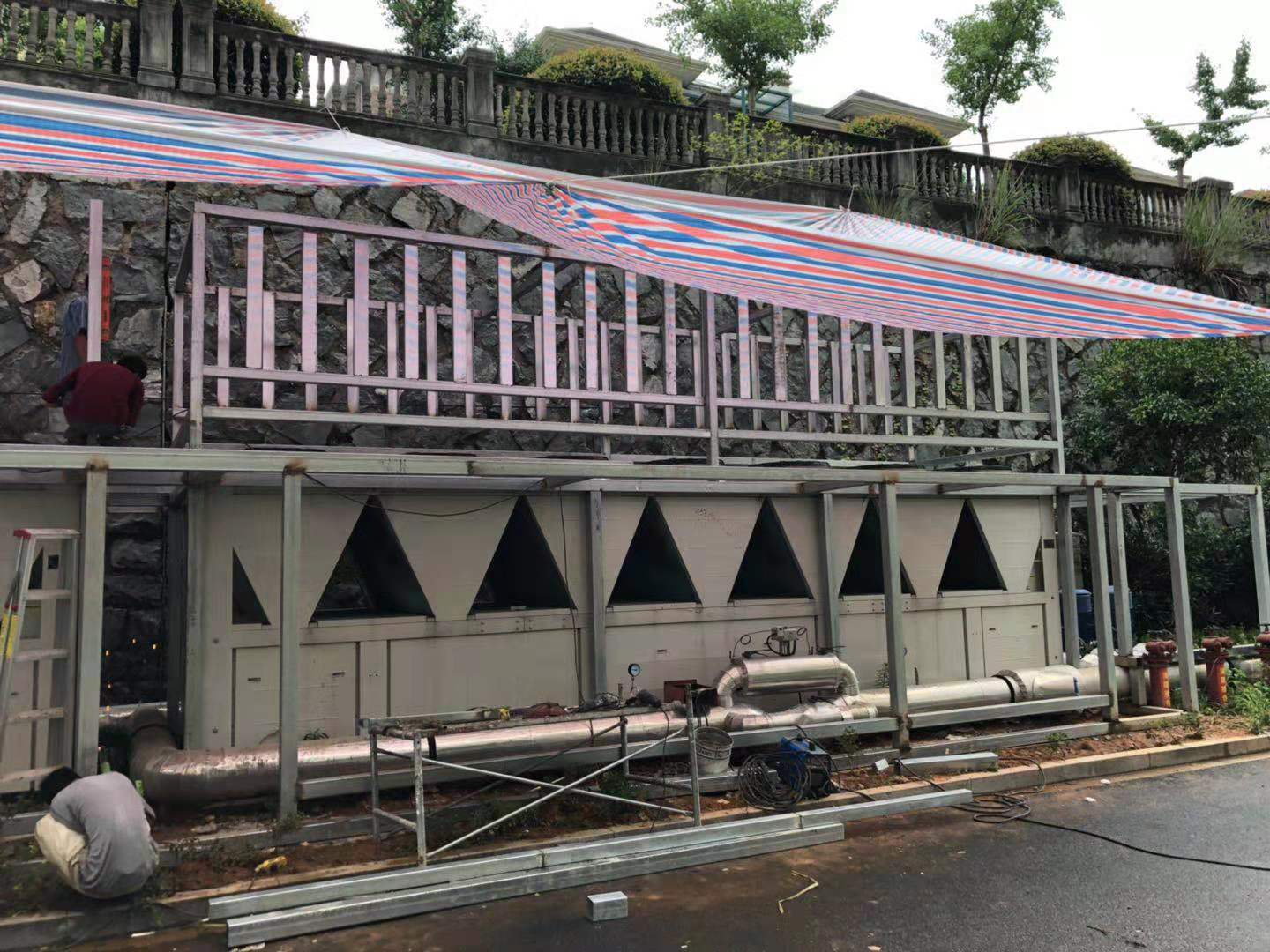
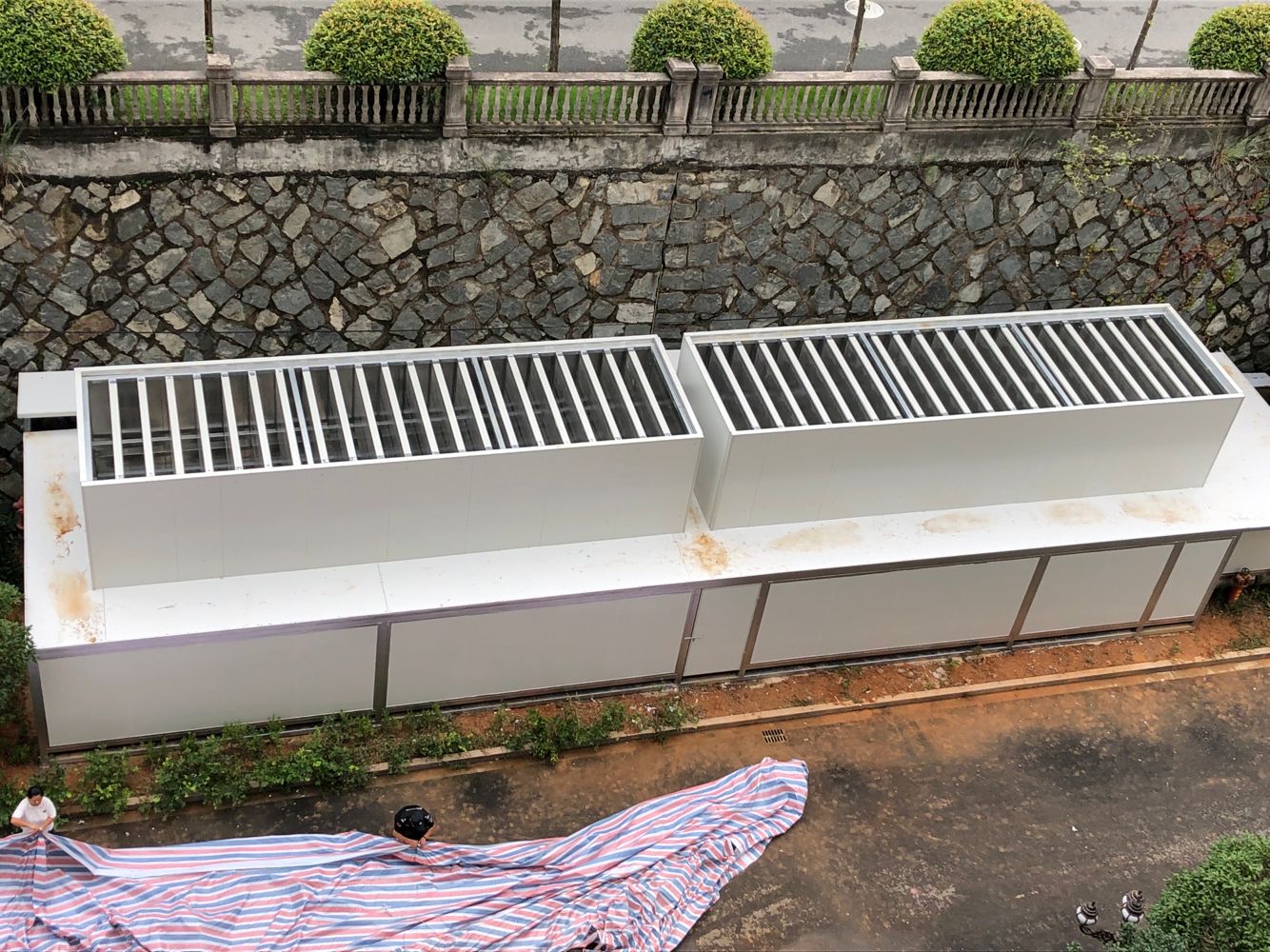
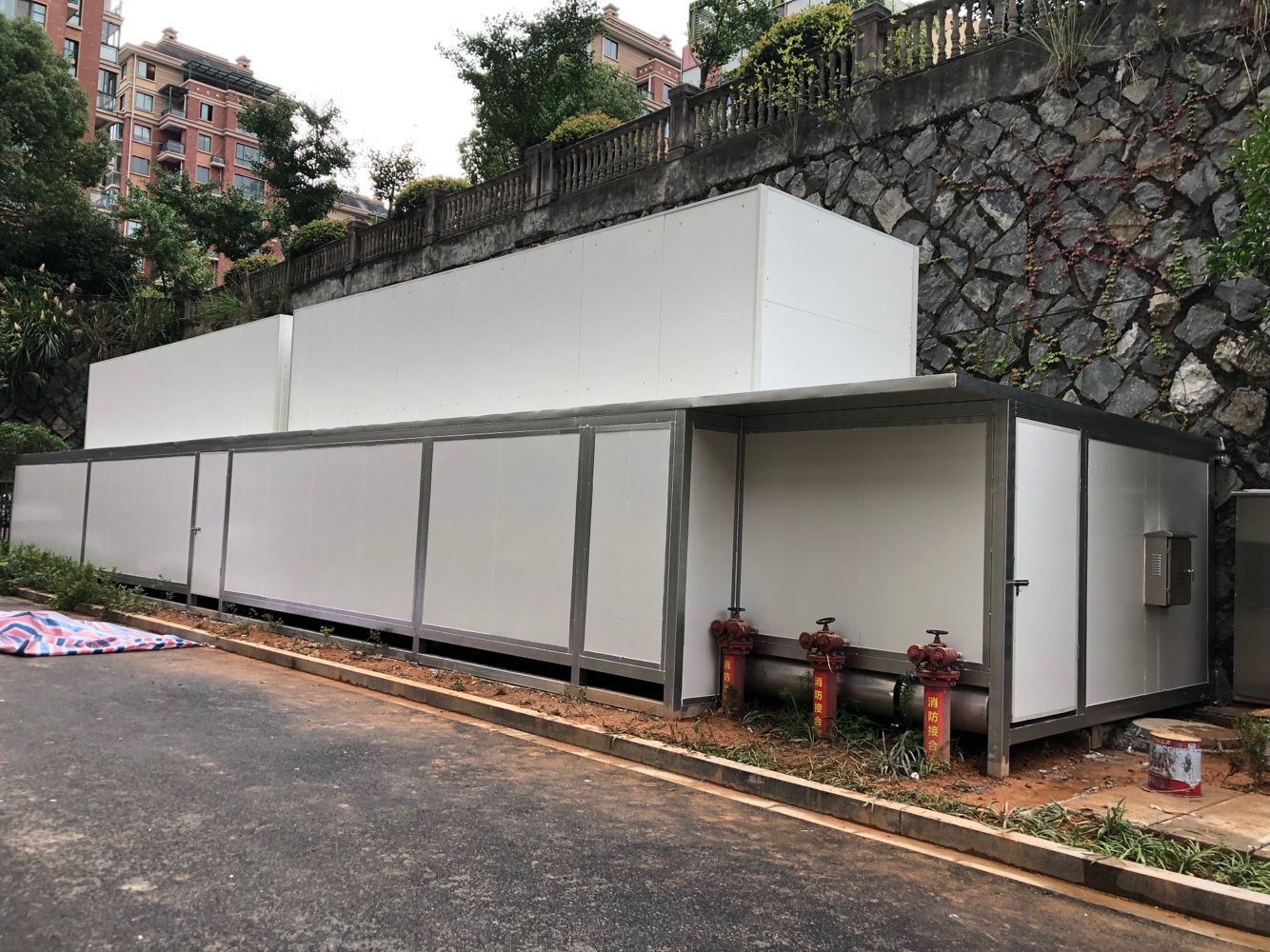
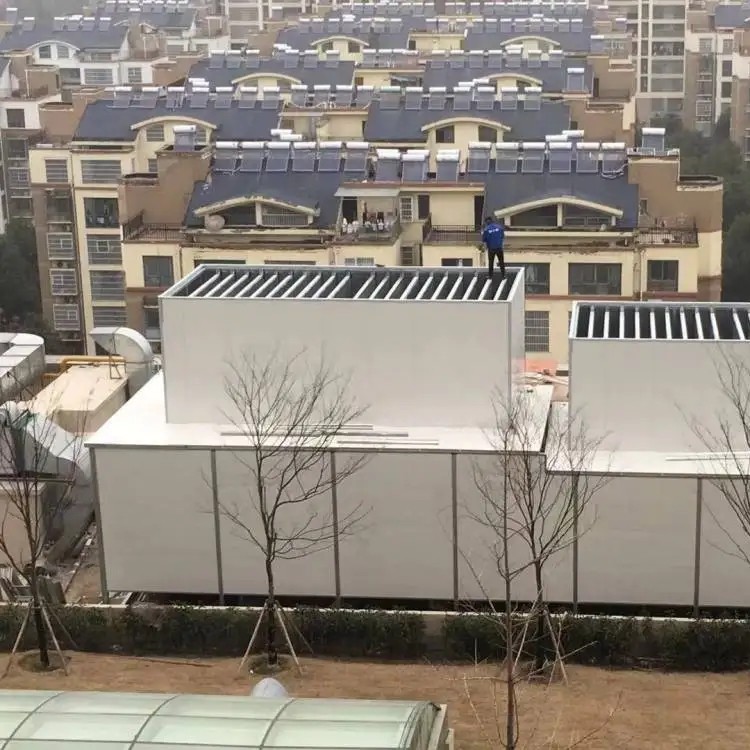
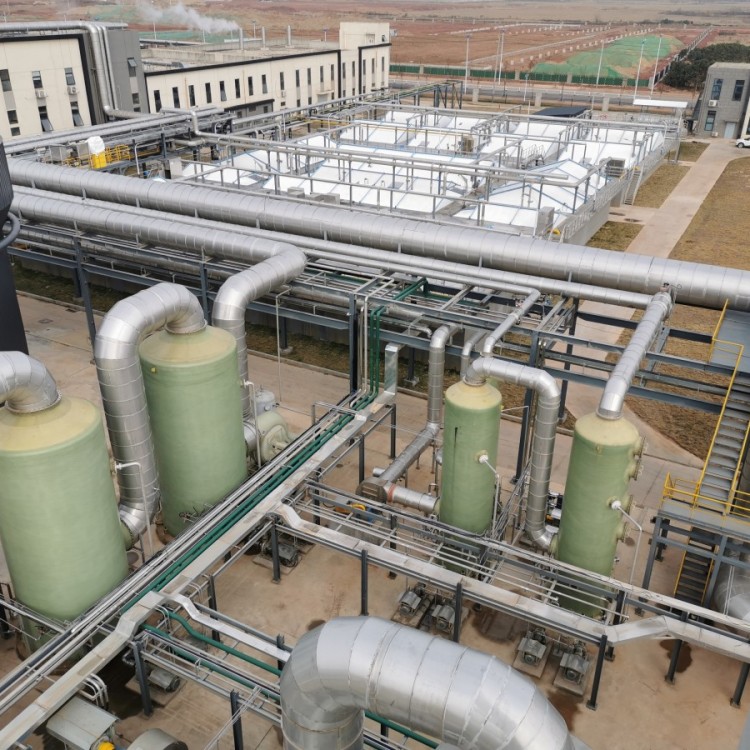
Central air conditioning noise control primarily involves fan noise control, compressor noise control, pump noise control, and vibration pollution control.
The noise pollution generated by air conditioners during use is severe, affecting the living and working environment of residents. The noise sources of air conditioners consist of the following parts:
1. Fan intake and exhaust noise
2. Compressor noise
3. Fan speed reducers and noise
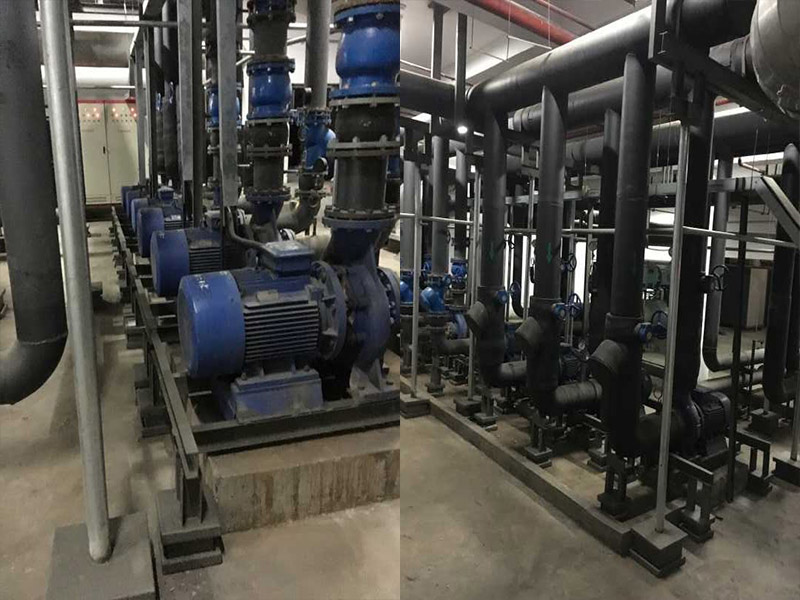
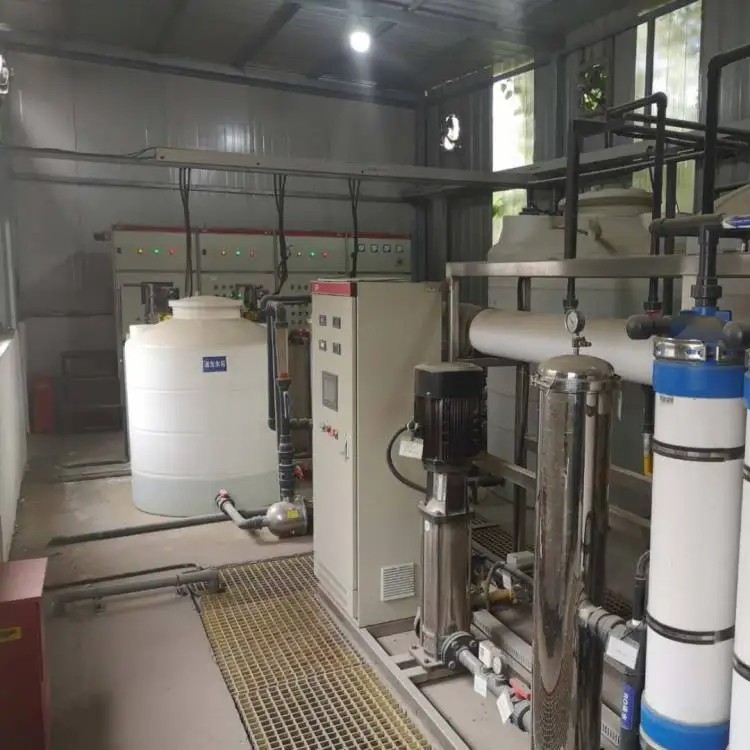
4. Air conditioner pump, piping, and valve noise.
Aircraft noise control primarily involves the management of fan noise, compressor noise, pump noise, and vibration pollution control of equipment and pipelines.
By cooling method classification:
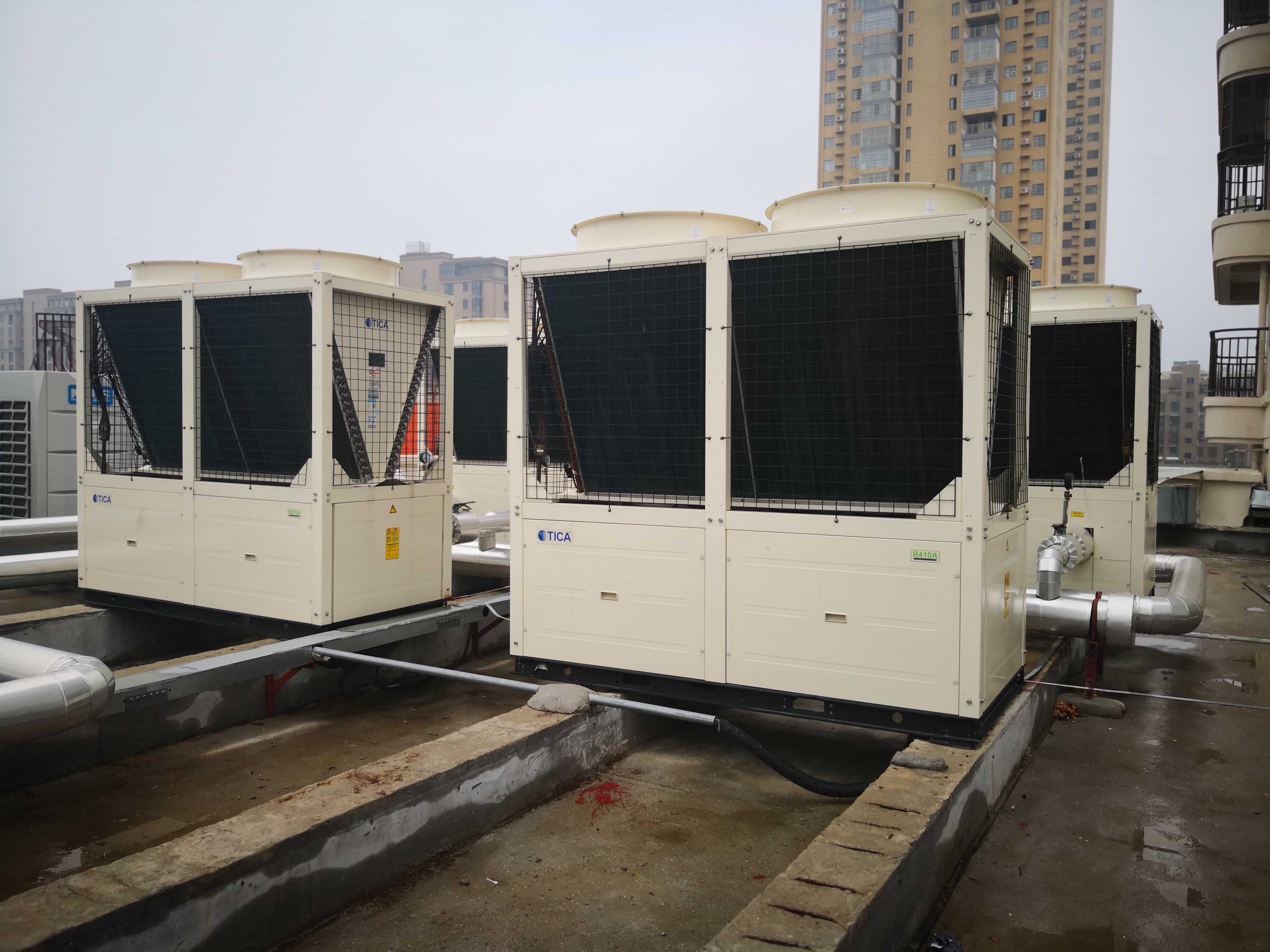
1. Air-cooled: The condenser uses forced air convection for heat exchange. This is the standard in residential air conditioners. Air-cooled AC units come in two types: single-cooling and heat pump. The single-cooling model, as the name suggests, is only for cooling during summer, while the heat pump model can both cool in summer and heat in winter.
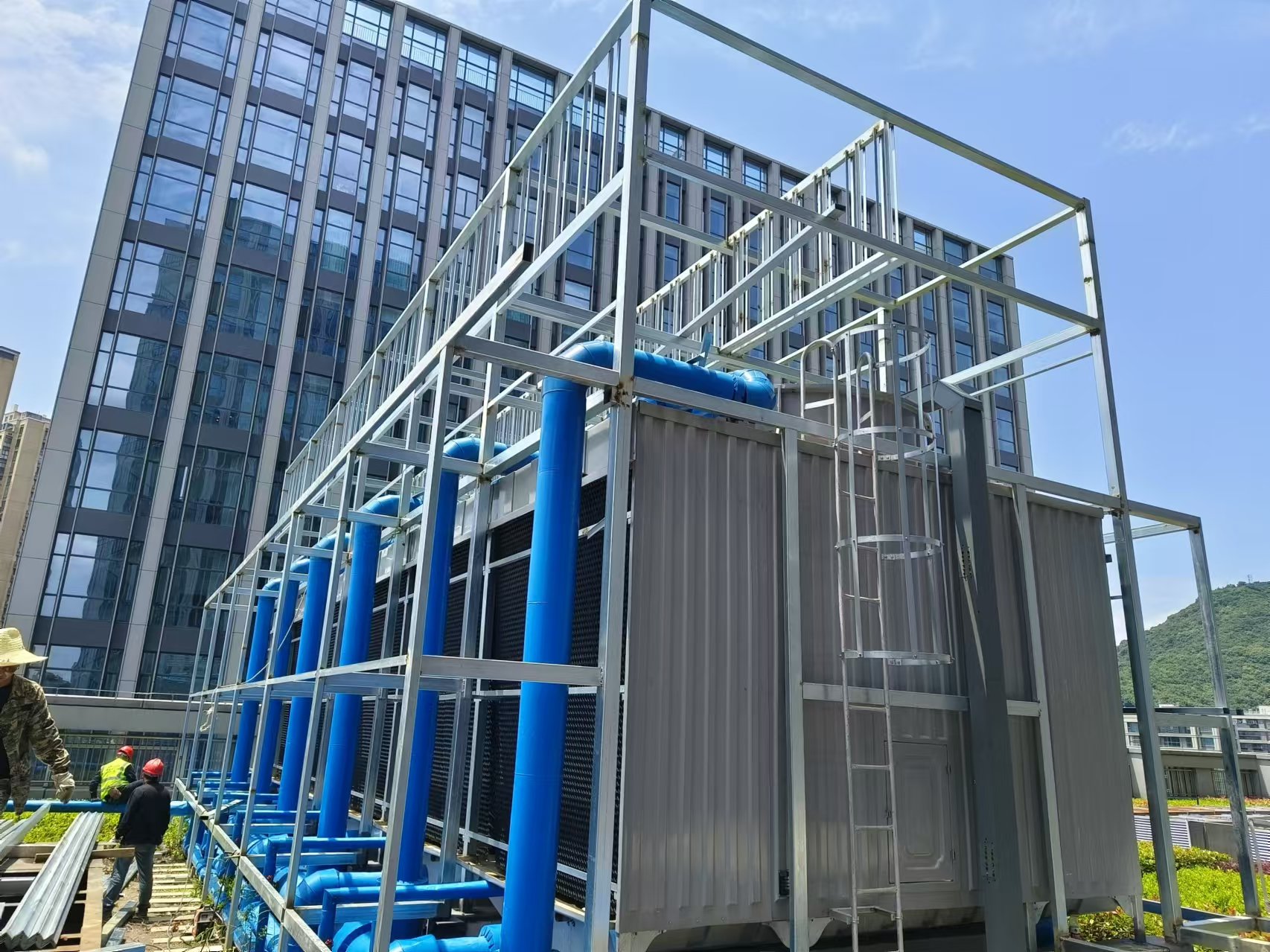
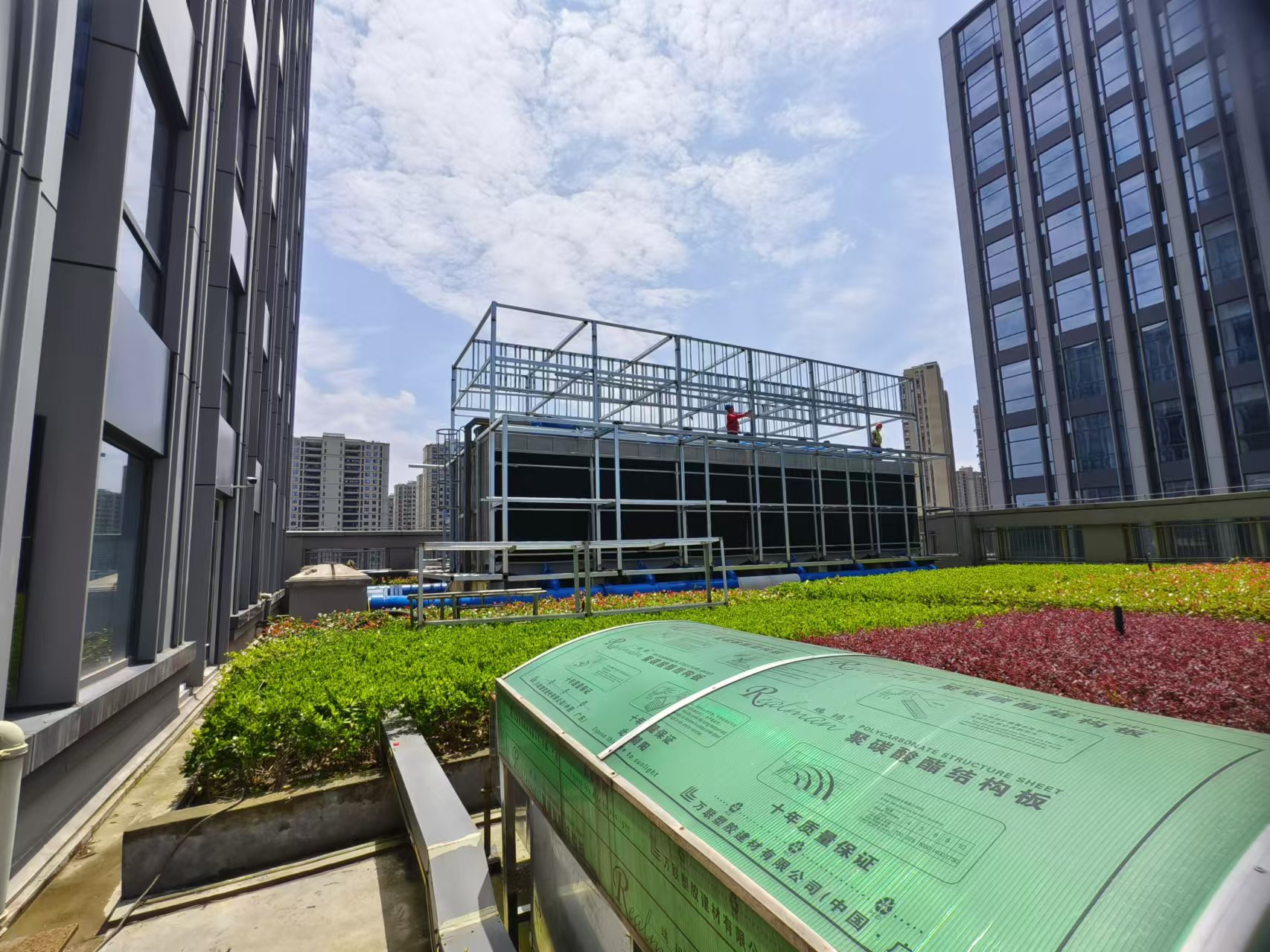
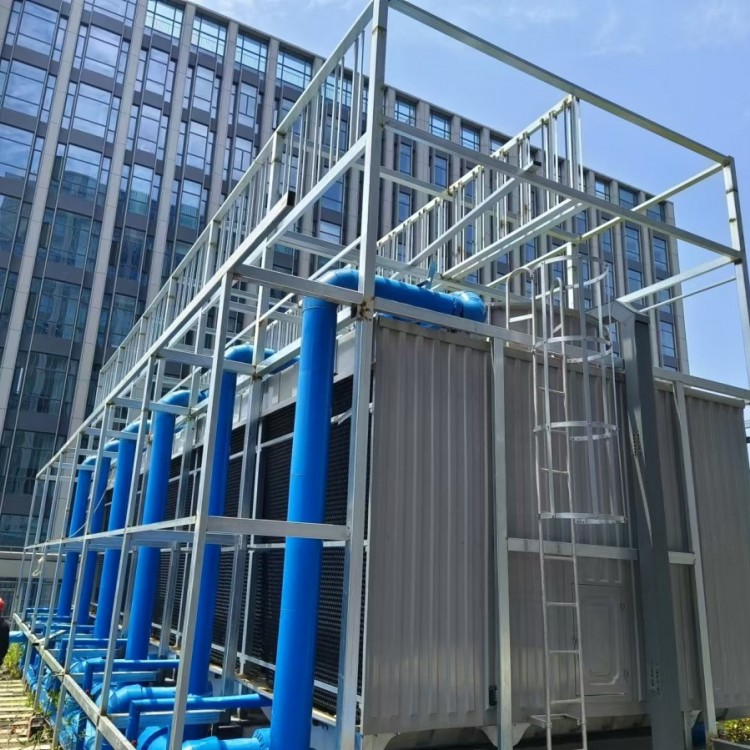
2. Water Cooling: Heat dissipating from the condenser is cooled by water flow. To save water, the cooled water exiting the condenser is pumped to a cooling tower, where it exchanges heat with the air before returning to the condenser. The water cooling system is generally used only for refrigeration.
By the form of the main compressor:
1. Piston compressors: These were commonly used in early air conditioners, but due to their numerous parts, high failure rate, and high production costs, as well as poor operational stability and poor resistance to liquid impact, they are now rarely used.
2. Scroll Compressors: A highly utilized compressor type, consisting of four main parts: the fixed disk, moving disk, motor, and housing. It is characterized by its minimal parts, high operational stability, long service life, and is widely used in small refrigeration units, such as modular machines and residential air conditioners, as mentioned later.
3. Screw Compressors: These are frequently used in large central air conditioning units, characterized by few parts, high stability, long service life, and ease of maintenance. An important point is that screw compressors have a high energy efficiency ratio, consuming up to 25% less energy than piston compressors for the same cooling capacity. There are single-screw and double-screw models available.
4. Centrifugal Compressor: The centrifugal compressor looks like a large centrifugal pump in appearance, and its structure is also quite similar to that of a pump. It is commonly used in high-power central air conditioning units, characterized by its large cooling capacity per unit, simple structure, reliable performance, and stable operation.