
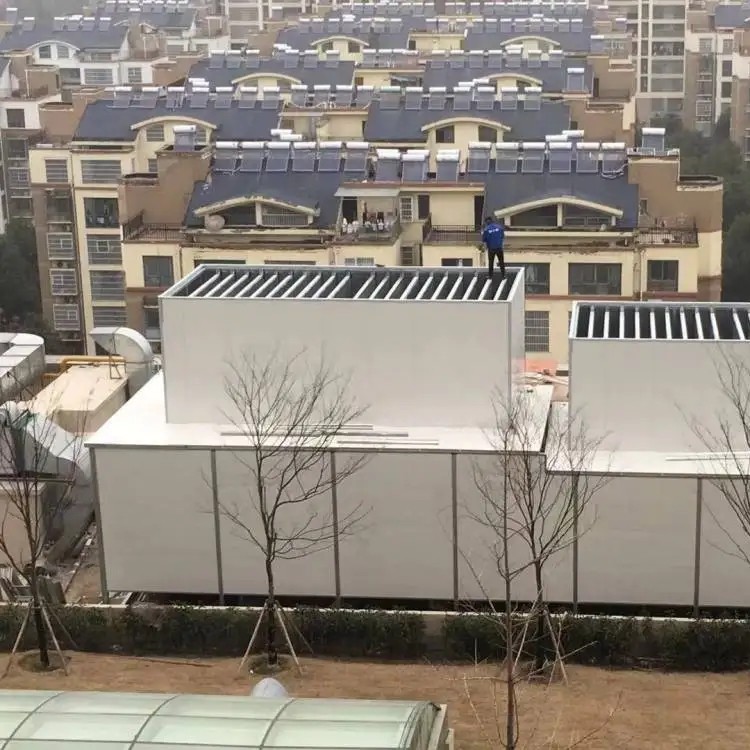
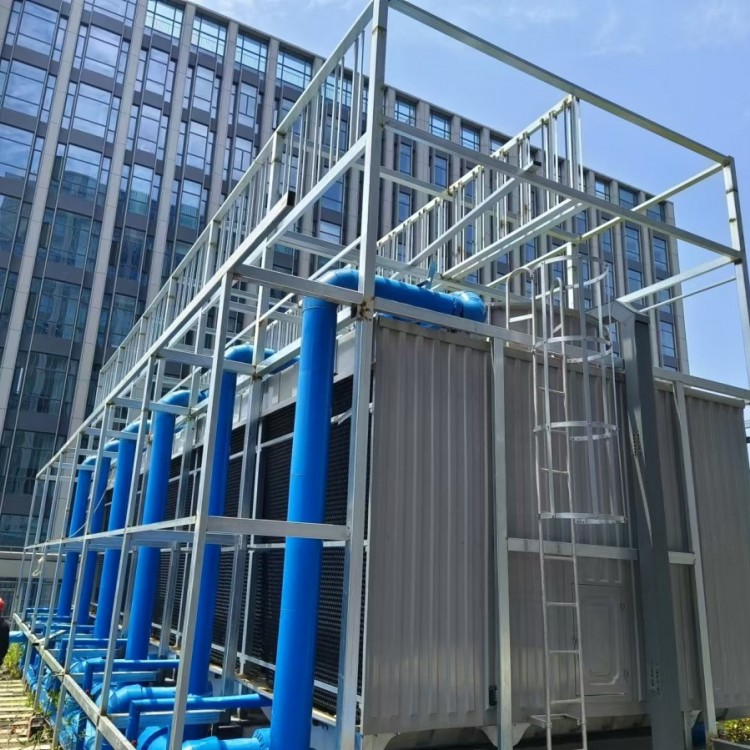






Mall Cooling Tower Soundproofing & Noise Reduction Company, Factory Boundary Noise Control & Environmental Protection Unit, Resolve Equipment Noise Disturbance to Local Community
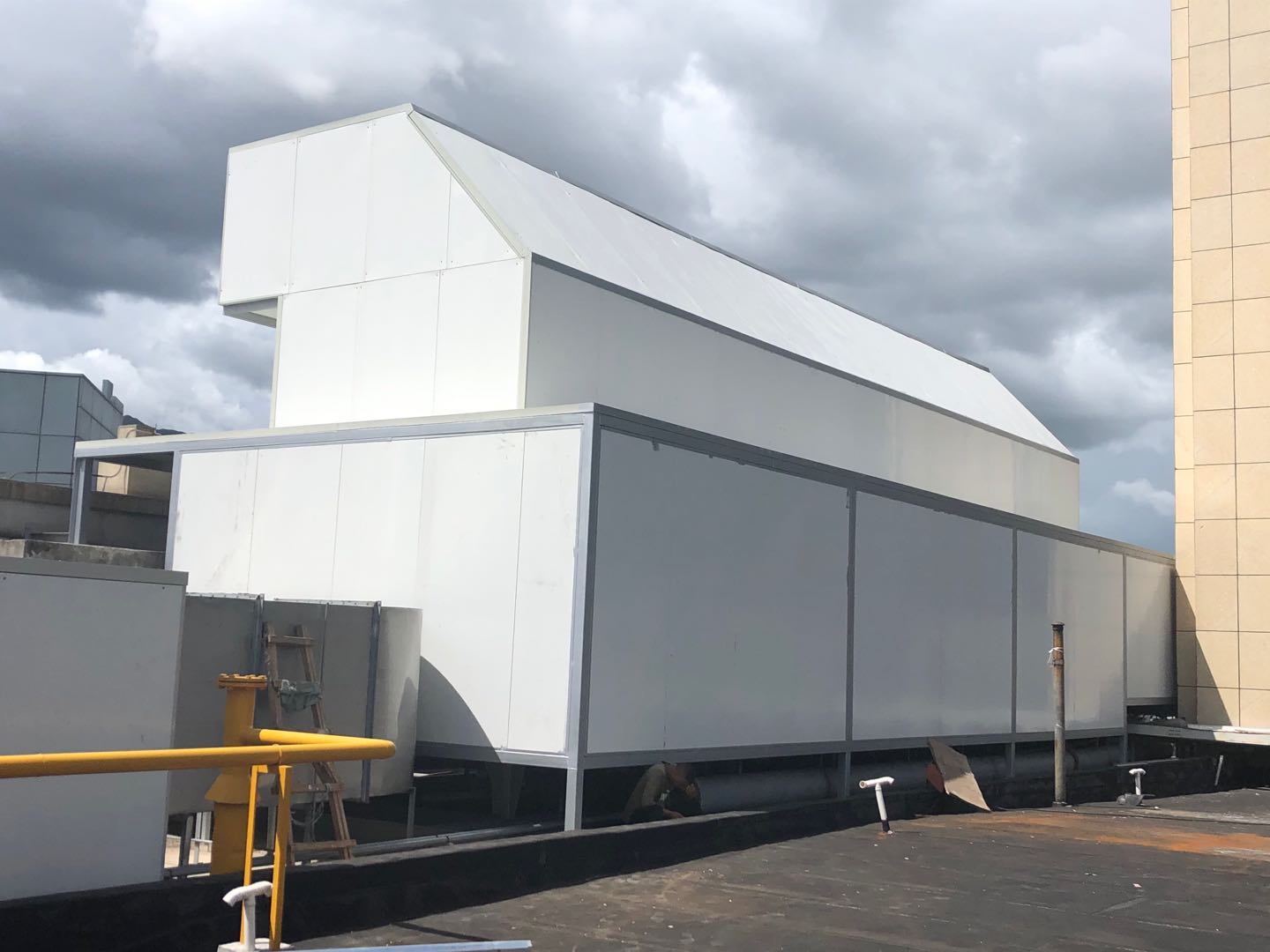
Cooling Tower Soundproofing and Noise Reduction Equipment Materials Silent Environmental Protection Factory Boundary Noise Control Environmental Protection Unit Noise Reduction Equipment Solutions Enterprises Soundproofing and Noise Reduction Environmental Solutions Cooling Tower Environmental Protection Materials Professional Noise Reduction Equipment Trusted Silent Cooling Tower Equipment by Environmental Protection Enterprises Environmental Noise Reduction Solve Annoyance Issues Noise Reduction for Cooling Towers Cooling Tower Soundproofing Products Noise Reduction Equipment for Cooling Towers Environmental Protection Materials Noise and Soundproofing Cooling Towers Customized by Environmental Protection Units Solve Noise Disturbances Materials for Cooling Tower Noise Control Environmental Noise Reduction
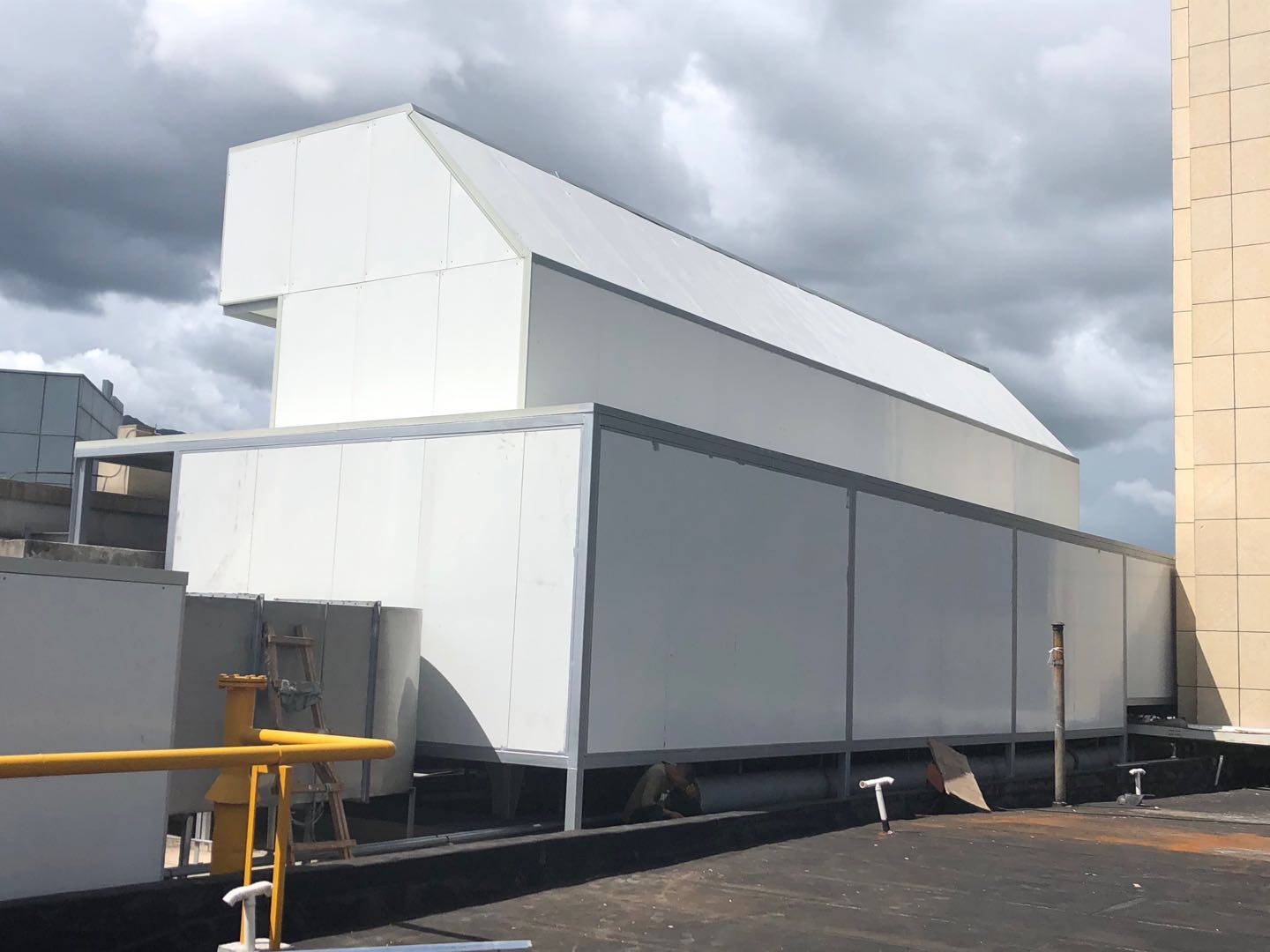
Cooling tower noise control primarily involves fan noise control, noise abatement, pump noise control, and vibration pollution control.
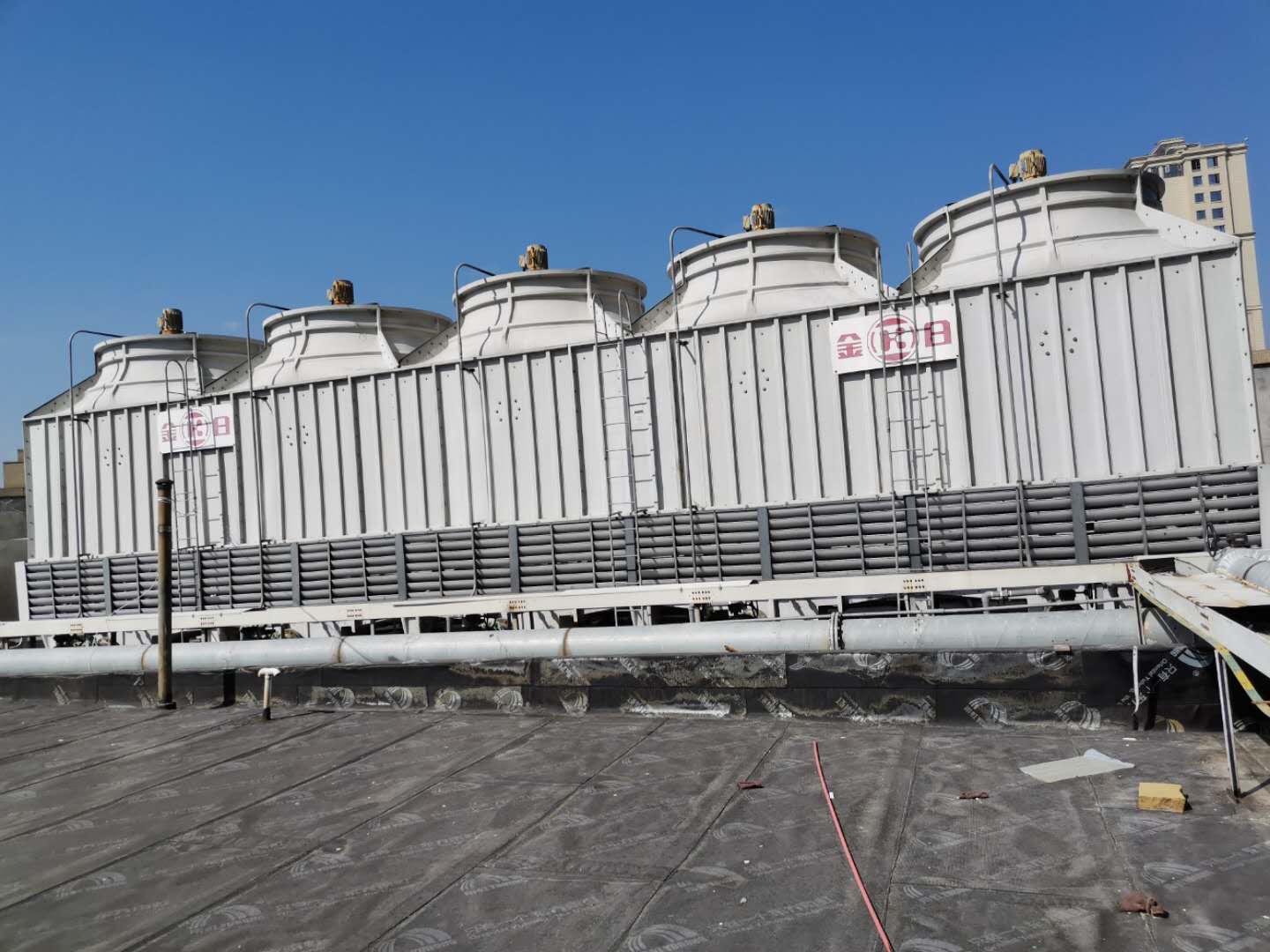
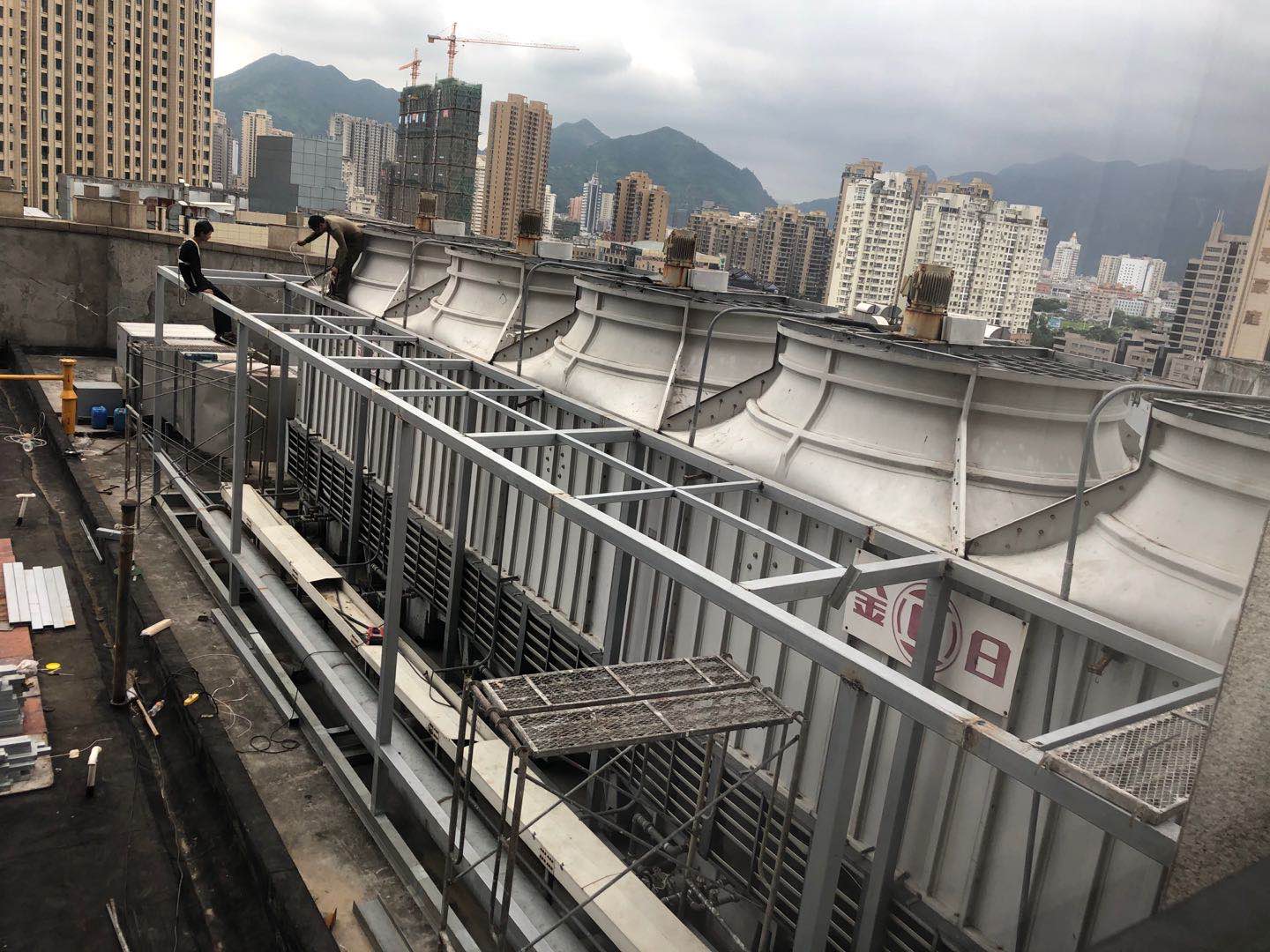
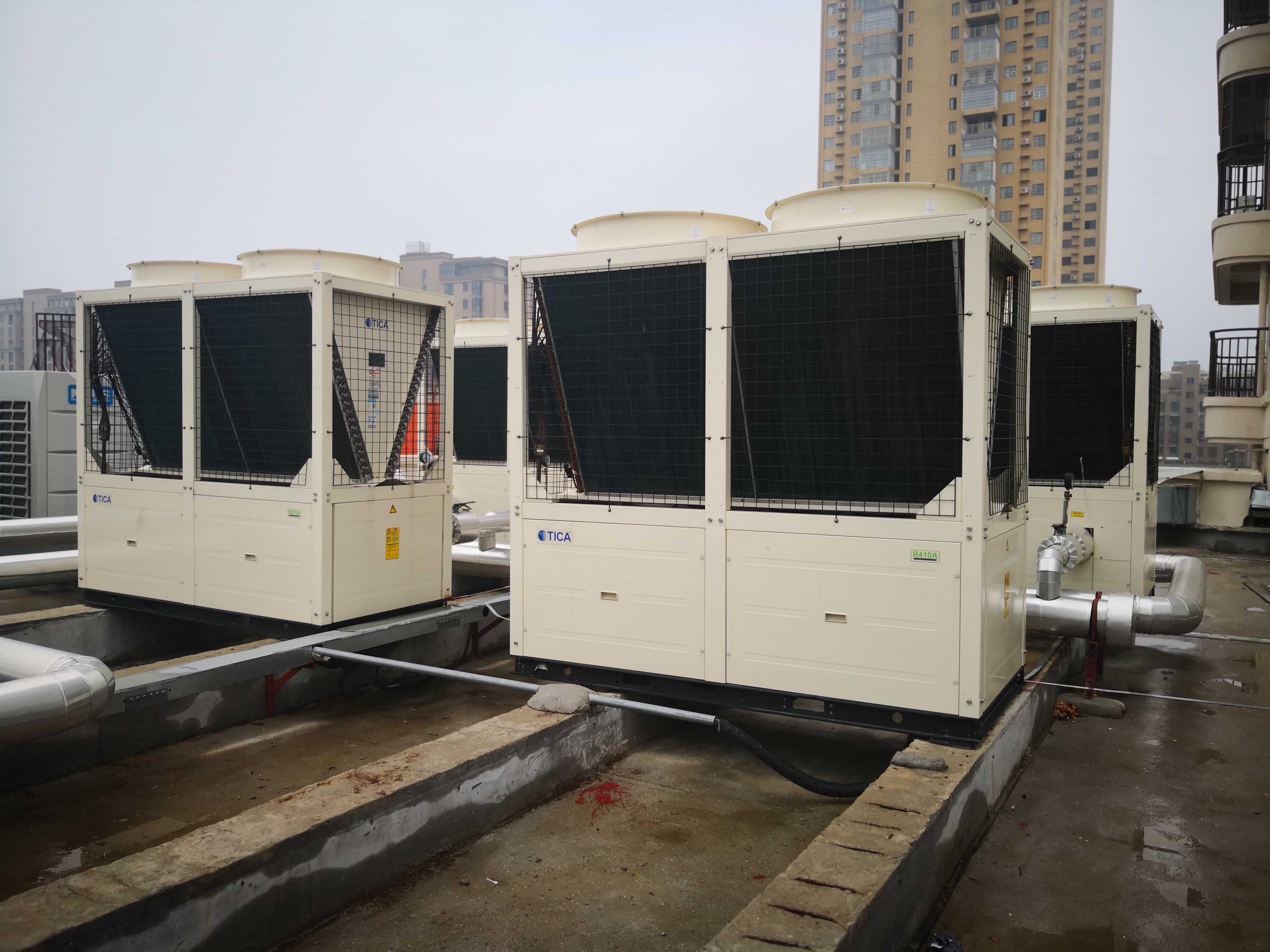
The cooling tower generates significant noise pollution during operation, affecting the residents' living and working environments. The noise sources of the cooling tower consist of the following parts:
1. Fan intake and exhaust noise
2. Spraying noise
3. Fan speed reducers and noise
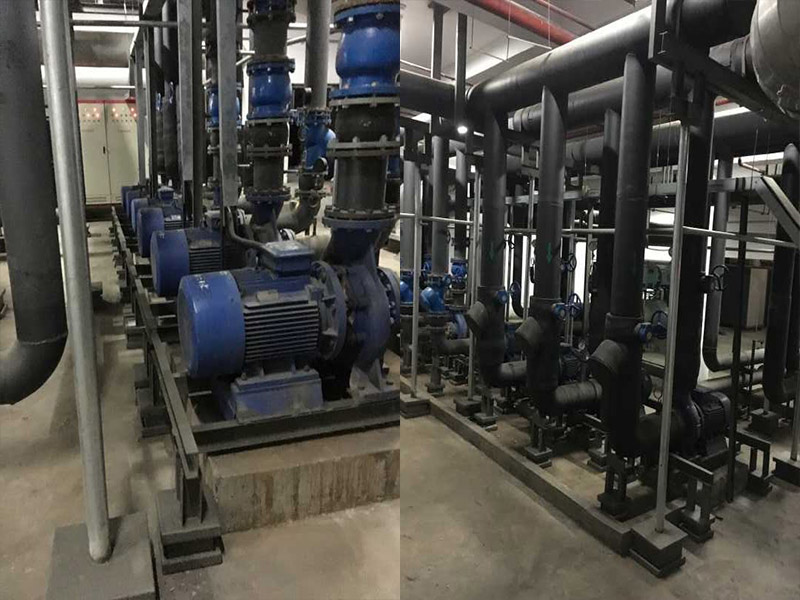
4. Cooling tower pump, piping, and valve noise.
The primary noise sources are the intake and exhaust noise of the fan and the spray noise. The fan radiates noise through its intake and exhaust ports and the tower body. The exhaust port noise is 5-10dB(A) higher than the intake port noise, with a frequency spectrum characterized by a continuous spectrum dominated by low frequencies. The spray noise, which occurs when the recirculating hot water falls from the spray device and impacts the accumulated water in the bottom collecting pan of the tower, is a high-frequency noise. The intensity of the spray noise is related to the spray height and the flow rate per unit time.
Hangzhou Su Tai's years of engineering experience conclude: The overall noise level of the cooling tower is around 85dB(A).
The primary means of noise transmission are through air and solid transmission.