







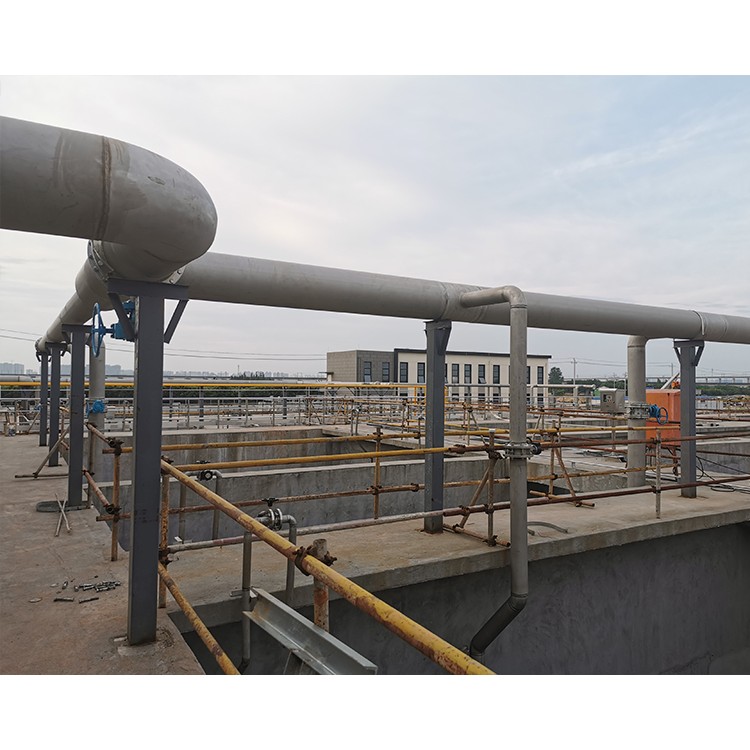

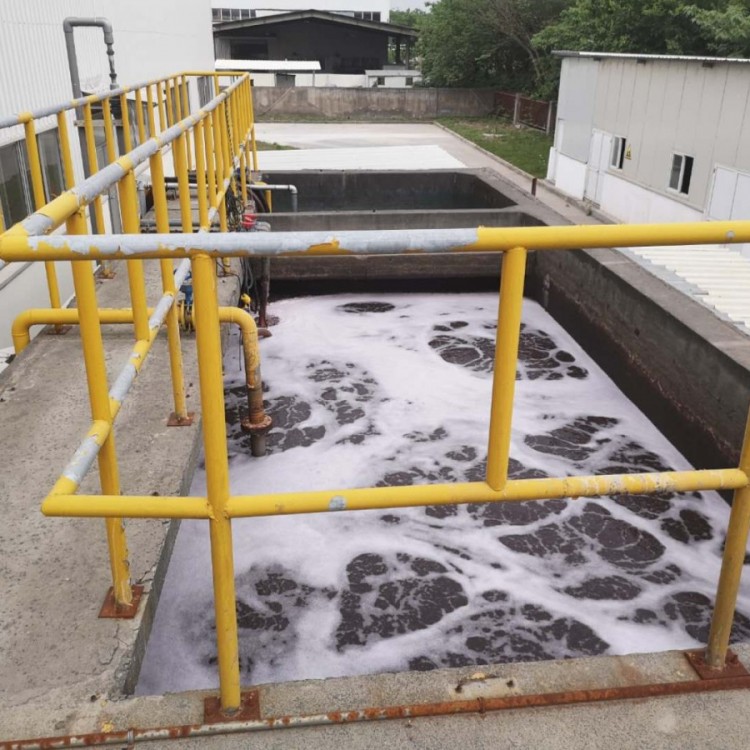
Paper Box Packaging Factory Wastewater Treatment Company, Printing and Printing Waste Water Treatment Environmental Unit, High Chroma Ink and Pigment Wastewater Treatment Enterprise
Eco-friendly Corrugated Box Waste Water Treatment Equipment, Printing Waste Water Treatment, Color Removal, Specialized Printing Waste Water Treatment Equipment, Energy-saving and Environmental Protection, High Color Density Ink Decomposition, Corrugated Box Factory Waste Water Treatment Specialist, Environmental Protection, Ink and Pigment Color Removal, Printing Waste Water Environmental Treatment Solution, Energy-saving and Cost-reduction, High Color Density Removal, Corrugated Box Waste Water Treatment Equipment, Environmental Protection, Ink and Pigment High Color Density Removal, Printing Waste Water Treatment Master, Energy-saving and Environmental Protection, High Color Density Decomposition, Corrugated Box Factory Waste Water Treatment Assistant, Environmental Protection, Ink and Pigment Color Removal, Specialized Printing Waste Water Processor, Energy-saving and Environmental Protection, High Color Density Removal, Corrugated Box Waste Water Environmental Treatment Equipment, Energy-saving, Ink and Pigment Color Removal, Printing Waste Water Treatment Specialist, Environmental Protection, High Color Density Ink Decomposition
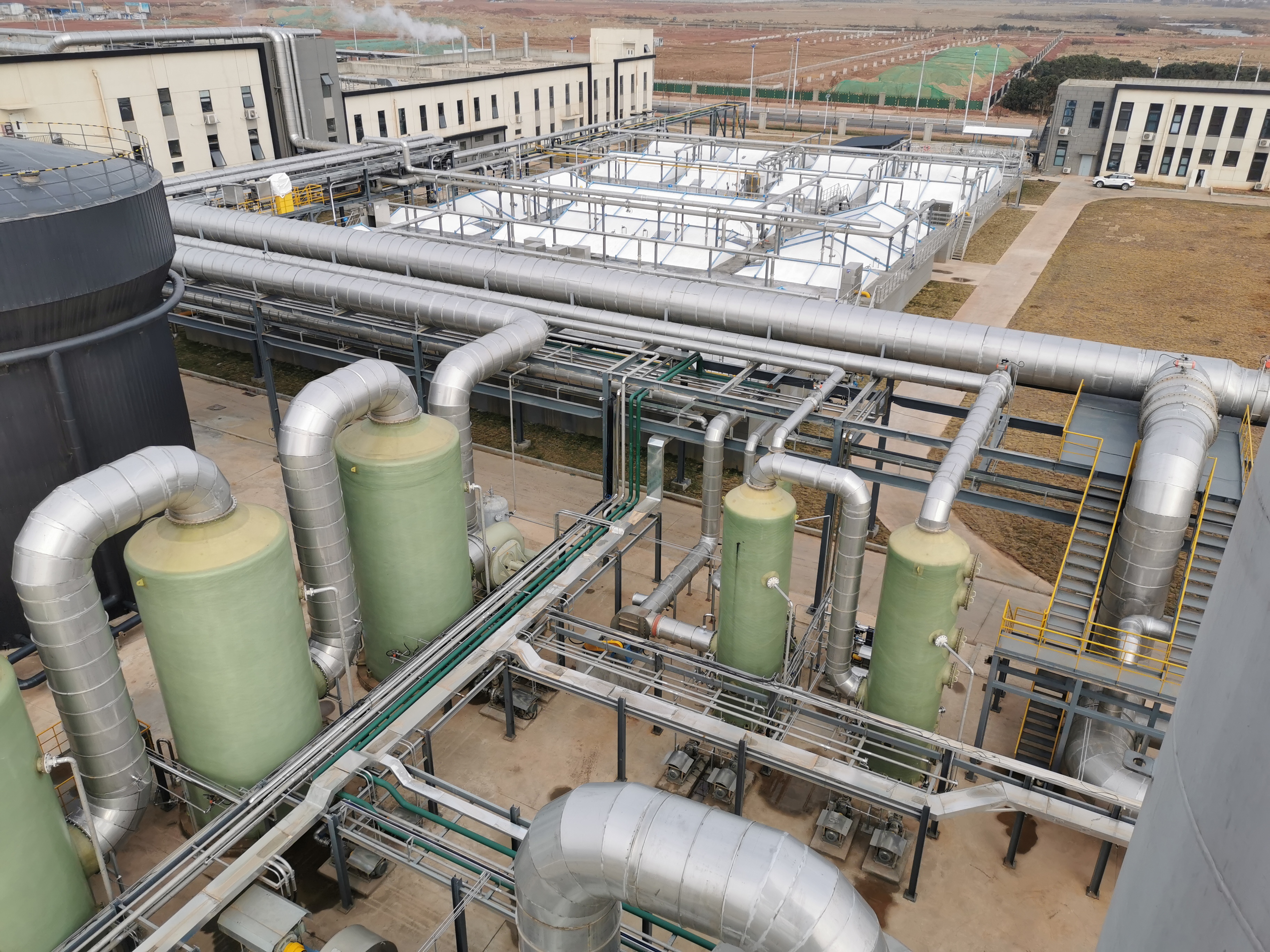
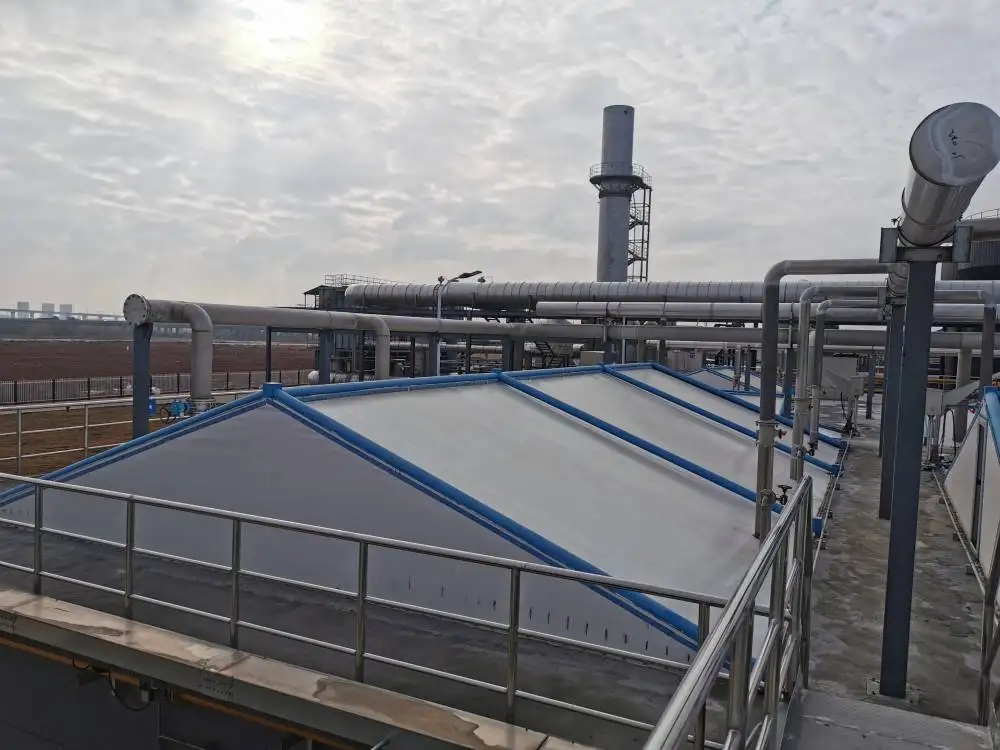
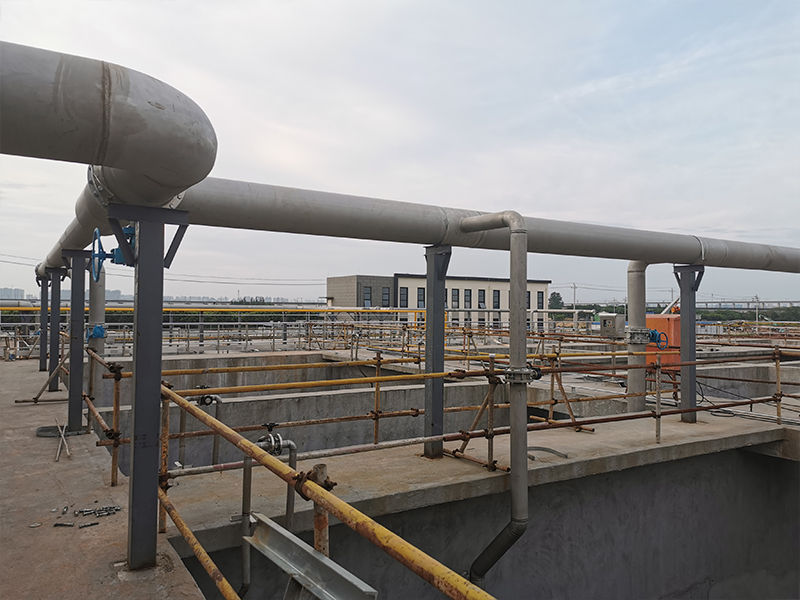
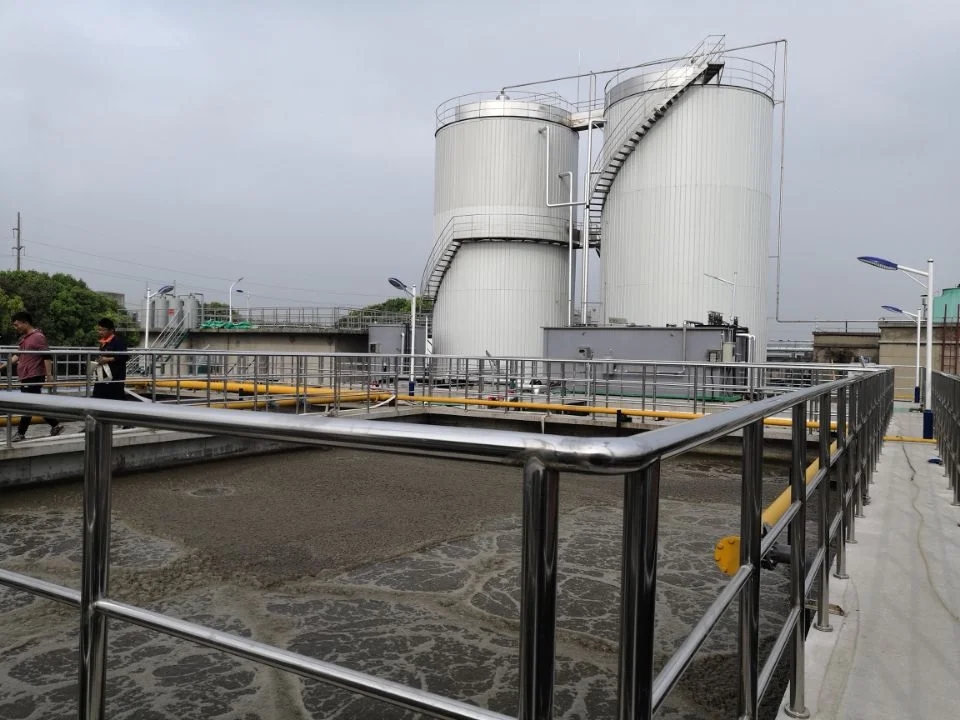
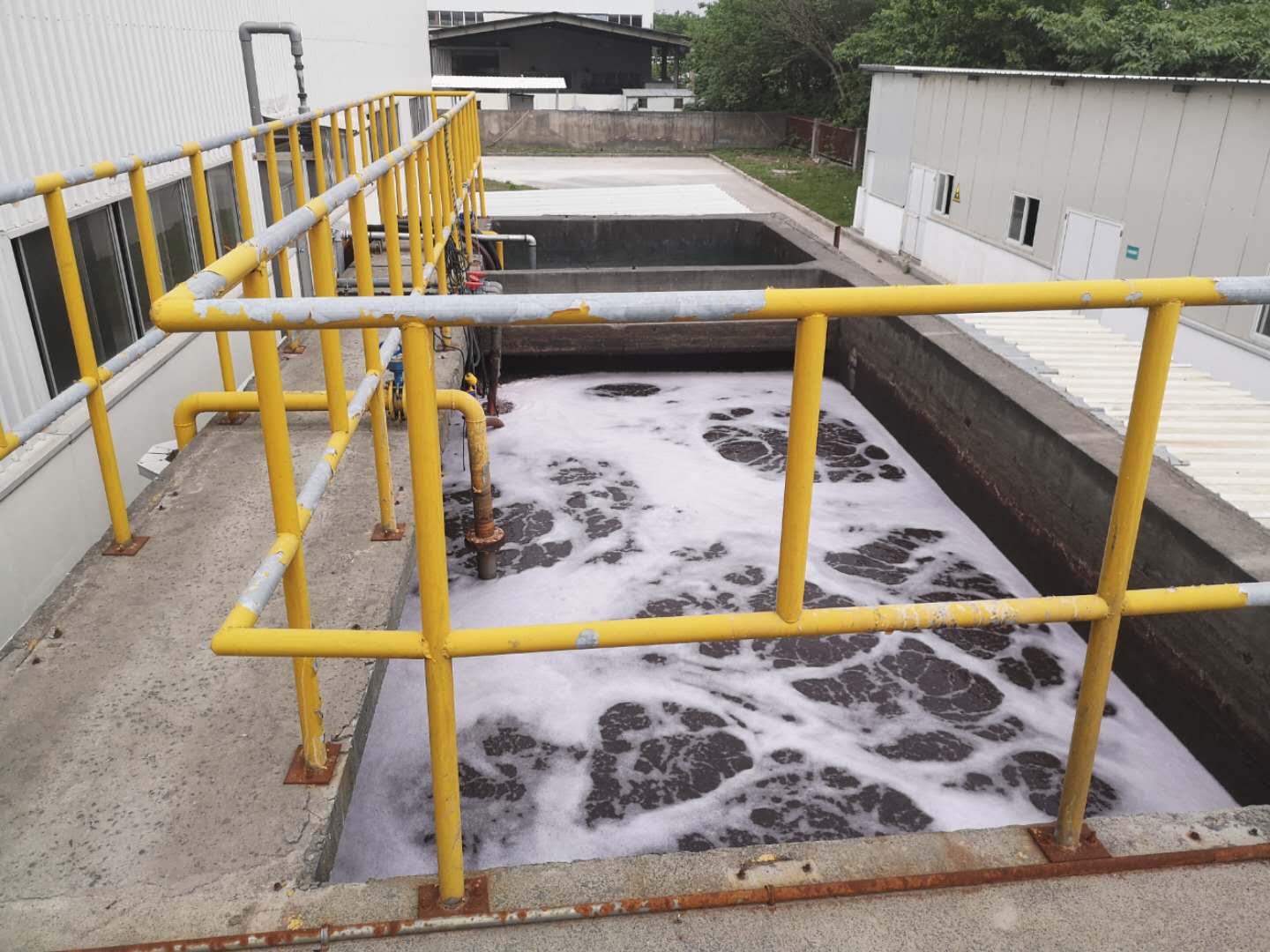
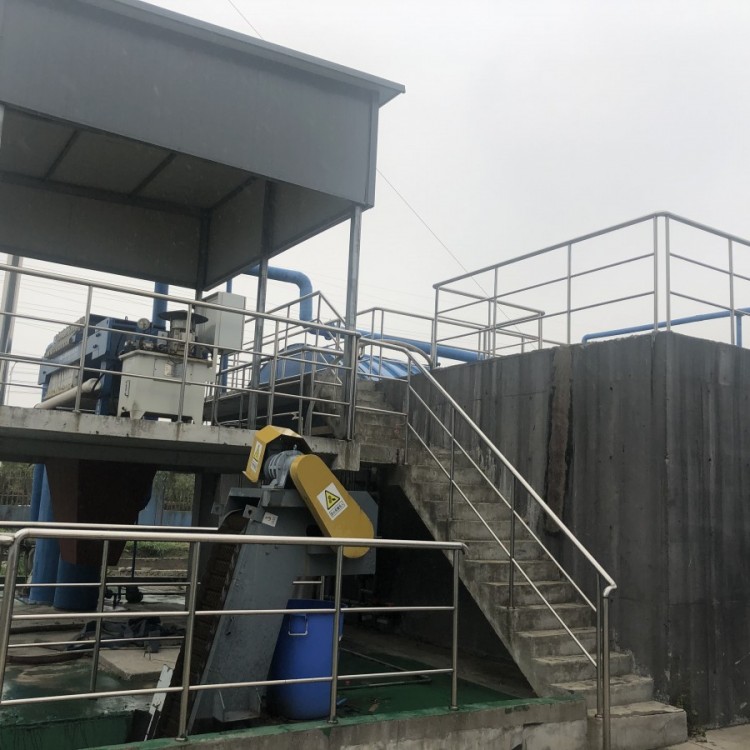
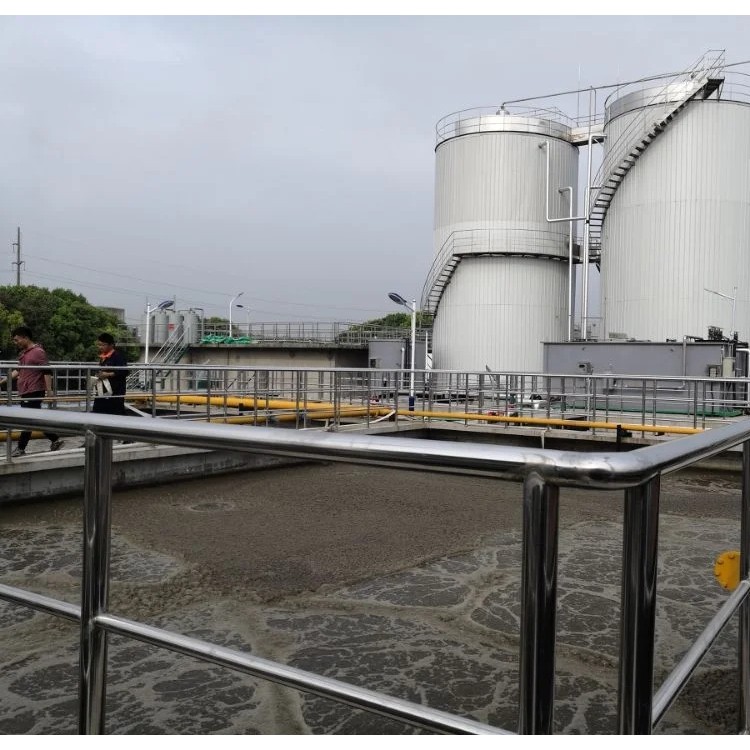
The waste water treatment plan for the printing workshop of a cardboard packaging factory mainly includes pre-treatment, adjustment, coagulation and sedimentation, flotation, biochemical treatment, advanced treatment, and disinfection, ensuring that the wastewater meets the discharge standards or can be reused.
The printing and dyeing wastewater from the paper box packaging factory workshop contains a large amount of ink, pigments, and other organic matter, with high color concentration and difficulty in treatment. Below is a detailed wastewater treatment plan:
Pre-treatment
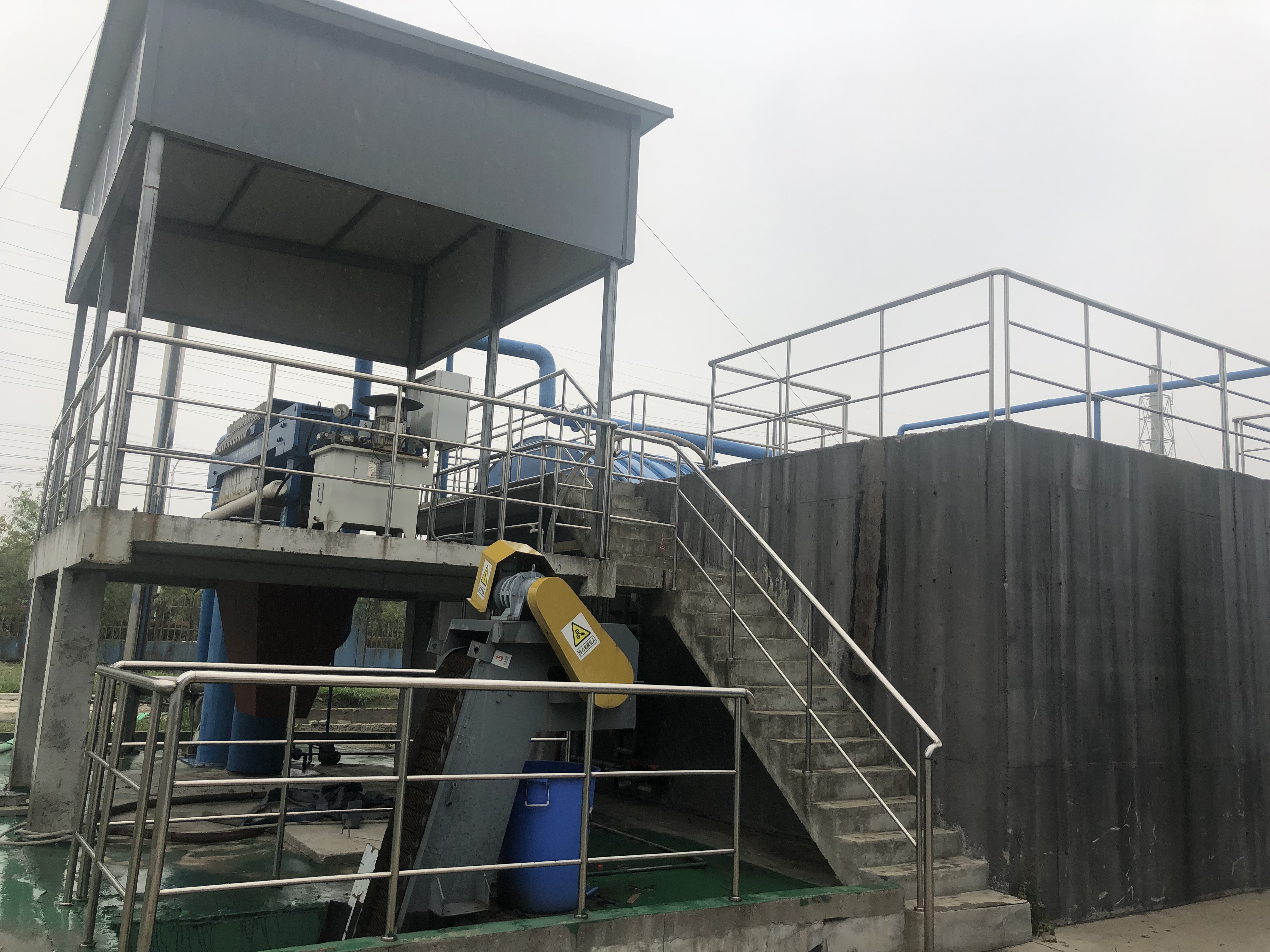
Grate Interception: Install coarse and fine gratings to intercept larger solid impurities in wastewater, such as paper fragments and ink lumps, preventing them from blocking subsequent treatment equipment.
2. Regulating Pool
Combine wastewater from various sources, subject it to homogenization and quantification adjustments, to stabilize the water quality and volume of the wastewater, providing favorable conditions for subsequent treatment.
3. Concrete Sedimentation
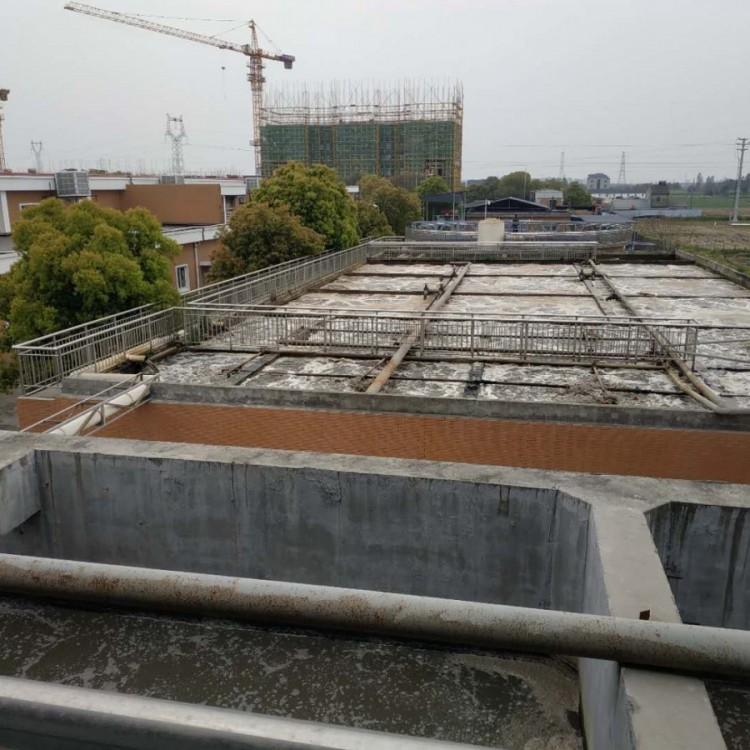
Add coagulants and flocculants to the wastewater to facilitate the aggregation and settling of ink particles, colloidal substances, etc., thereby removing suspended matter and some organic substances.
4. Air Floatation Treatment
Utilizing a floatation device, micro-bubbles are introduced into the wastewater, causing ink particles and suspended matter to adhere to the bubbles and form scum. The scum is then removed by a scraper.
5. Biochemical Treatment
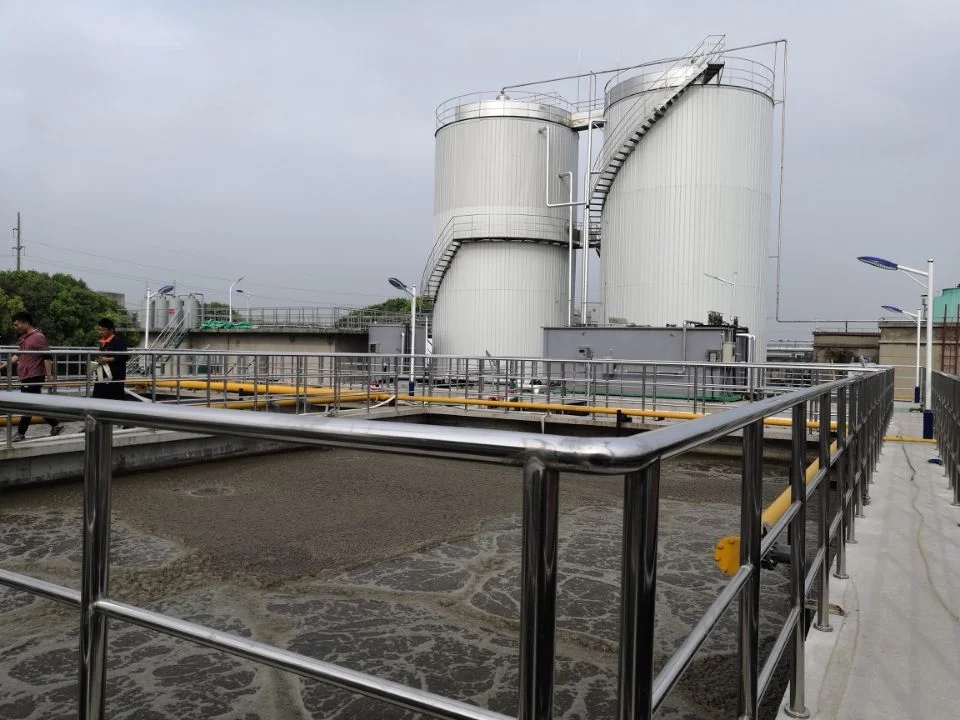
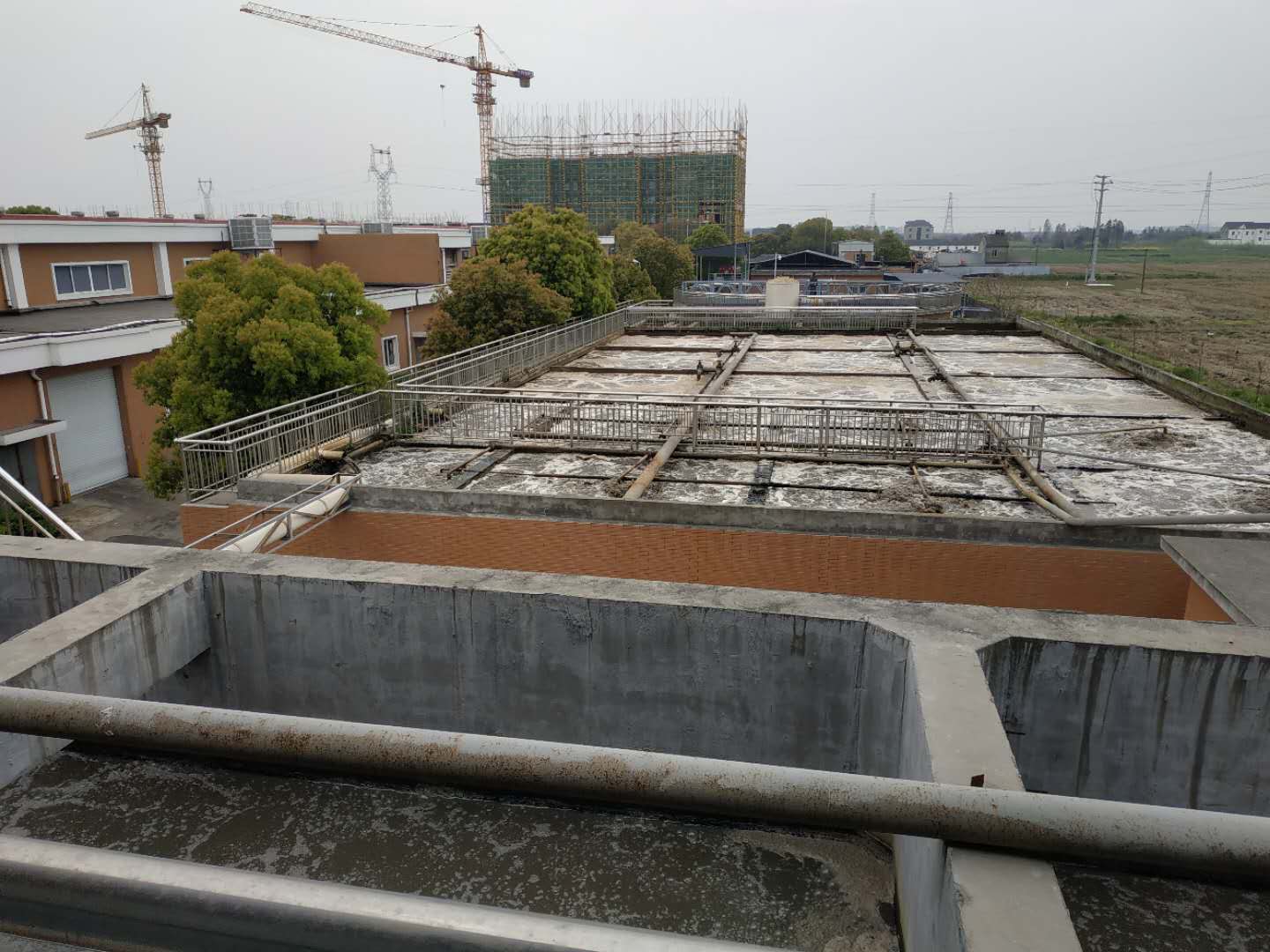
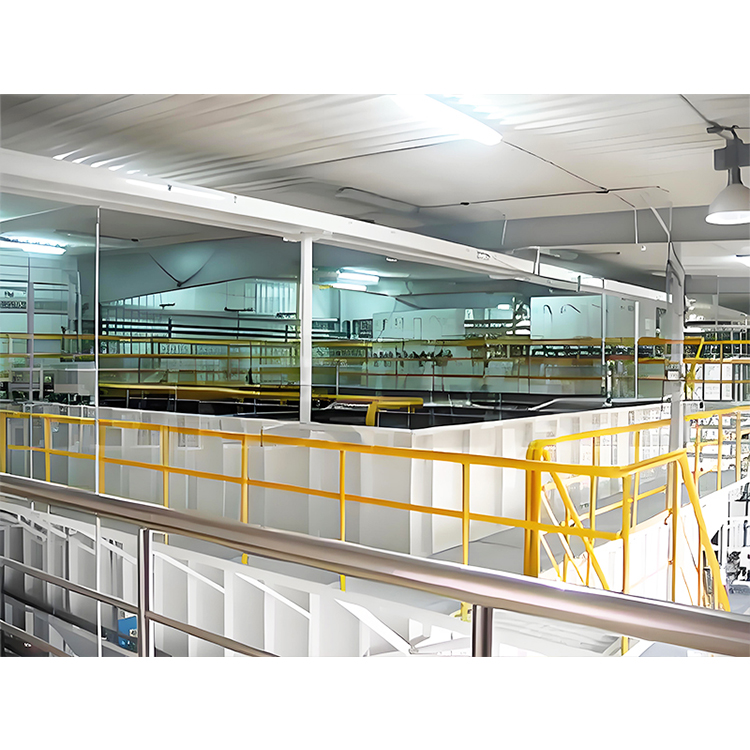
Utilizing anaerobic-aerobic (A/O) process or Sequencing Batch Reactor (SBR) and other biological treatment methods, we degrade organic matter and reduce emissions.
6. Deep Processing
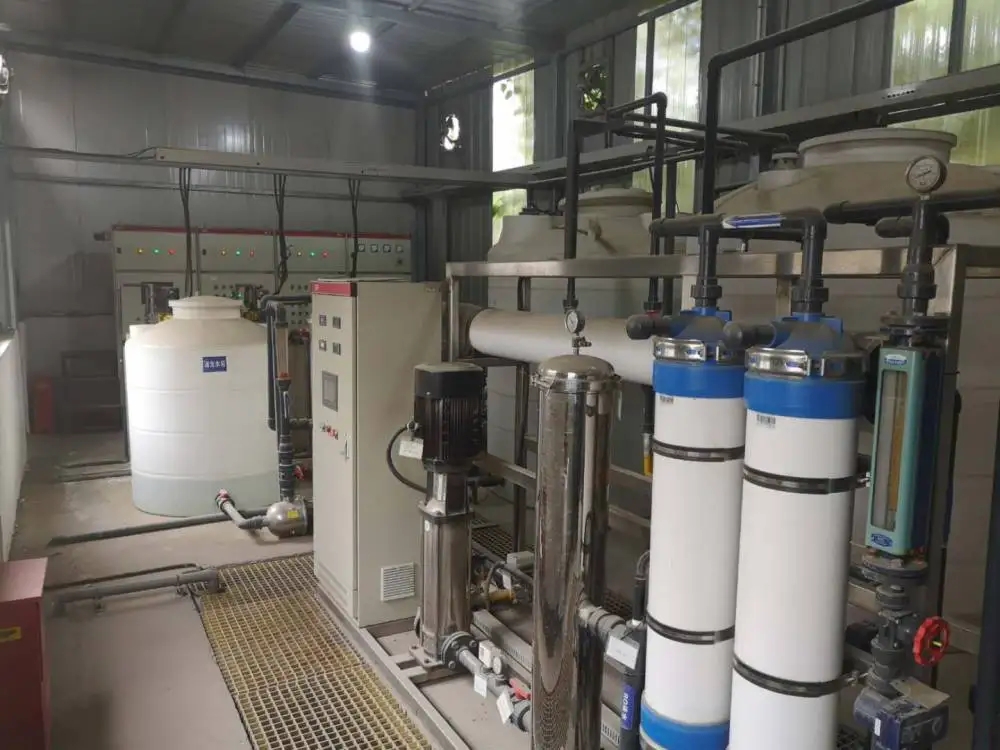
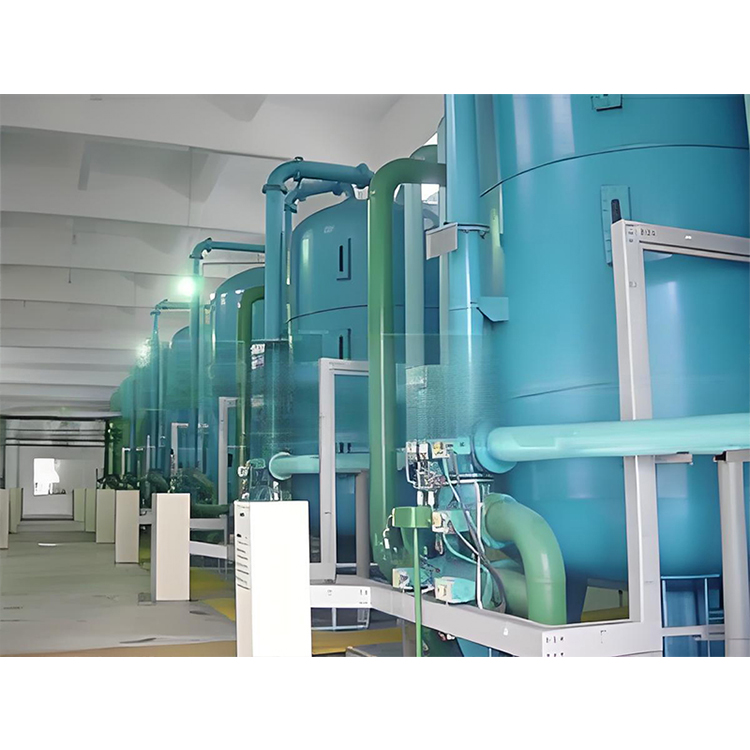
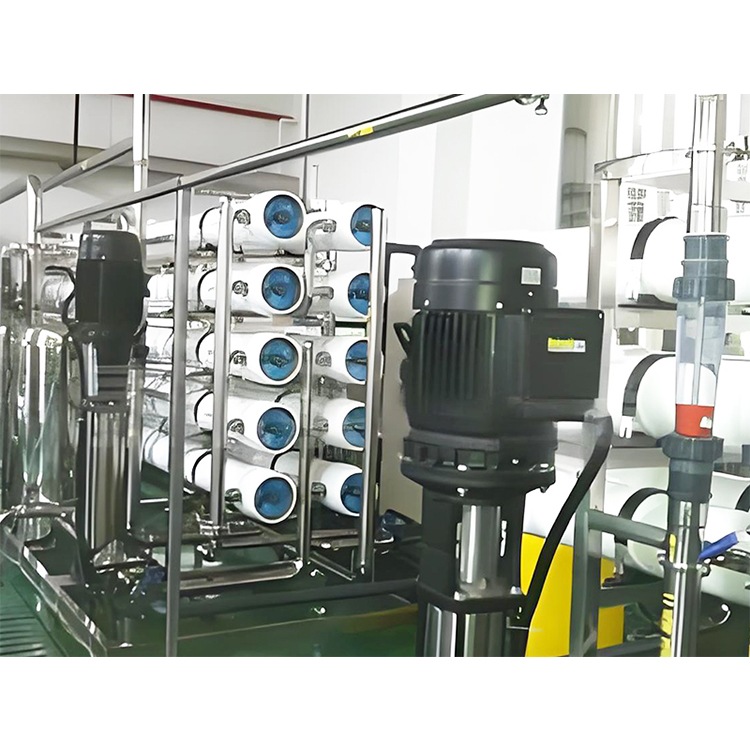
Further remove residual organic matter, color, and heavy metal ions from wastewater through methods such as sand filtration, activated carbon adsorption, and reverse osmosis membrane separation.
7. Disinfection Processing
Disinfect the treated wastewater using methods such as chlorination, ozonation, or ultraviolet light to eliminate pathogens, ensuring the effluent quality meets discharge standards.
8.Wastewater Treatment Effectiveness Assessment
Water Quality Indices: Evaluate the effluent treatment effectiveness through testing indicators such as COD, BOD, SS (suspended solids), color, and pH value.
Emission Standards: Ensure that the treated wastewater quality meets the national or local relevant emission standards.
Economic Benefits: Evaluate the operational costs, maintenance expenses, and economic benefits derived from the recycling of water resources in the wastewater treatment system.