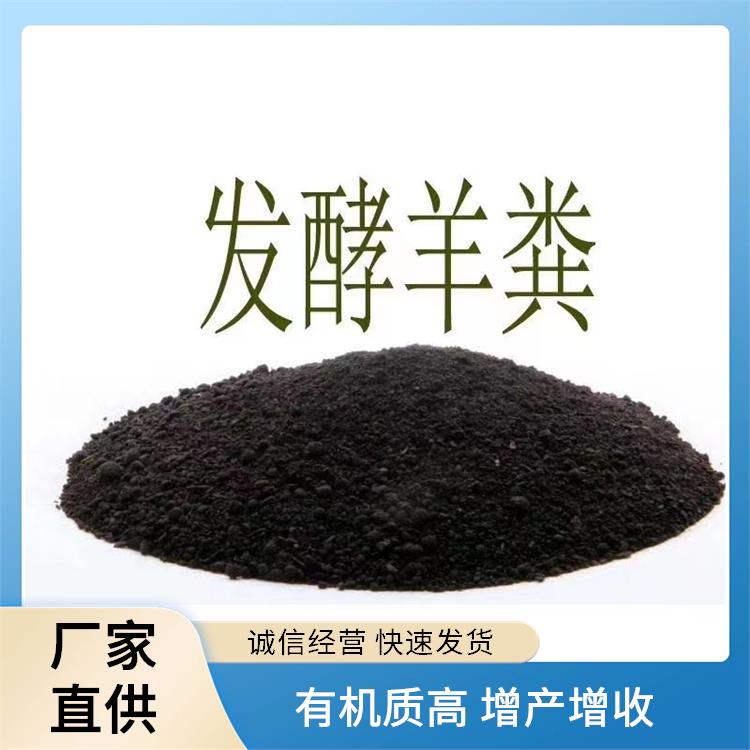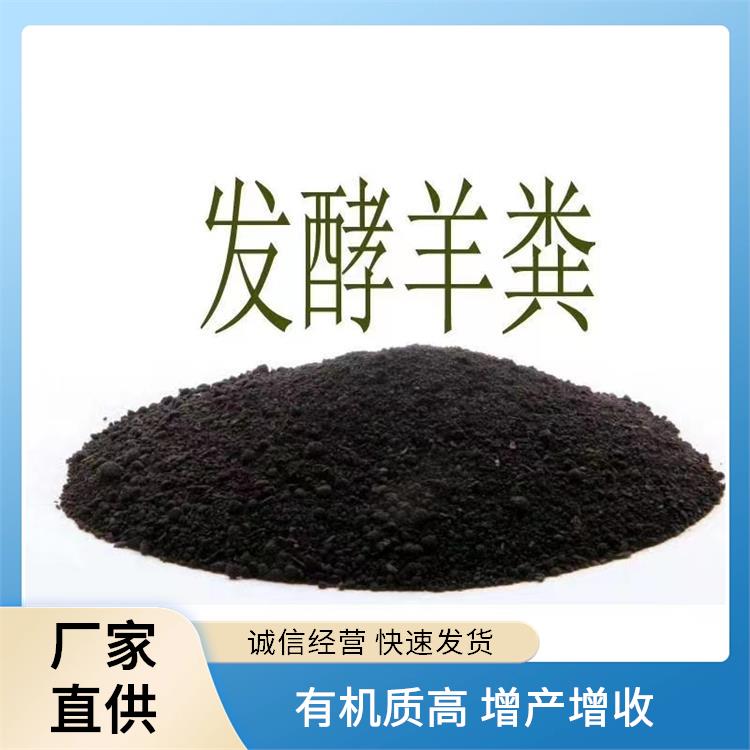
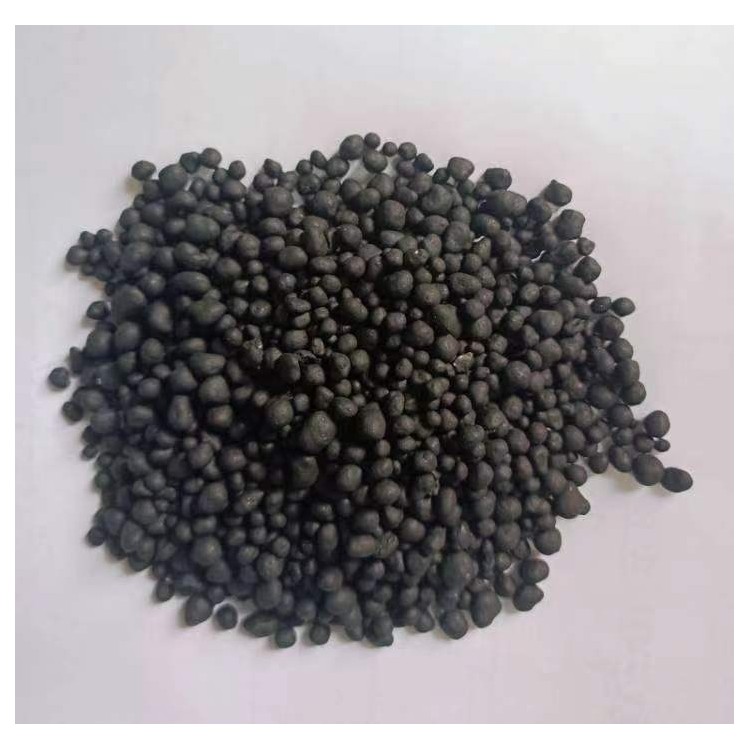
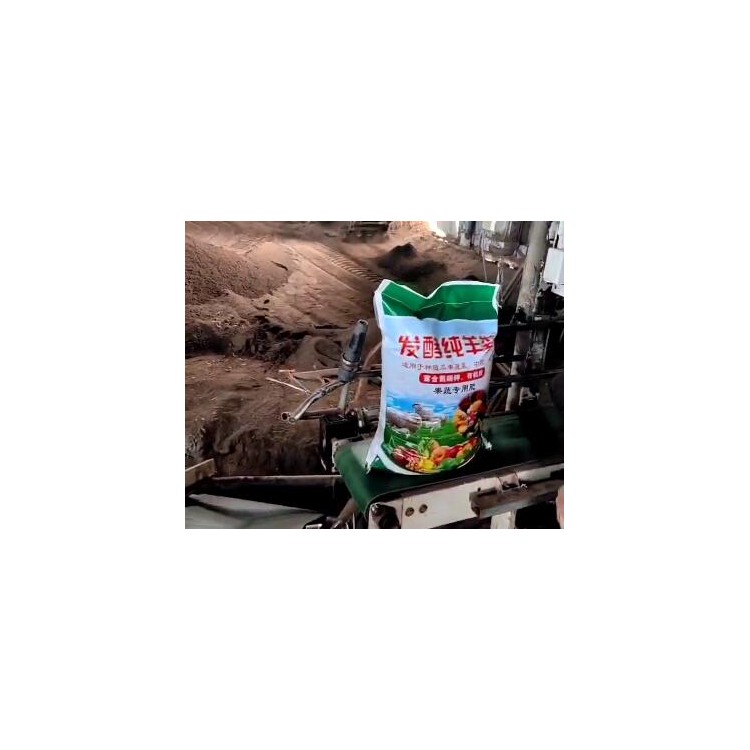







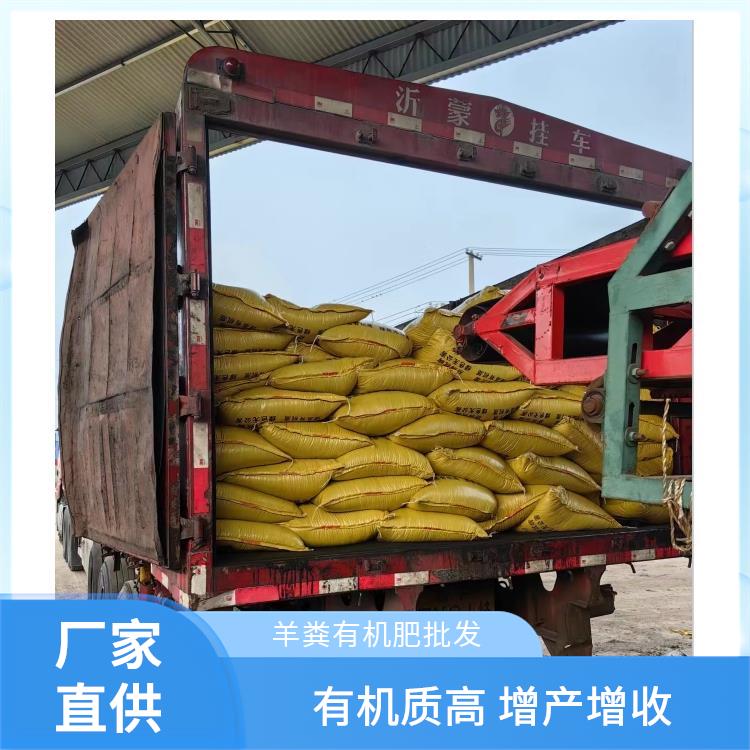
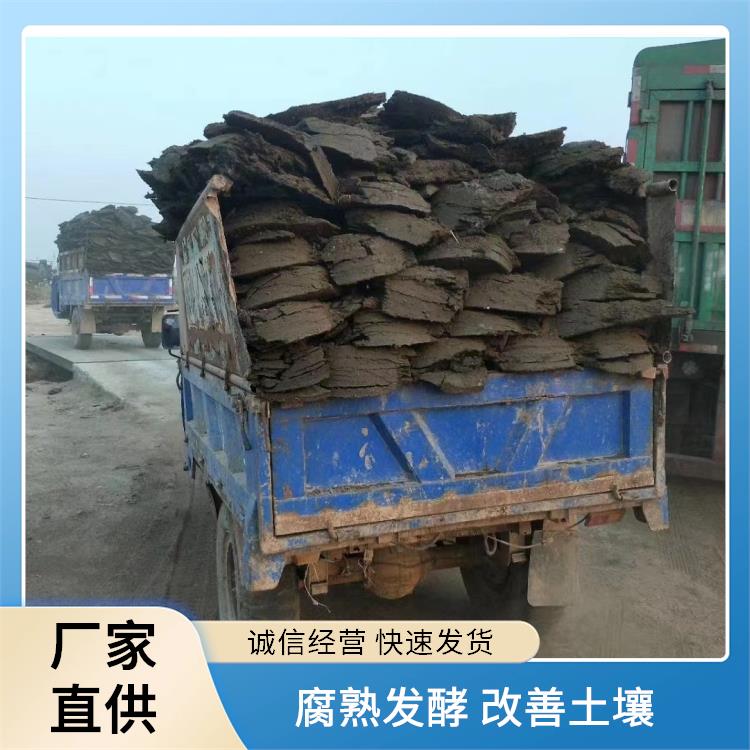
Compared to other fertilizers, sheep manure organic fertilizer offers a more complete nutrient profile and is safer to use; it enhances soil fertility, making it looser and more fertile. After the sheep manure organic fertilizer promotes the proliferation of soil microorganisms, these can utilize organic matter in the soil to produce secondary metabolic products, which contain a large amount of growth-promoting substances, thereby promoting crop growth and increasing yields.
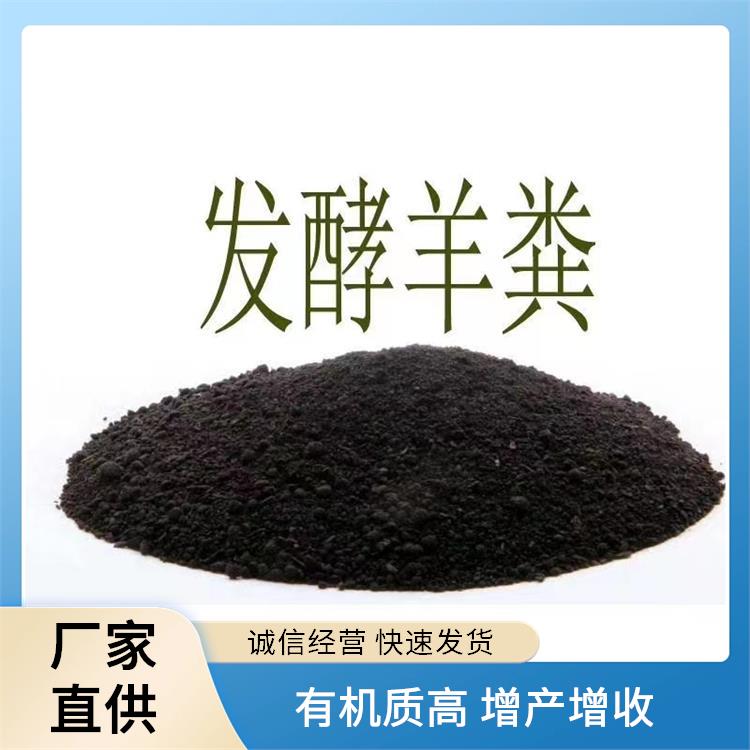
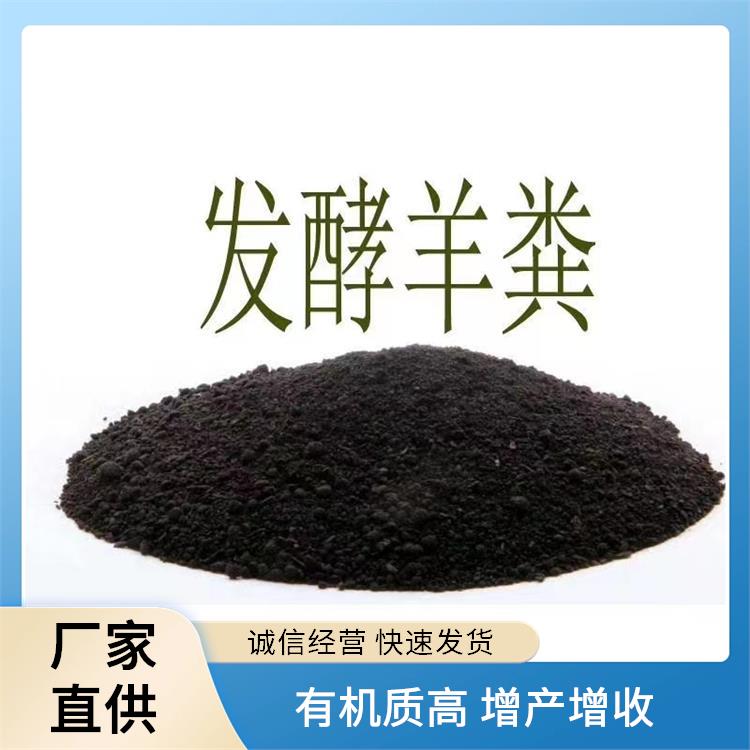
When selecting sheep manure fertilizer for flower cultivation, always opt for well-composted fertilizer; never use raw manure. Raw manure refers to uncomposted or incompletely composted material. If raw sheep manure is placed in the soil, the soil bacteria will ferment it and release heat, which can burn and kill the roots of the plants. This issue doesn't occur with well-composted sheep manure. Since sheep manure has an odor, so does the composting process, so most households purchase pre-composted sheep manure for fermentation.
If only sheep manure is added to the soil without any other fertilizers, the ratio of soil to sheep manure is typically 9:1 to 10:1. If other fertilizers are to be added to the soil in addition to sheep manure, the proportion of sheep manure should be reduced appropriately to avoid excessive fertilizer concentration. Mix and stir the soil with the sheep manure thoroughly before use.
Sheep manure organic fertilizer can be used as a base fertilizer, which means spreading it evenly on the soil surface before sowing or transplanting, and then burying it deeply in the soil with a rake or plow. This provides ample nutrients for the crops, promotes root growth, and enhances yield and quality.