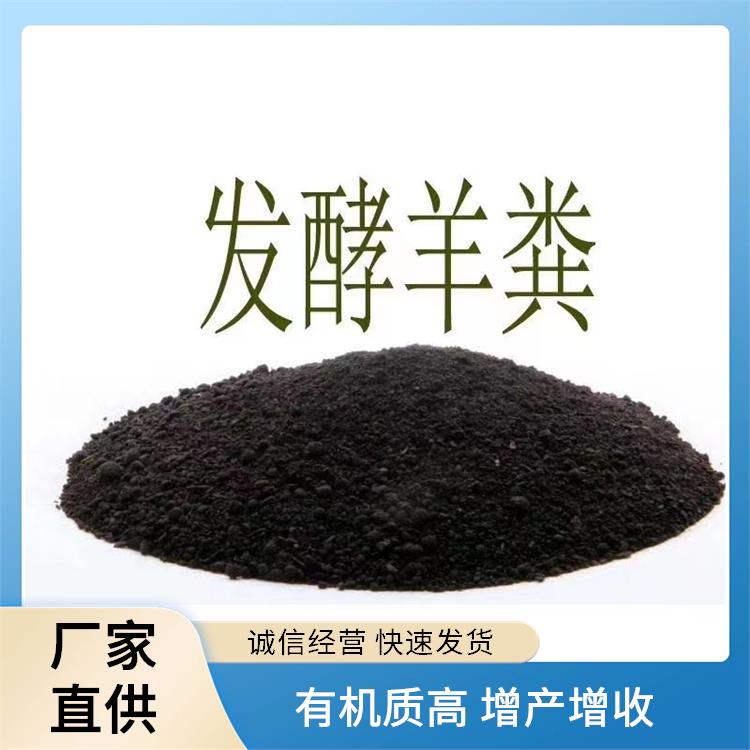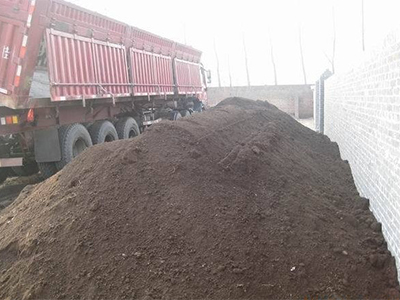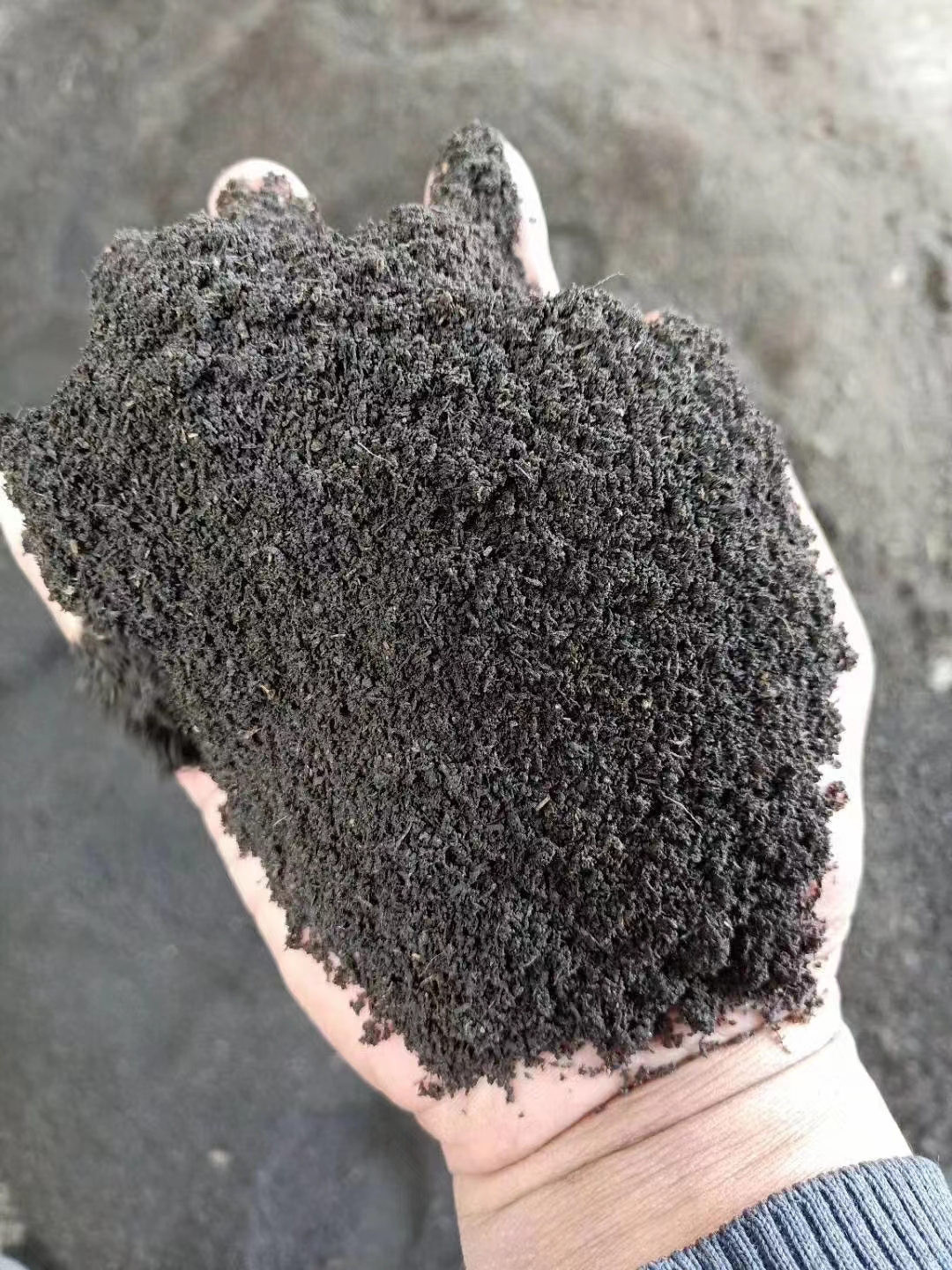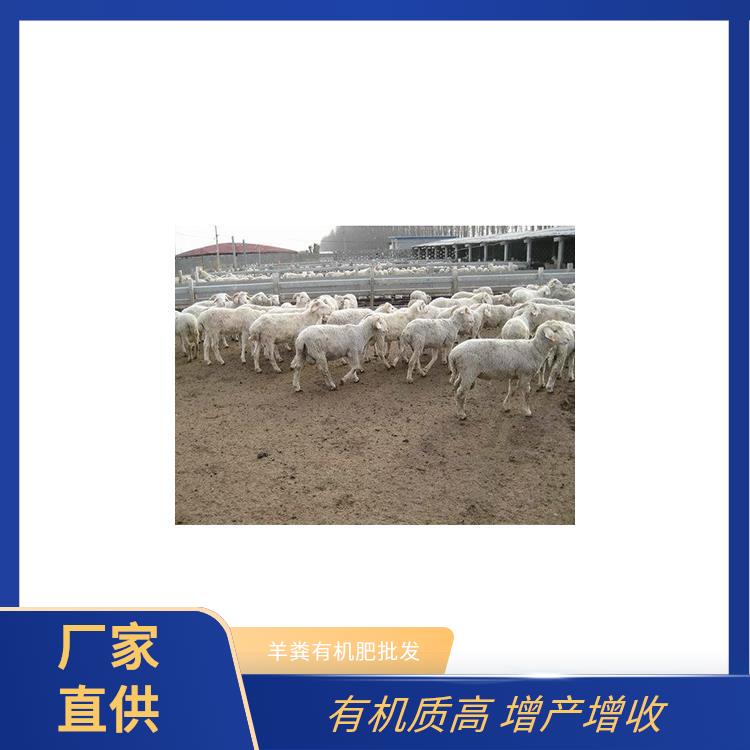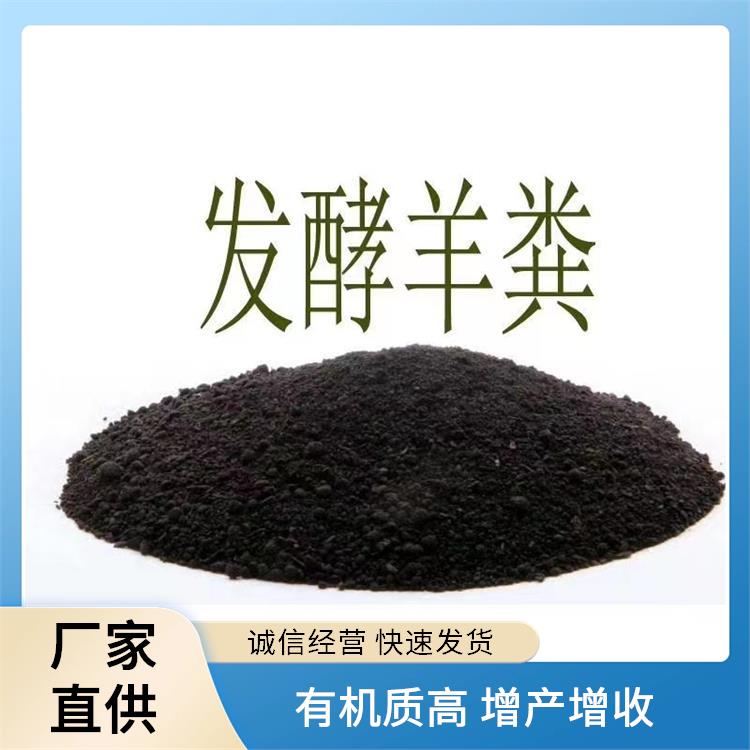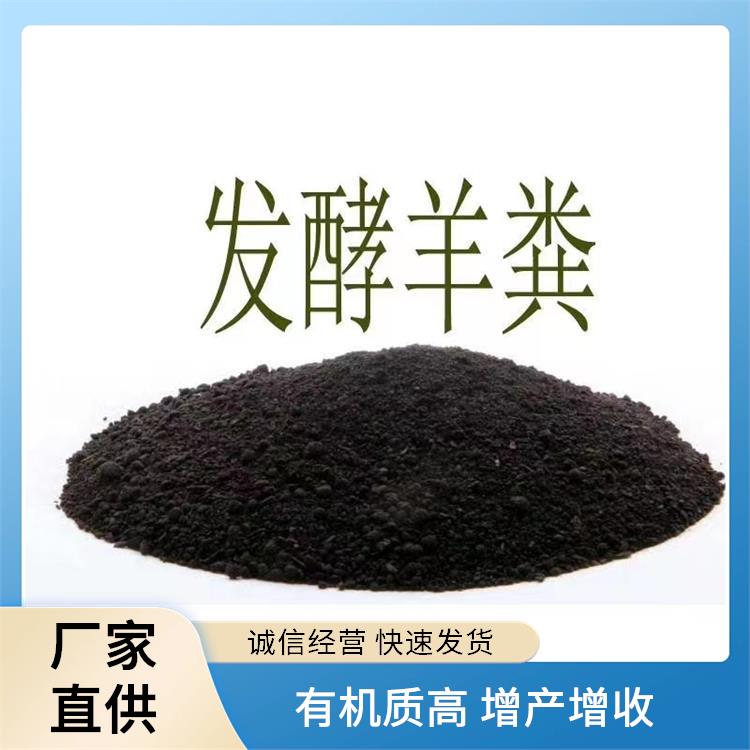

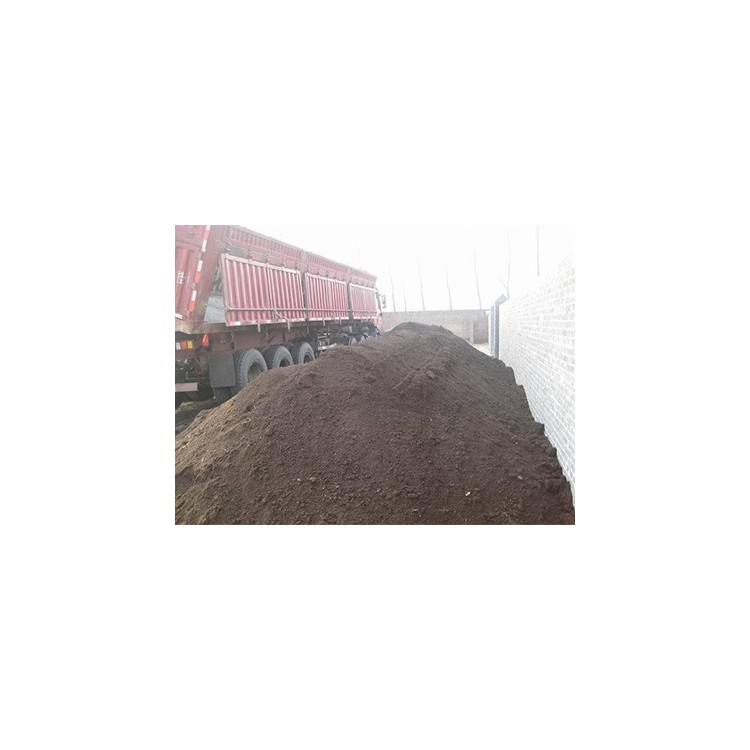
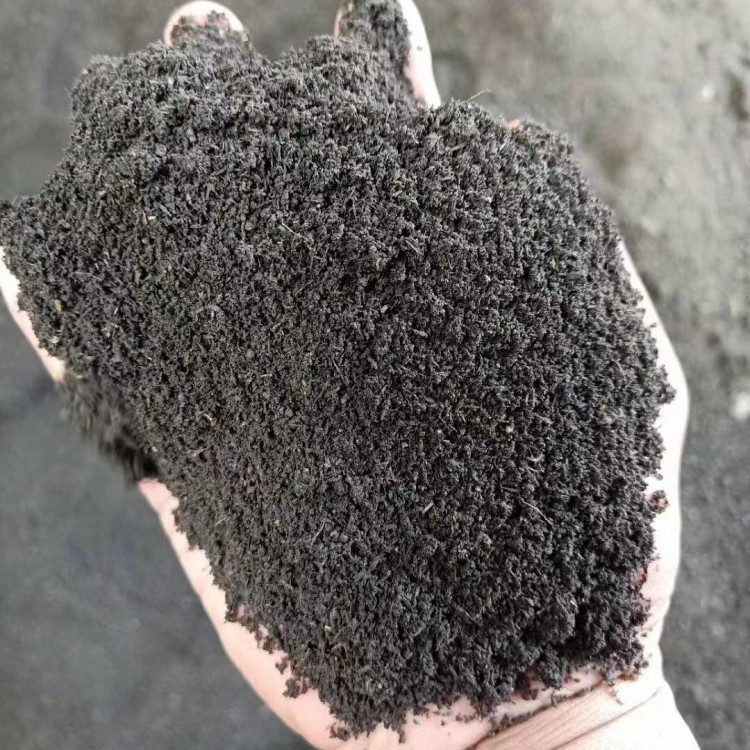


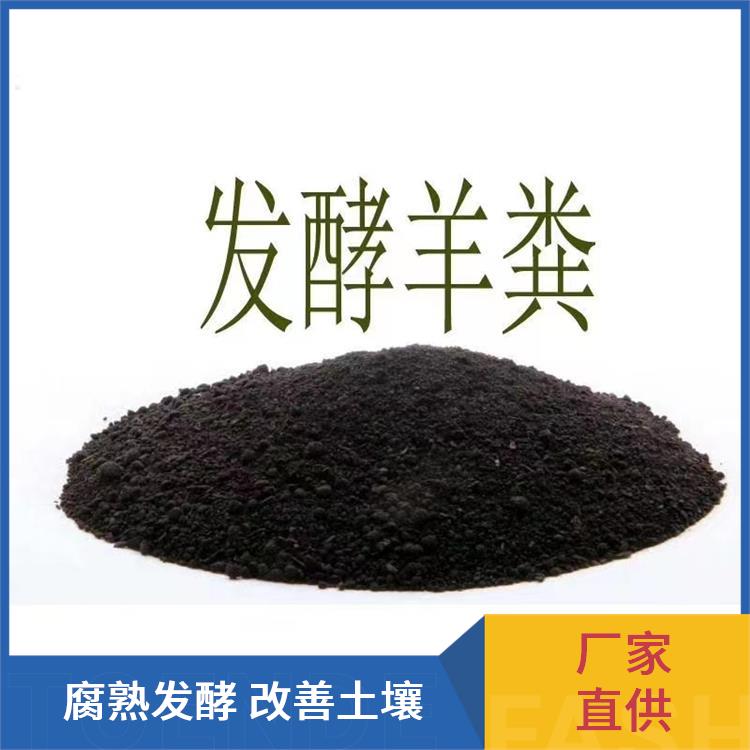

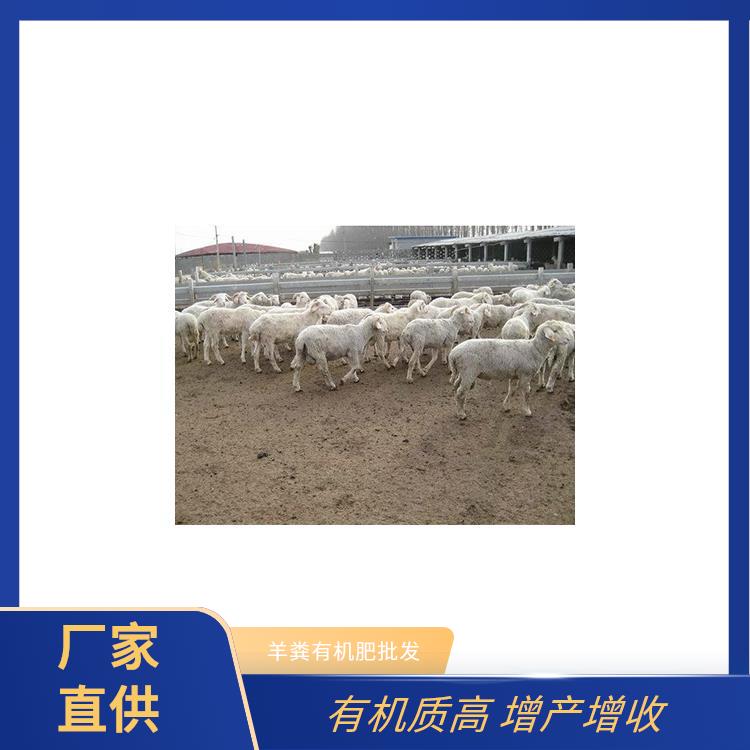





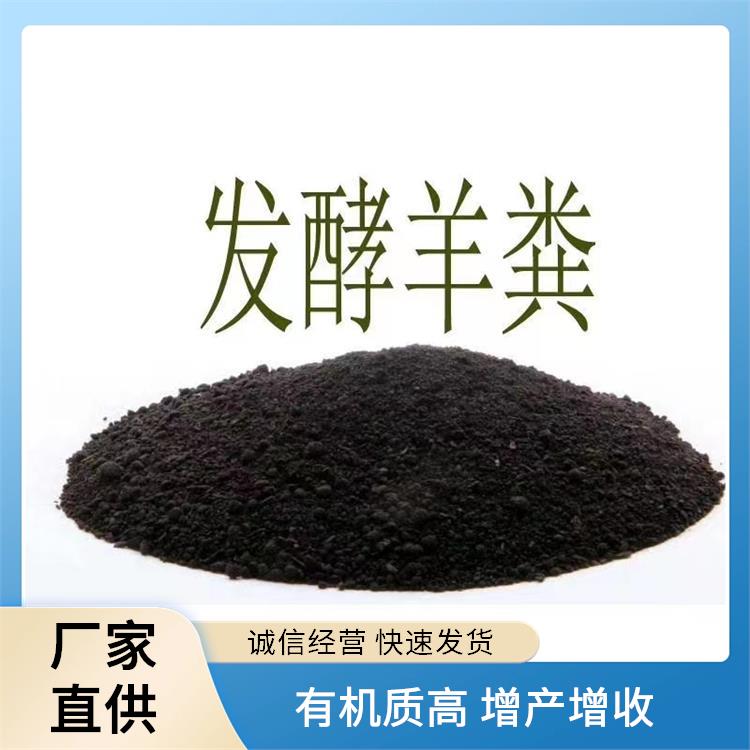


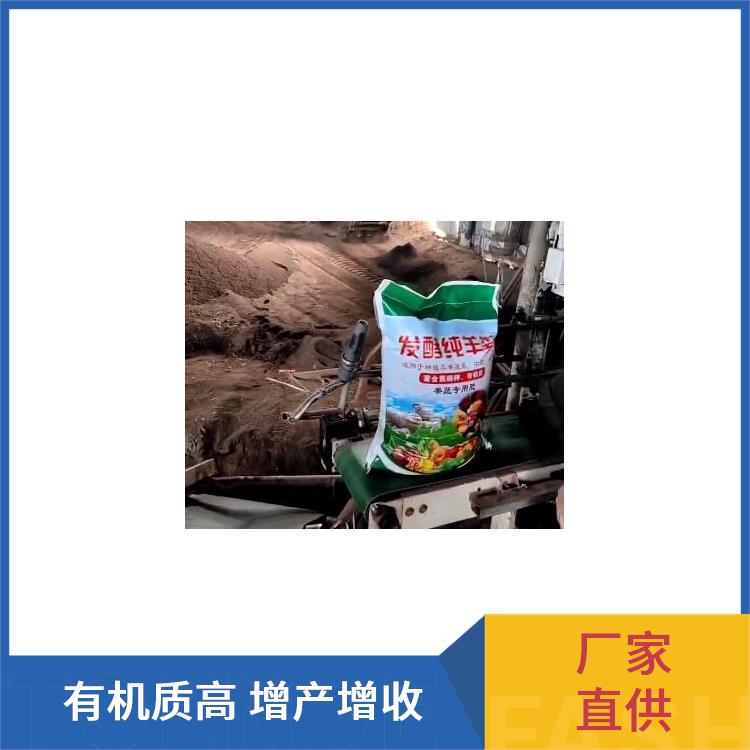
Manure fertilizer is a new type of fertilizer processed from undigested materials of sheep, suitable for improving the soil quality on alkaline and barren lands, and effective in increasing crop yields.
Be cautious not to overuse sheep manure fertilizer; for pots with a 15cm diameter, approximately 15-20 grams of fertilizer should suffice. For common houseplants like Pothos, Peace Lily, and Dracaena, apply fertilizer once every 2-3 months. For particularly fertilization-loving plants like rose, hibiscus, and clematis, fertilize every 1-2 months.
Before sowing in autumn or spring, spread the sheep manure evenly over the soil surface, then till it into the ground to a depth of 15-20 cm. For fruit trees, vegetables, and other crops, dig trenches or holes around the plants, add the sheep manure, and then cover with soil.
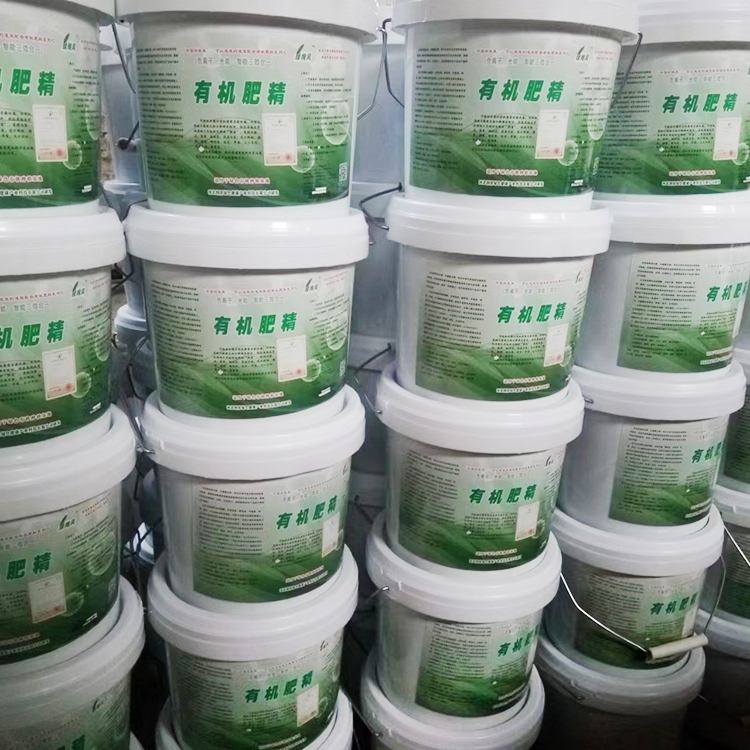
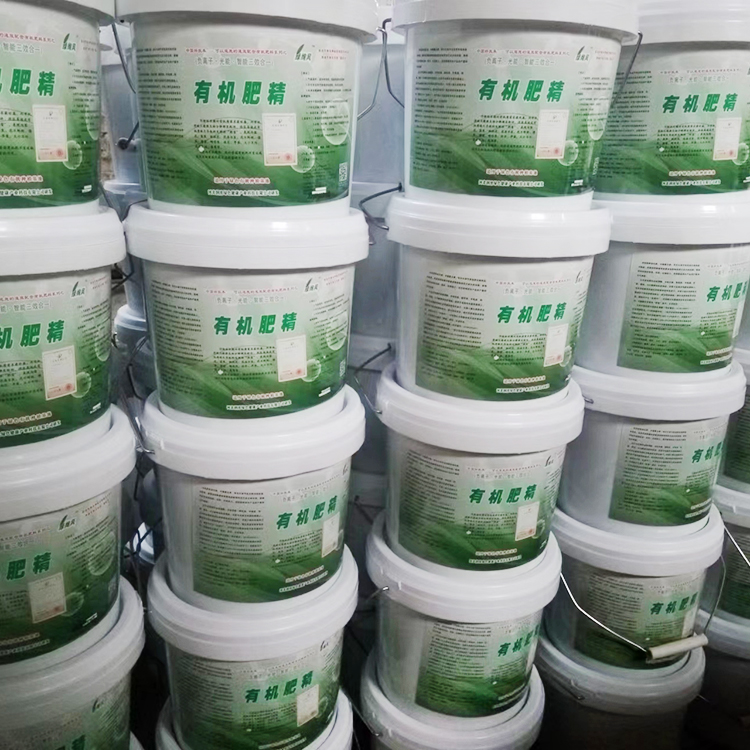
Composted sheep manure, though rich in nutrients, does not meet all the crop's requirements. Therefore, while using sheep manure, it's advisable to supplement with other fertilizers like organic fertilizers, tailored to the crop's needs. However, be cautious to avoid mixing with other fertilizers to prevent chemical reactions that could reduce effectiveness.
Choosing the timing for fertilization is crucial. Generally, it's best to apply sheep manure before spring planting and after autumn harvest. It's also appropriate to fertilize during the plant growing season, but avoid over-fertilization. Additionally, be mindful not to fertilize during rain or extreme heat to prevent reducing the effectiveness of the fertilizer.
Sheep manure is a type of fertilizer that is rich in nitrogen, phosphorus, and other nutrients and trace elements, significantly enhancing soil fertility and promoting crop growth.