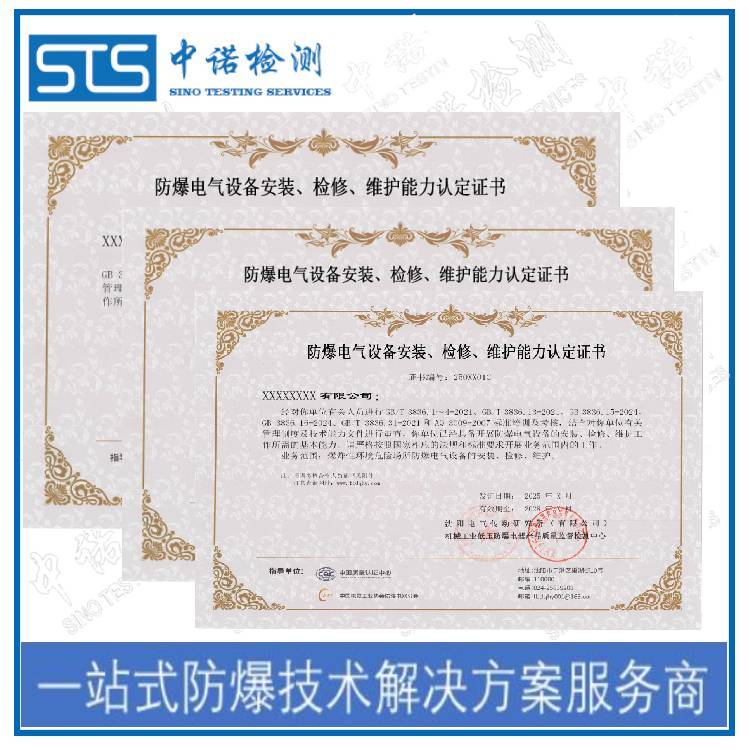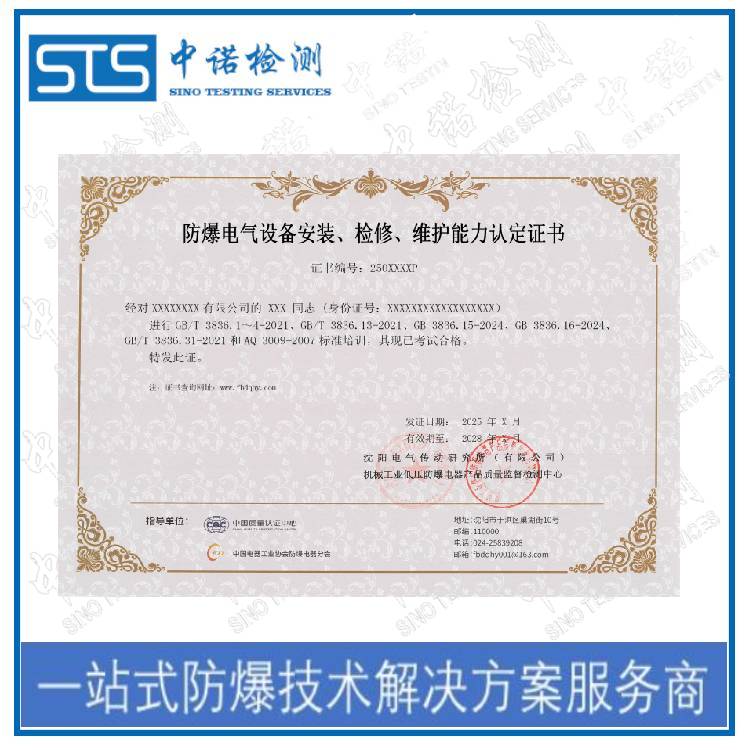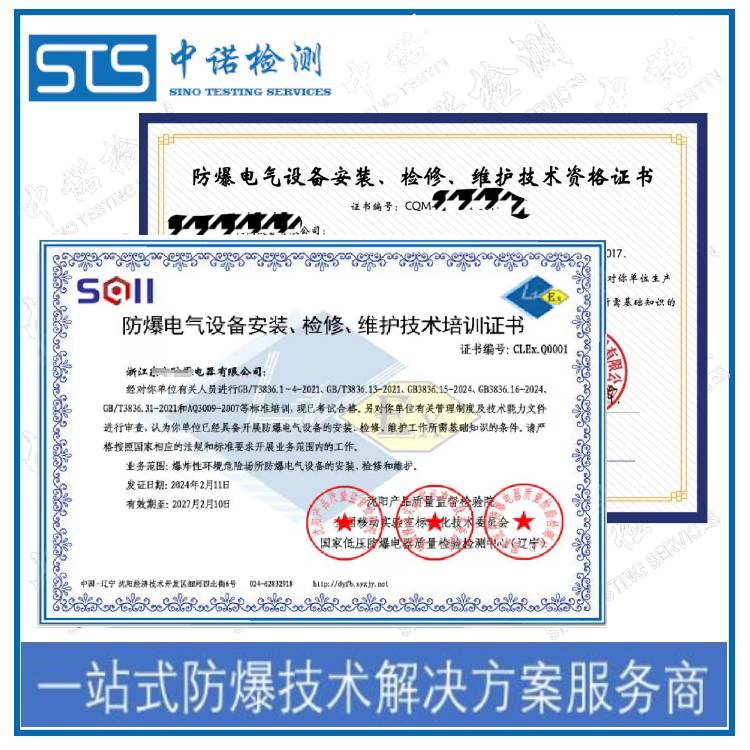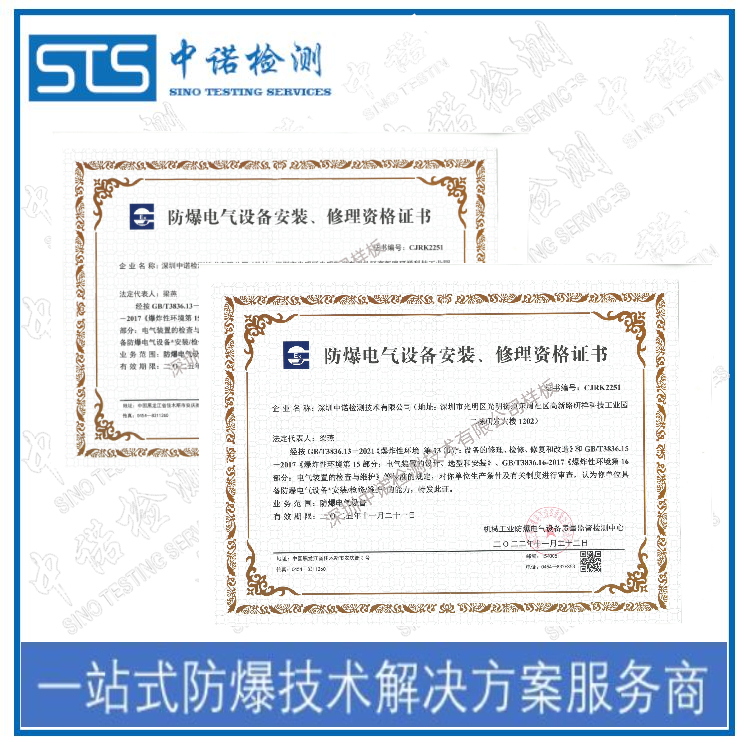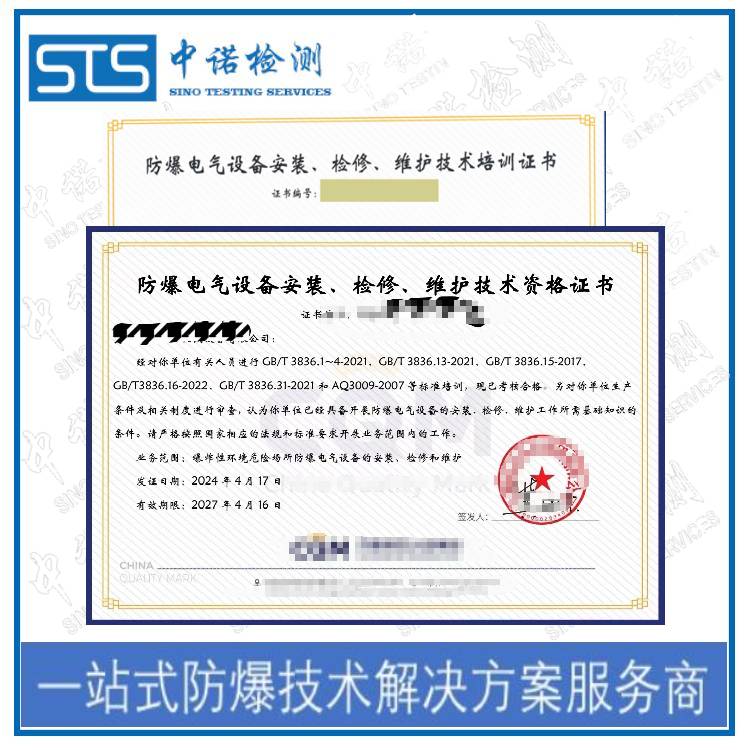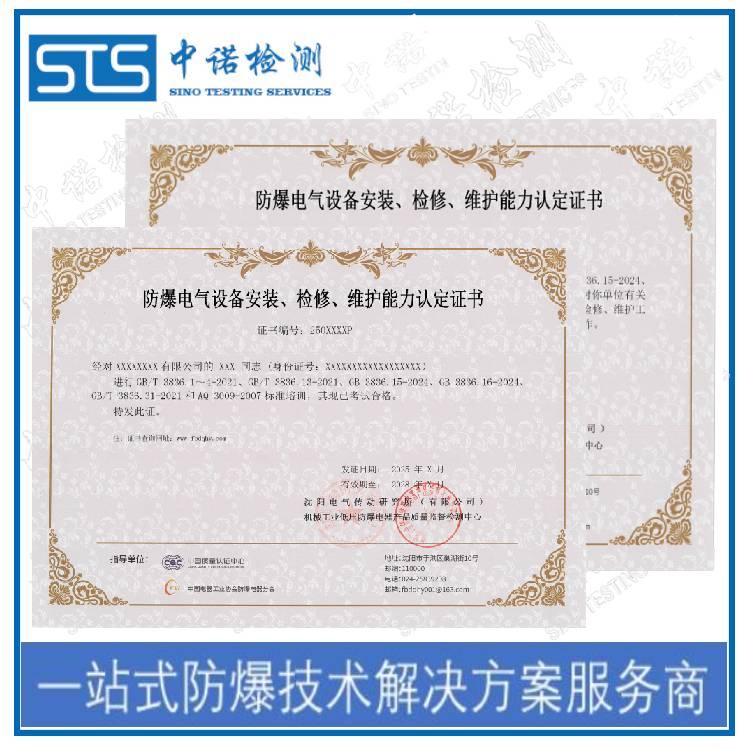
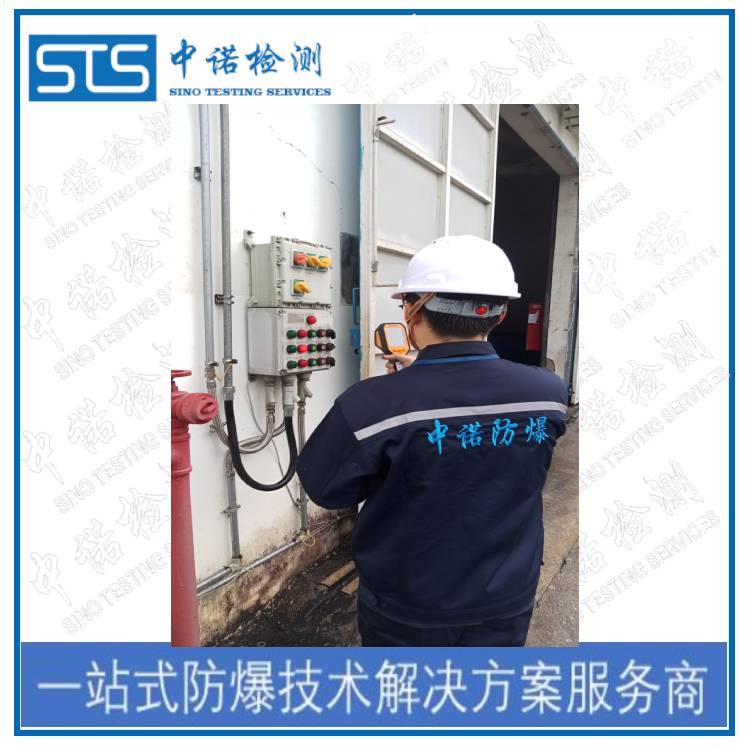
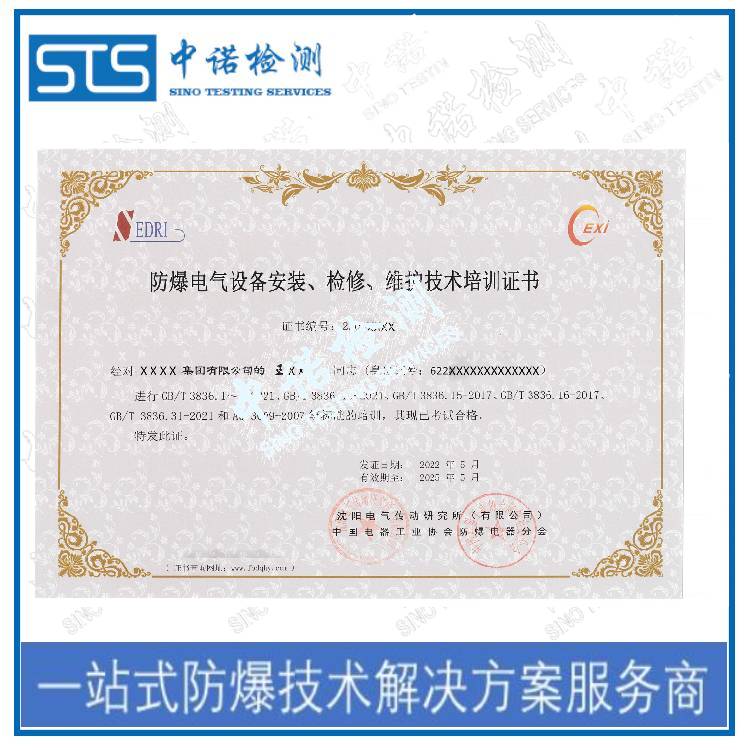
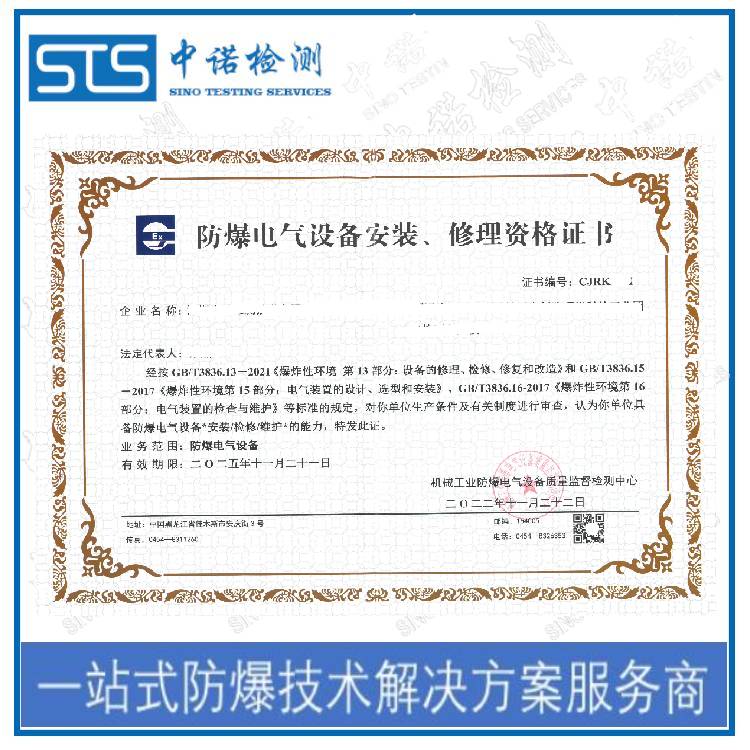
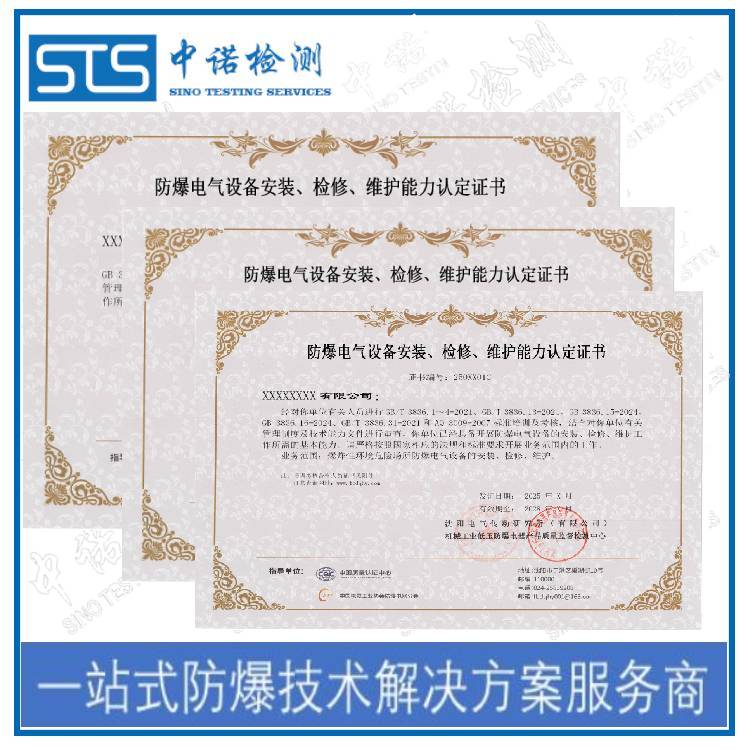





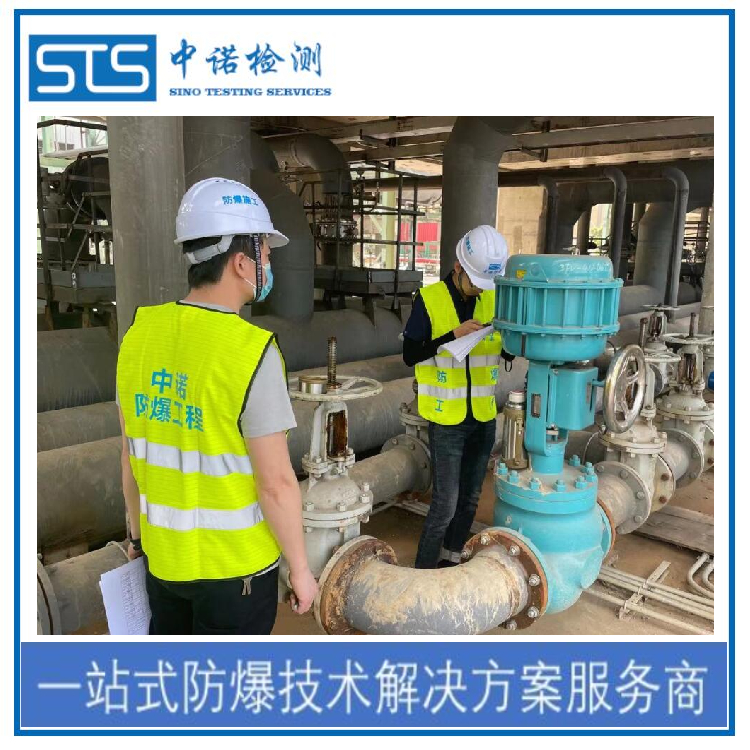
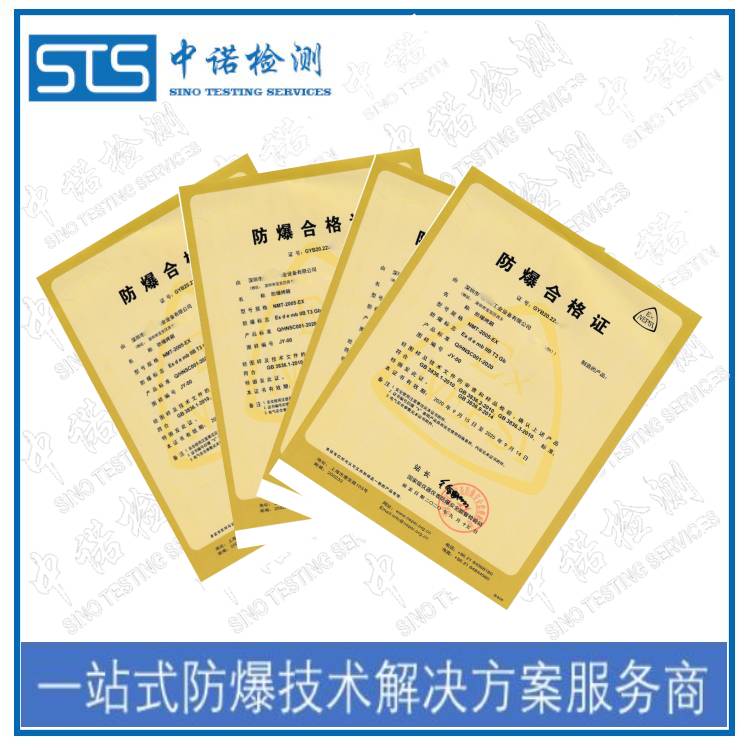
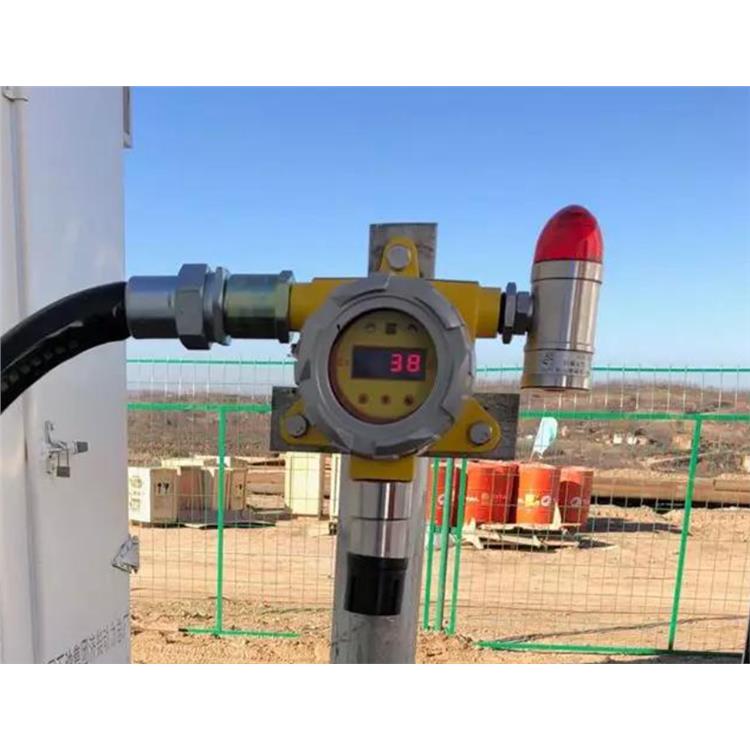
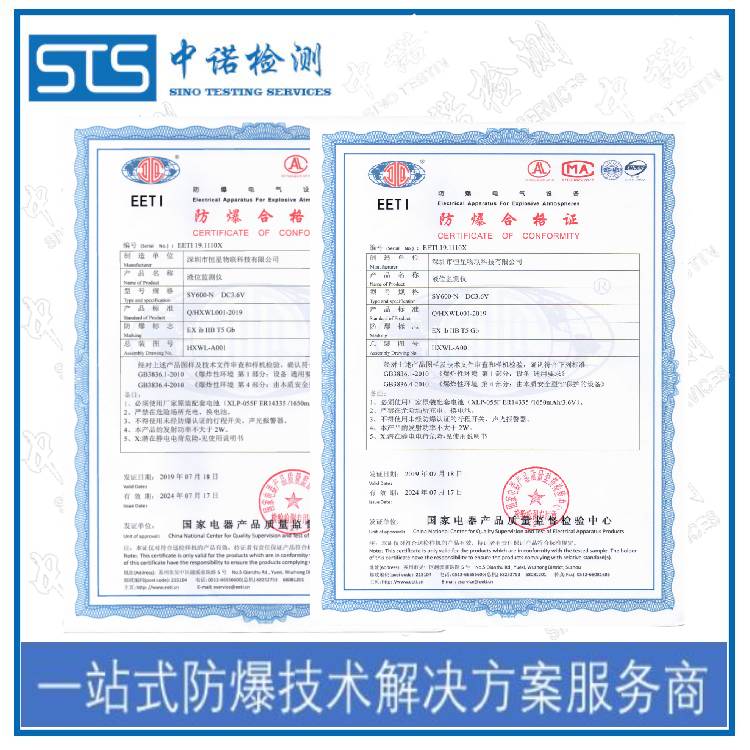
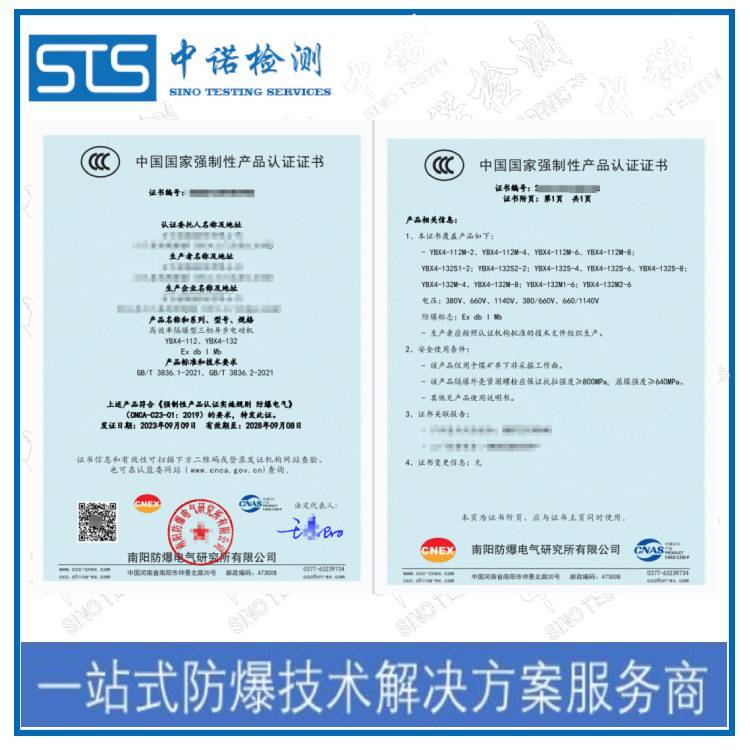
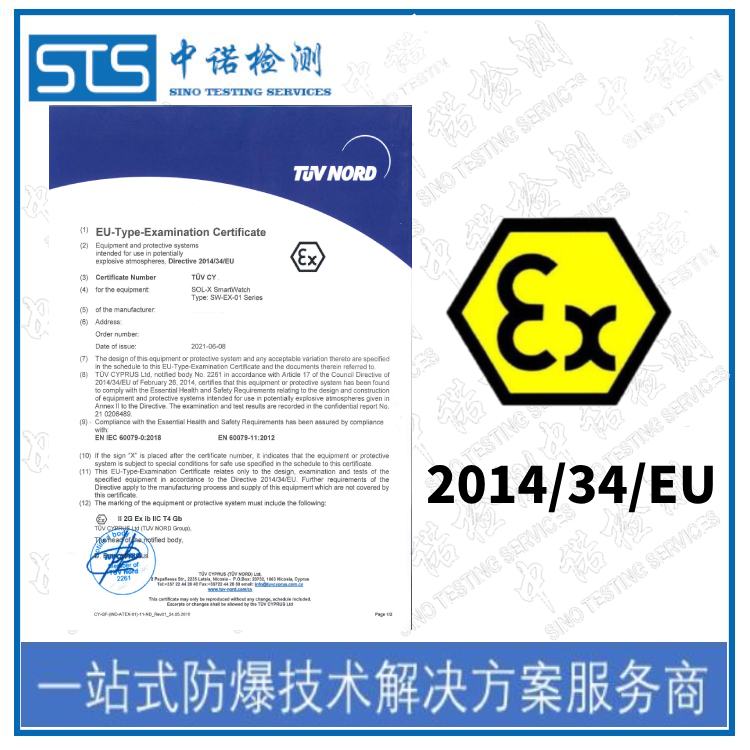
Shenzhen ZhongNuo Testing Technology Co., Ltd. offers on-site explosion-proof electrical inspection, explosion-proof project acceptance services, and can provide explosion-proof rectification and construction services for items that fail inspection.
Shenzhen Zhongnuo Inspection Technology Co., Ltd. summarizes the experience from previous explosion-proof electrical inspections, the main items and contents of AQ3009 explosion-proof electrical inspection:
In accordance with Section 7 of AQ3009-2007 "Safety Code for Electrical Explosion Protection in Hazardous Areas" (effective as of January 1, 2008): Electrical equipment used in hazardous areas shall undergo initial and periodic inspections. Inspections must be conducted by a qualified explosion-proof inspection agency, with intervals generally not exceeding 3 years. Enterprises should take corrective actions promptly based on the inspection results and file the Report and the status of the corrections with the安全生产监督管理 department.
The "AQ 3009-2007 Electrical Safety and Explosion-Proof Standards for Hazardous Areas" serves as a Chinese industry standard. The preface of the standard explicitly states that Chapters 4, 5, 6, and 7 are mandatory and must be strictly enforced. Therefore, similar safety regulations also constitute part of the legal and regulatory framework and must be strictly enforced!
Shenzhen ZhongNuo Testing Technology Co., Ltd. summarizes the experience from previous explosion-proof electrical inspections and compiles the following common non-conforming items observed during on-site explosion-proof checks for your reference.
Common phenomena include:
1. Corrosion and damage to explosion-proof enclosures. The protective外壳 of explosion-proof electrical equipment is damaged due to corrosion from the surrounding medium, leading to rust穿孔, structural degradation, and loss of original strength, rendering the explosion-proof electrical equipment ineffective in preventing explosions.
2. Explosion-proof protective casing subjected to electrochemical corrosion and damage. In cases of electrical leakage or potential drift, the metallic casing becomes electrified, and when the electrified metal comes into contact with the air medium, it acts like a battery, causing corrosion of the metallic casing. This results in the appliance losing its explosion-proof capabilities.
3. External force and mechanical impact damage. Damage to the protective casing caused by collisions with other equipment or mechanical substances on the work site, as well as casing damage due to excessive force during installation.
4. Shell damage due to over-temperature, caused by cold shrinkage and deformation of the protective shell material structure in cold regions due to climate adaptation issues, leading to shell cracking and subsequent damage to the protective shell.
5. Damage caused by improper installation. Damage, loss, and failure of protective functions resulting from the non-compliance with installation requirements during the installation of explosion-proof electrical equipment.
6. Inadequate sealing, including the improper handling of sealing materials during installation and maintenance, loose sealing surfaces, damaged sealing components, unsuitable or missing fasteners for securing the seal, etc., result in a lack of or insufficient explosion-proof performance.
7. Explosion-proof electrical equipment issues include: inadequate material for the explosion-proof housing, unreasonable structural design leading to insufficient load-bearing capacity; internal wiring is prone to loosening, and an irrational circuit layout can cause sparking or overheating; unreasonable mechanical structure components, excessive equipment temperature, and internal water accumulation may cause failures in explosion-proof electrical equipment.
8. Due to actual changes in hazardous areas caused by the alteration of production facilities, the electrical equipment in the area has not been timely upgraded to explosion-proof equipment.
9. Incorrect selection of explosion-proof electrical equipment; intrinsic safety electrical equipment used with non-intrinsic safety voltage, and increased safety enclosures used for line equipment that generates light, heat, etc.
As an end-user of explosion-proof electrical equipment, it is necessary to conduct regular explosion-proof inspections, even in explosive hazardous areas where explosion-proof electrical equipment is installed and used. This is both a requirement of various departments and a high level of concern for personnel and property safety.
The AQ3009 "Electrical Explosion-Proof Safety Code for Hazardous Places" stipulates that regular inspections of hazardous places should be entrusted to safety production inspection agencies with explosion-proof qualifications, with intervals generally not exceeding 3 years. We offer on-site explosion-proof inspection consulting services covering electrical explosion-proof safety, static electricity prevention, dust explosion hazard areas, flammable gas safety equipment and device inspections. We are responsible for explosion-proof equipment design and selection, maintenance and repair of in-service explosion-proof equipment, on-site explosion-proof safety inspections in explosive gas environments and flammable dust environments, and ensure safe production for enterprises producing hazardous chemicals and places with explosion hazards.
Materials Required for On-Site Explosion-Proof Inspection Application
1. Area of explosion-proof site
2. Explosive Hazard Area Division Diagram
3. Names of explosive hazardous substances within the relevant danger zones and their Material Safety Data Sheets (MSDS)
4. Explosion-proof electrical products list, including installation area and tag number information
5. Copies of explosion-proof electrical products' explosion-proof certification
6. Instructions on special usage conditions for explosion-proof electrical equipment
7. Descriptive Technical Documentation for Intrinsically Safe Systems
8. Installation quality-related documents
On-site Explosion-Proof Electrical Equipment Regular Inspection Consulting Service - Shenzhen Zhongnuo Inspection Technology Co., Ltd.
WeChat Official Account

Scan to follow Official Account