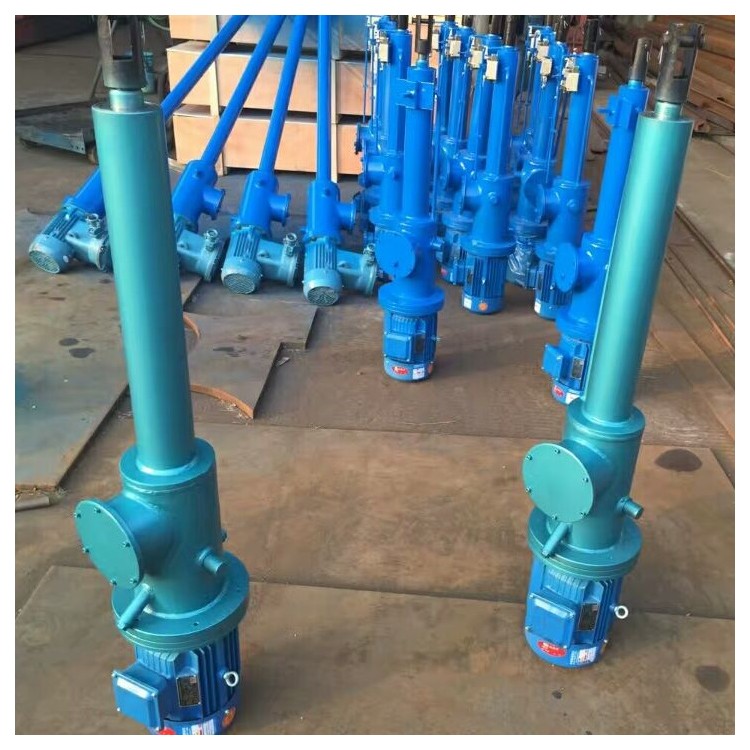


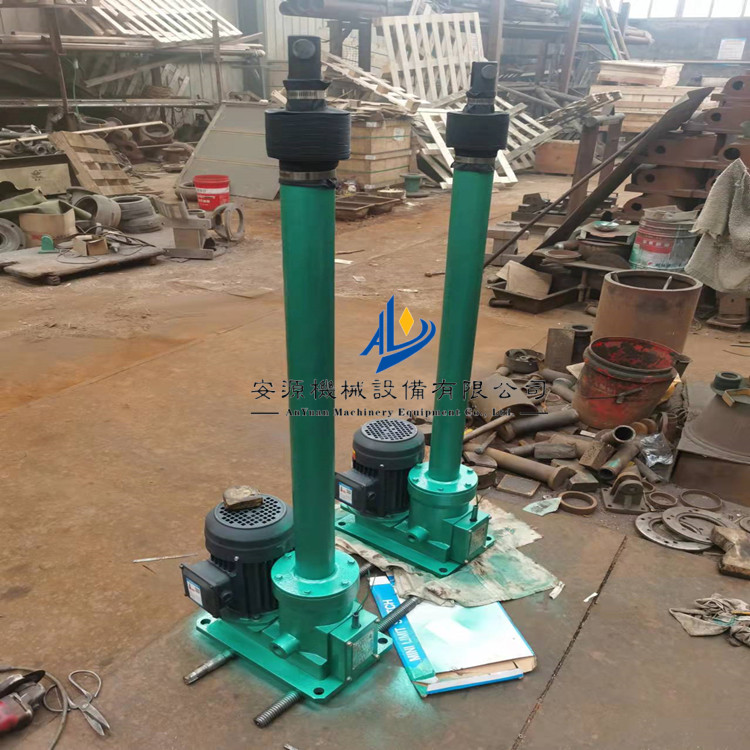
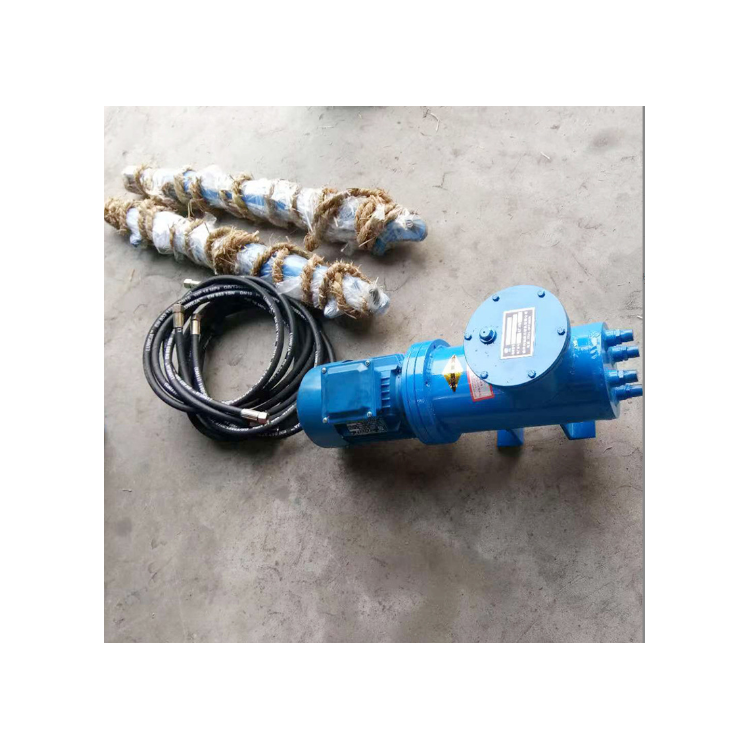







Hydraulic Cylinder DYTZ-700-280-110 Electro-hydraulic Push Rod, Manual Pull Rod
SelectDYTP Type Parallel Hydraulic Push Rod - What You Need to Know:
1. The motor voltage ratings listed above are 380V, with a protection rating of IP44. Origin GradeB Grade (Available in 660/1140V or 415V as per customer requirements, with protection ratings of IP54, IP55, IP65, or high-temperature resistance up to 120℃)
2. The motor model and power listed in the table refer to the power of the rod at its rated output force and speed. The motor power is proportional to the thrust and pull force.
3. The rated speed in the table is the normal speed; if there is a sliding speed requirement. Please specify at the time of order; if it exceeds the manufacturing range listed in the table. Please specify at the time of ordering.
4. If not Please ensure the altitude at the location of use for the electro-hydraulic push rod does not exceed:1000m, average relative humidity not exceeding 90% per month, operating environmental temperature for electro-hydraulic push rods: -5°C to +50°C, working medium varies with environmental temperature and selects the appropriate hydraulic oil (-5°C to +20°C: use 32# anti-wear hydraulic oil (L-HM32); +20°C to +50°C: use 46# anti-wear hydraulic oil (L-HM46)).
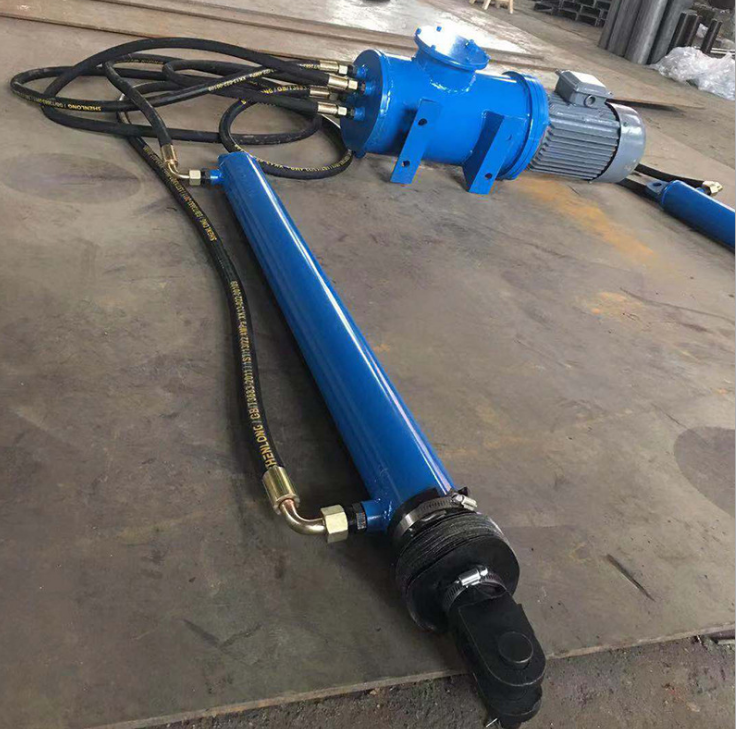
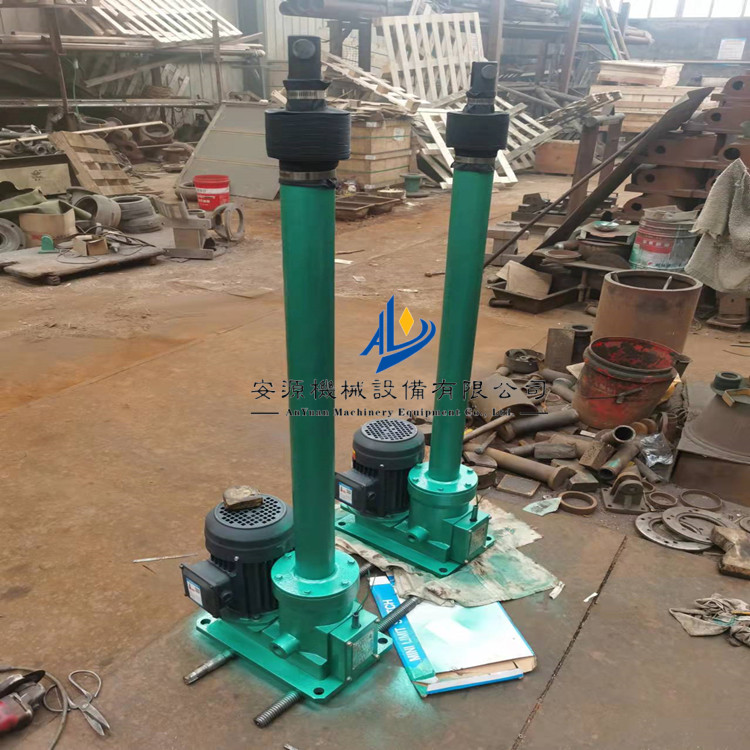
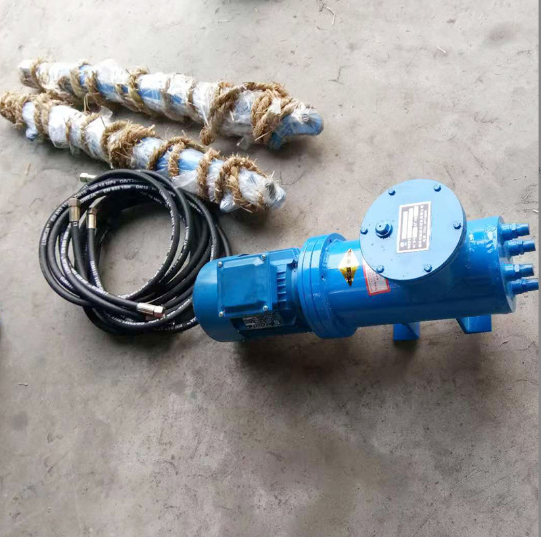
Electro-hydraulic actuators are widely used in metallurgy, mining, power, coal, machinery, transportation, grain, chemicals, cement, water conservancy, building materials, and transportation sectors, serving as a universal power source.Electro-hydraulic push rod working principle: An electro-hydraulic push rod is a new type of flexible transmission mechanism that integrates machinery, electricity, and fluid power. It consists of the actuating mechanism (cylinder), the control mechanism (hydraulic control valve group), and the power source (pump motor, etc.). Depending on the installation space on-site and the user's application, the electro-hydraulic push rod can have various structural forms (specifically see the electro-hydraulic push rod external dimensions diagram, or custom styles as per user requirements). The motor drives a bidirectional hydraulic pump in both forward and reverse to output pressure oil, via The control valve sends to the oil cylinder, also achieving reciprocating movement of the piston rod. Electro-hydraulic push rod structure: The hydraulic control valve assembly mainly consists of a pressure relief valve, a one-way check valve, a throttle valve (as per customer requirements), and a hydraulic lock valve (check valve), etc. It can also be designed with different functional circuit combination valves based on the working characteristics of the electro-hydraulic push rod to meet its operational requirements. Generally, it has features like automatic locking for extension, retraction, and both extension/retraction; operating speeds include adjustable and non-adjustable types; and the working angle of the electro-hydraulic push rod includes horizontal push, upward push (including diagonal upward), and downward push (including diagonal downward). Several types, such as downward.