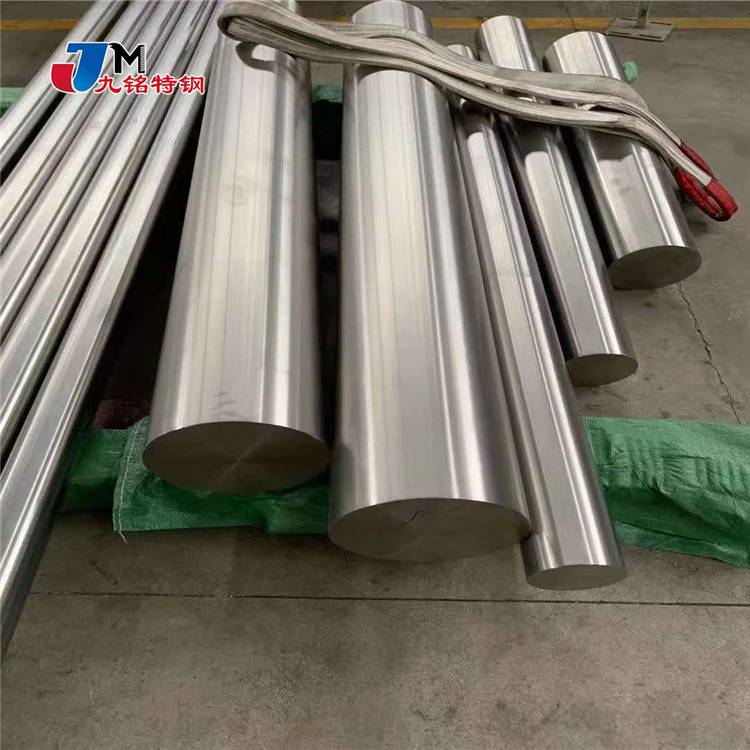
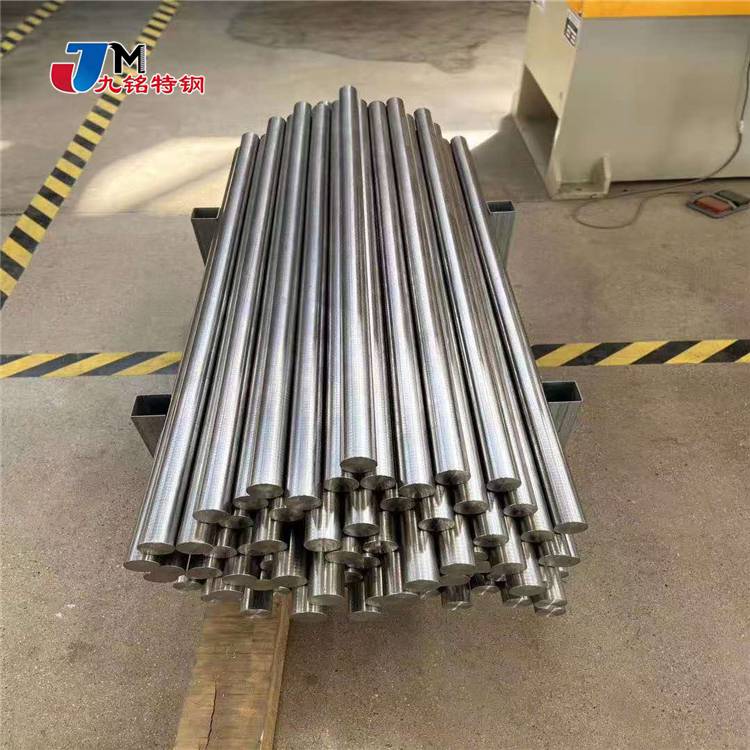











Iron-Nickel-Cobalt 4J29 Alloy, 4J29 Kovar Alloy Bars, Kovar Nickel-Iron Alloy Strips, Steel Strips
4J29 Expanding Alloy
4J29 Overview
4J29 Alloy, also known as Kovar, has a linear expansion coefficient similar to that of silicon-boron hard glass between 20~450℃. It boasts a high Curie point and excellent low-temperature microstructure stability. The alloy's oxide layer is dense and easily wetted by glass. It does not react with mercury, making it suitable for use in instruments containing mercury discharge. It is a primary sealing material for electrical vacuum devices.
4J29 Material Grade 4J29
4J29 Equivalent Grades, see Table 1-1.
| Russia | USA | United Kingdom | Japan | France | Germany |
| 29HК | Kovar | Nilo K | KV-1 | Dilver P0 | Vacon 12 |
| 29HК-BИ | Rodar Techallony Glasseal 29-17 | Telcaseal | KV-2 KV-3 | Dilver P1 | Silvar 48 |
Technical Standard for Material 4J29: YB/T 5231-1993 "Technical Conditions for Iron-Nickel-Coil Boride Alloys 4J29 and 4J44."
4J29 Chemical Composition, see table.
| C | Mn | Si | P | S | Cu | Cr | Mo | Ni | Co | Fe |
| ≤ | ||||||||||
| 0.03 | 0.5 | 0.30 | 0.020 | 0.020 | 0.20 | 0.20 | 0.20 | 28.5~29.5 | 16.8~7.8 | Surplus |
Under conditions where the average linear expansion coefficient meets the standard specifications, the nickel and cobalt content may deviate from the range specified in Table 1-2. The content of aluminum, magnesium, zirconium, and titanium should not exceed 0.10% each, with the total content not to exceed 0.20%.
4J29 Heat Treatment System: The test specimen for the performance test of the standard规定的expansion coefficient and low-temperature microstructure stability is heated in a hydrogen atmosphere to 900℃±20℃, held for 1 hour, then heated to 1100℃±20℃, held for 15 minutes, and cooled to below 200℃ at a rate not exceeding 5℃/min.
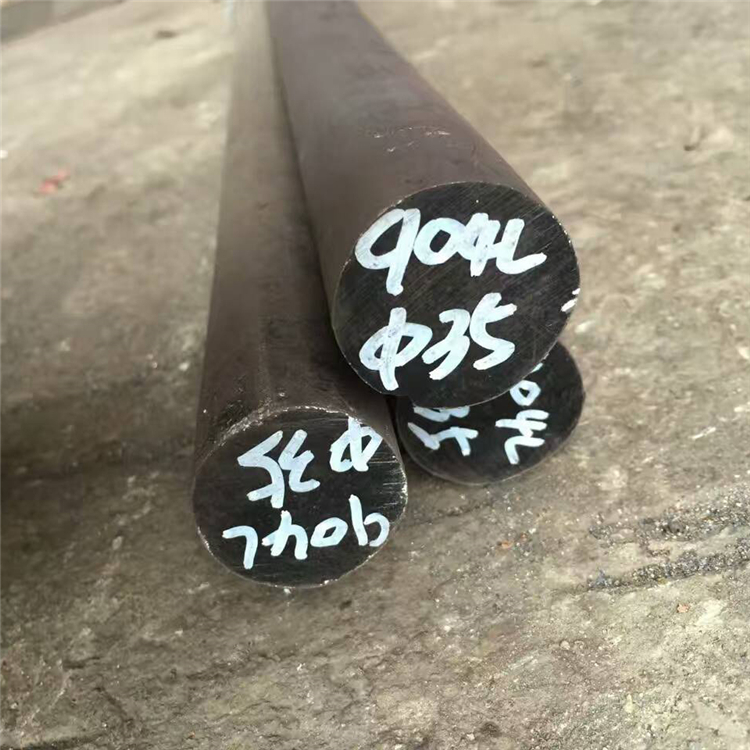
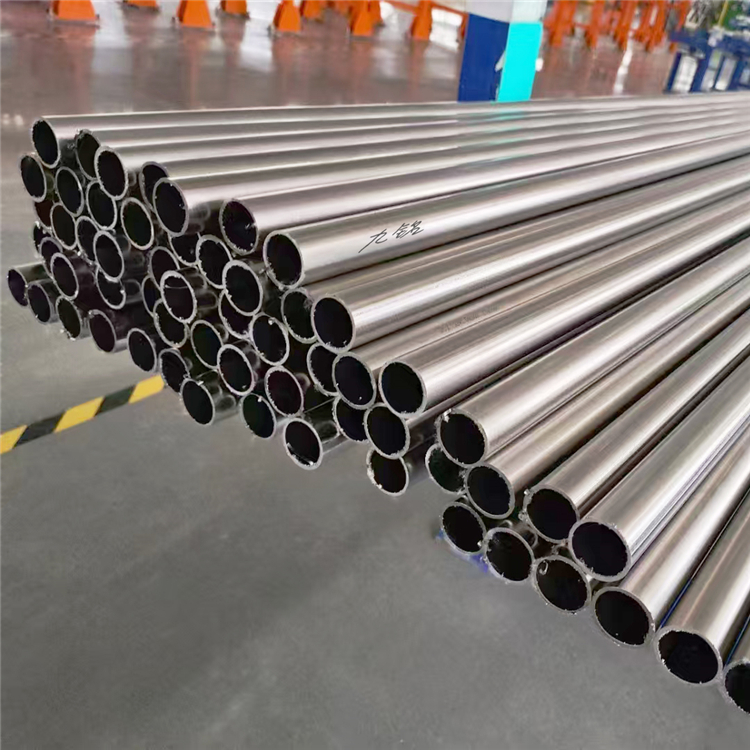
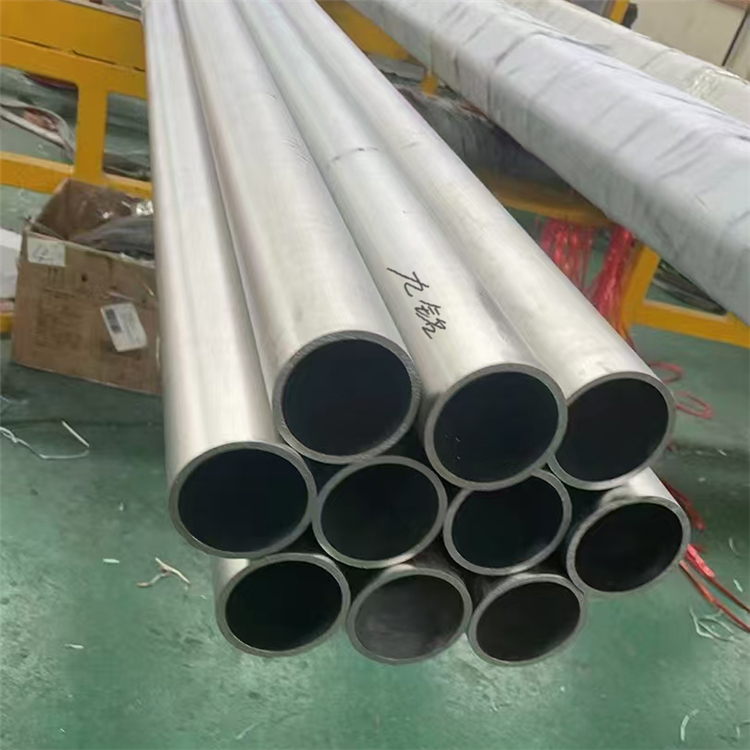
4J29 varieties and specifications are available in forms such as wire, tape, sheet, tube, and bar.
4J29 Melting and Casting Process: Melted using non-vacuum induction furnaces, vacuum induction furnaces, or arc furnaces.
Application Overview and Special Requirements for 4J29
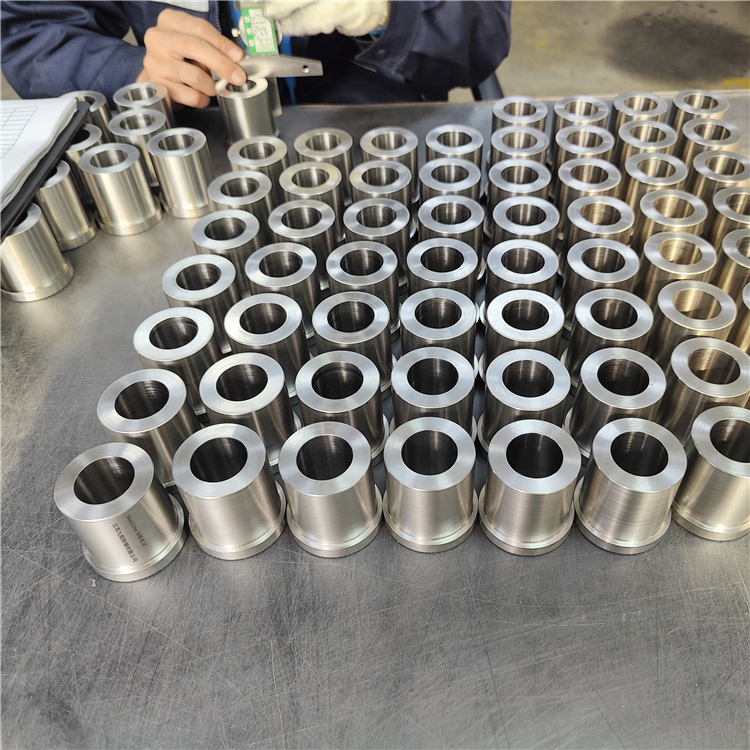
This alloy is a typical Fe-Ni-Co hard glass sealing alloy for general use. It has been in long-term use in aviation factories and maintains stable performance. It is primarily used for glass sealing in electrical vacuum components such as cathodes, oscillators, igniters, magnetrons, transistors, sealed connectors, relays, lead frames for integrated circuits, bases, casings, and supports. In application, ensure the selected glass matches the expansion coefficient of the alloy. Strictly inspect its low-temperature microstructure stability based on the operating temperature. Appropriate heat treatment should be conducted during processing to ensure the material has good deep drawing properties. When using forgings, strictly inspect their airtightness.