


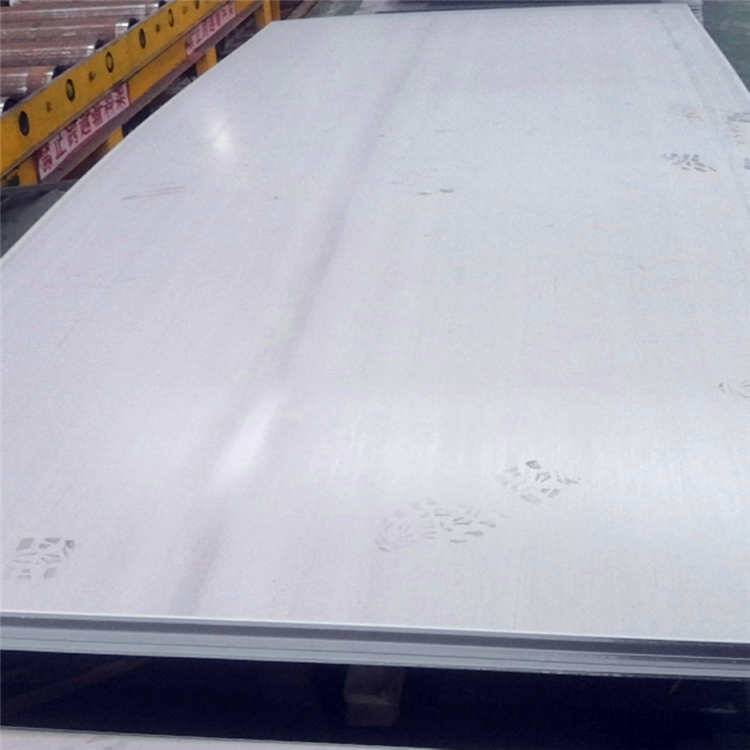

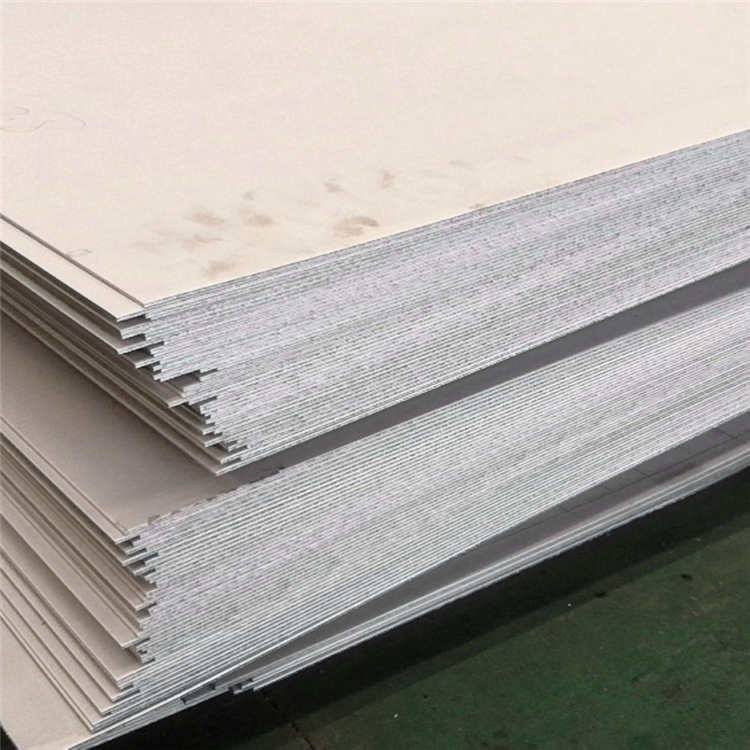
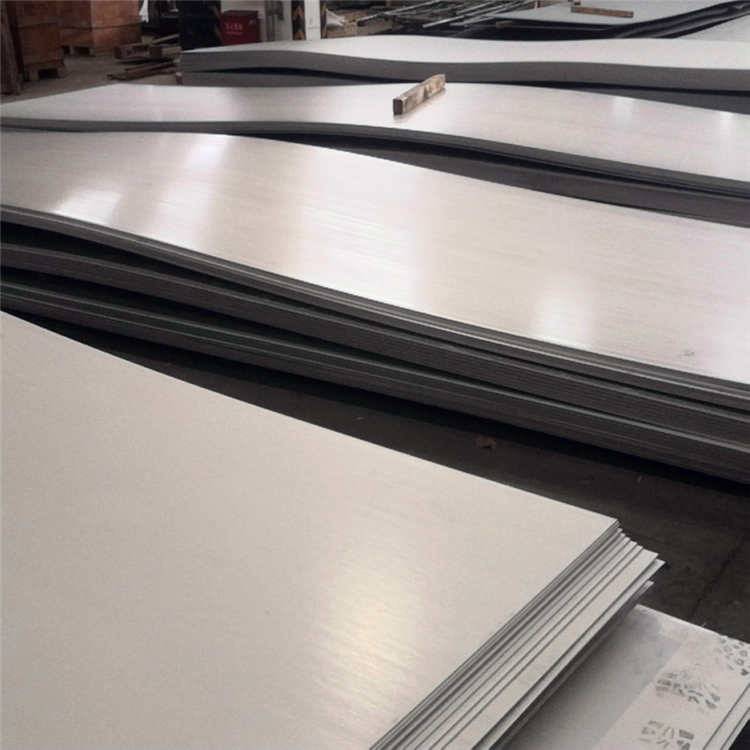











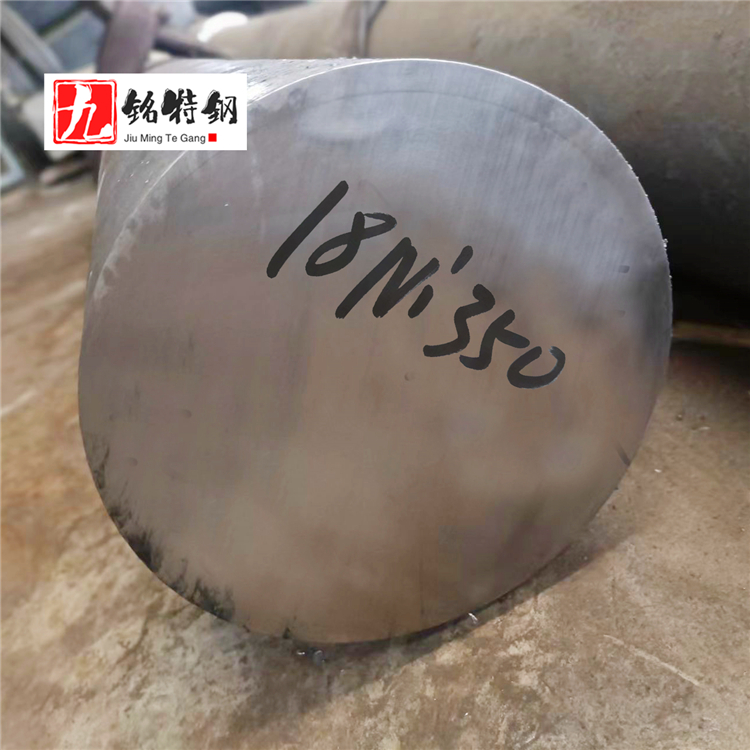
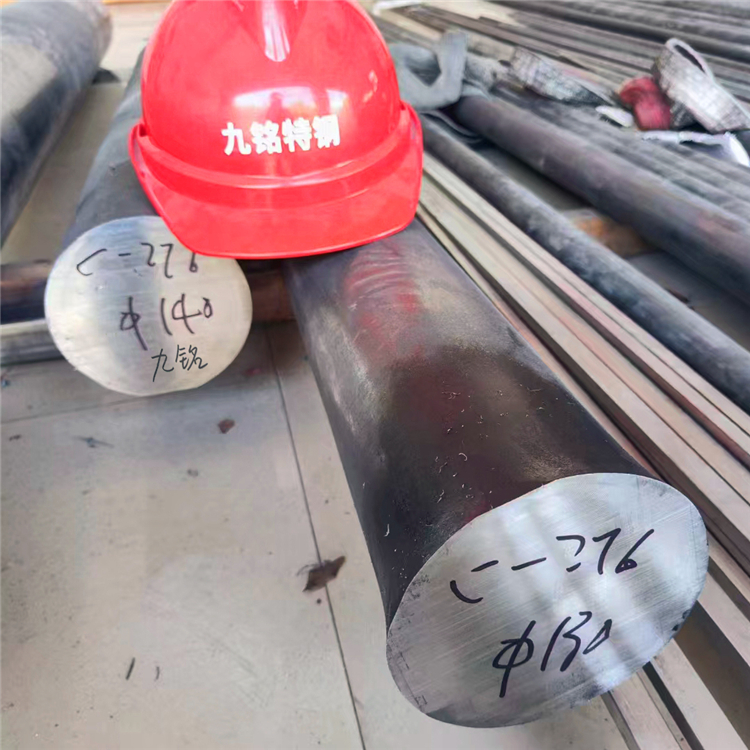
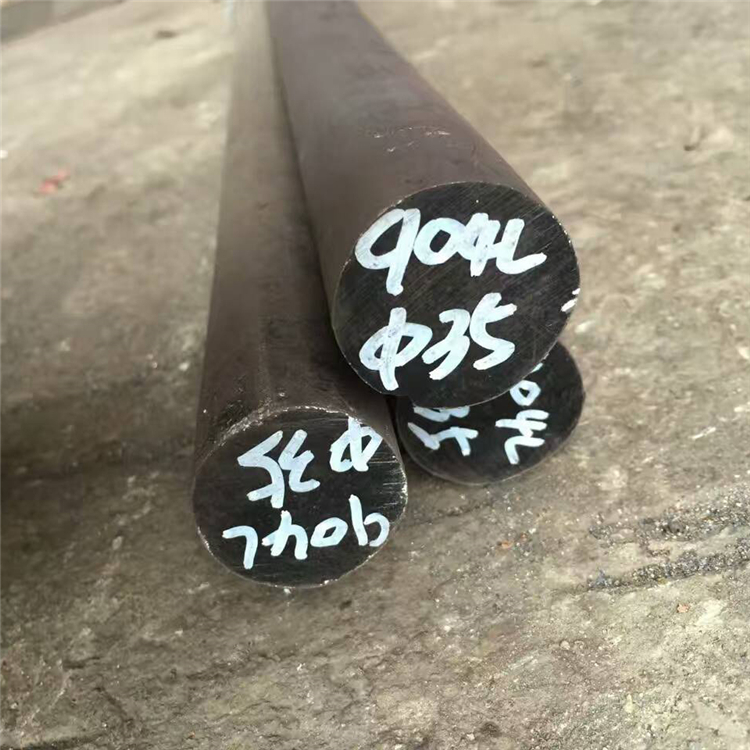
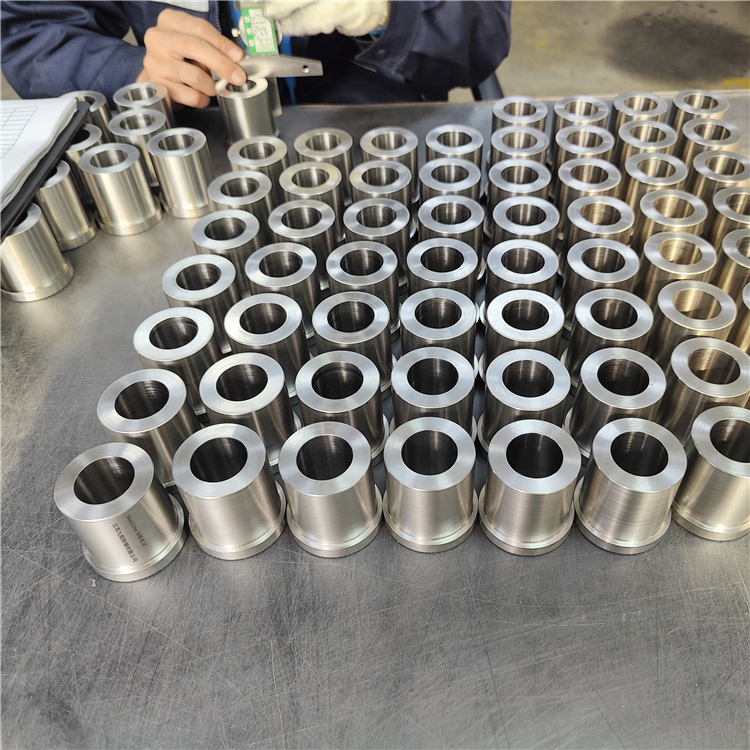
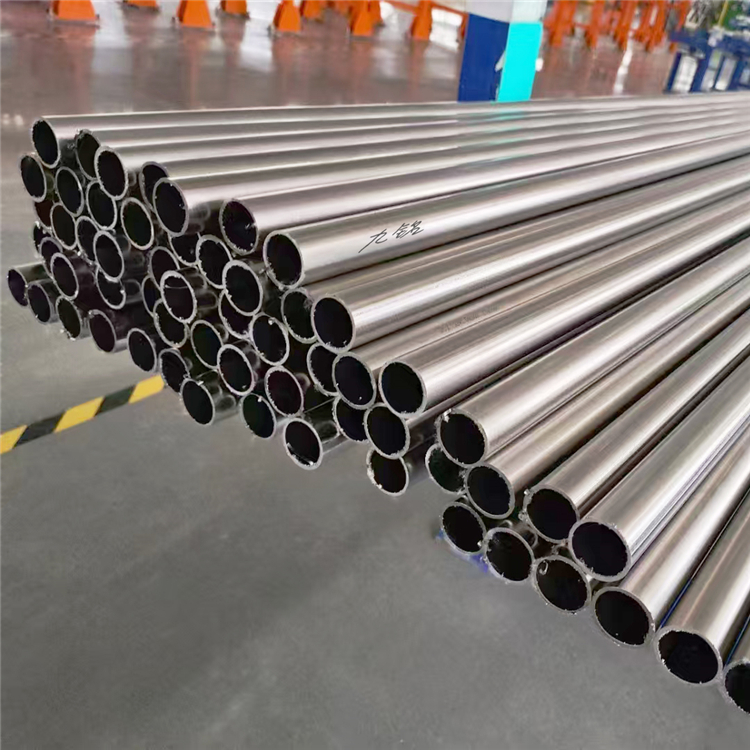
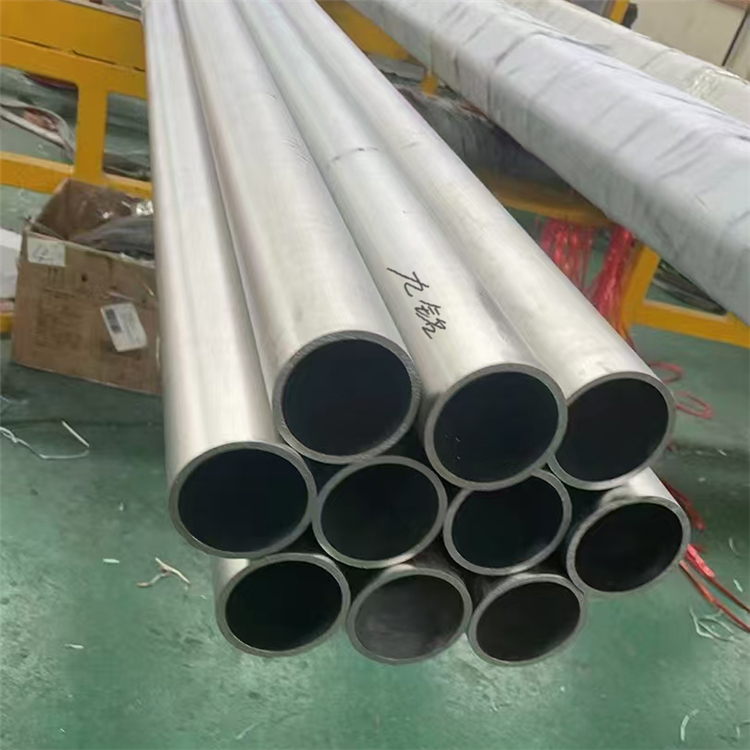
Jiangsu Jiuming, Stock Tai steel S32101 stainless steel plate, Nuclear power grade 32101 stainless steel plate, In stock supply
32101 is a nickel-saving duplex steel. Duplex stainless steel refers to a type of stainless steel where ferrite and austenite phases each occupy about half of the solid solution structure, with the content of the minor phase typically reaching 30%. With a lower carbon content, the chromium content ranges from 18% to 28%, and the nickel content from 3% to 10%. Some steels also contain alloying elements such as Mo, Cu, Nb, Ti, and N. This type of steel combines the characteristics of both austenitic and ferritic stainless steels, offering higher plasticity and toughness compared to ferrite, no room temperature brittleness, significantly improved intergranular corrosion resistance and welding performance. It also maintains the 475°C brittleness of ferritic stainless steel and high thermal conductivity, with superplasticity. Compared to austenitic stainless steel, it has higher strength and significantly improved resistance to intergranular corrosion and chloride stress corrosion. Duplex stainless steel exhibits excellent pitting resistance and is also a nickel-saving stainless steel. S32101
Alloy1.4162 / LEAN DUPLEX UNS S32101 / LDX 2101
Corresponding Standards:EN 1.4162,UNS S32101
S32101Material Description
LDX 2101It is a low-nickel alloy dual-phase steel with a balanced chemical composition of chromium, molybdenum, and nitrogen content, offering excellent resistance to localized and uniform corrosion. The dual-phase microstructure contributes to high strength and resistance to stress corrosion cracking. Dual-phase steel boasts good weldability. However, there is a risk of embrittlement.LDX 2101Should not be above250°CFor use at temperatures. High-strength alloy with stable pricing.


General Properties of S32101
S32101 is a duplex (austenitic-ferritic) stainless steel with relatively low alloy element content. It boasts high mechanical strength, comparable to other duplex stainless steels. Its excellent corrosion resistance is on par with most standard stainless steel grades. Combining these features allows for optimized designs in terms of strength, maintenance, durability, and long-term cost efficiency.
S32101 Chemical Composition (Nominal) %
Carbon, Silicon, Manganese, Phosphorus, Sulfur, Chromium, Niobium, Carbon, Molybdenum
0.030 1.0 5 0.04 0.03 21.5 1.5 0.22 0.3
Physical Properties of S32101
S32101 Temperature, ºF
68 200 400 600
Density: 0.28 lbs/cubic inch
Elastic Module x 10, 6 psi - 29, 28, 27, 26
Poisson Ratio 0.3
Linear Expansion x 10^-6 inches/inch/°F - 7.2, 7.5, 7.5
Thermal Conductivity: Btu/ft/h°F - 8.7, 9.3, 9.8, 10.4
Calorific Capacity J/kg°F 500 530 560 590
Resistivity µΩ·m 0.80 0.85 0.90 1.00


S32101 Mechanical Properties
S32101 - Low Value
(6.25" Board) Typical Value
(6.25" Board)
0.2% Yield Strength 65 KSI 69
Tensile Strength: 94-101 KSI
Extend 30% 38
Hardness (Brinell hardness) HB 290 (225)
S32101 Features:
High strength - approximately twice as high as Austenitic stainless steel ASTM 304 and 316
Good stress corrosion cracking resistance
Excellent resistance to general corrosion and pitting corrosion
High energy absorption
Physical properties with design characteristics
Easy to manufacture and excellent toughness
Good weldability
S32101 Application
Universal Applications and Environments:
Construction and building
Storage tank
Reinforcing steel
Pipe

S32101 Corrosion Resistance
Good general corrosion resistance
Suitable for various general applications and environments.
S32101 Pitting and Crevice Corrosion
With increased content of chromium, molybdenum, and nitrogen in the steel, resistance to pitting and crevice corrosion is enhanced.
Due to their high chromium and nitrogen content, these materials exhibit excellent corrosion resistance in chloride-containing environments.
S32101 Atmospheric Corrosion
Closely related to anti-uniform corrosion and localized corrosion (such as pitting and crevice corrosion).
Sufficiently durable in most environments.
S32101 Stress Corrosion Cracking
S32101, like all duplex stainless steels, exhibits good resistance to chloride-induced stress corrosion cracking (SCC).
S32101 Heat Treatment
Plates, sheets, and coils are typically delivered under heat treatment conditions. If additional heat treatment is required after further processing, it is recommended to use the following methods.
S32101 Solution Annealing
1020 - 1080°C (1865 - 1975°F), quenched rapidly in air or water.
S32101 manufacturing
S32101 Hot Forming

Hot forming is conducted within a temperature range of 1100-900°C (2010-1650°F), followed by solution heat treatment. However, it should be noted that low strength is observed at high temperatures.
S32101 Cold Formed
Due to the high proof strength of the duplex material, a greater working force is usually required for cold forming compared to that needed for austenitic steel.
S32101 is suitable for forming operations used in the majority of stainless steel manufacturing.
Due to its higher mechanical strength and lower ductility, deep drawing, stretching forming, and spinning operations are more difficult to perform than with austenitic steel.
High tensile strength may result in relatively high resilience.
S32101 Welding
S32101 boasts excellent weldability, allowing it to be焊接 using the same processes as other duplex steels.
Generally, the recommendations for welding dual-phase steel also apply to S32101; however, due to its lower alloy content and higher nitrogen content, the arc energy limitations are not as stringent as those of traditional dual-phase steel.
The appropriate welding method is manual metal arc welding with a coated electrode or gas shielded arc welding. The welding should be performed within a heat input range of 0.2-2.5 kJ/mm. Preheating or post-weld heat treatment is usually not required.






















