
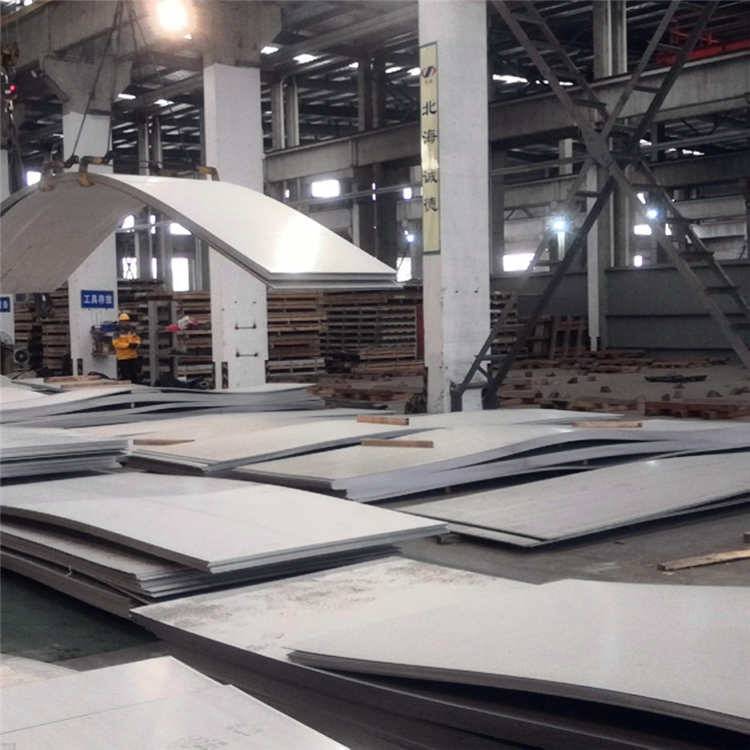











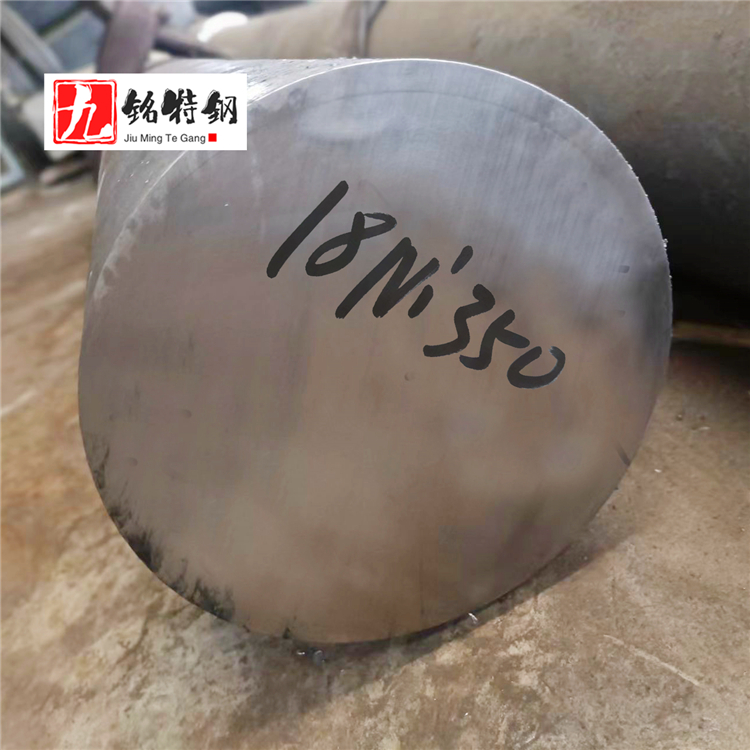
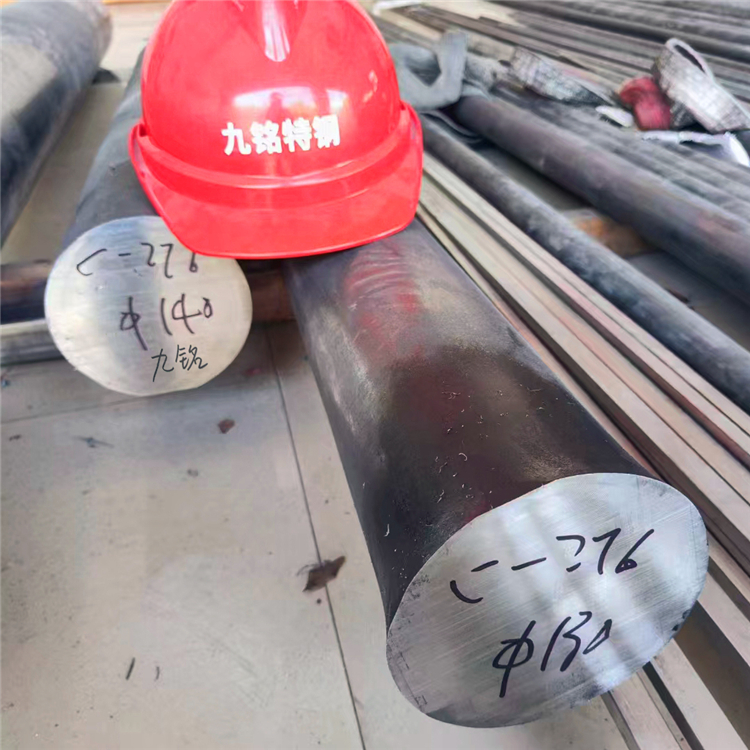
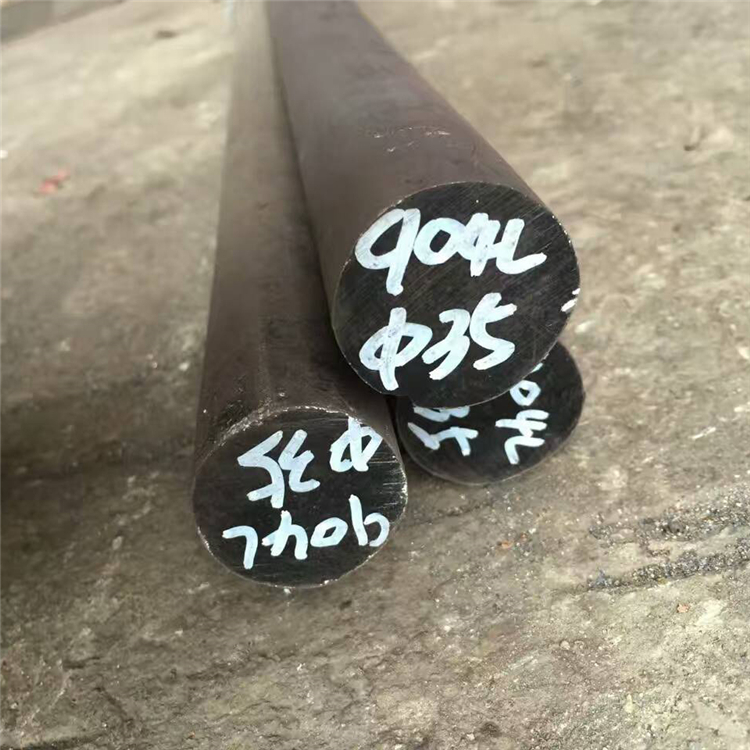
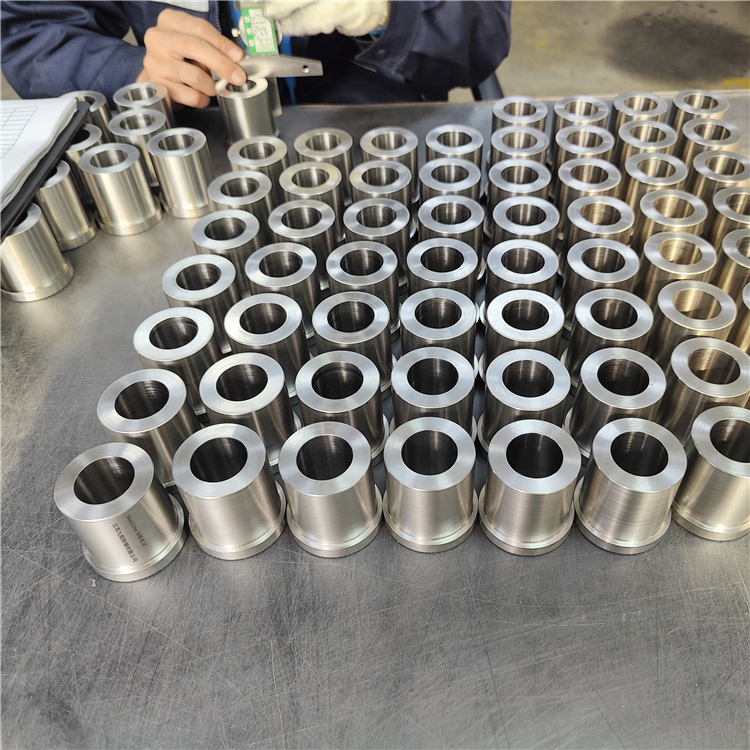
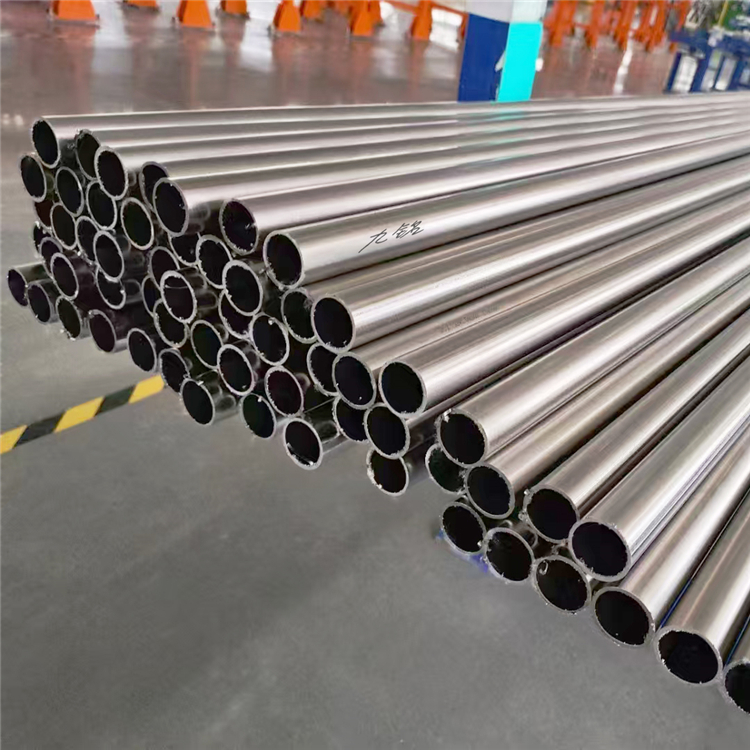
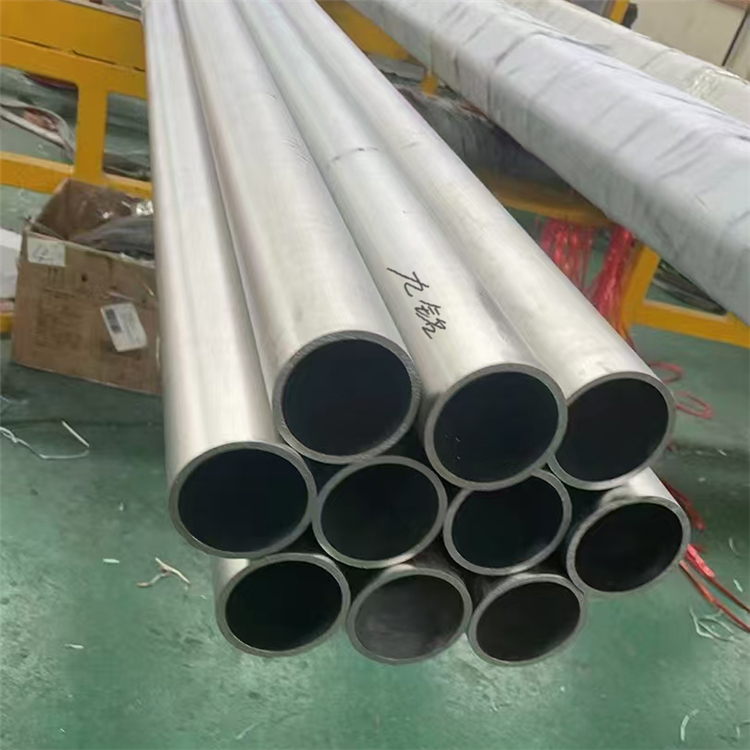
Jiangsu Jiuming Pressure Vessel Plate S30408 Stainless Steel Sheet Price, S30408 Stainless Steel Sheet Manufacturer
The differences between 30408 and 304:
The execution standard is GB/T 24511-2017 "Steel Plates and Strips for Pressure Vessels and Other Pressure Equipment Made of Stainless Steel and Heat-Resistant Steel," primarily used for pressure vessels and other pressure equipment, while 304 stainless steel is used for general mechanical manufacturing.
2. Stainless steel meeting the GB24511 standard has phosphorus content P≤0.035 and sulfur content S≤0.015; regardless of whether it adheres to the JIS Japanese standard, ASTM American standard, or the national standard GB/T4237 for grade 304 stainless steel, the phosphorus content P≤0.045 and sulfur content S≤0.030; this shows that the 30408 stainless steel has a stricter control over sulfur and phosphorus impurities.
3. A production certification is required for the manufacturing of 30408 stainless steel.


Corresponding to grade: 06Cr19Ni10, it belongs to the Austenitic type of stainless steel, a versatile stainless steel commonly used for equipment and components requiring excellent overall properties (corrosion resistance and formability). To maintain the inherent corrosion resistance of stainless steel, the steel must contain over 12% chromium. 06Cr19Ni10 is an applied stainless steel and heat-resistant steel. It is used in food production equipment, general chemical equipment, nuclear energy, and more.
Common sizes of stainless steel plates are mainly divided into cold rolled and hot rolled. Common cold rolled sizes include 1000*2000, 1220*2440, 1220*3050, and 1500*3000. Common hot rolled sizes are 1220*2440, 1220*6000, 1500*3000, and 1500*6000. Other special sizes or non-standard dimensions can be customized according to customer requirements. Standard thickness for cold rolled ranges from 0.3 to 8.0mm, and for hot rolled, it ranges from 3.0 to 100.0mm. For thicknesses outside these ranges, please contact the manufacturer for discussion.


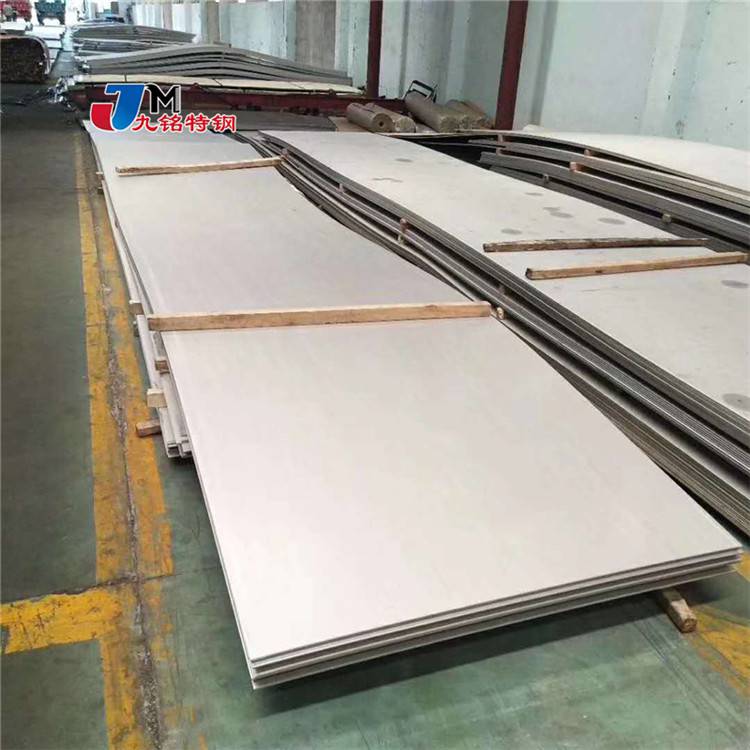
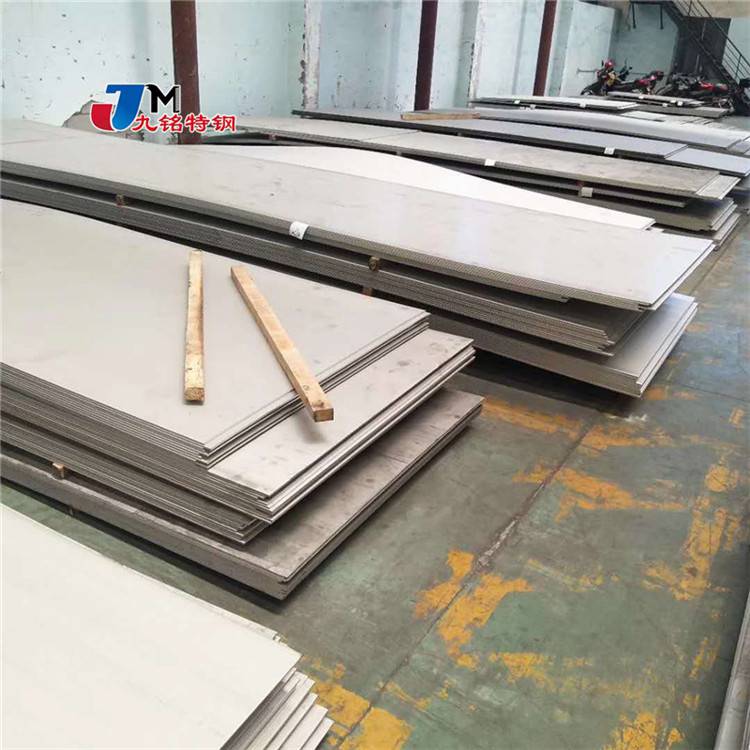
S31603 is a stainless steel plate that meets the pressure vessel standard for 316L stainless steel.
Standard specification: GB-T24511-2017 "Stainless steel and heat-resistant steel plates and strips for pressure equipment" Grade: S31603
National Standard New Brand: 022Cr17Ni12Mo2
Equivalent to old national standard grade: 00Cr17Ni14Mo2
S31603 is a low-carbon variant of 316, classified as ultra-low carbon steel, boasting excellent corrosion resistance to various organic, inorganic, and salt compounds. It also exhibits good resistance to sensitized intergranular corrosion. It has excellent welding properties, suitable for multi-layer welding, and does not require heat treatment after welding. There is no tendency for切口 corrosion after welding.


1. Carbon Content Variations Each type of stainless steel has a distinct carbon content, which affects the steel's hardness and other properties. Consequently, the carbon contents of the two differ.
2. The composition elements differ in content; the former contains 11% Cr and 8% Ni, while the latter has over 18% Chromium, along with approximately 8% Nickel, and trace amounts of Molybdenum, Titanium, Nitrogen, and other elements.
3. The former boasts superior mechanical and process properties, while the latter has poorer mechanical and process properties and is more commonly used for structural steels with low stress and for corrosion-resistant steel. S30408 corresponds to grade 06Cr19Ni10, which is an austenitic type of stainless steel. This is a versatile stainless steel commonly used for manufacturing equipment and components requiring excellent overall properties (corrosion resistance and formability). To maintain the inherent corrosion resistance of stainless steel, the steel must contain over 12% chromium. 06Cr19Ni10 is an applied stainless steel and heat-resistant steel. It is used in food processing equipment, general chemical equipment, nuclear energy, and more. The specific grades correspond as follows: Chemical composition: Carbon (%): ≤0.08; Silicon (%): ≤1.00; Manganese (%): ≤2.00; Phosphorus (%): ≤0.045; Sulfur (%): ≤0.030; Nickel (%): 8.00-11.00; Chromium (%): 18.00-20.00.