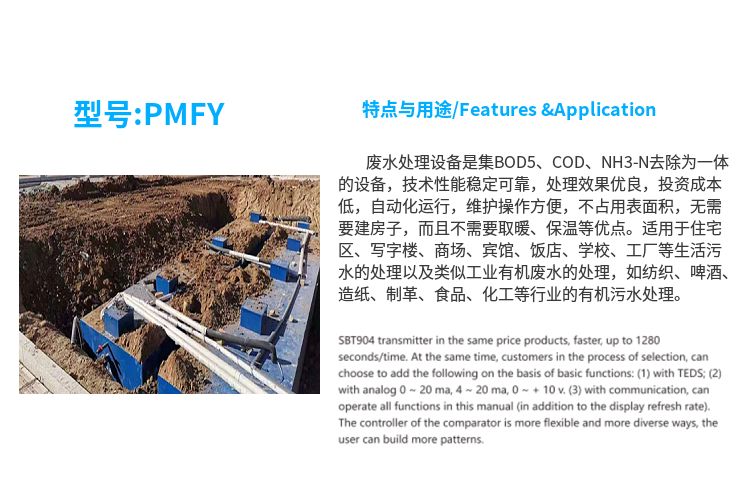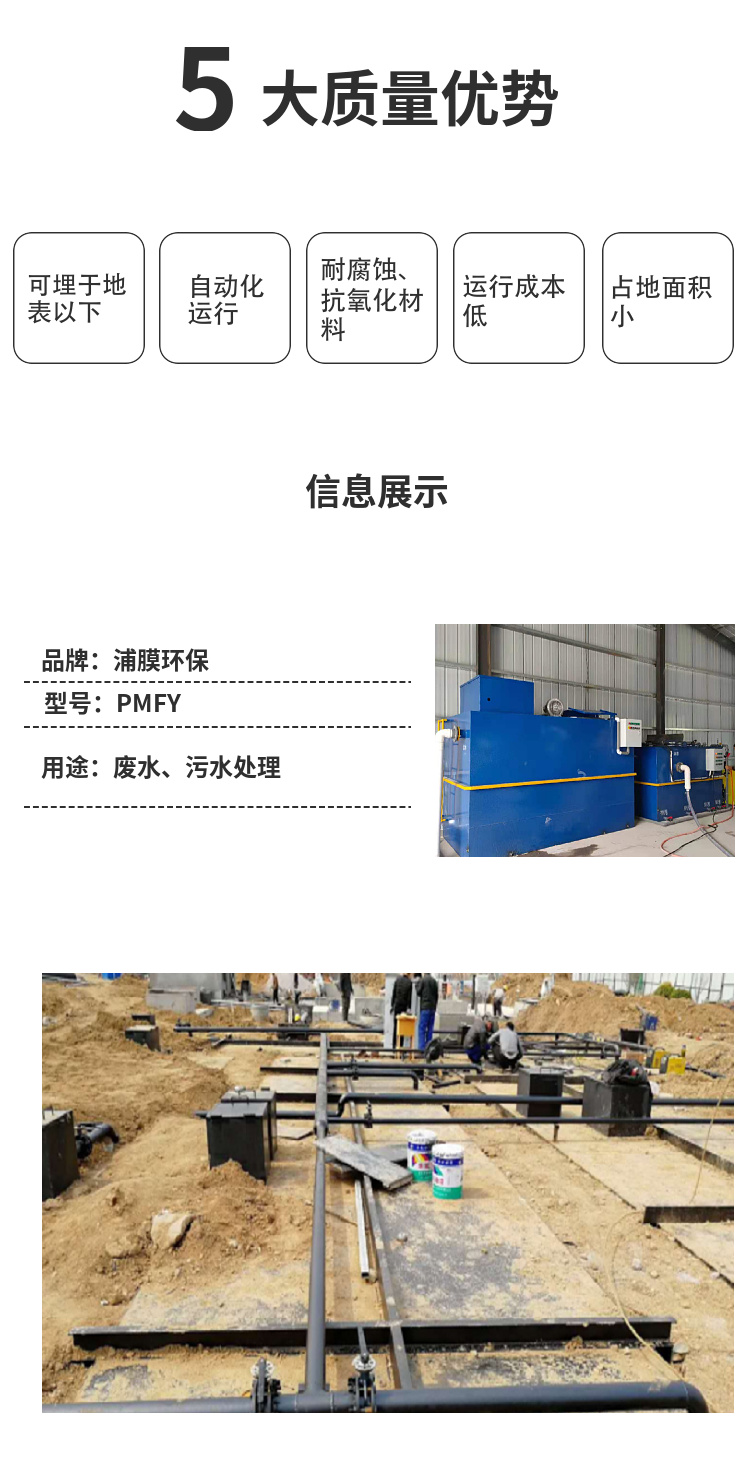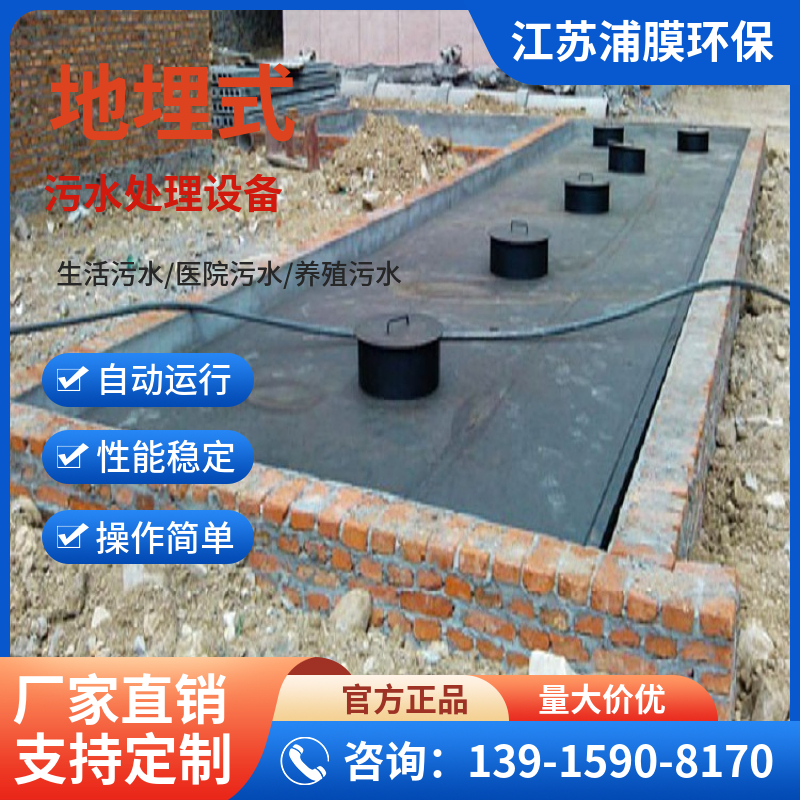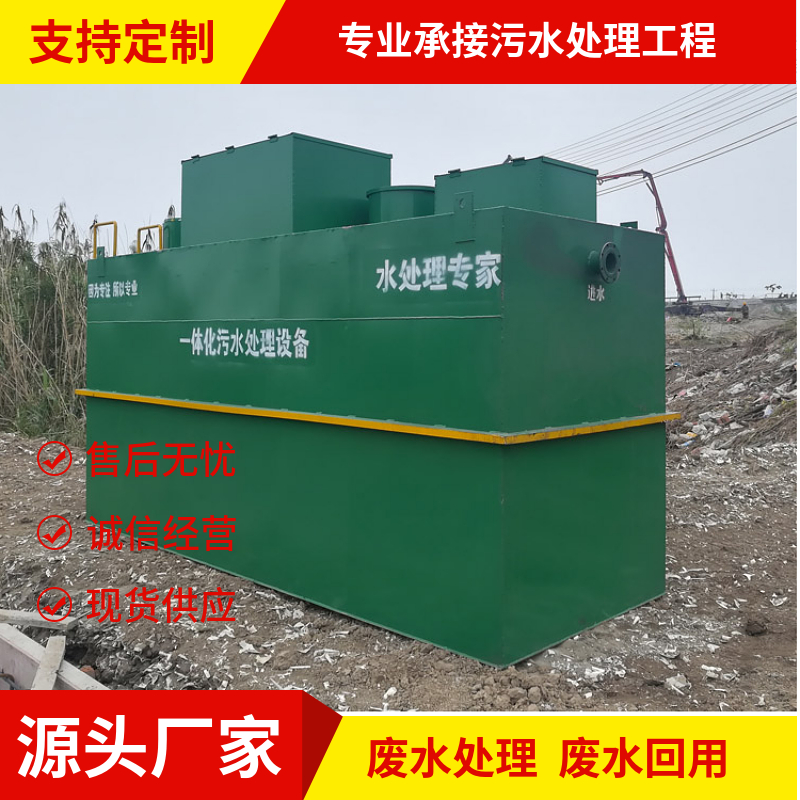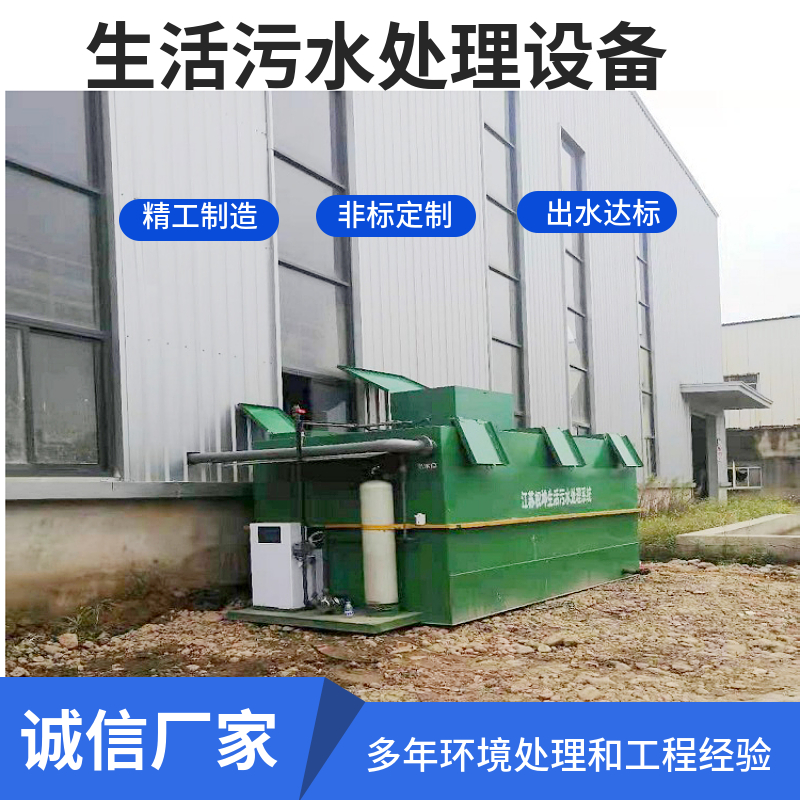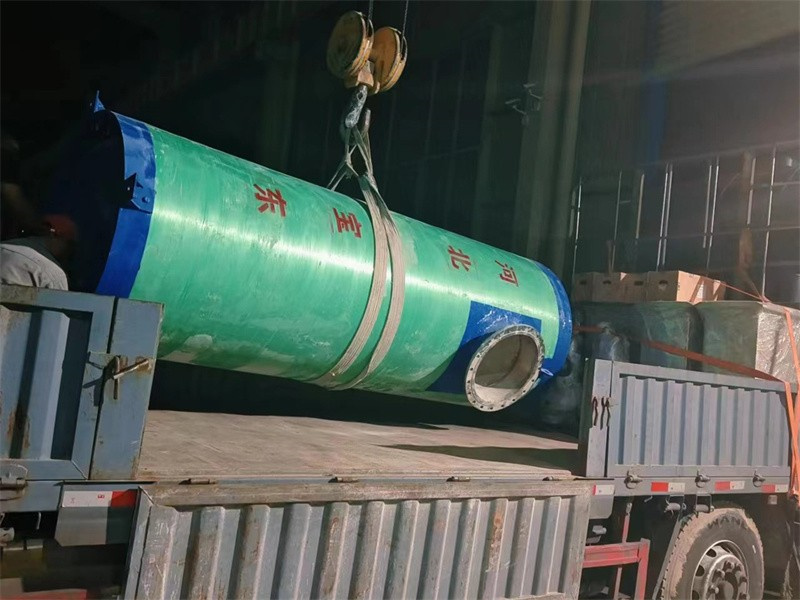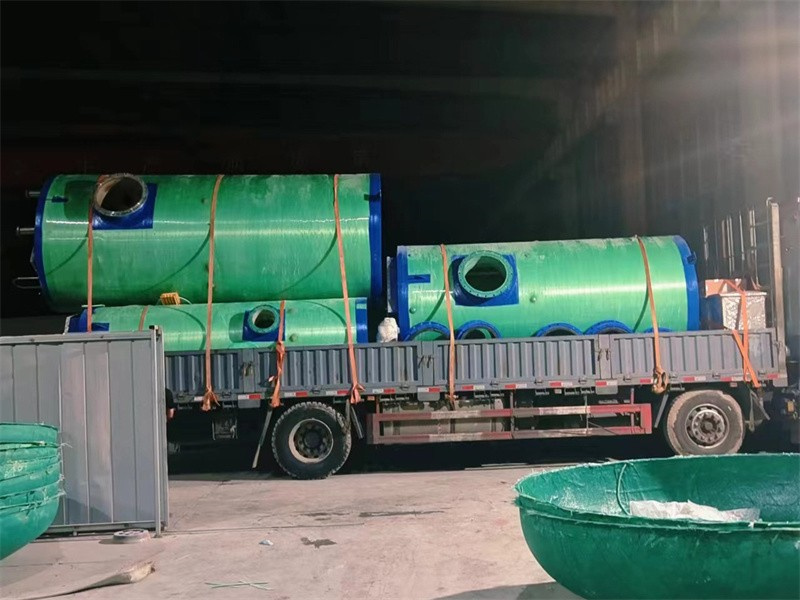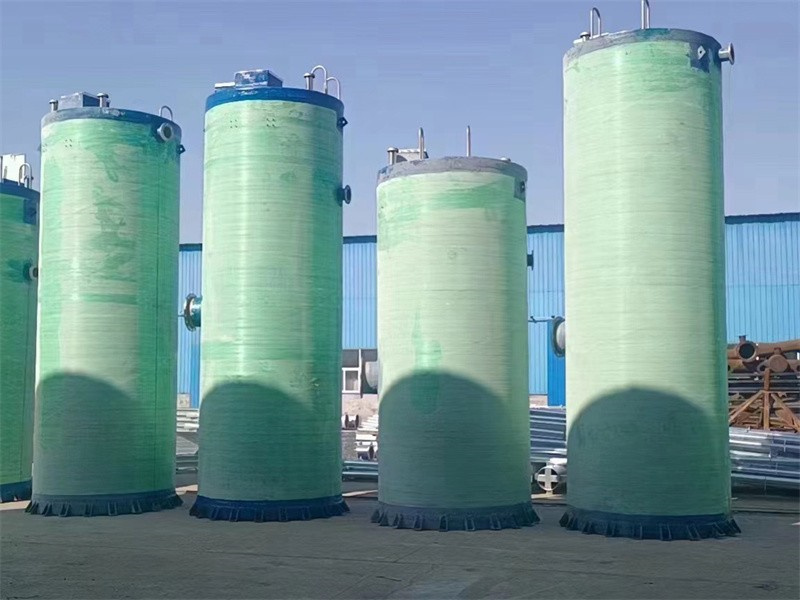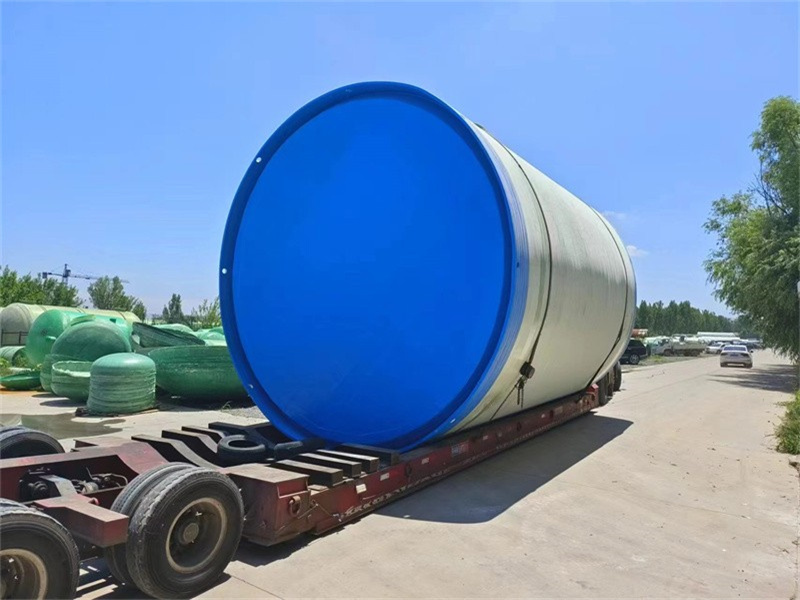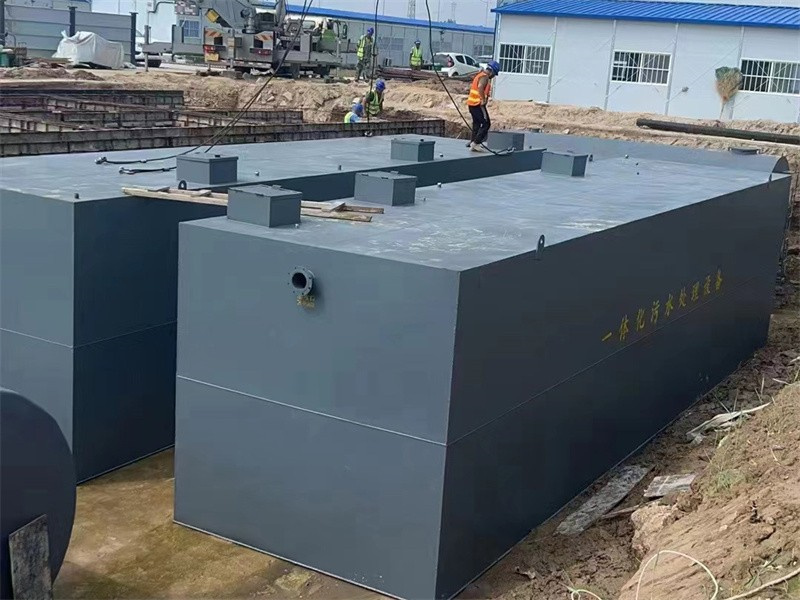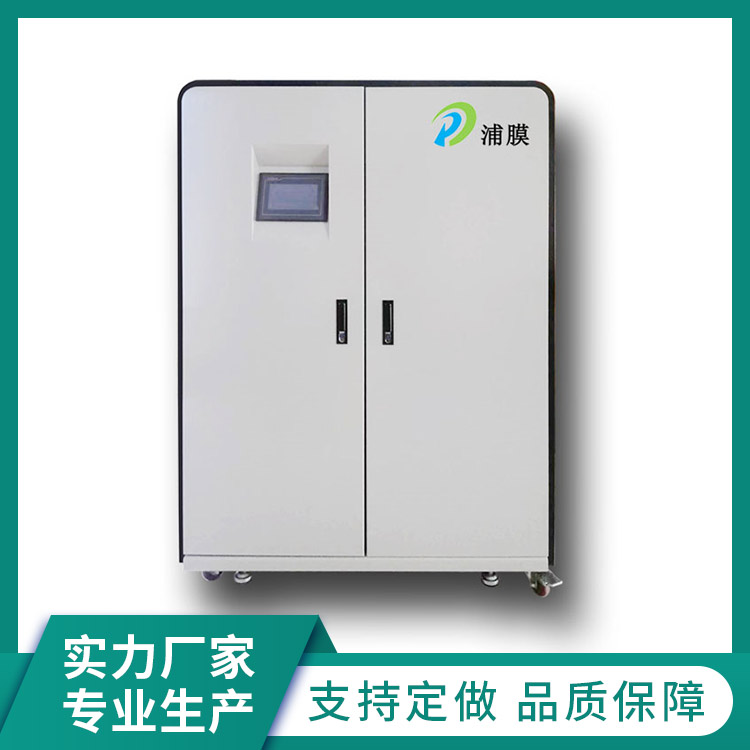


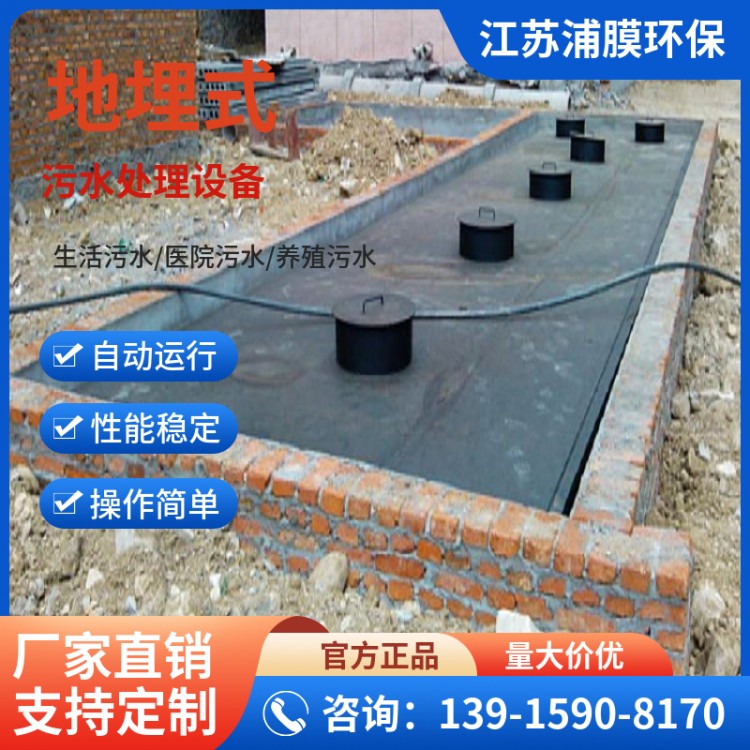
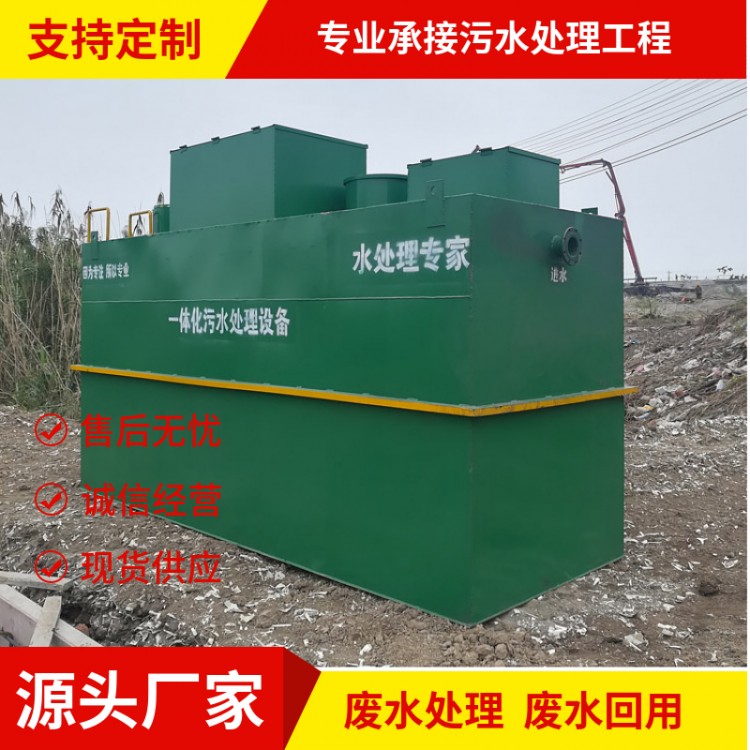
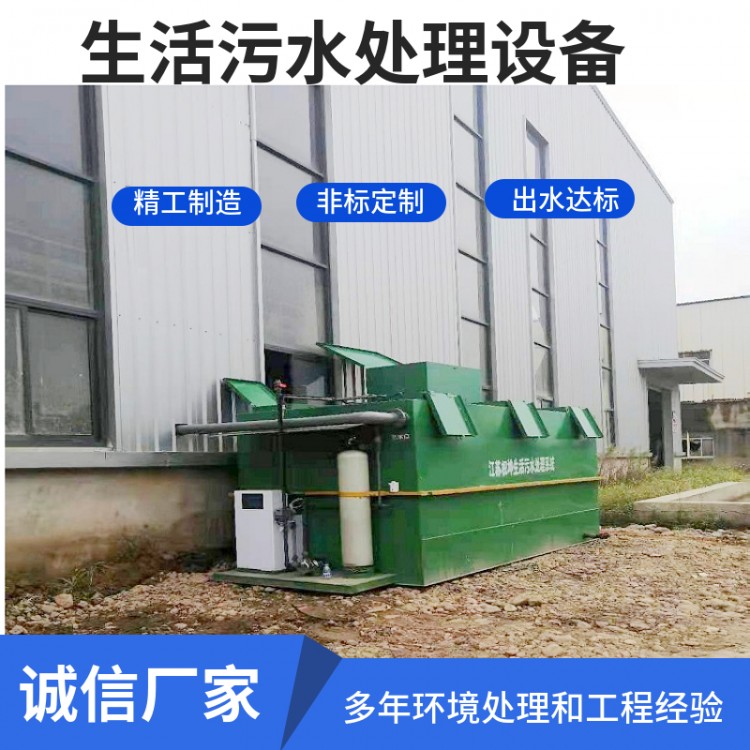







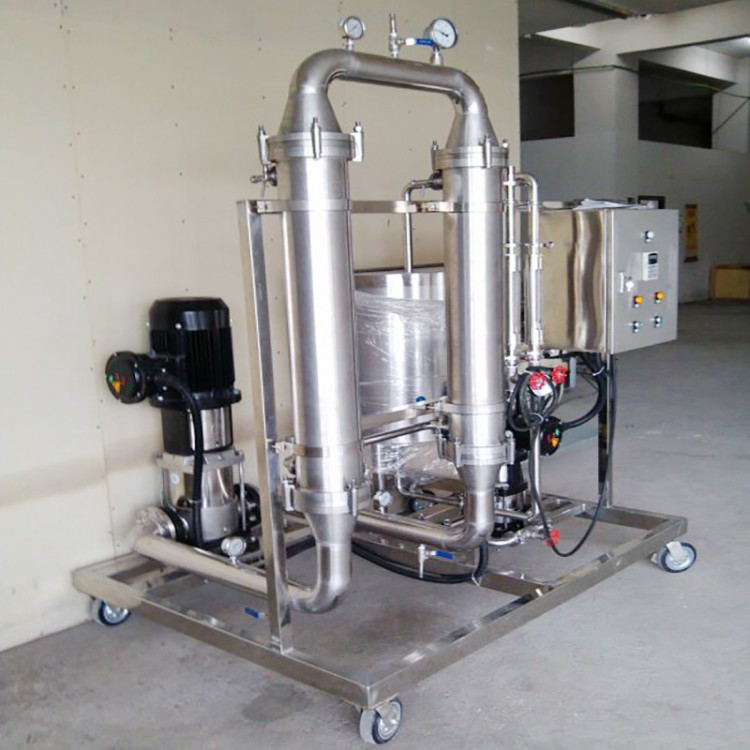
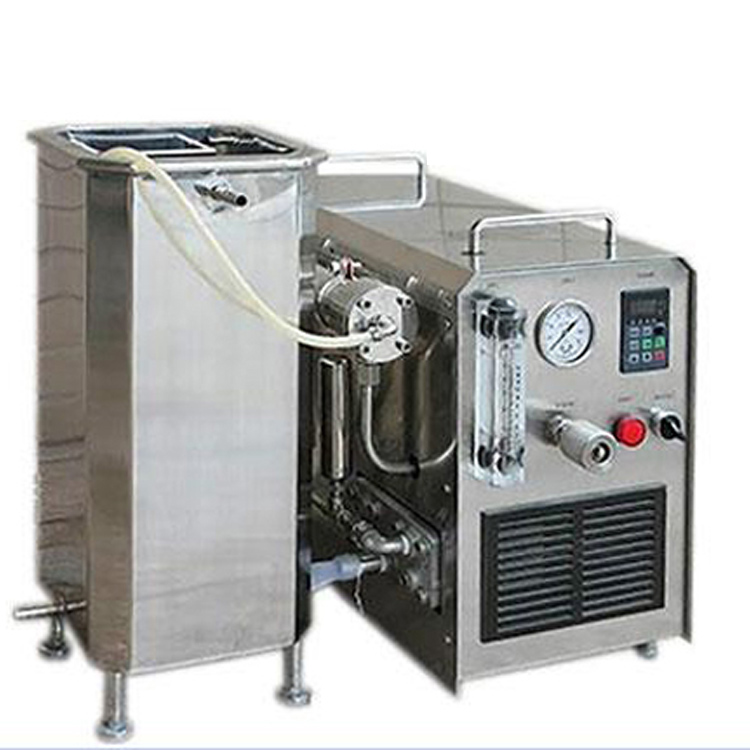
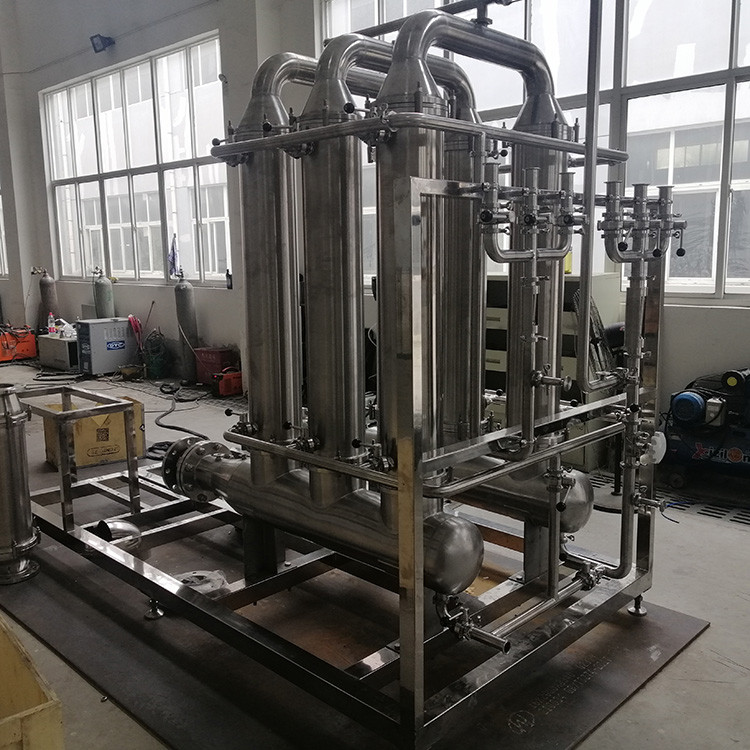
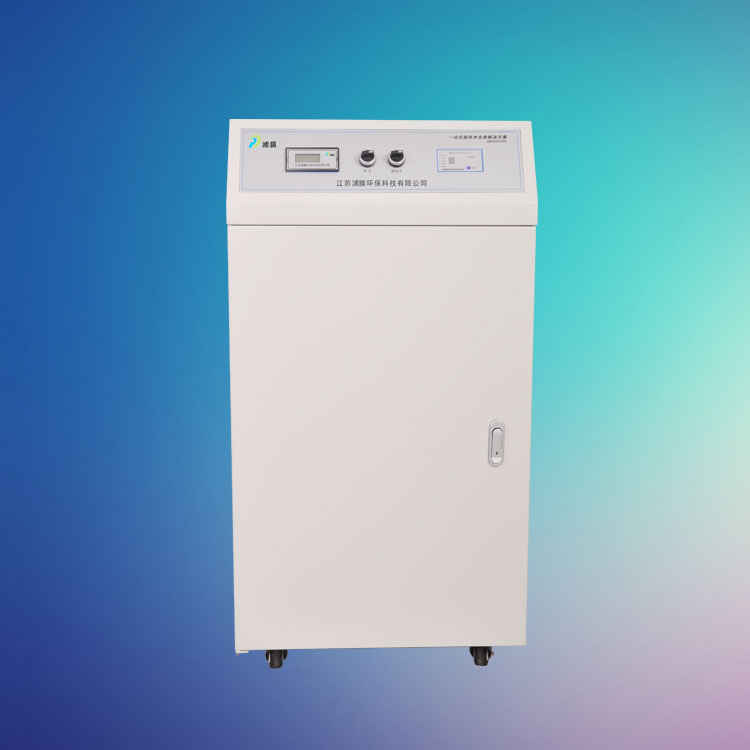
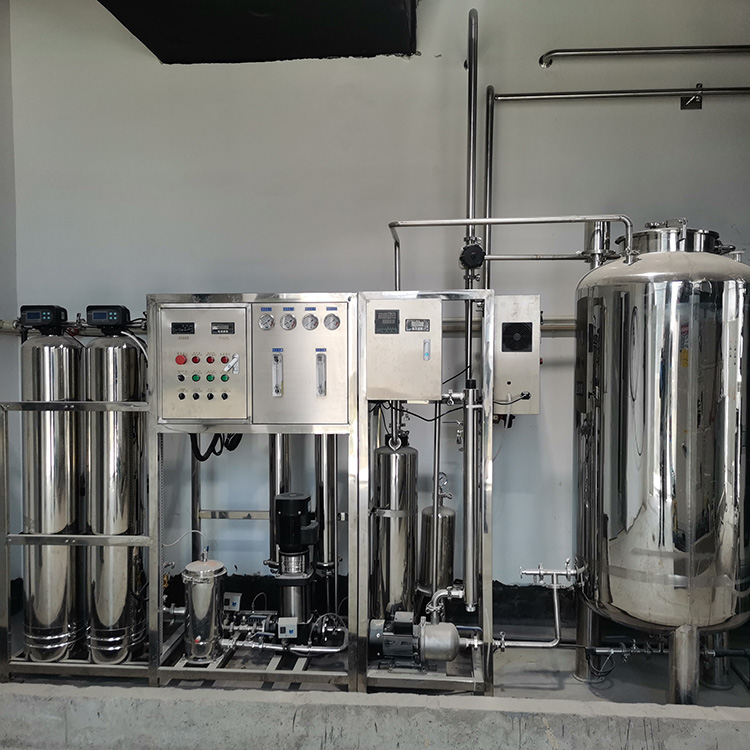
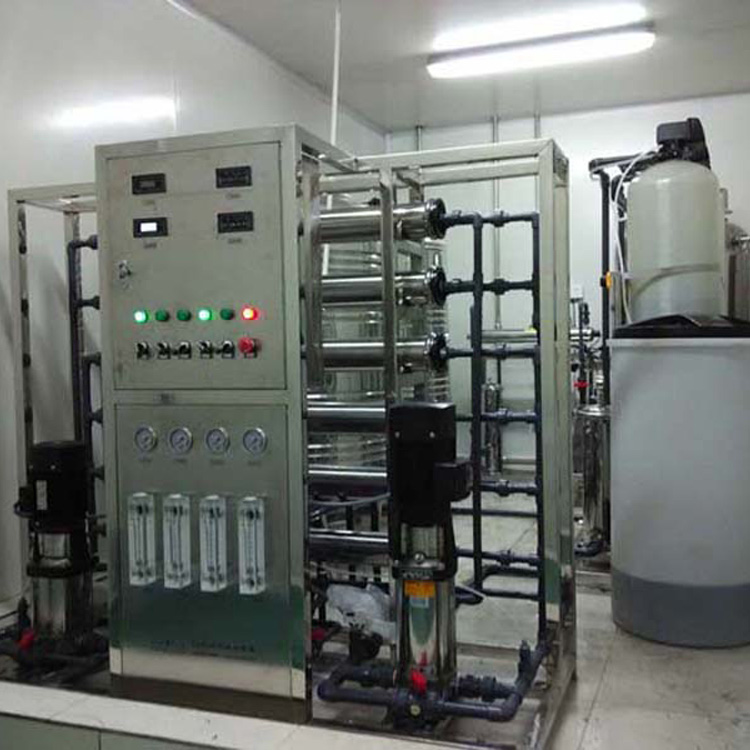
The sources of rural wastewater primarily include kitchen wastewater, laundry wastewater, toilet flushing water, bathing wastewater, agricultural and aquaculture effluents, as well as polluted wastewater discharged by rural enterprises. Rural wastewater typically has low pollutant concentrations and a simple composition, rarely containing heavy metals or toxic and harmful substances. However, it often contains a significant amount of synthetic detergents, along with bacteria, viruses, and parasitic eggs.The amount of domestic wastewater discharged in rural areas varies with time and seasons, characterized by intermittent discharge and significant instantaneous changes. Based on the operational experience with domestic wastewater treatment equipment, Quankun Environmental's professional R&D team for water treatment technology has designed and developed integrated, buried wastewater treatment equipment tailored to the client's water usage and quality requirements. The wastewater treatment equipment integrates the removal of BOD5, COD, and NH3-N, offering stable and reliable technical performance, excellent treatment results, low investment costs, automated operation, easy maintenance, and no requirement for additional surface area or construction of buildings. It does not require heating or insulation, among other benefits. The integrated wastewater equipment is made from corrosion-resistant and anti-oxidation materials, ensuring a longer service life and reduced operation costs. The equipment can be installed underground, allowing for the planting of flowers and grass on the surface without affecting the surrounding environment.
Wastewater Treatment Techniques
Pre-treatment facilitiesResidential cleaning wells, septic tanks, gratings, regulating and storage ponds, oil separators, etc., select appropriate pretreatment facilities based on the incoming water pollution level and the required effluent water quality.
Ways of Resource Utilization: Encourage the adoption of technologies for nitrogen and phosphorus resource utilization and wastewater reuse, such as treating toilet waste through composting methods for agricultural fertilization and irrigation._
Wastewater Treatment Technology: Implement cost-effective, low-energy consumption, easy-maintenance, and high-efficiency wastewater treatment technologies tailored to local conditions, such as artificial wetlands, underground soil percolation systems, contact oxidation technology, Sequencing Batch Reactor (SBR), A/O (A2/O), and Membrane Bioreactor (MBR) processes.
Guidelines:
1. Capable of treating comprehensive wastewater generated from domestic sectors and similar organic wastewater.
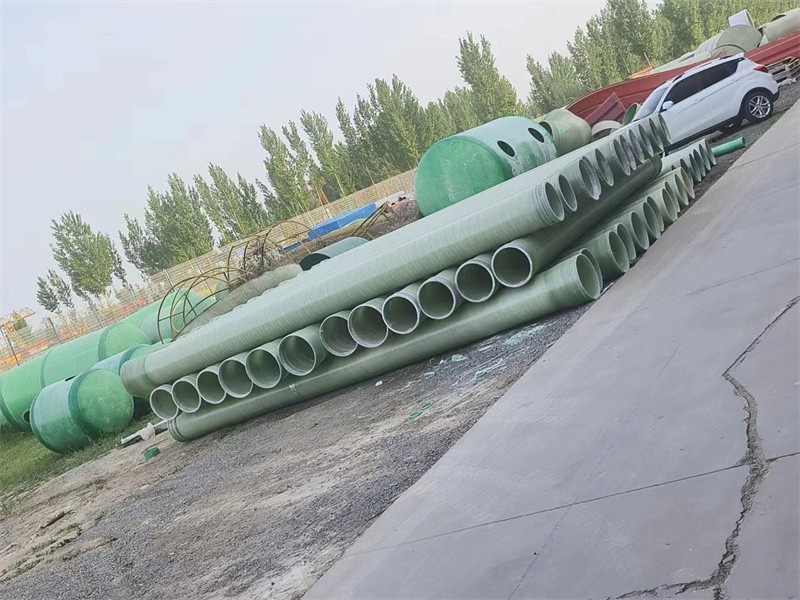
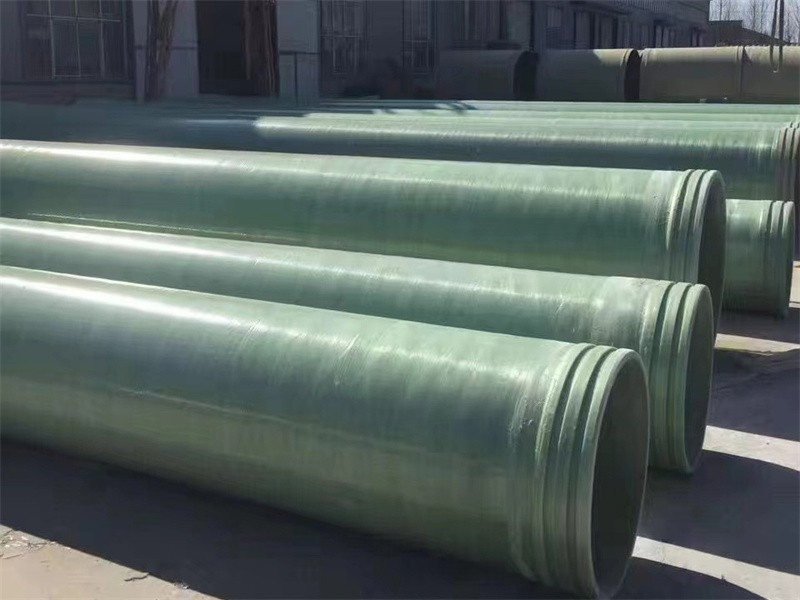
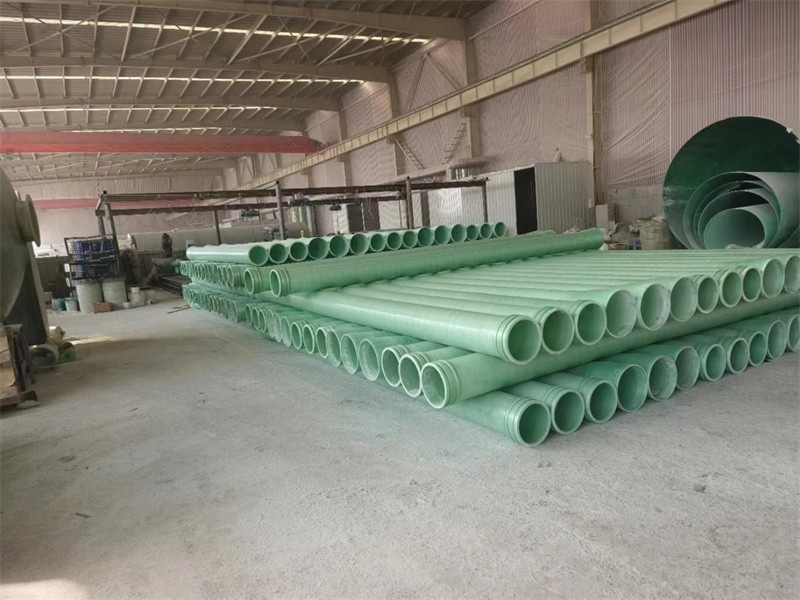
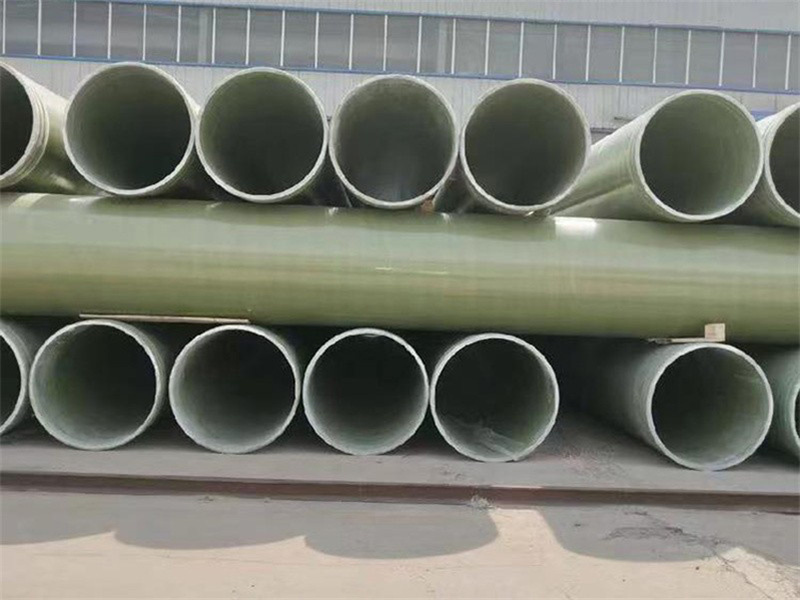
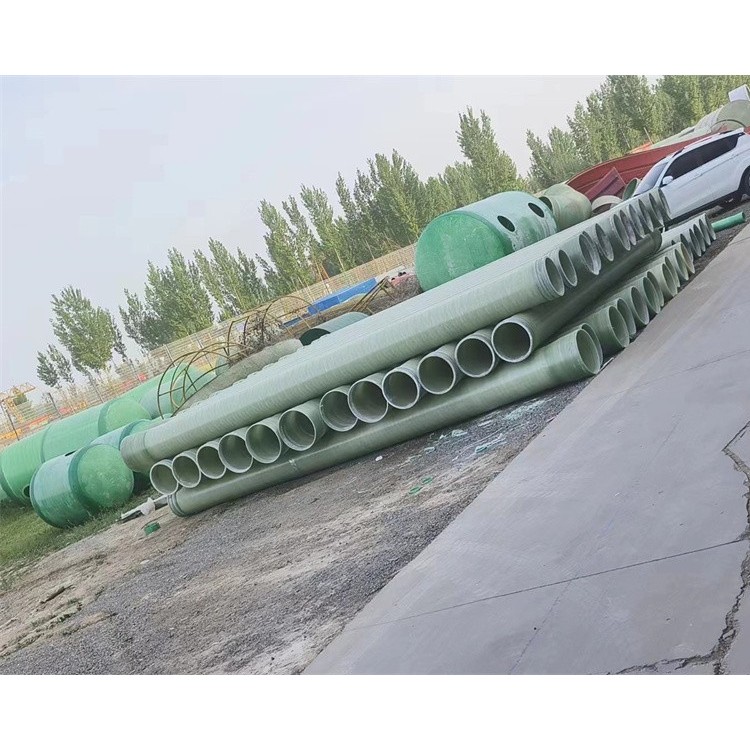
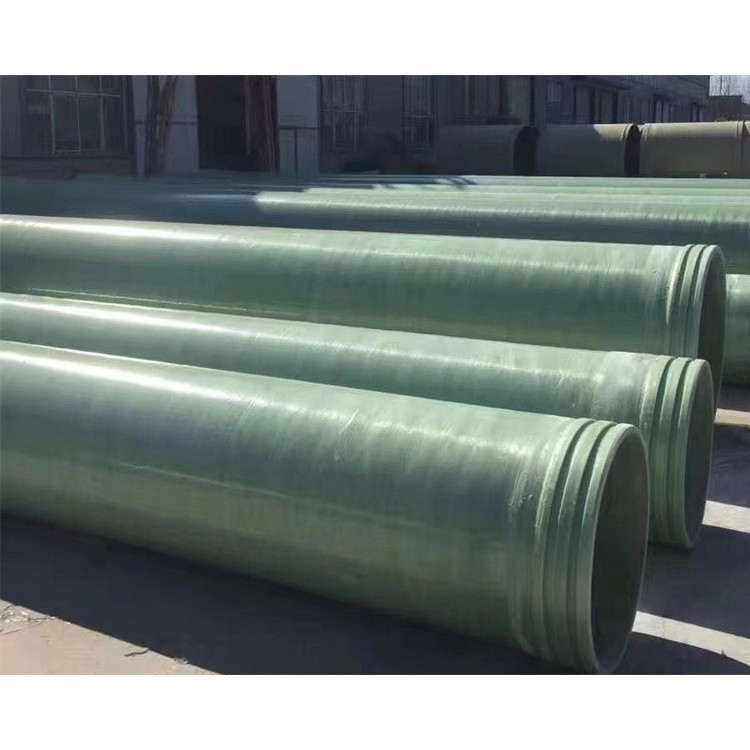
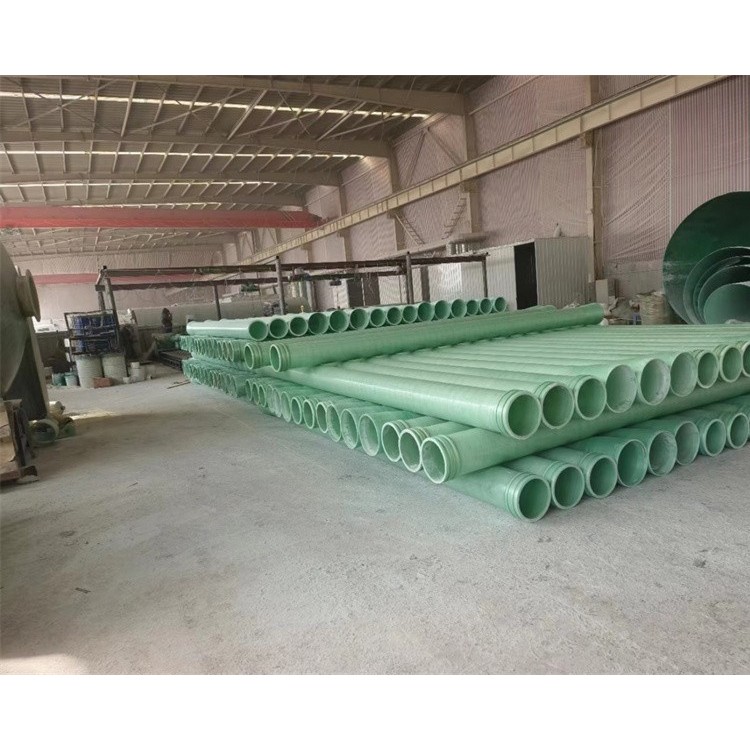
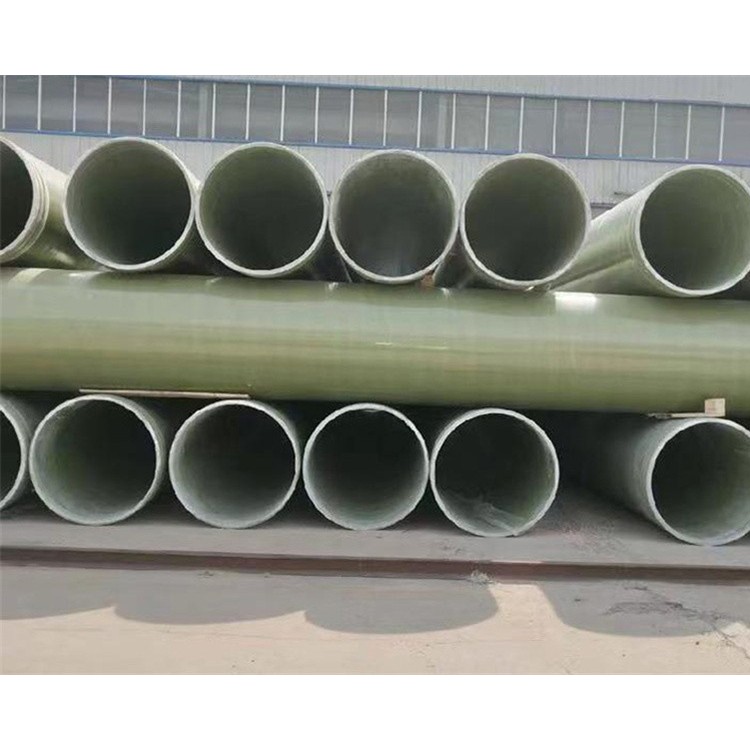
2. Constructed with glass fiber reinforced plastic, carbon steel with corrosion resistance, and stainless steel structure, featuring excellent properties like corrosion resistance and anti-aging, with a service life of over 50 years.
3. The complete equipment setup is simple and easy to operate, with all machinery being automatically controlled. All equipment can be installed below ground level.