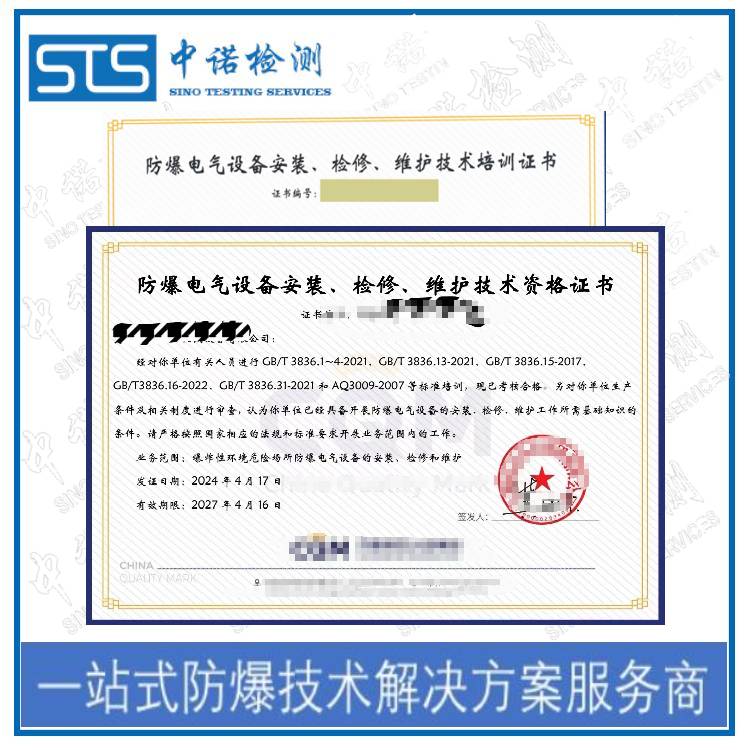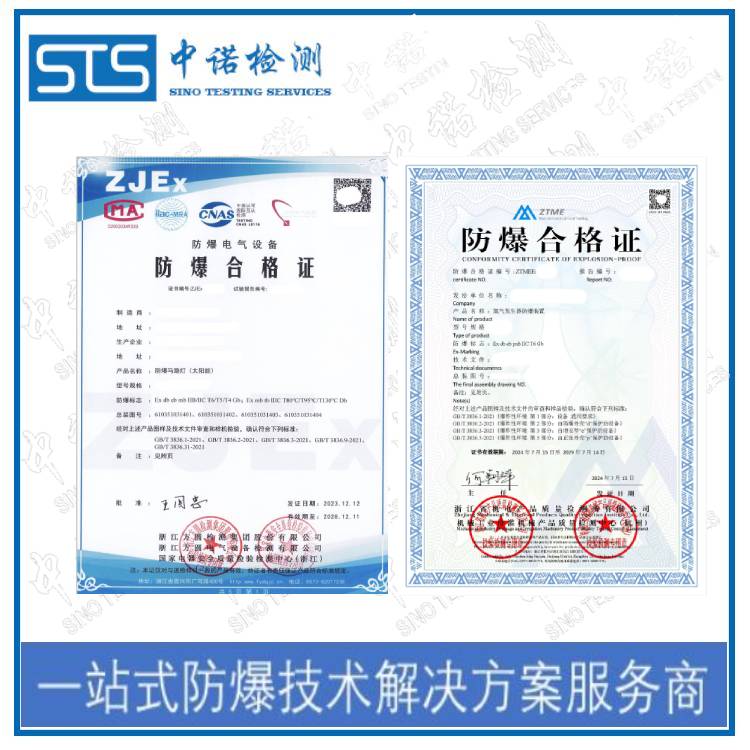

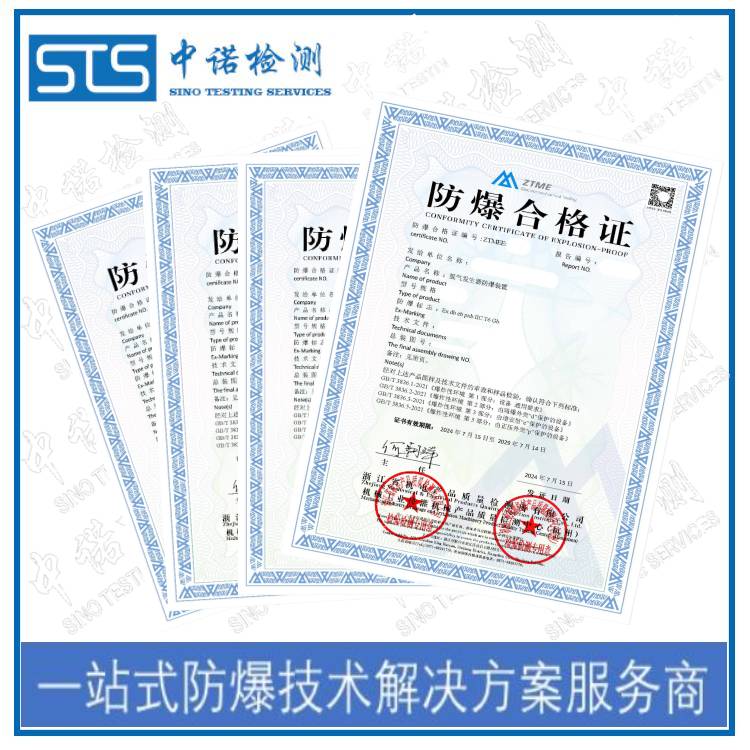
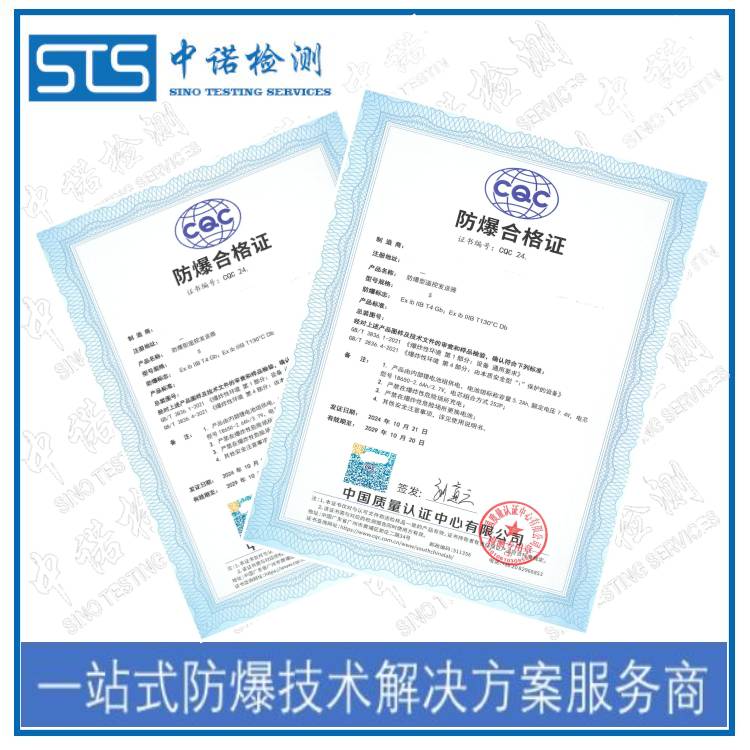


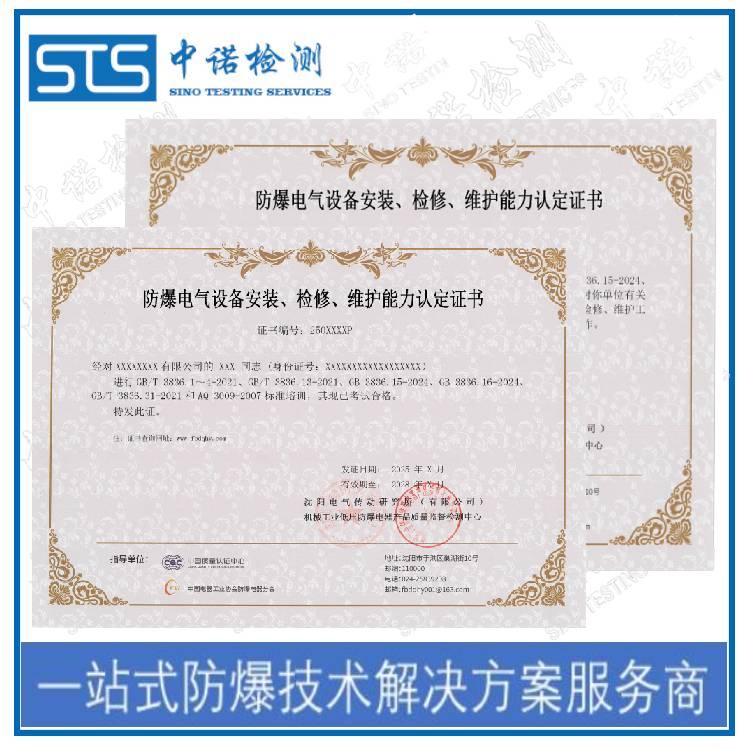
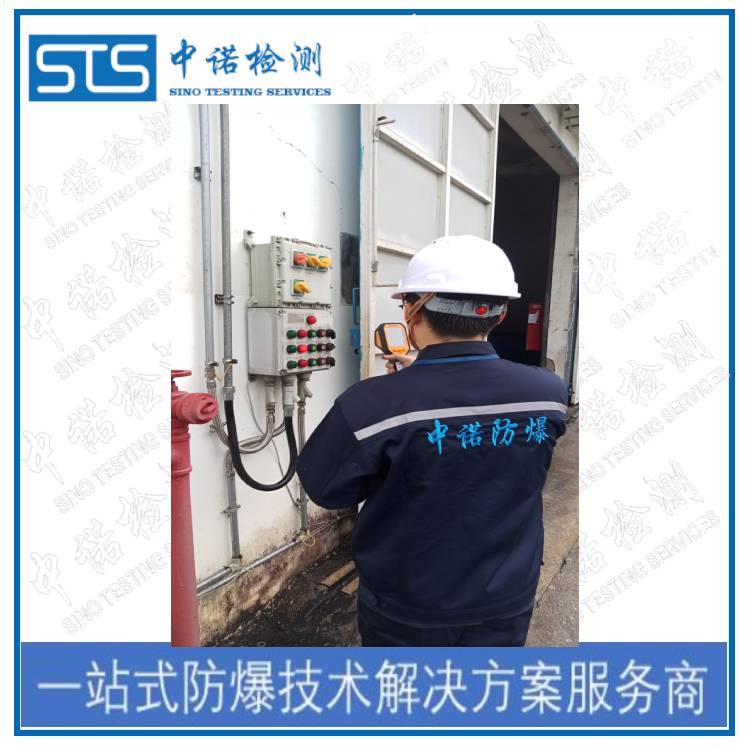
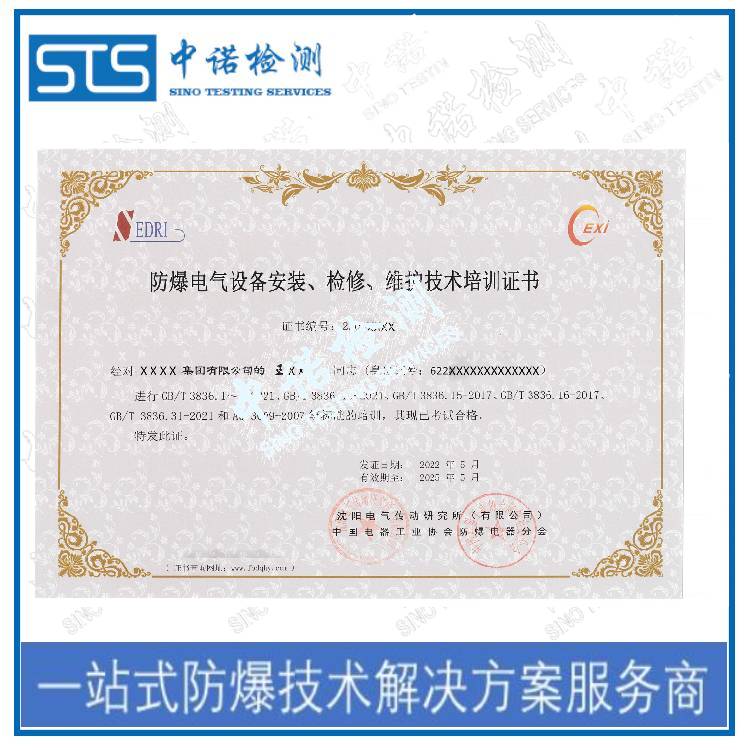
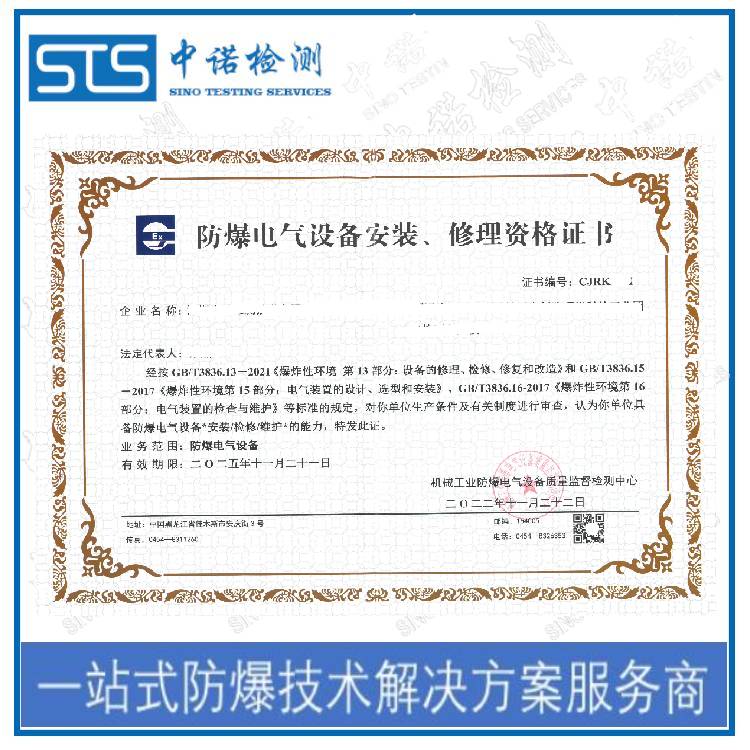
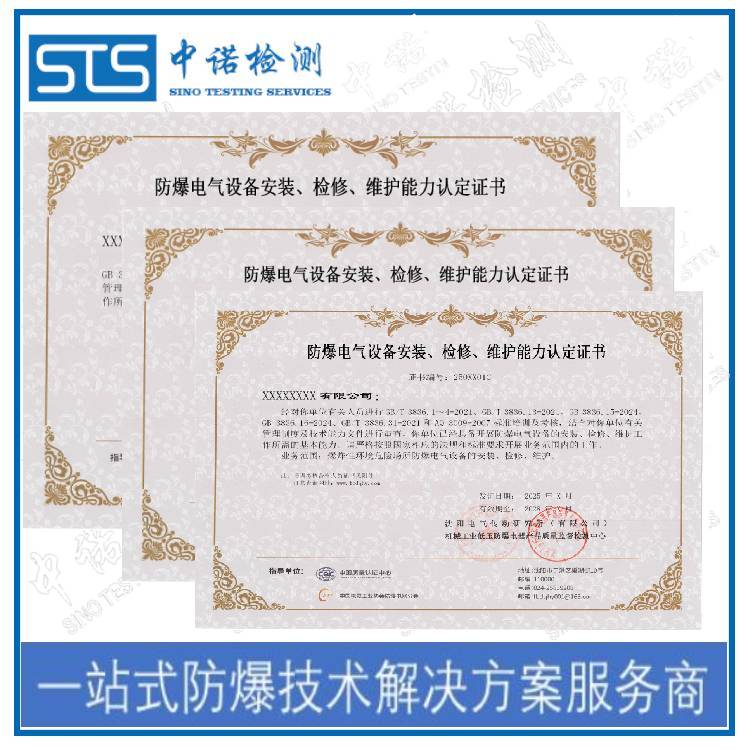





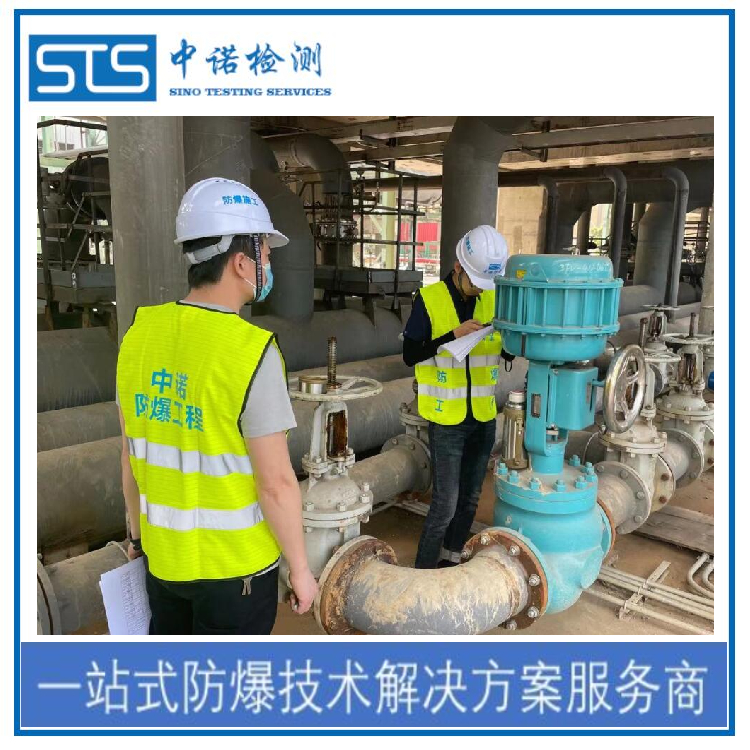
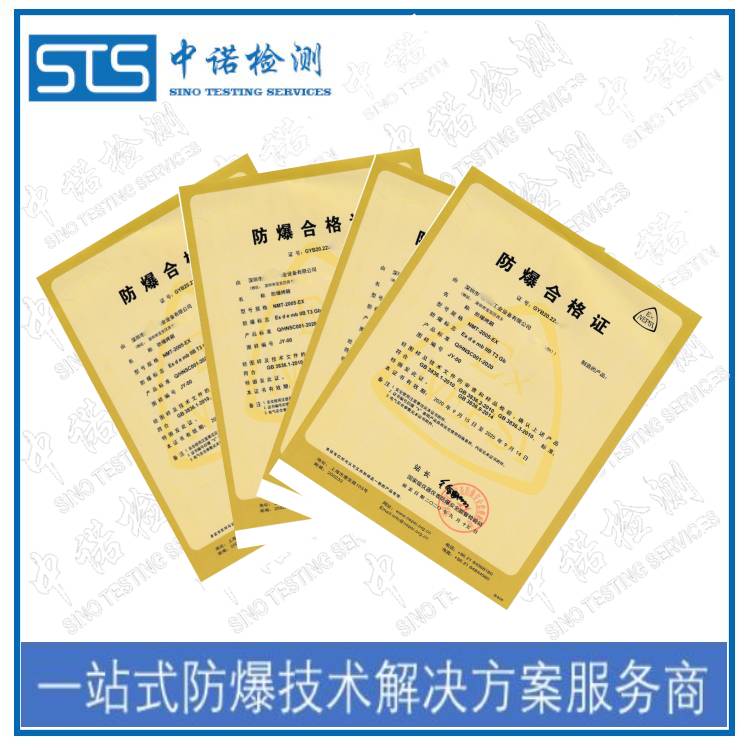
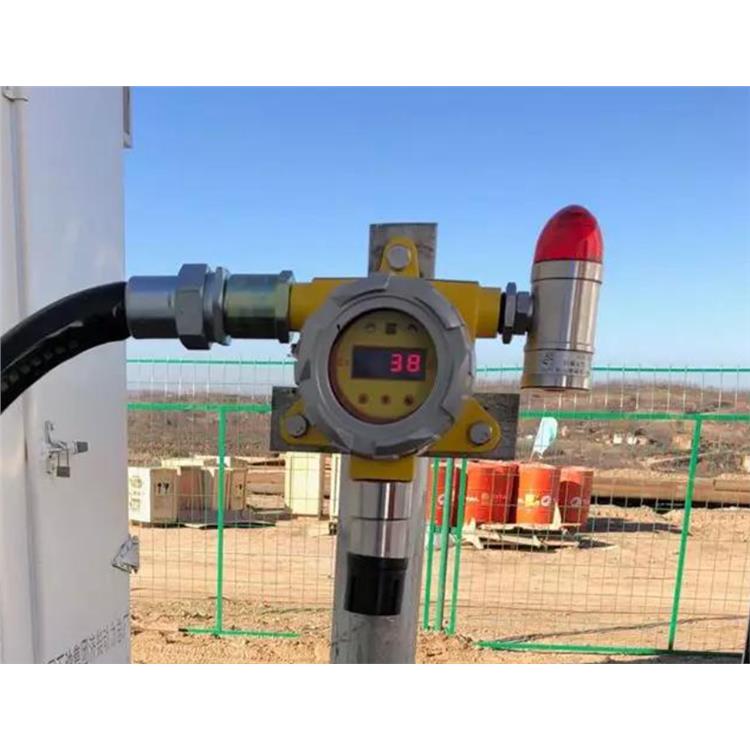
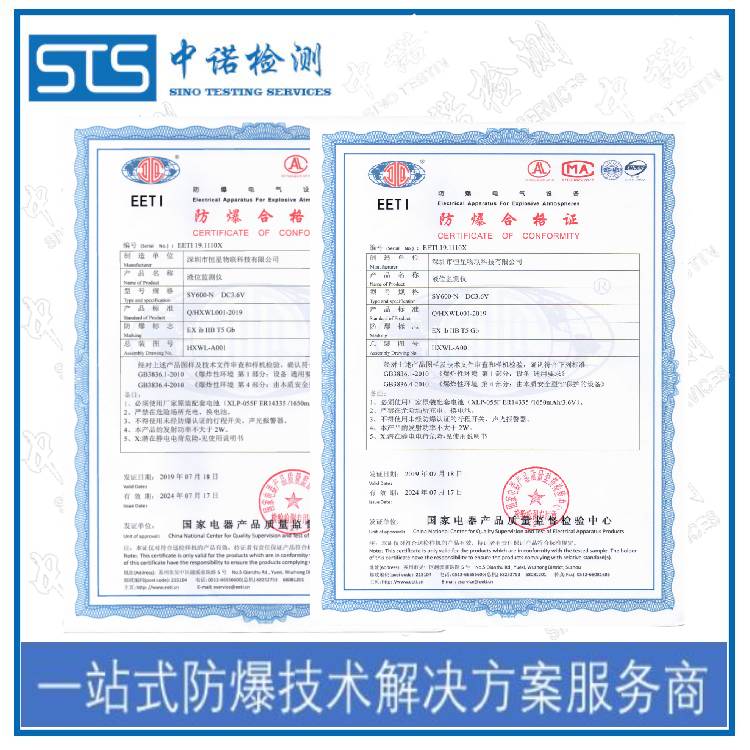
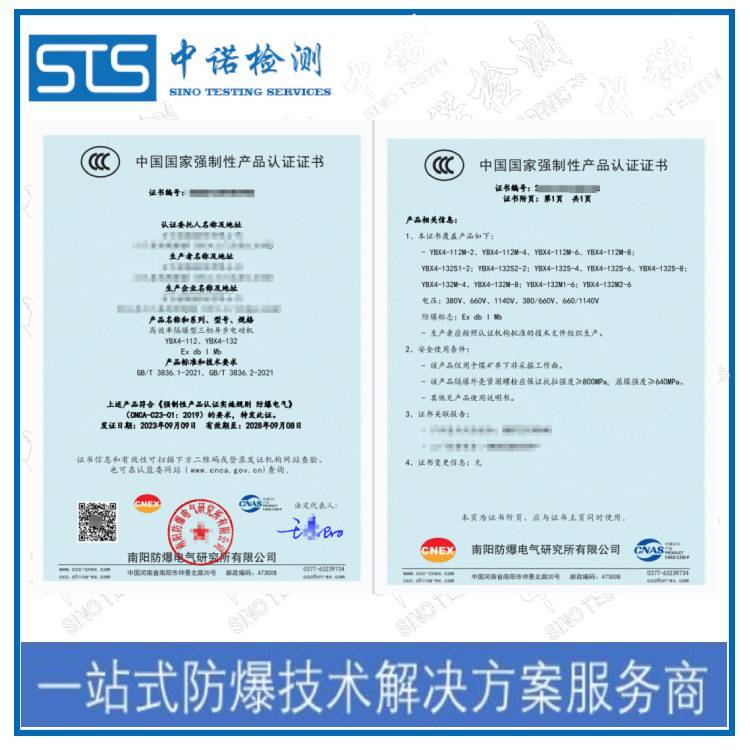
Shenzhen ZhongNuo Testing Technology Co., Ltd. is based in South China and specializes in explosion-proof certification and coal mine safety certification application consulting services, offering one-stop explosion-proof technology consulting services.
Division of explosion-proof areas in combustible dust environments -- Shenzhen ZhongNuo Testing Technology Co., Ltd.
Explosive certification categorizes hazardous areas based on the physical state of substances present in the location, distinguishing between explosive gas environments and combustible dust environments. According to the duration of presence of hazardous substances in the location, these areas with different physical states are further divided into three zones.
For environments with combustible dust, it is designated as Zones 20, 21, and 22.
Areas with continuous or long-term presence of combustible dust environments, typically above 1000 hours/year.
Zone 21 – Areas where explosive dust atmospheres may occur during normal operation, generally 10-1000h/y
Zone 22 - Under normal operation, a flammable dust environment is unlikely to occur, nor is there a place that occasionally appears for a short period of time; generally less than 10h/year.
Does the explosion-proof certification include the explosion-proof 3C certification?
Currently, domestic explosion-proof certifications are categorized into Explosion-proof 3C Certification and Explosion-proof Qualification Certificate Certification.
The explosion-proof certificate and the explosion-proof 3C certification are for different types of explosion-proof products, belonging to different certification models.
As of October 1, 2009, a portion of explosion-proof electrical equipment was included in the CCC certification catalog, which is a mandatory product certification.
Products listed in the catalog are subject to explosion-proof 3C certification, following the "Product Testing + Factory Audit" model.
Both product type tests and factory on-site evaluations must be conducted.
Ex-proof Certificate is applicable to products not listed in the Ex-proof 3C Catalogue. The certification model is Product Testing, and upon successful Product Testing, an Ex-proof Certificate can be issued.
Of course, products outside the Explosion-proof 3C catalog can also apply for only the explosion-proof certificate, but there's a risk of being penalized by market regulation. This should be considered by the client themselves. When inquiring, the client should first confirm the type of product and then decide on the certification model. If you're unsure whether the product is within the Explosion-proof 3C catalog, you can privately message Shenzhen ZhongNuo Testing Technology Co., Ltd. for an assessment and confirmation!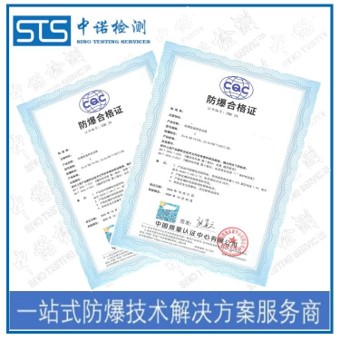
North American Explosion-Proof Certification
North American Electrical Code Certification System (hereinafter referred to as NEC System [NEC: National Electrical Code]).
Classification and grouping of explosive materials, hazardous area delineation, explosion-proof protection methods.
There is a significant difference in installation and wiring standards between what we offer and the explosion-proof certification system supported by our national standard system (hereinafter referred to as the GB system).
Currently, North American explosion-proof certification is divided into two major systems: Division and Zone. The Division system uses the explosion-proof mark native to the United States.
The Zone system employs explosion-proof standards consistent with the IEC system.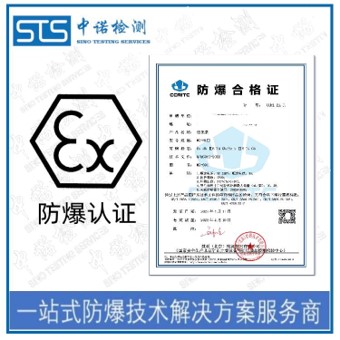
Division of explosion-proof areas in explosive gas environments
In explosion-proof certification, hazardous areas are divided into explosive gas environments and combustible dust environments based on the different states of substances present in the location. According to the duration of presence of hazardous substances in the location, these hazardous areas under two different states are further divided into three zones.
That is: for explosive gas environments, Zones 0, 1, and 2.
Zone 0 - Areas with continuous or long-term explosive gas atmospheres, typically exceeding 1000 hours/year
Zone 1 - Locations where explosive gas environments may occur during normal operation, typically 10-1000 occurrences/year.
Zone 2 - Under normal operation, explosive gas atmospheres are not possible or only occur occasionally and for short periods, typically less than 10 hours per year.
Explosion Proof Certification Application Consulting Service - Shenzhen ZhongNuo Inspection Technology Co., Ltd.
WeChat Official Account

Scan to follow Official Account