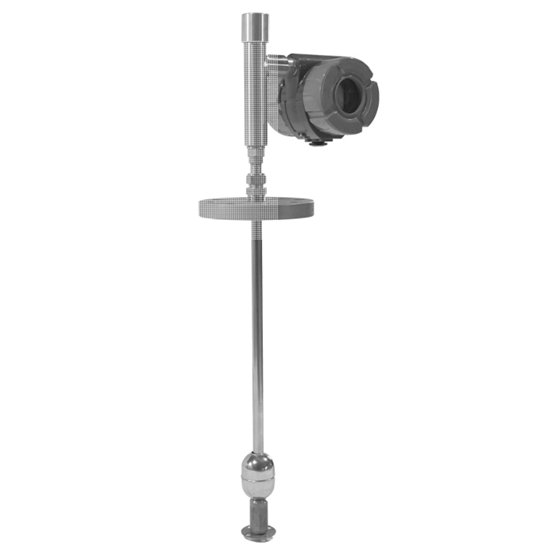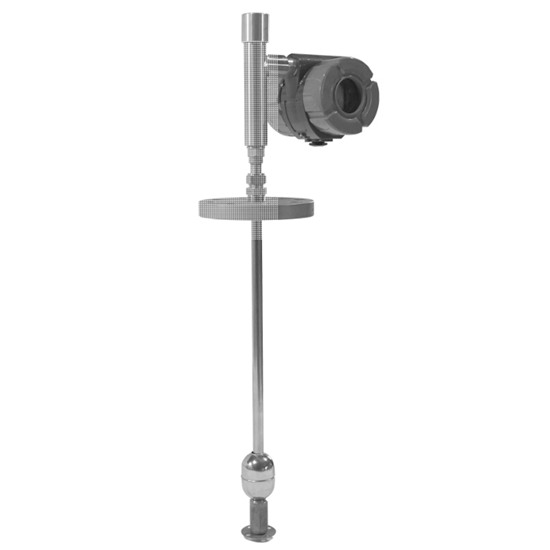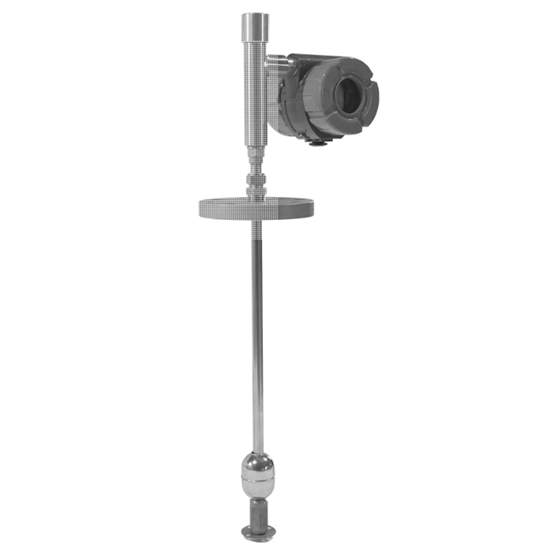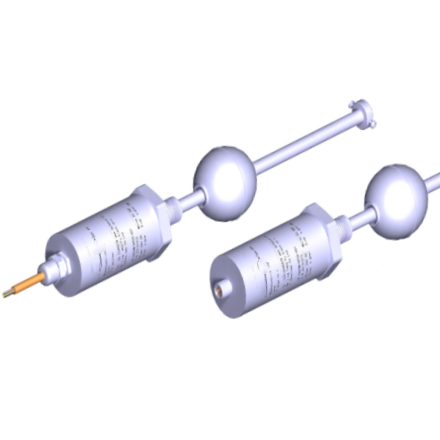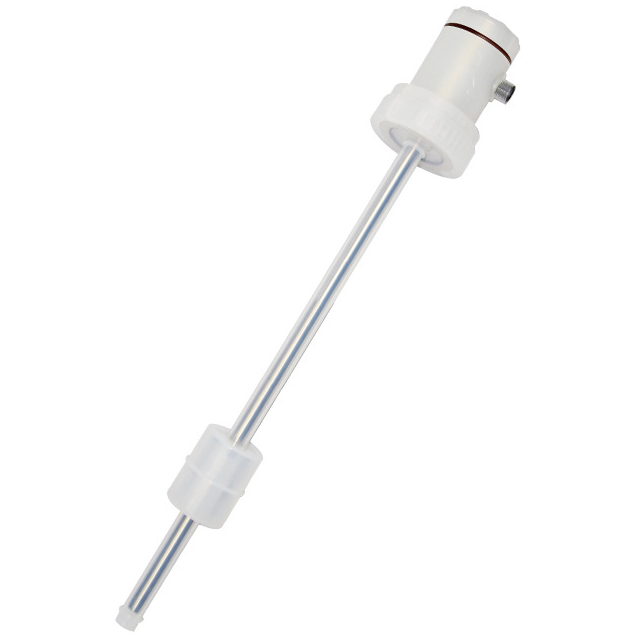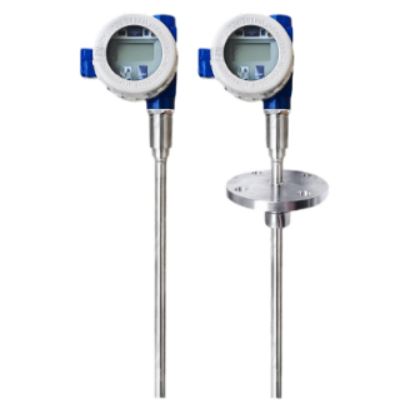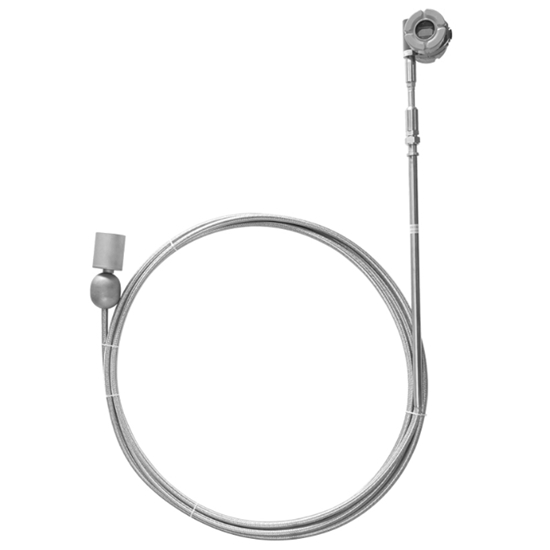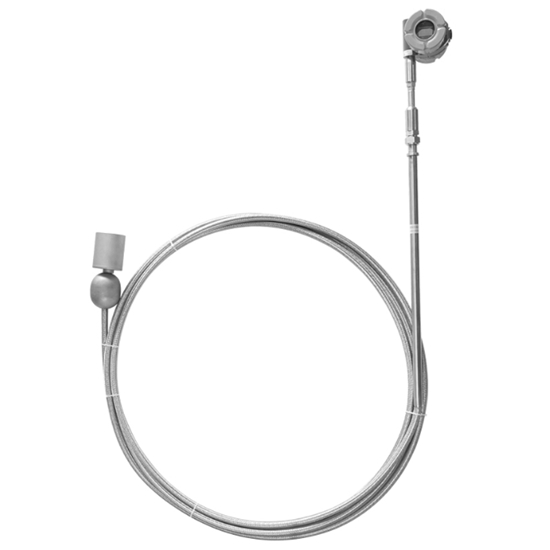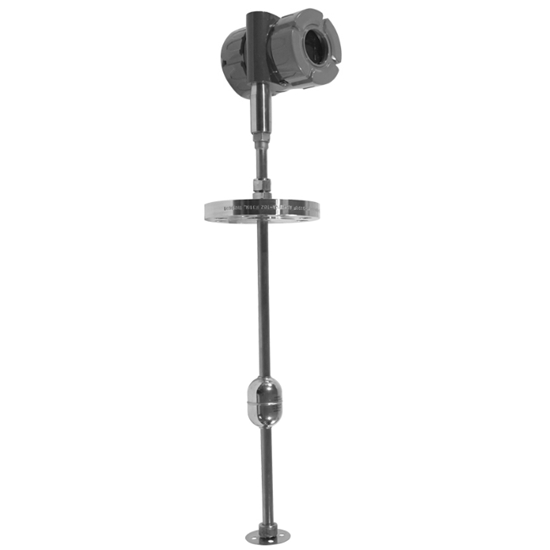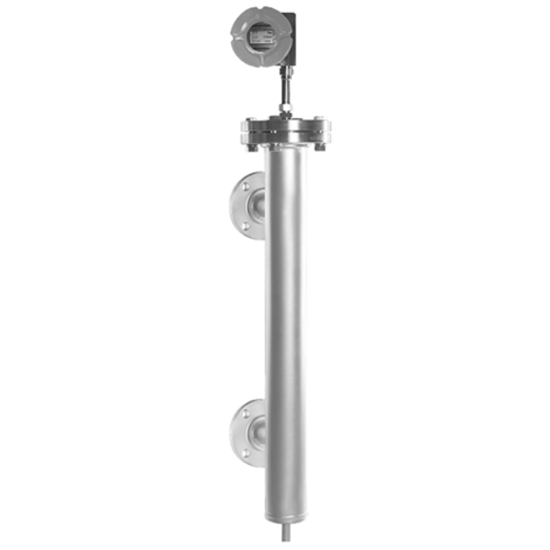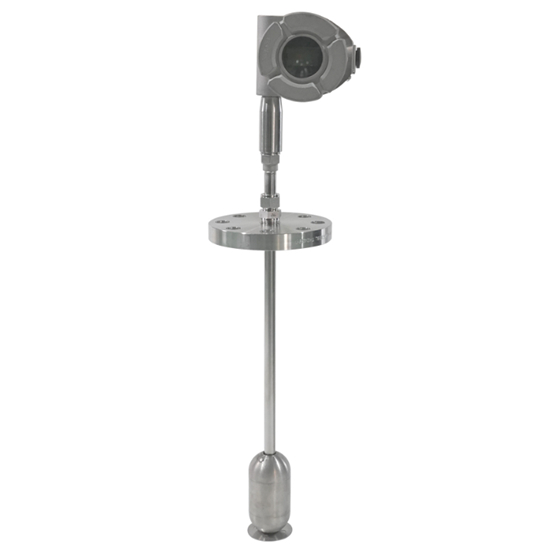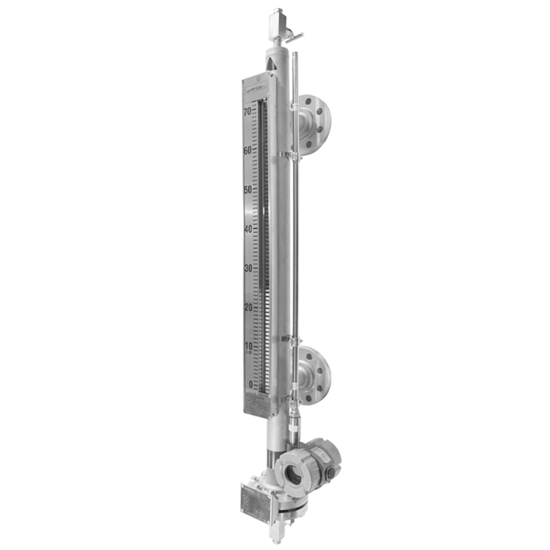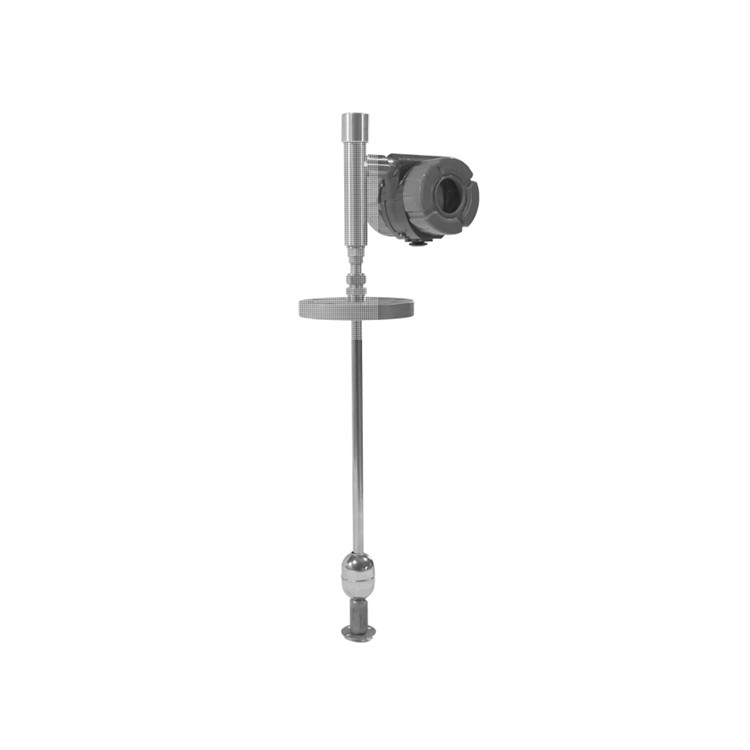

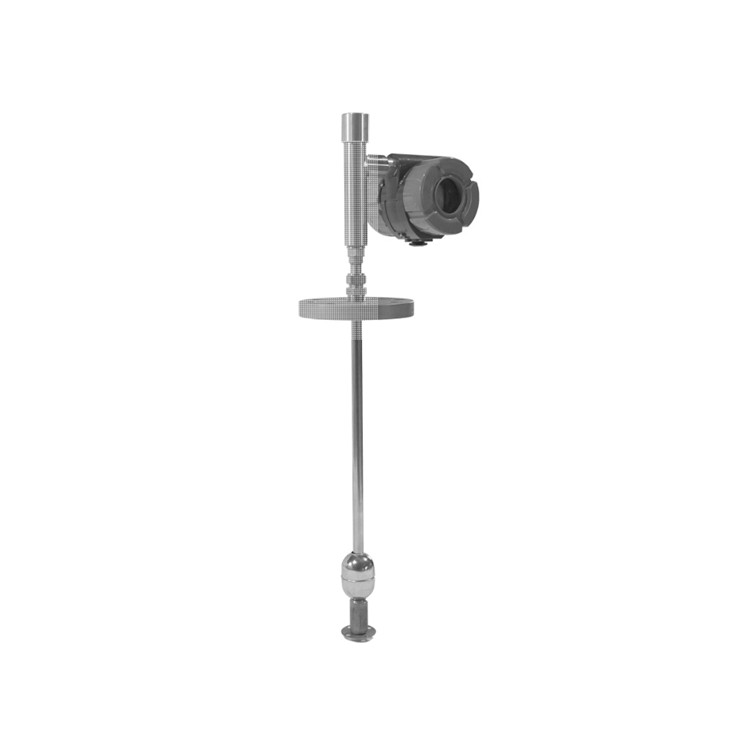
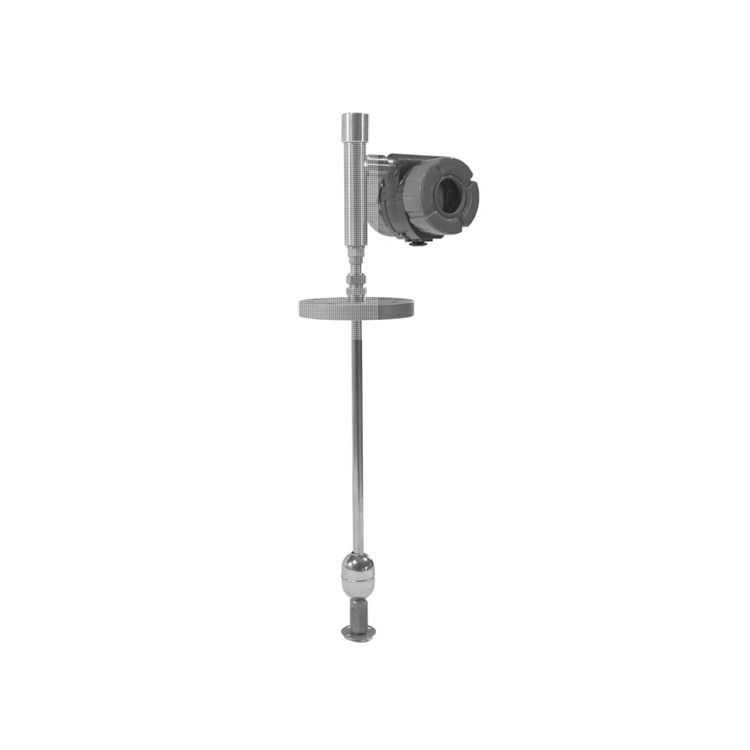
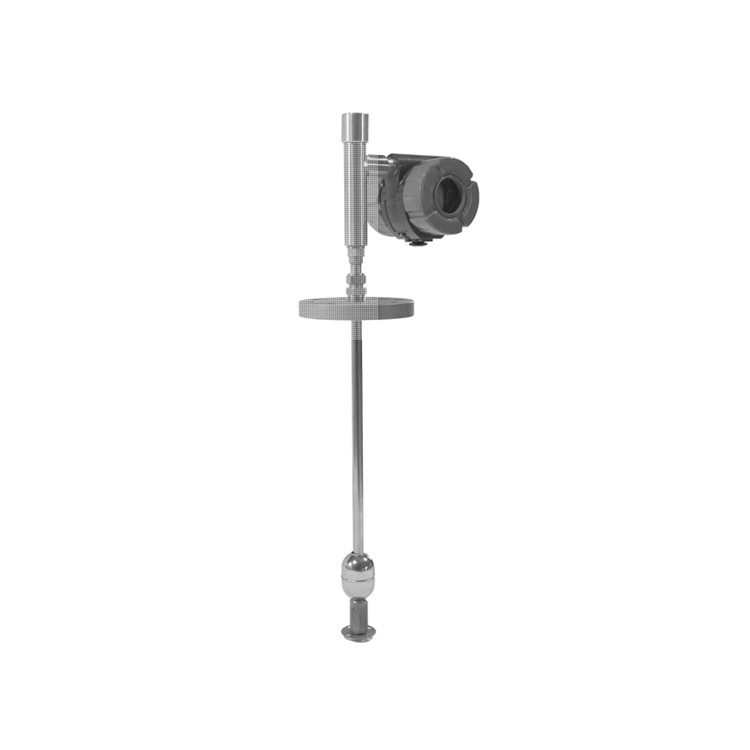


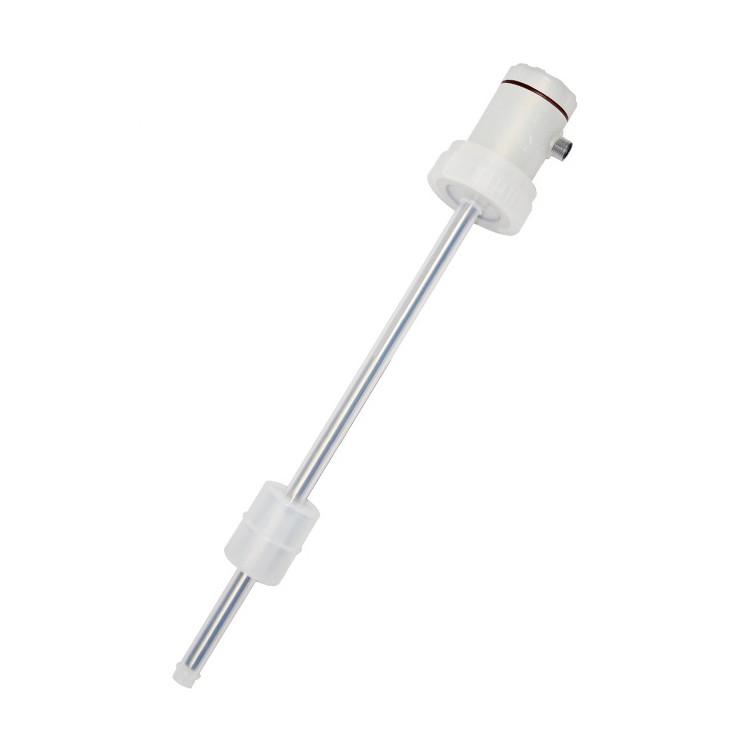

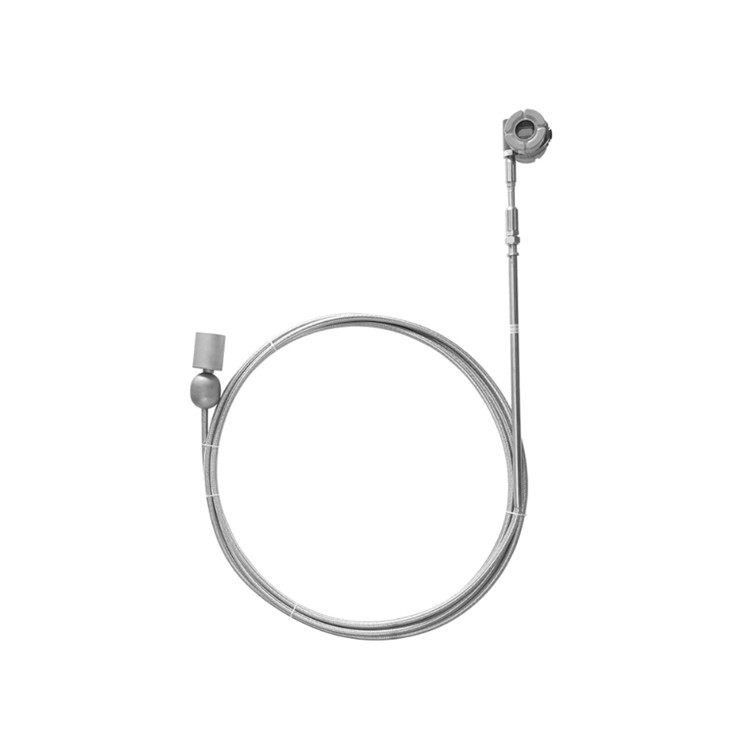





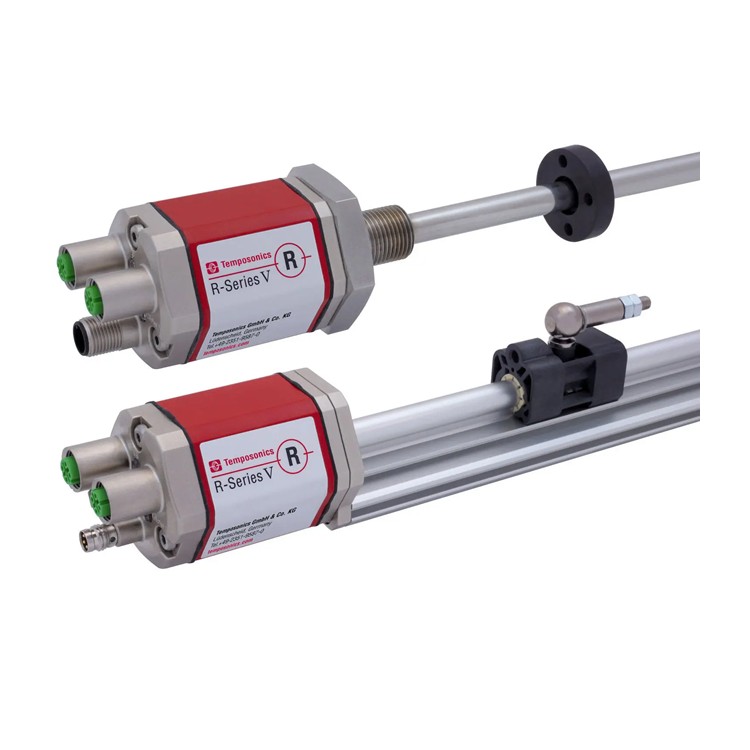
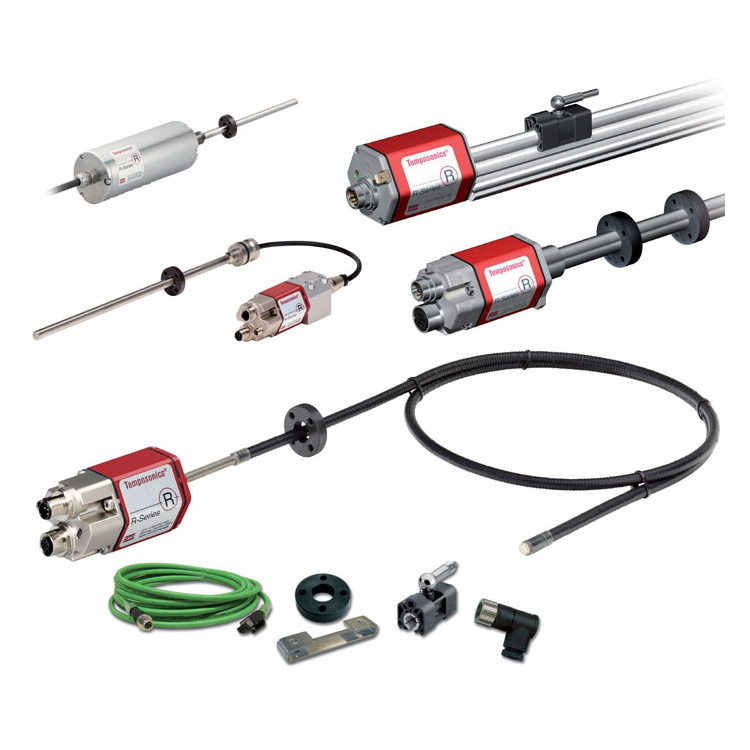
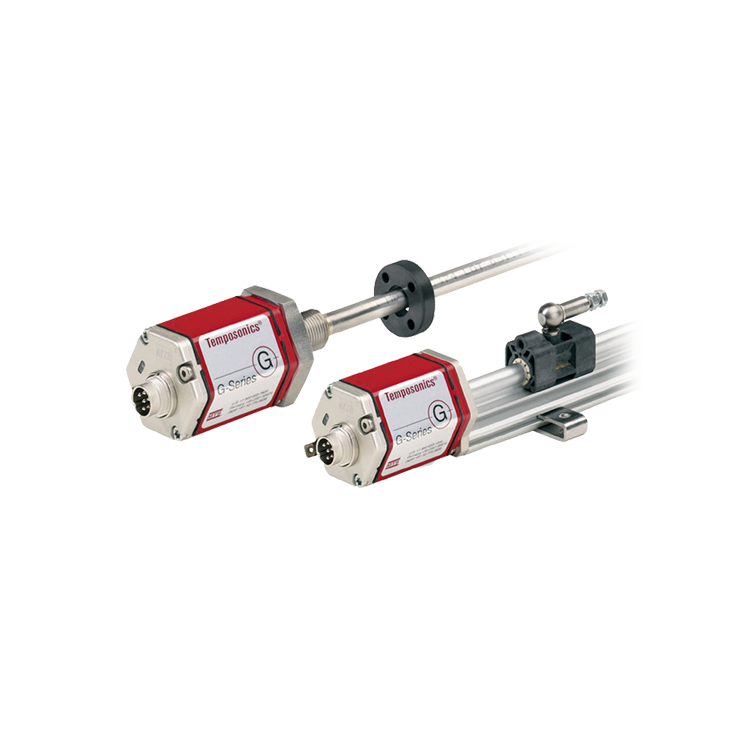
The Low-Temperature Rigid Rod Magnetic-Inductive Level Gauges are innovative products with high precision and reliability, effectively addressing the challenges of liquid level and interface measurement under extreme working conditions. Utilizing magnetic-inductive technology ensures that the measurement process is unaffected by temperature, pressure, dielectric constant, and other factors. With its high precision, stability, and maintenance-free features, it effectively avoids the shortcomings of traditional electric float switches, differential pressure transmitters, and radar-based level products in field applications, making it widely used for high-precision level and interface measurements.
Electronic Meter Head Section:
| Measurement Parameters | Level, Interface | Repetitive | ±0.38mm or 0.01% full scale |
| Nonlinear | ±0.79mm or 0.02% of full scale | Purity | ±0.38mm or 0.01% of full scale |
| Power Supply | 16~30VDC, Reverse-polarity protection | Ambient Temperature | -40~65℃ |
| Display | LCD | Signal Output | Two-wire system, 4~20mA/HART, Modbus or Profibus |
| Loop Resistance | 620Ω(24VDC) | Power Consumption | 0.65W |
| Damping | 0~32S | Intrinsically Safe Rating | Ex ia IIC T4,Ex d IIC T6 |
| Resolution | Analog: 0.01 mA; Digital: 0.01 full scale | Fault Signal | 3.86 mA or 20.96 mA |
| Humidity | 0~100 | Table Header Structure | Dual-chamber |
| Exterior Material | Die-cast aluminum or stainless steel | Outer casing treatment | Polyester coating (for die-cast aluminum only) |
| Electrical Interface | 1/2 NPT(F) or M20x1.5 | / | |
Pole assembly components:
| Process Pressure | Vacuum ~ 26 MPa | Process Temperature | -196~427℃ |
| Range | 0.15~9.1m | Probe Outer Diameter | 5/8" or 3/4" (high-pressure type) |
| Top Dead Center | No content provided. | Bottom Dead Center | Less than 2.5" (63mm) |
| Reaction Time | 0.1 second | Process connection | NPT or flanged connection, welding |
| Rod material | 316L SS, 316L SS lined with PFA, 317L SS, Hastelloy C-276, Zirconium 702, titanium materials, etc. | / | |
Dimensions and Structure:

Features:
Multi-functional: capable of measuring liquid level and interface individually or simultaneously
High Precision: Measurement accuracy up to ±0.38mm or 0.01% of full scale (whichever is greater)
Maintenance-Free: Core components do not come into direct contact with the medium, requiring no regular maintenance
Non-calibrated: Smart design with automatic parameter storage; no physical calibration required
Easy to operate: Standard buttons, no additional auxiliary equipment required
Easy to install: Simple installation, NPT/Flange connection
High safety: Ex ia IIC T4, Ex d IIC T6 explosion-proof rating and IP68 protection rating
Low power consumption: LCD display, two-wire loop powered 4~20mA/HART, Modbus, or Profibus output options available
Industry Applications and Installations:
Boilers: Drum Level
Tanks Area: Refineries, oil depots, gas stations, chemical product warehouses, petrochemical enterprise storage
Power: auxiliary equipment level (high-pressure feed, low-pressure feed, deaerator, condenser, shaft seal heater, etc.), chemical water treatment
Silicon Industry: Organosilicon, Polysilicon
Petroleum & Petrochemical: Oil and gas exploration and collection, refining, ethylene, and polyolefins.
Other: Metallurgy, Papermaking, Water Treatment, Biology, Food & Beverage, Light Industry, etc.
Product Structure:
The magnetic伸缩level gauge features a modular design, with a simple structure consisting of three parts:
Electronic Meters: Housing, Circuit Board, Electronic Module
Probe Rod Components: Probe, Sensor, Magnetostrictive Wire, Float
Accessory Components: Buoyancy Tanks and Top Flanges, etc.

Installation:
Avoid bending or damaging the liquid level probe rod during installation. If the probe rod bends, it will hinder the float's free movement along the rod, thereby affecting the measurement results. The installation steps are as follows:
1. Ensure the appropriate float size can smoothly fit into the buoy or mounting hole, as well as verify the suitability of related accessories.
2. The float is directly mounted to the probe rod of the level gauge and can move freely on the rod. When installing the float, ensure that the direction marked with "UP↑" aligns with the measuring direction.
3. Clean the probe rod and float of the level gauge, removing any attachments or stains.
4. Ensure alignment at the "0" point during installation. If the ordered product requires a fixed flange, install it directly on-site; if not, align the "0" point during on-site installation. When the level gauge shows 0mm, secure the level gauge to the installation flange.
5. When the process temperature exceeds 150°C, the probe rod at the top of the flange needs to be extended with a high-temperature bracket for better heat dissipation and reinforcement of the gauge.
6. Clean off any deposits or stains from the surface during the installation of the level gauge.