









Wastewater Treatment in Production Process, Synthetic Wastewater Treatment, Biological Wastewater Treatment, Fermentation Wastewater Treatment, Extraction Wastewater Treatment, Washing Wastewater Treatment
Professional Synthetic Wastewater Treatment Equipment, Environmental and Energy-Saving, Bio-Wastewater Treatment Expert, Stable and Efficient, Fermentation Wastewater Treatment Equipment, Environmental Compliance, Extractive Wastewater Treatment Technology, Precise and Efficient, Washing Wastewater Treatment Equipment, Professional Environmental Protection, Wastewater Treatment System, Environmental and Energy-Saving, High-Efficiency Synthetic Wastewater Treatment Equipment, Environmental, Bio-Wastewater Treatment Solutions, Environmental and Efficient, Professional Fermentation Wastewater Treatment Equipment, Environmental Stability

Biological Water Quality Characteristics
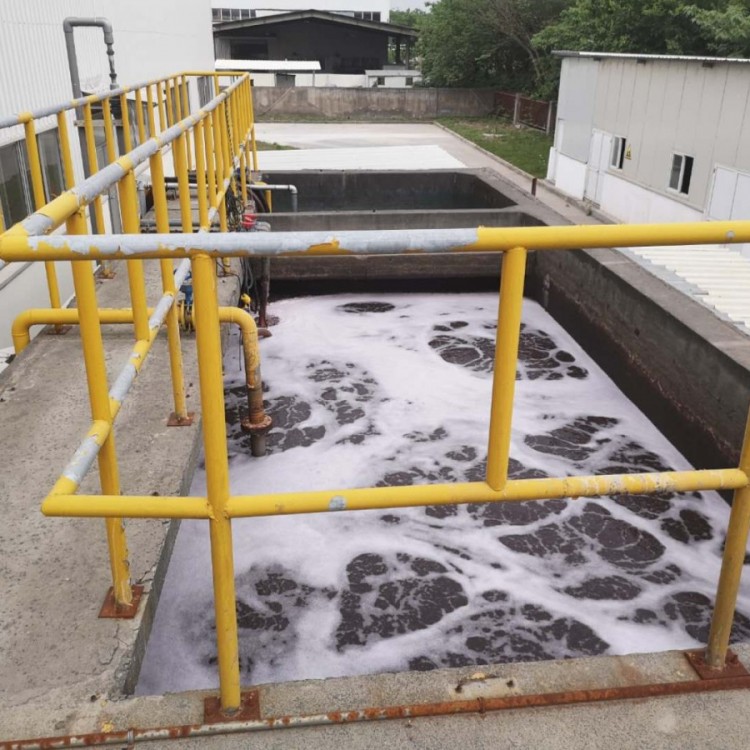
The production raw materials and process characteristics of antibiotics indicate that the wastewater from this category is complex, with high concentrations of organic matter, high solubility and colloidal solid concentrations, frequent pH fluctuations, high temperatures, color and odor, high suspended solids content, prone to foam formation, contains难degradable substances and antibacterial agents, and possesses toxicity.
(1) High COD concentration (5000-80,000 mg/L) is a major source of pollutants in anti-S生素 wastewater. This primarily includes fermentation residue substrates and nutrients, extractant residue from solvent extraction processes, distillation kettle residue discharged after solvent recovery, adsorption wastewater from ion exchange processes, fermentation filtrate of water-insoluble antibiotics, and waste liquid from contaminated tank transfer. These components have high concentrations in the wastewater, such as penicillin COD ranging from 15,000 to 80,000 mg/L and oxytetracycline COD from 8,000 to 35,000 mg/L. Consequently, aerobic biological treatment poses significant challenges.
(2) High SS concentration in wastewater (500-25,000 mg/L), primarily consisting of fermented residual culture medium and microbial filaments produced during fermentation. For example, Gentamicin SS is around 8,000 mg/L, and Penicillin is 5,000-23,000 mg/L, which is highly detrimental to the anaerobic UASB process.
(3) There are toxic substances such as non-biodegradable materials and anti-S substances with bacteriostatic properties. Due to the low yield of antibiotics during fermentation, which is only 0.1% to 3%, and the extraction rate being only 60% to 70%, most wastewater retains a high concentration of antibiotics. Under normal conditions, the residual concentration of tetracycline is 100 to 1000 mg/L, while the actual concentration in the mother liquor is as high as 1500 mg/L for tetracycline and 500 to 1000 mg/L for oxytetracycline. Penicillin, tetracycline, and streptomycin concentrations below 100 mg/L in wastewater will not affect aerobic biological treatment and can be biodegraded. However, when the concentration exceeds 100 mg/L, it will inhibit the activity of aerobic sludge, reducing the treatment effectiveness. For inhibitory substances with toxic effects, anaerobic biological treatment has certain advantages over aerobic treatment.
(4) High salt concentration. For streptomycin wastewater, the salt content is around 3000mg/L, reaching up to 5500mg/L; for oxytetracycline, it's around 2000mg/L, and for gentamicin, it's 4000mg/L. Generally, the presence of salt under aerobic conditions is considered to have no impact on biological treatment, but there are reports indicating that salt concentrations above 1000mg/L can inhibit aerobic biological treatment.
(5) Water quality is complex. Intermediate metabolites, surfactants (demulsifiers, defoamers, etc.), and high concentrations of chemical raw materials such as organic solvents remaining from extraction and separation are present. These components are prone to cause adverse factors such as significant pH fluctuations, high color intensity, and strong odors, which can affect the normal activity of methane bacteria in anaerobic reactors.
(6) Low water volume with intermittent discharge, leading to high shock load, posing great difficulty for biological treatment.