
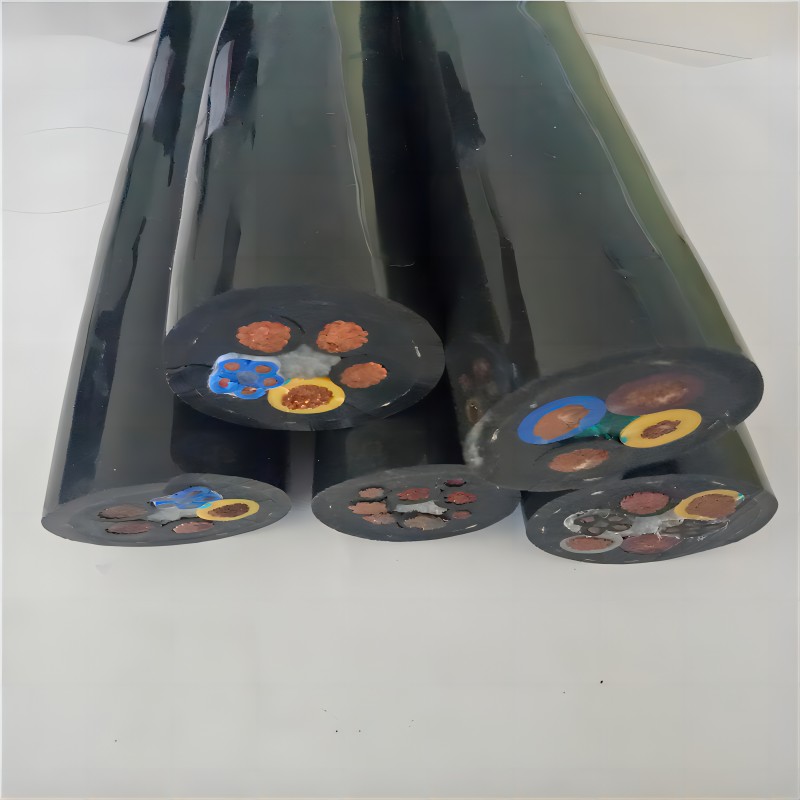
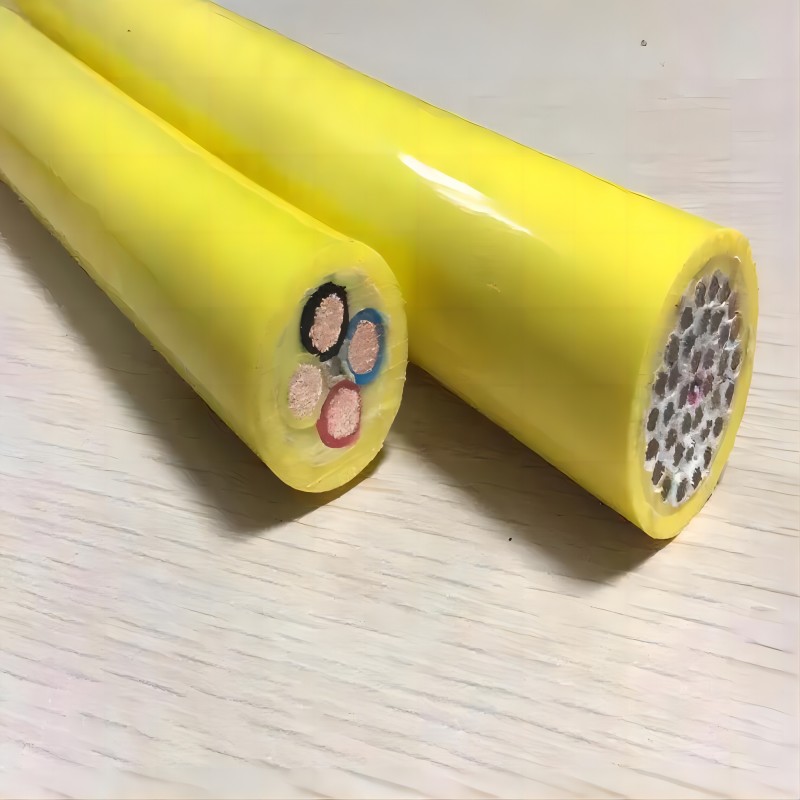













Anhui Tianming Cable Co., Ltd. - Silicone rubber is a high molecular material formed primarily by replacing carbon elements with silicon elements. It is a linear, high molecular weight polysiloxane with a molecular weight generally above 150,000. The properties of the silicon-oxygen bonds that constitute the main chain of silicone rubber determine its unique advantages not possessed by natural rubber and other rubbers. It boasts the widest working temperature range (-100℃ to 350℃), excellent resistance to both high and low temperatures. Additionally, it has excellent thermal stability, electrical insulation, weather resistance, ozone resistance, permeability, high transparency, tear strength, excellent heat dissipation properties, and superior adhesion, fluidity, and demolding characteristics. Some special types of silicone rubber also exhibit excellent oil resistance, solvent resistance, radiation resistance, and the ability to function under extreme temperatures. Within its operating temperature range, silicone rubber can maintain certain levels of flexibility, resilience, and surface hardness, with no significant changes in mechanical properties, and it can also resist long-term thermal aging.
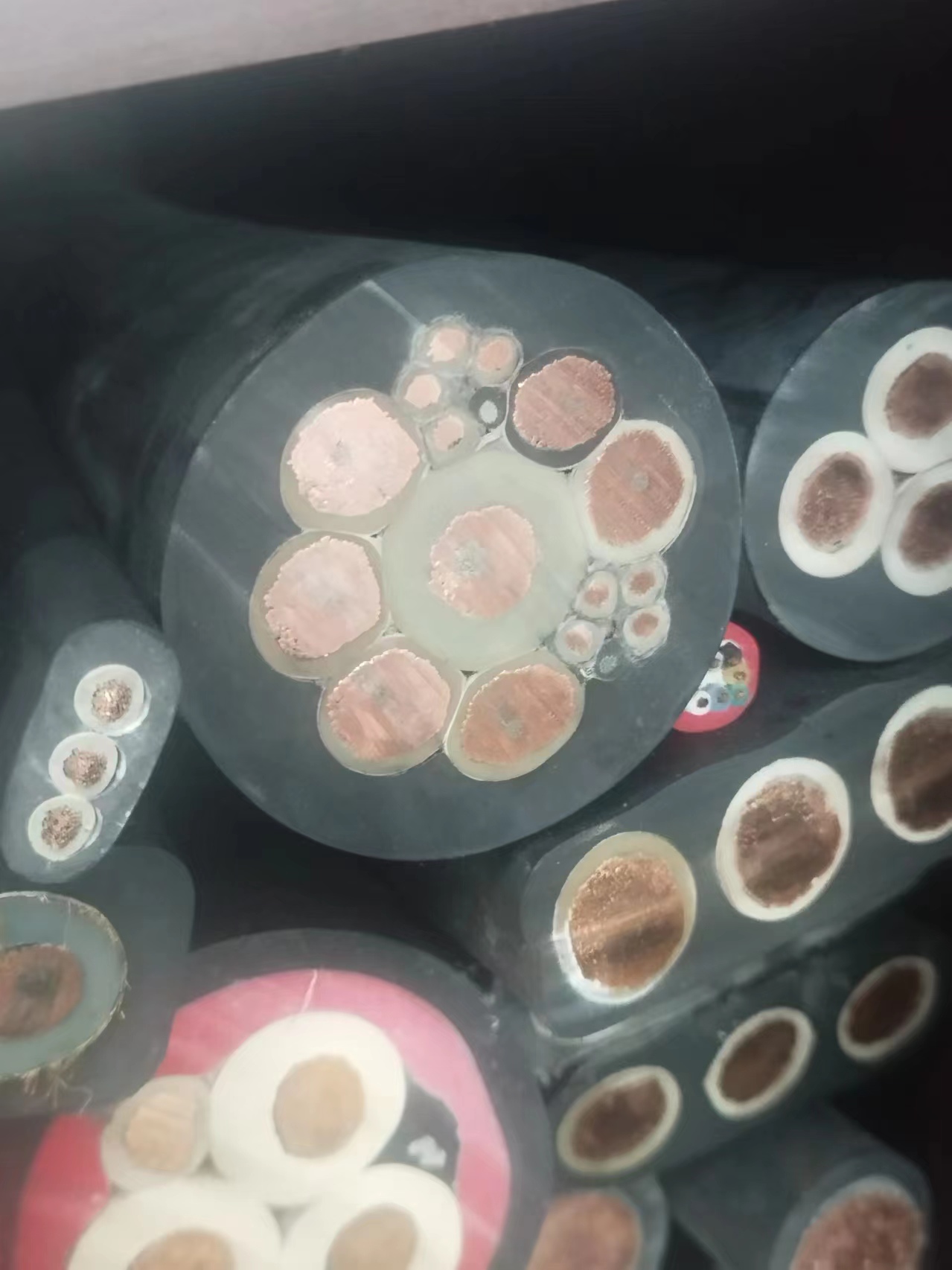
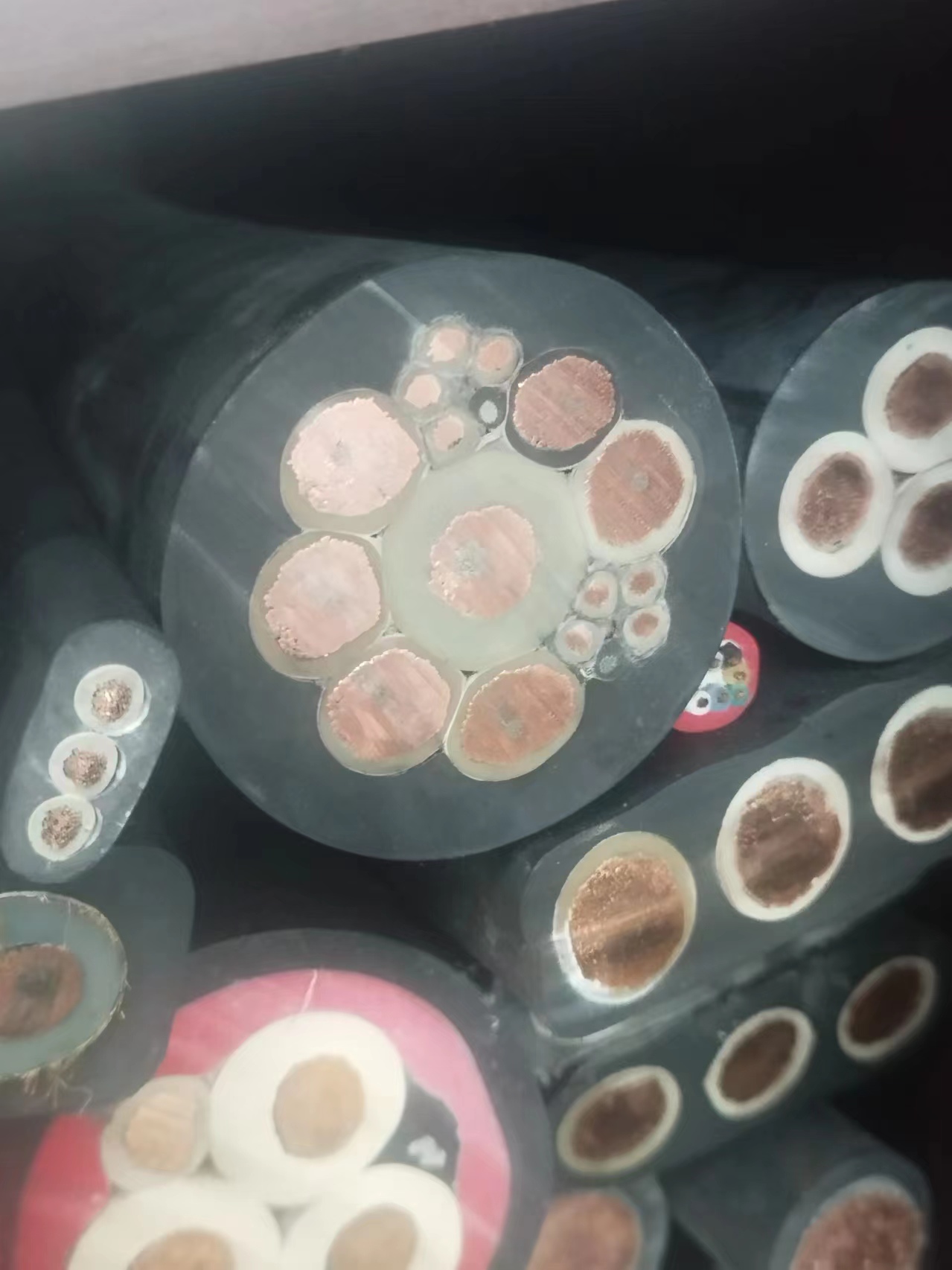
Factors affecting the long-term allowable current carrying capacity of cables mainly include: (1) the long-term allowable operating temperature of the cable conductor; the higher the temperature, the greater the long-term allowable current carrying capacity of the cable; (2) the temperature of the environment in which the cable is located; different temperatures of surrounding air, soil, etc., result in different allowable current carrying capacities; (3) the cross-sectional area of the cable conductor; the larger the cross-sectional area, the greater the allowable current carrying capacity; (4) the resistivity of the cable conductor material; the higher the resistivity, the smaller the allowable current carrying capacity; (5) the thermal resistance of the environment surrounding the cable; the greater the thermal resistance, the slower the heat dissipation, and the smaller the current carrying capacity. Airport New District, Yongji City, Hejin City, Ruicheng County, Linyi County, Wanrong County, Xinyu County, Jishan County, Wenxi County, Xi County, Jiang County, Pinglu County, Yuqu County, Xinzhou City, Xinfu District, Yuanping City, Dingxiang County, Wutai County, Fanzhi County, Ningwu County, Jingle County, Shengji County, Wuzhai County, Kejian County, Hequ County, Baode County, Pianquan County, Linfen City, Yaodu District, Houma City, Huozhou City, Quwo County, Yicheng County, Xiangfen County, Hongtong County, Guxian County, Anze County, Fushan County, Ji County. 4. How is the basic structure of a cable? What are the functions of each part? The basic structure of a cable mainly includes three parts: conductor, insulation layer, and protective layer. The conductor has high conductivity, providing a current path for power transmission; the insulation layer is used to isolate the conductor from adjacent conductors, requiring high insulation strength and heat resistance; the protective layer is divided into inner and outer layers, protecting the insulation layer from external force damage and preventing the intrusion of moisture and humidity, and should have good sealing properties and certain mechanical strength.
Silicone rubber cable model:
ZRC-DJGPGRP22, ZRC-DJFGRP22, ZRB-DJVPVPR, Product Features & Applications, ZRA-JGGR, ZRA-JGGP, ZRA-JGGP2, ZR-DJFPGP, ZR-DJGGR, ZR-DJGGP, ZR-DJGGP2, ZR-DJFP2GP2, ZR-DJFPGPR, ZR-DJGGPR, ZR-DJFGPR, ZR-DJGPGR, ZR-DJFPGR, ZR-DJGPGRP, ZR-DJFPGRP, ZR-DJFPGP22, ZR-DJFP2GP2/22
To minimize mutual interference between circuits and external interference, cables such as ZR-DJGPVFR, ZR-DJGPVFPR, ZR-DJGVFP, ZR-JFPGP, ZR-JFP2GP2, ZR-JFPGPR, ZR-JGGPR, ZR-JFGPR, ZR-JGPGR, ZR-JFPGR, ZR-JGPGRP, ZR-JFPGRP, ZR-JFPGP22, ZR-JFP2GP2/22, ZR-JFPGP22, ZR-JFPGPR22, and ZR-JGGPR22 feature a shielding structure.