













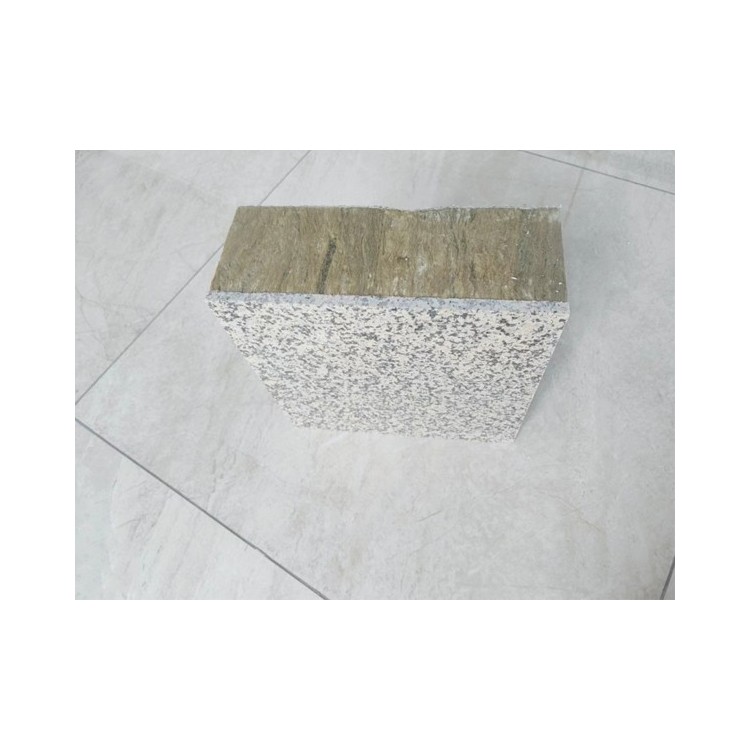
ALC sealantIt is a material used for filling and repairing cracks on building surfaces, primarily composed of various raw materials. Its storage contents include the following aspects.
Firstly, the main components of ALC grout are cement and quartz sand. Cement is a commonly used building material, made by calcining and grinding limestone, clay, and other mineral raw materials. It has strong adhesive properties, capable of bonding different materials together, used for filling gaps and repairing surface cracks. Quartz sand is a hard ore with good wear resistance and high-temperature resistance. When mixed with cement, it enhances the strength and stability of the grout.

Secondly, the ALC grout also contains a certain proportion of polymer modifiers. Polymer modifiers are chemicals that can alter material properties, enhancing the weather resistance, crack resistance, and adhesion of the grout, thereby improving its performance and lifespan. These modifiers are typically in a liquid form and, when mixed with cement and quartz sand, they can form a stable grout material.
Third, the ALC grout may also contain some pigments and preservatives. Pigments are used to adjust the color of the grout, allowing it to blend better with the building surface and enhance its aesthetic appeal. Preservatives extend the shelf life of the grout and prevent quality issues caused by the growth of bacteria and mold.
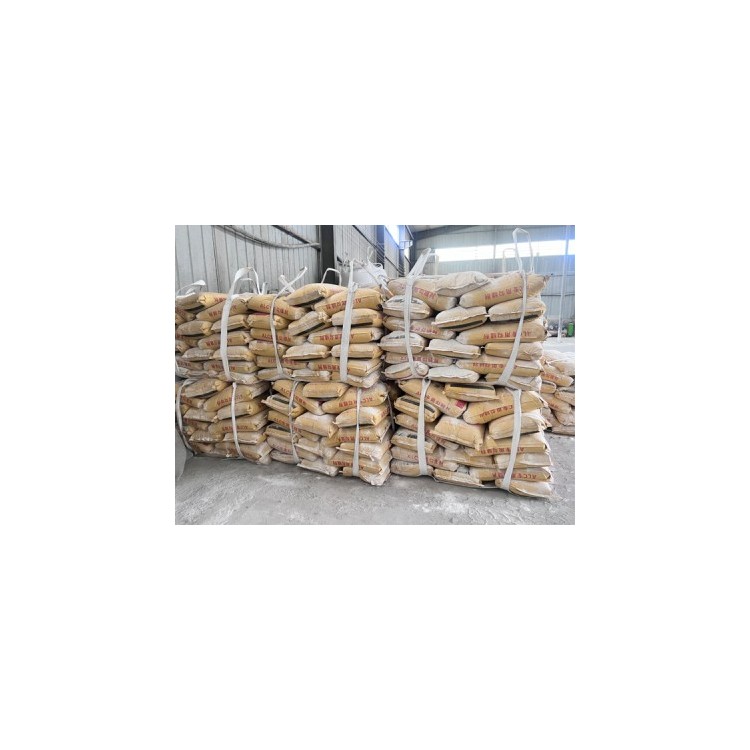
Fourth, ALC sealant is typically stored in bags, with each bag weighing 20 kg or 25 kg net. Bagged sealant material is convenient for handling and operation, effectively preventing moisture and contamination during storage and transportation.
In addition to the above, the storage content of ALC sealant includes its specifications, production date, and expiration date, among other information. These details are typically displayed on the packaging bags in the form of labels or tags for easy reference and use by customers. The specifications of the sealant can be selected based on the specific project requirements, with common sizes including 1mm, 2mm, and 3mm. The production date and expiration date are provided to ensure the quality and safety of the material during use. Customers are required to check this information before use to confirm that the sealant is within its expiration period.