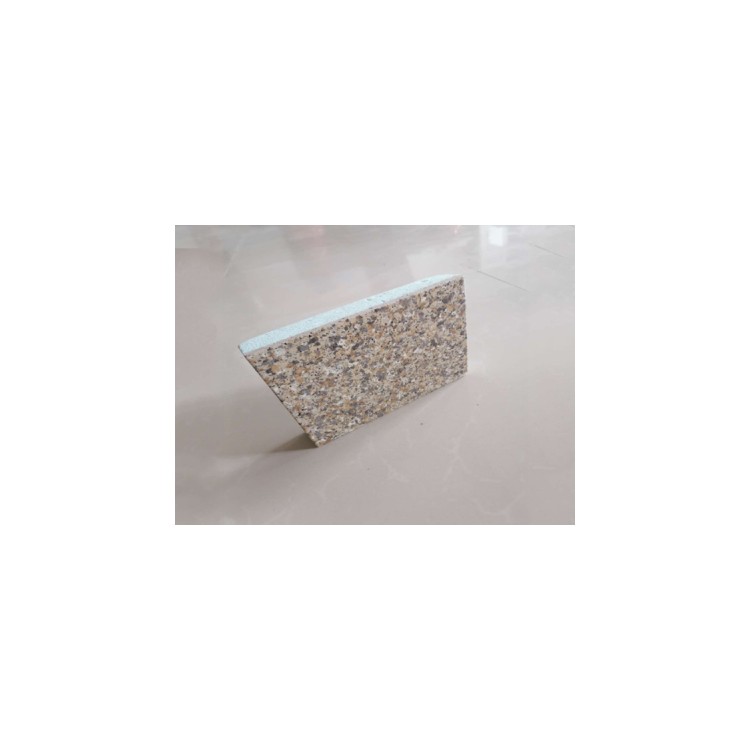












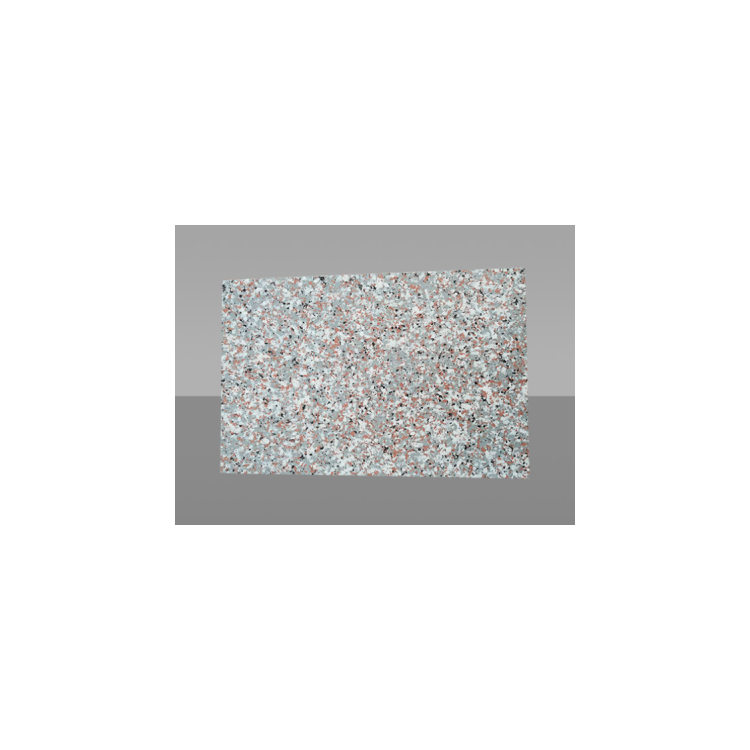


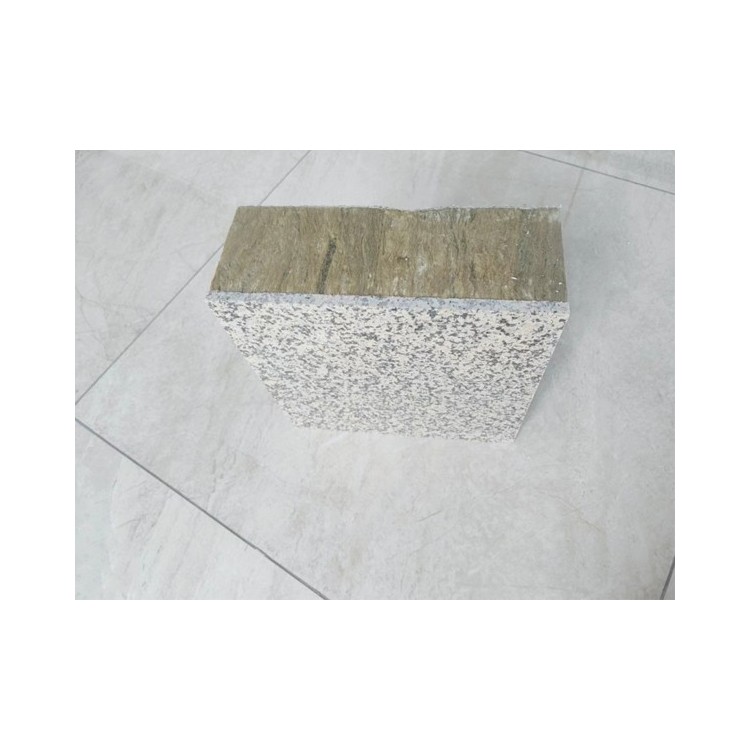
Ultra-thin ceramic monolithic boardIt is a new type of decorative material that has gained wide application in the field of architectural decoration in recent years. Its thickness is typically only a few millimeters, yet it boasts excellent compressive strength and waterproof properties, making it an upgraded version of traditional tiles. In this article, we will provide a detailed introduction to ultra-thinCeramic monolithic panelFeatures, application fields, and future development trends.
Ultra-thin ceramic monolithic panels are made by firing natural clay, quartz sand, and pigments at high temperatures. They boast unique toughness and corrosion resistance, along with a dense ceramic crystal structure that effectively resists wear and external pressure. Additionally, these panels have excellent waterproof properties, are not prone to absorbing water, seeping, or warping, making them suitable for use in various environments such as bathrooms, kitchens, and balconies.

Ultra-thin ceramic monolithic panels have a wide range of applications. Firstly, they can be used for interior wall and floor decoration. Due to their large size, they require minimal gaps during installation, allowing for seamless joints and enhancing the continuity and aesthetics of indoor spaces. Secondly, they are also suitable for exterior wall decoration. These ultra-thin ceramic monolithic panels not only offer resistance to weathering and climate, but also effectively protect against UV radiation, maintaining their beauty in outdoor environments for a long time.
Additionally, ultra-thin ceramic monolithic panels can also be used in the production of furniture, cabinets, accessories, etc. Thanks to their unique material and process, these panels can create products that are thin, durable, and resistant to stains, making furniture and accessories more refined and long-lasting. For instance, ultra-thin ceramic monolithic panels can be used to make eco-friendly, non-toxic countertops with excellent wear and waterproof properties, making them ideal for kitchen use.
With the continuous advancement of technology, ultra-thin ceramic monolithic panels hold a vast potential for future development. Firstly, the manufacturing process of ultra-thin ceramic monolithic panels will be further refined, making them even thinner and lighter in weight. This will facilitate a more convenient and efficient construction process, reducing labor intensity. Secondly, the quality of ultra-thin ceramic monolithic panels will be enhanced, ensuring greater reliability and stability. This will further strengthen their competitive edge in the market and promote their widespread application.