








Basic Introduction to Steel and Aluminum Conduit Chains
I. Definition and Core Function
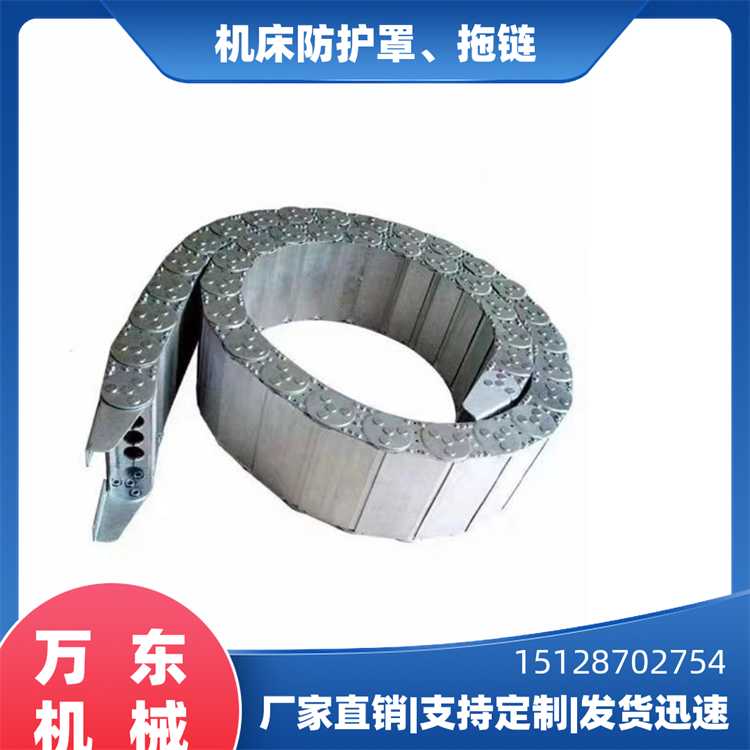
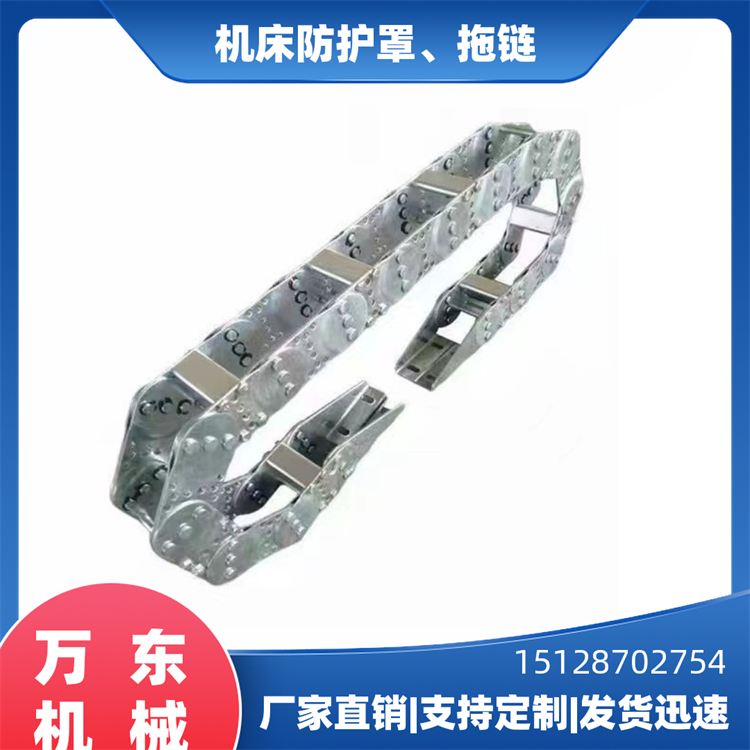
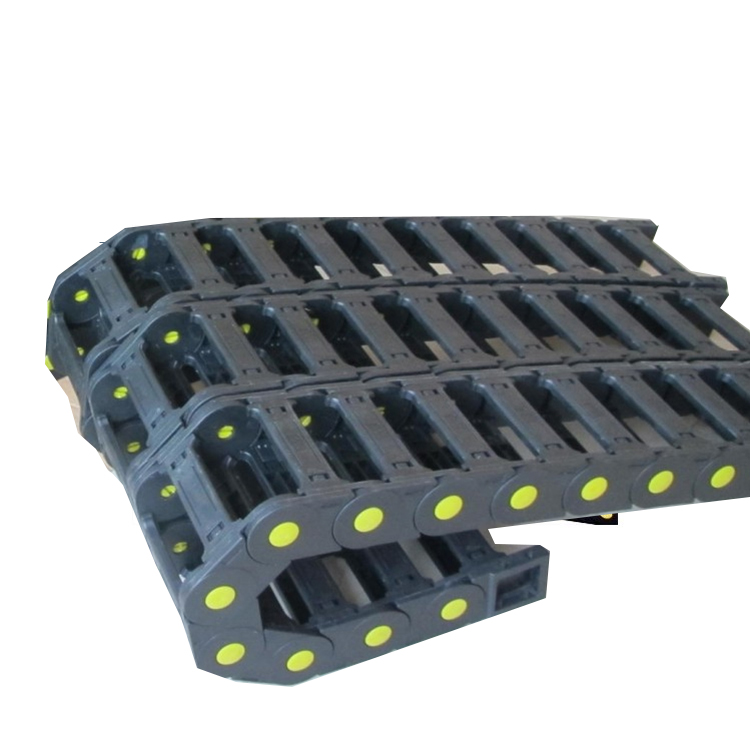
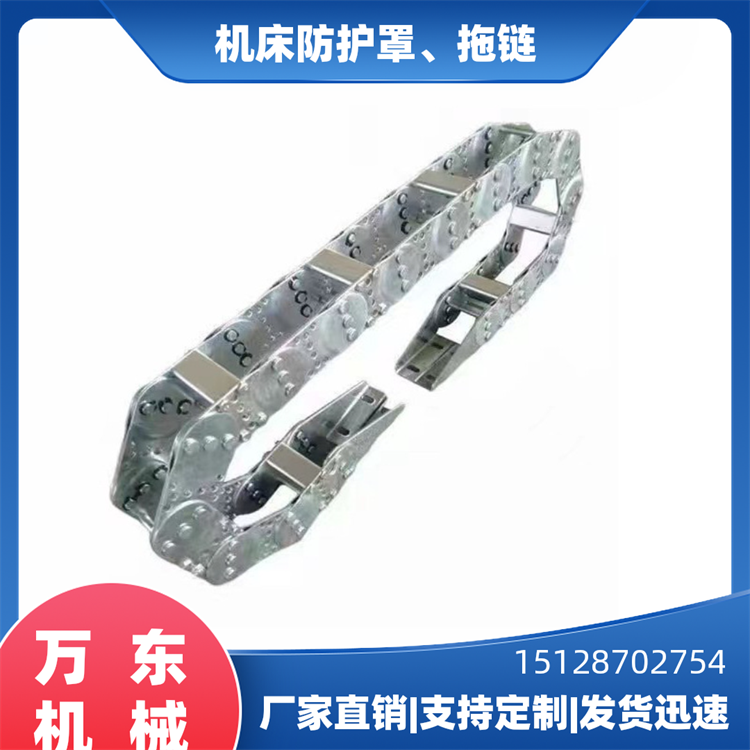
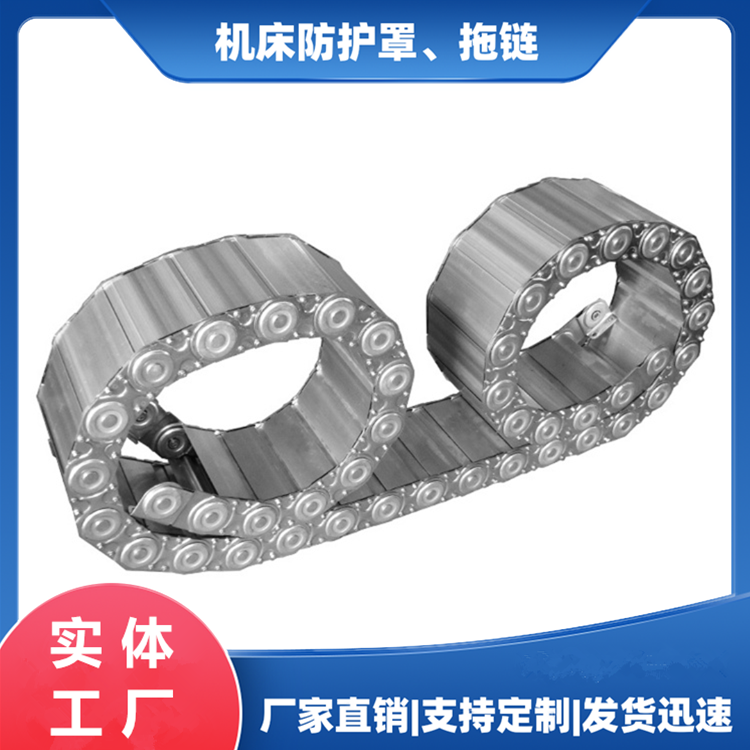
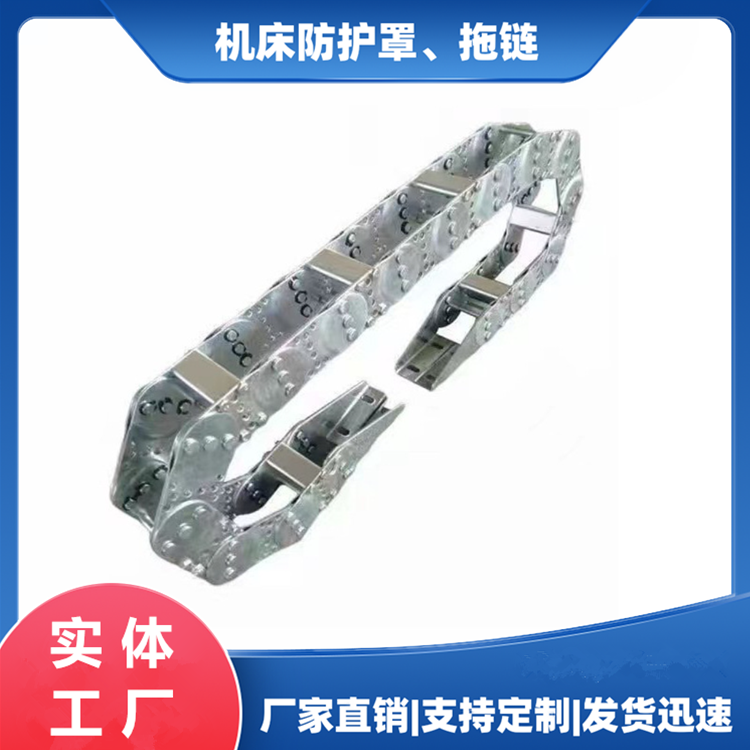
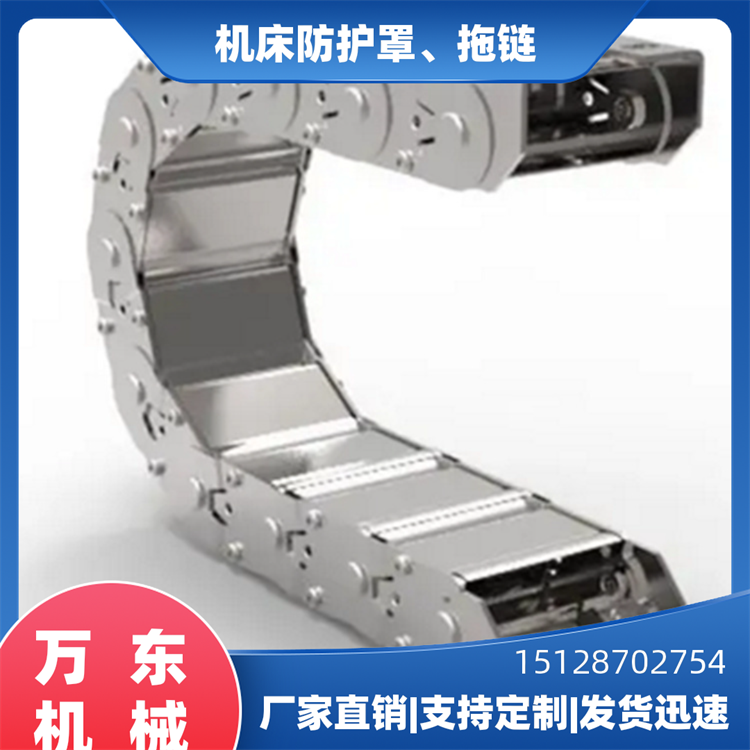
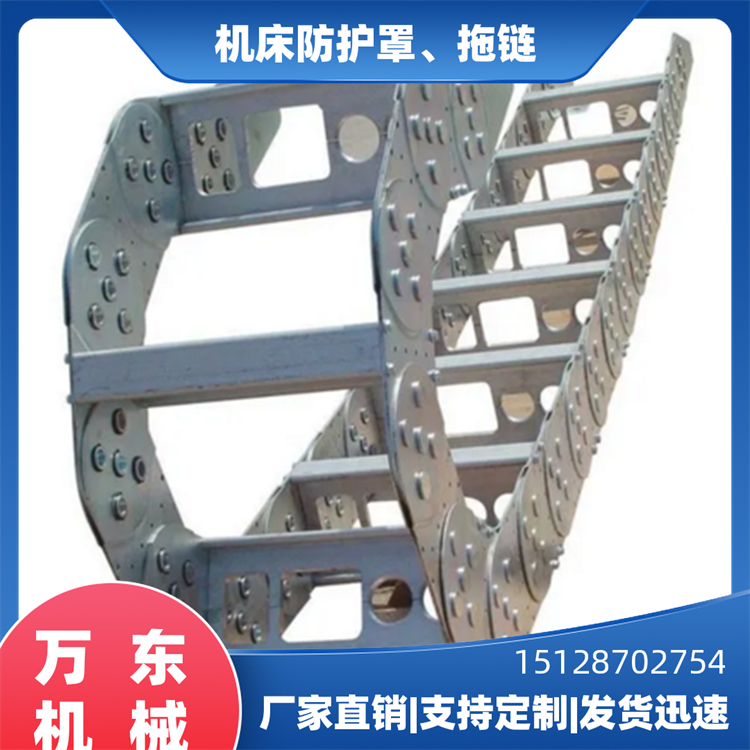
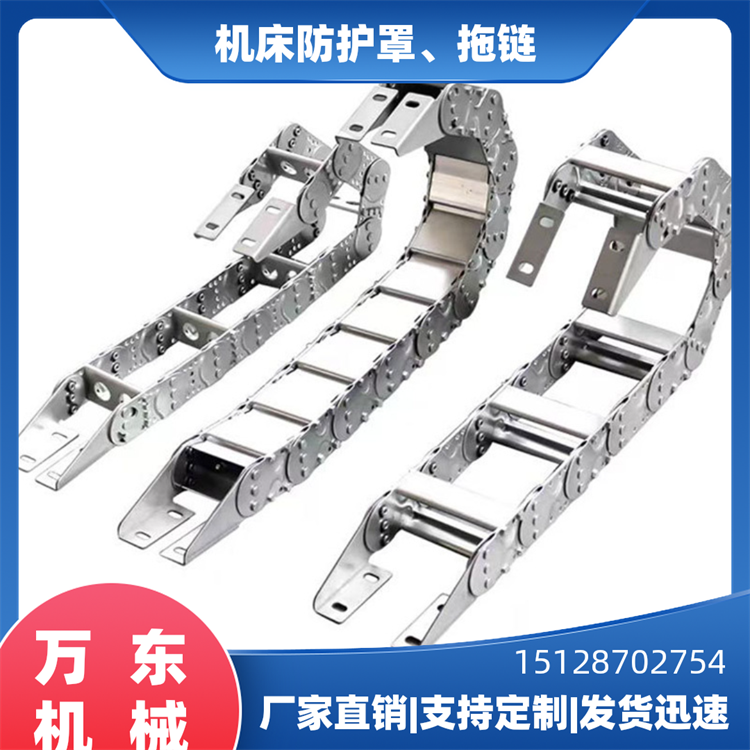
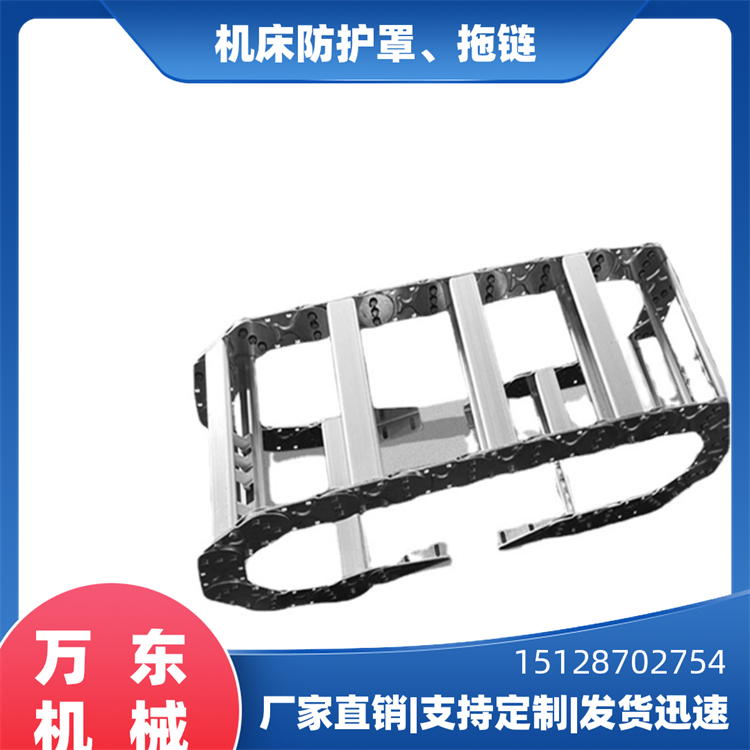
Steel and aluminum conduits are industrial protective devices made from high-strength aluminum alloys and stainless steel materials, primarily used for ensuring the safety of cable, oil pipelines, gas pipelines, and other linear equipment during reciprocating movements. Their core functions include:
Protection Function: Prevents cables from damage due to friction, compression, or external environment factors (such as oil stains, dust).
Guidance Function: Ensures the cable moves along a fixed path, preventing tangling or twisting26.
II. Structure and Design Features
Modular Link
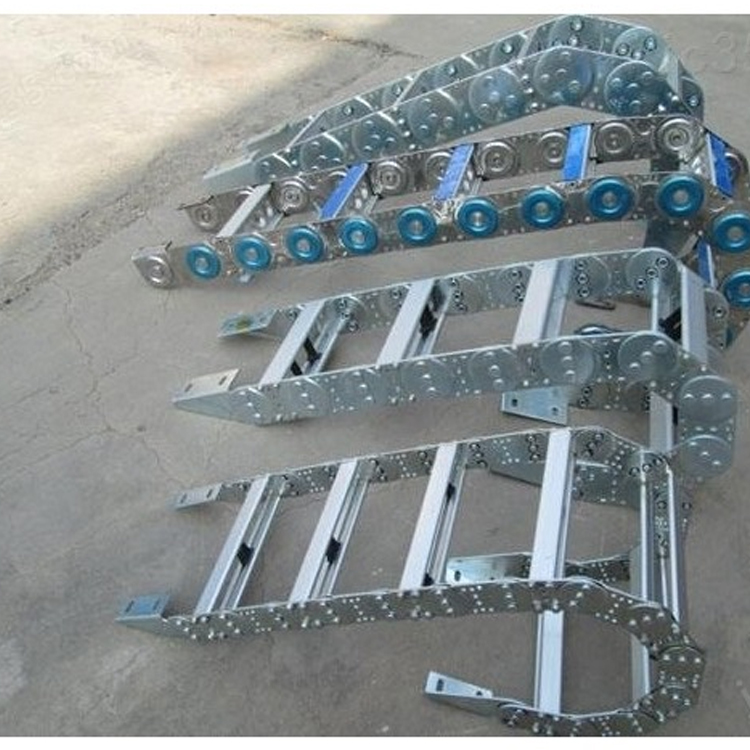
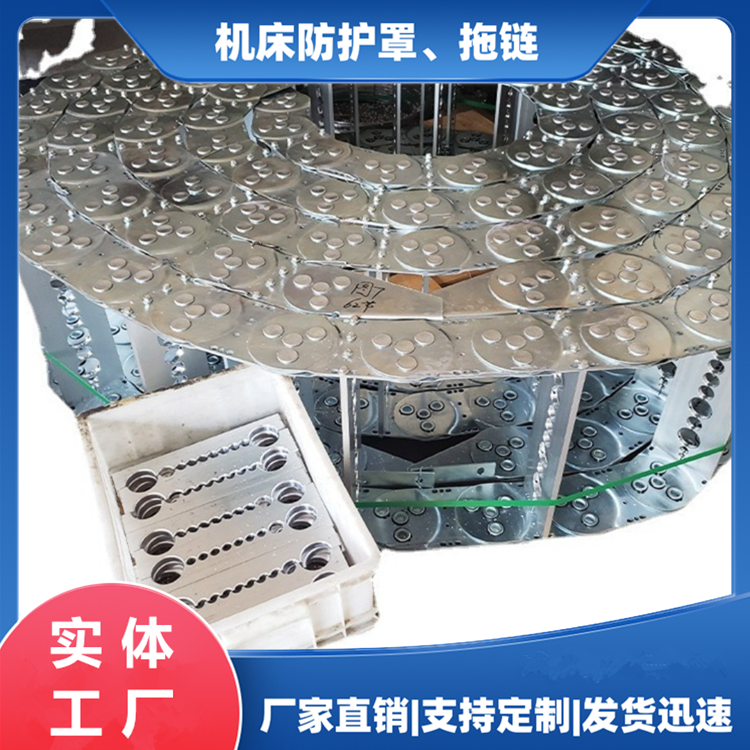
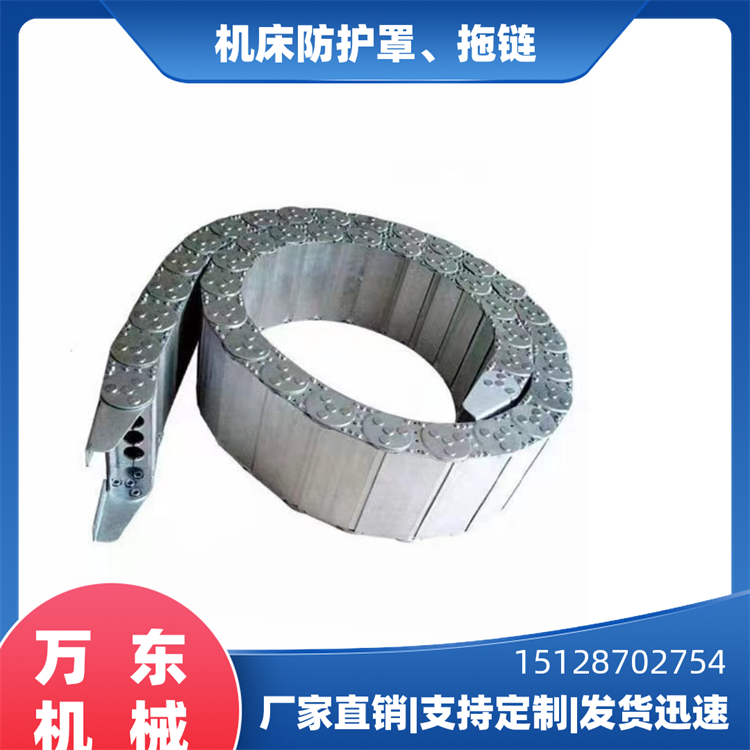
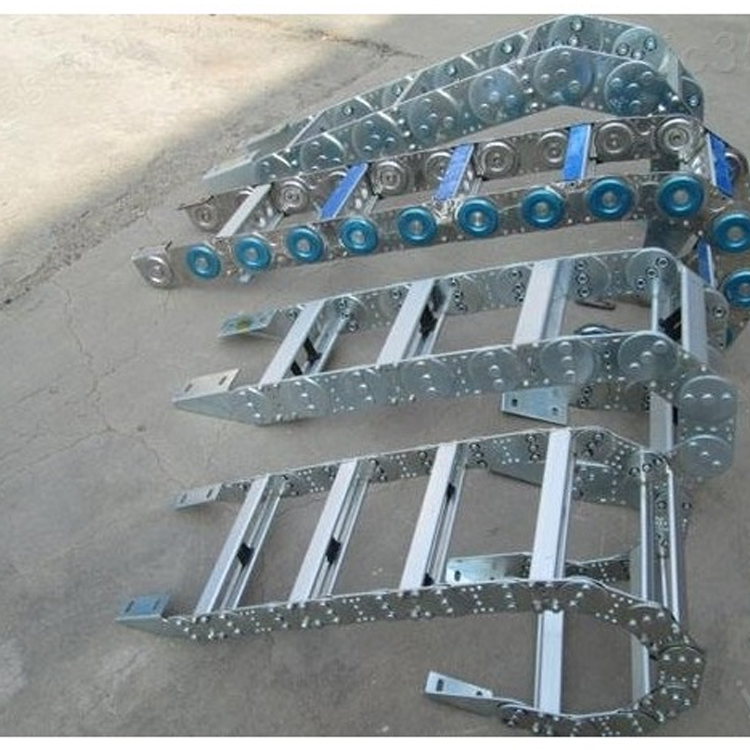
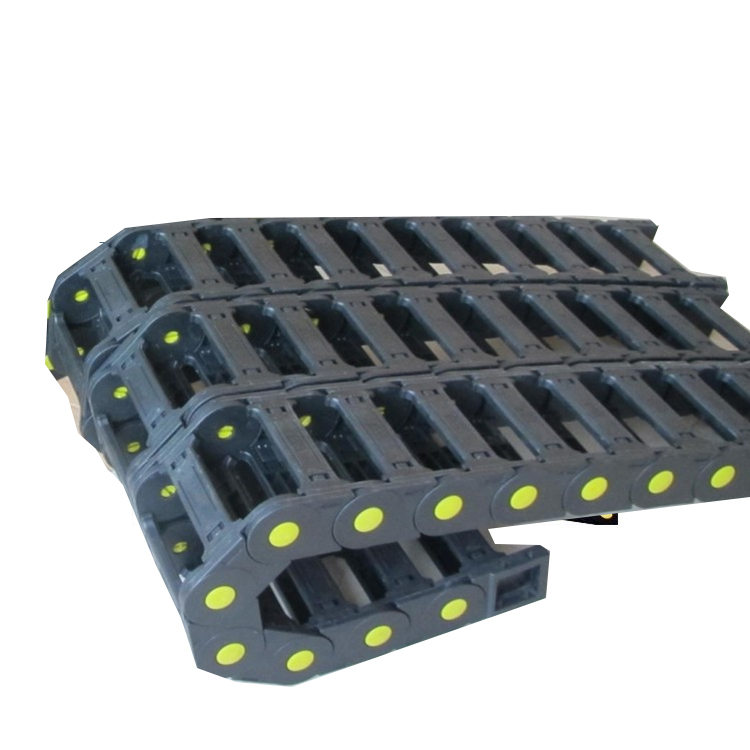
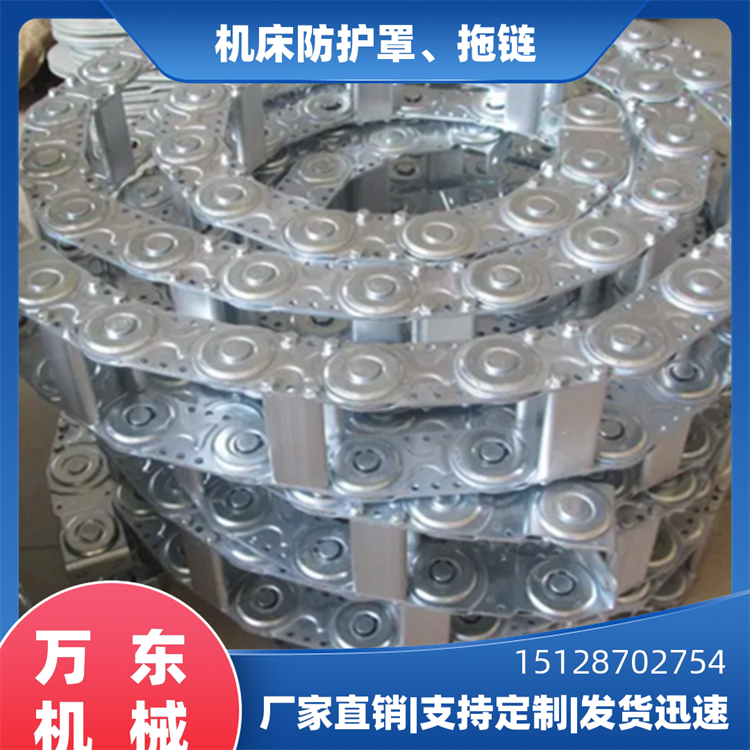
Composed of multiple link segments, resembling a tank chain, these segments can rotate flexibly, supporting multi-directional movement.
Each link can be opened independently, facilitating quick installation and maintenance without the need for complex wiring operations.
Component Expandability
Equipped with separator strips, customizable internal chain spacing to accommodate various cable arrangement specifications.
III. Materials
Core Materials
The main body is made of high-strength aluminum alloy (links) and stainless steel (axles), offering a combination of lightweight design and high load-bearing capacity.
Chrome plated or special treatment surface, enhancing wear resistance and corrosion resistance.
IV. Core Advantages
High strength and durability: Capable of bearing heavy loads of cables, suitable for frequent high-speed movement scenarios.
Low-noise Operation: The pin is made of alloy material, reducing friction noise, suitable for precision equipment.
Flexible Maintenance: Modular design allows for quick disassembly, reducing downtime.
Environmental Adaptability: Resistant to oil, dust, and certain acidic or alkaline environments, suitable for harsh working conditions.
V. Application Fields
Steel and aluminum conduit chains are widely used in the following scenarios:
Numerical Control Machine Tools: Protect cables and oil pipes, enhance equipment stability.
Automated Equipment: robotic arms, cable management in production lines.
Heavy-duty machinery: Cable protection for cranes and conveyors.
Specialized Industrial: High-temperature, dusty environments such as stone processing and glass machinery.
Steel and aluminum conduit, with its modular design and high-performance materials, serves as the "invisible guardian" for cable protection in industrial equipment, significantly enhancing the safety and maintenance efficiency of equipment operations.