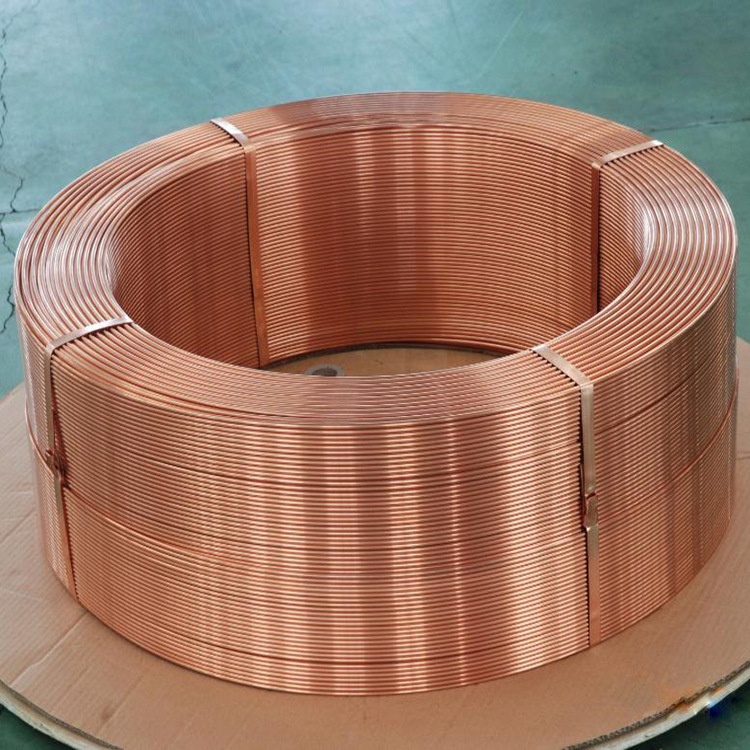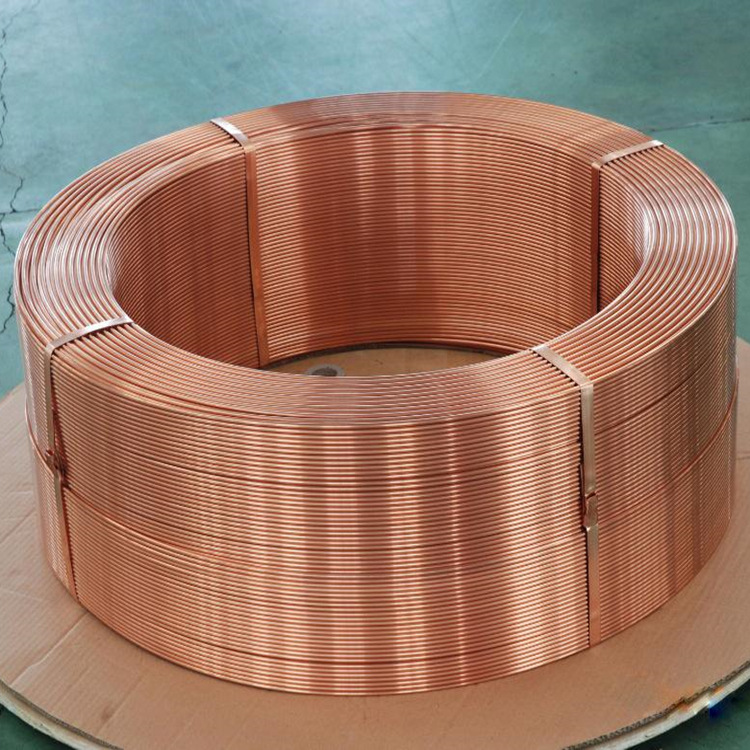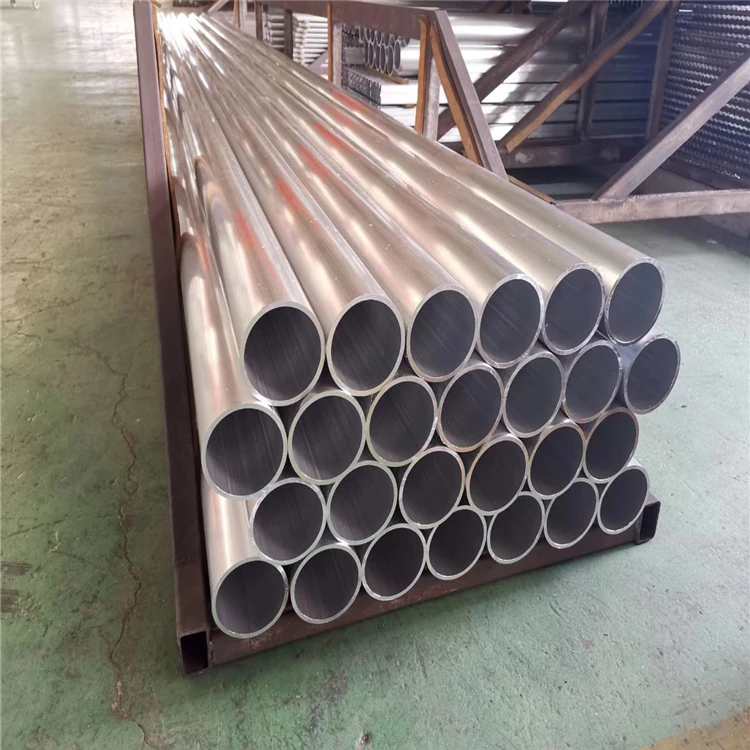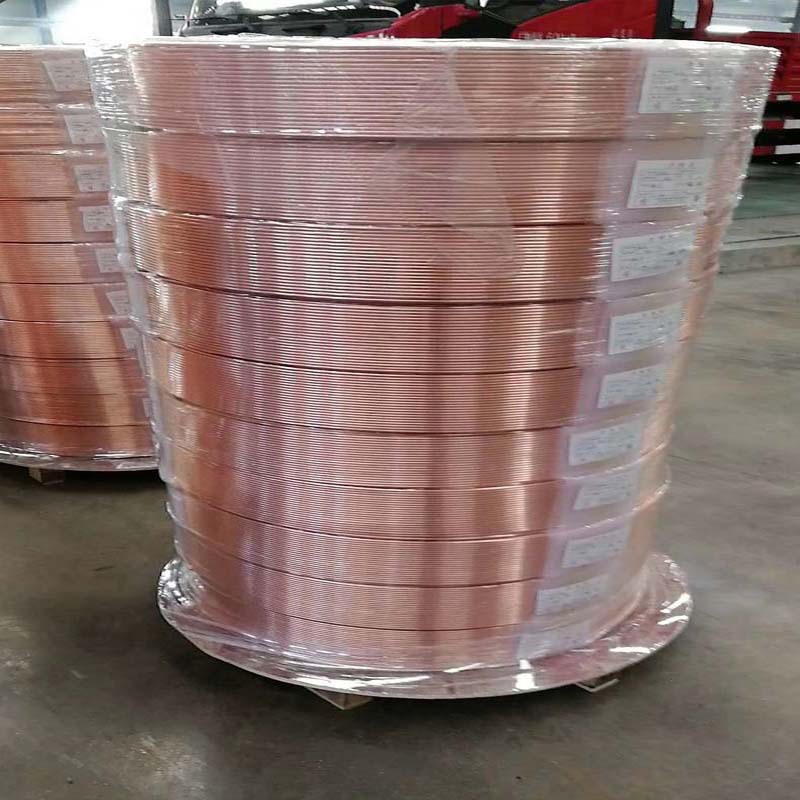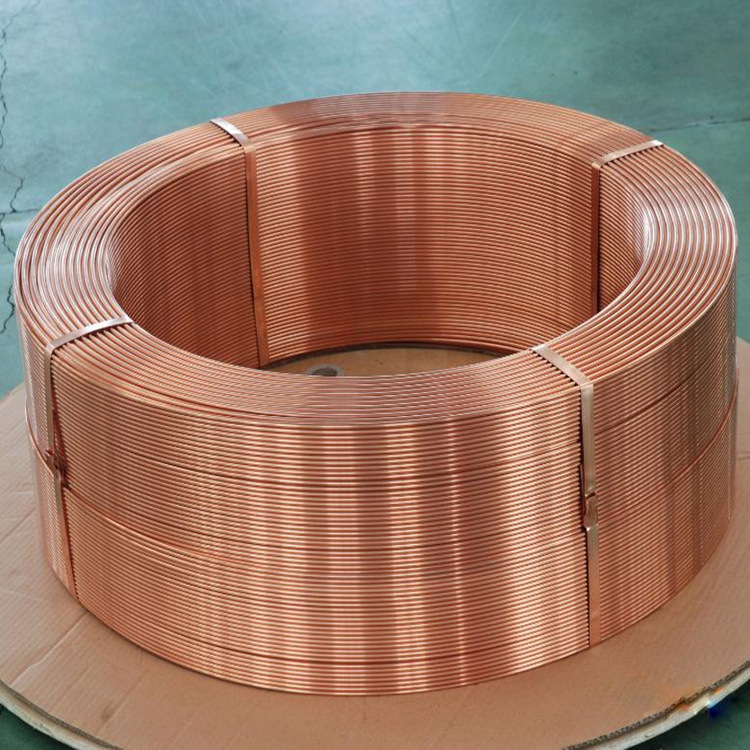

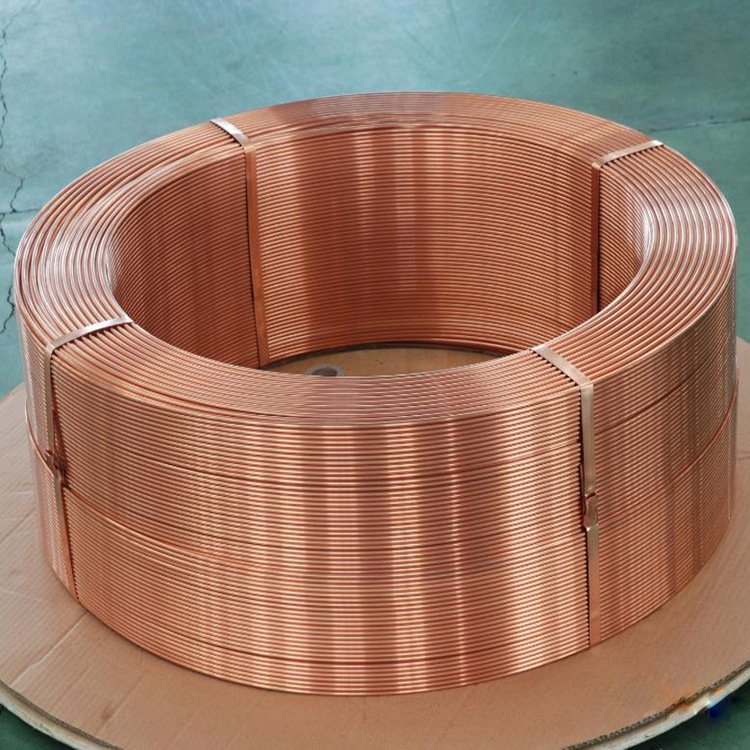
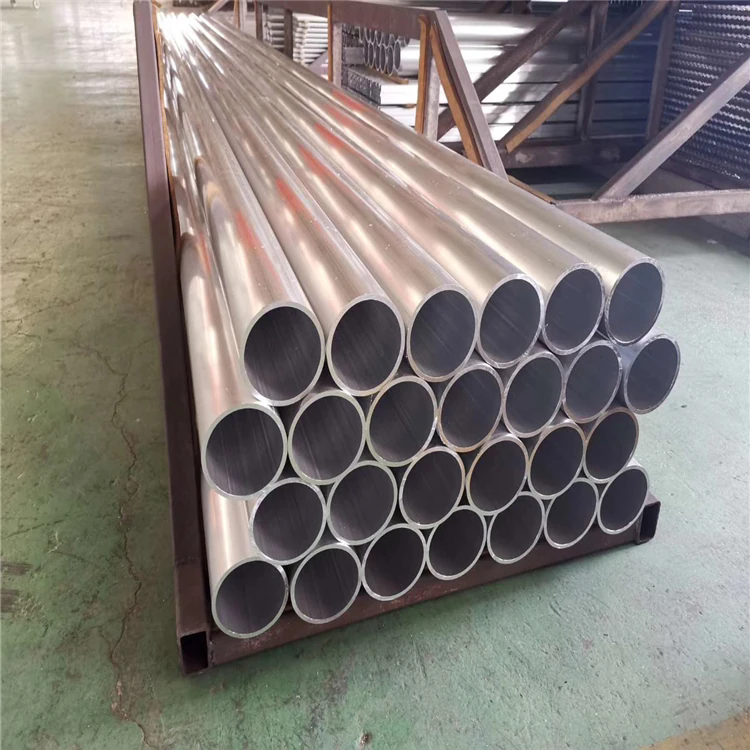
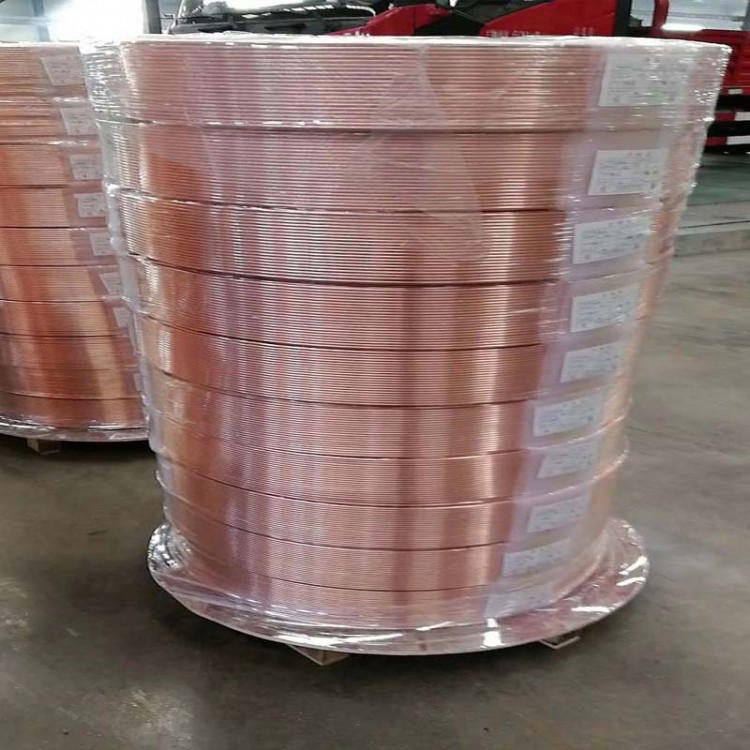











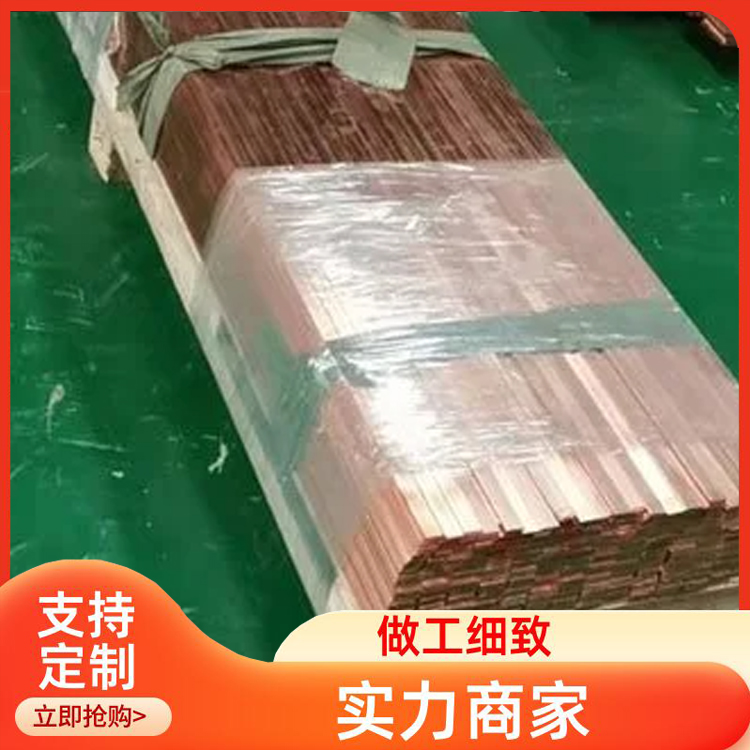
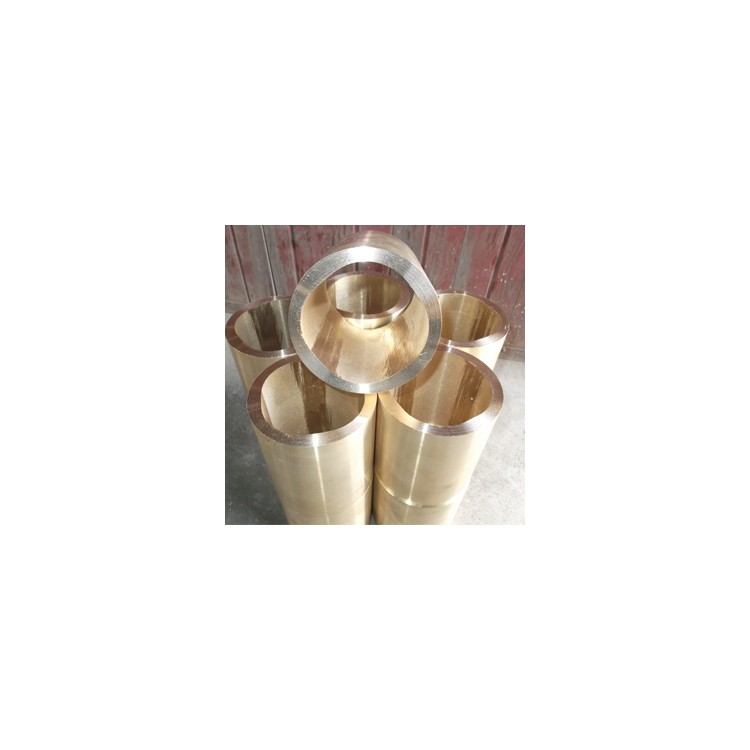
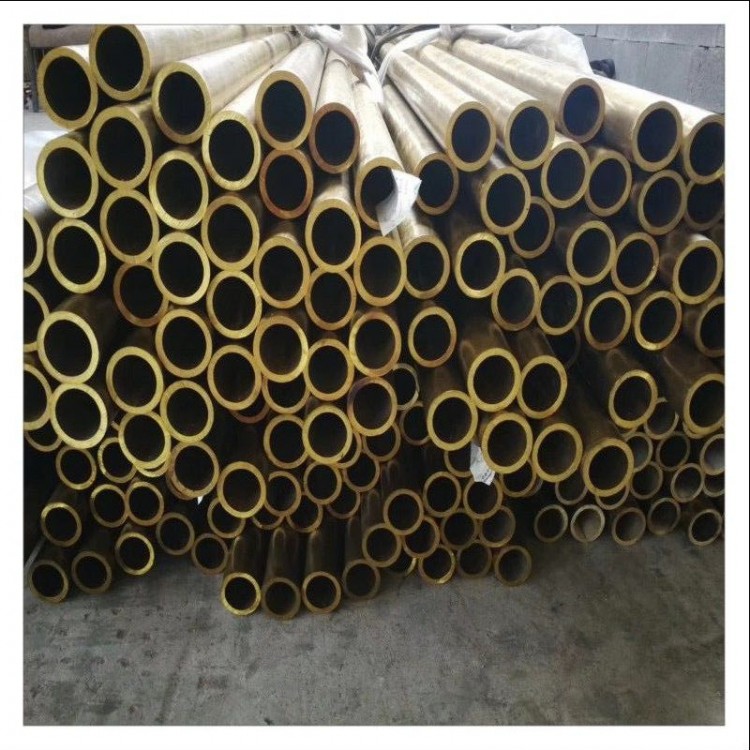
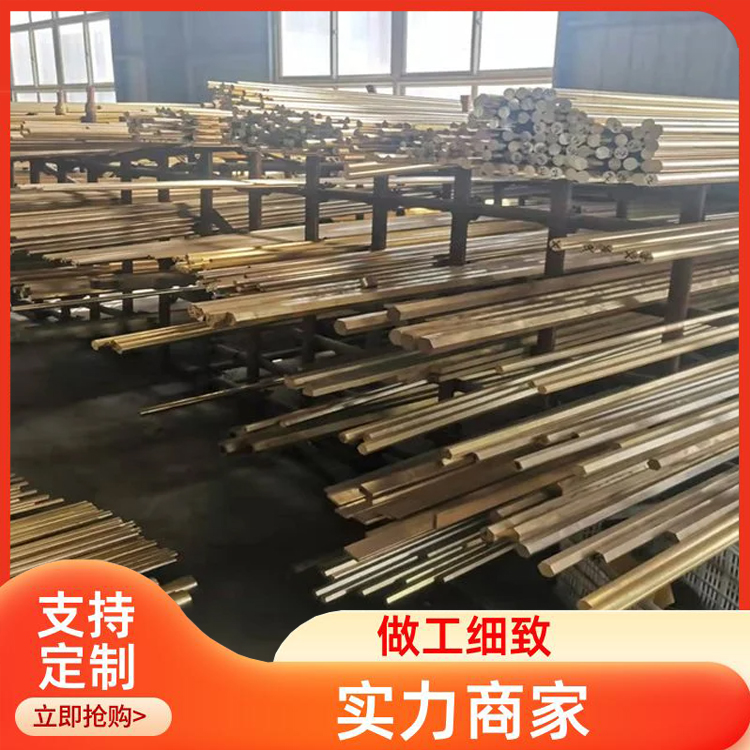

TP2 Oxygen-Free Copper Tube, Beryllium Copper Tube, Soft Purple Copper Tube for Air Conditioners, TU2 Beryllium Copper Tube
We specialize in materials such as brass tubes (H59, H62, H65, H68), tin brass tubes (HSN70-1A, H68A), aluminum brass tubes (HAL77-2), and tin bronze tubes (QSN6.5-0.1, QSN4-0.3). Common copper tubes include T1, T2, T3, TP2 phosphorus-deoxidized copper tubes, and TU1 oxygen-free copper tubes. Our products are widely used in aerospace, aviation, naval vessels, electronics, power, communication, water supply pipes, heating, cooling pipelines, transportation, metallurgy, home appliances, construction, and musical instrument manufacturing across various fields.
TP2 brass tubes, also known as phosphor brass tubes, are seamless tubes made by rolling or drawing TP2 phosphorus deoxidized copper. The copper content of TP2 brass tubes is extremely high, reaching 99.95%, but approximately 0.015% of phosphorus is added during the melting process to enhance the welding properties of the copper tubes. They are primarily used in products with frequent welding, such as air conditioners, and can prevent "hydrogen embrittlement," making them easier to weld than T2 copper.
Before we delve into the TP2 copper tube, let's first understand what a copper tube is.
Copper tubes: Lightweight, excellent thermal conductivity, and high strength at low temperatures. Commonly used in the manufacture of heat exchange equipment (such as condensers). Also used in oxygen equipment for assembling low-temperature pipelines. Small-diameter copper tubes are often used for transporting pressurized liquids (such as lubrication systems, hydraulic systems, etc.) and as pressure gauges for instruments.
Copper tubes are known for their strength and corrosion resistance, making them a preferred choice for modern contractors to install in the plumbing, heating, and cooling systems of all residential commercial buildings.
1. Copper is economical. Its easy to process and connect copper pipes, allowing for material and overall cost savings during installation. It offers stability and reliability, potentially eliminating the need for repairs.
2. Copper is lightweight. For the same inner diameter of helically coiled pipes, copper pipes do not require the thickness of black metal. During installation, copper pipes have lower transportation costs, are easier to maintain, and occupy less space.
3. Copper is malleable. Since copper tubes can be bent and deformed, they are often used to make elbows and joints, allowing smooth bends at any angle.
Copper is highly conductive.
5. Copper is safe. It doesn't leak, doesn't ignite, doesn't produce toxic gases, and is resistant to corrosion.
Copper pipes are hard, resistant to corrosion, and can withstand high temperatures and pressures, making them suitable for use in various environments. In contrast, many other pipe materials have obvious drawbacks. For instance, galvanized steel pipes, commonly used in residential buildings in the past, are highly prone to rusting. After a short period of use, they can cause issues like discolored tap water and reduced water flow. Some materials also lose strength rapidly at high temperatures, posing safety hazards when used in hot water pipes. Copper, however, has a melting point of 1083 degrees Celsius, and the temperature of hot water systems is negligible for copper pipes. Archaeologists have found copper water pipes in the Egyptian pyramids that are 4,500 years old and are still functional today.
T2 Brass Pipe: We are aware that there are many brass grades, but the common grades for manufacturing brass pipes are only TP2 and T2.
Here is the chemical composition list for Tp2 and T2:
Chemical composition of TP2
Copper + Silver Cu+Ag: ≥99.85 Tin Sn: ≤0.01 Lead Pb: ≤0.005 Phosphorus P: 0.013~0.050 Nickel Ni: ≤0.01 Iron Fe: ≤0.05 (0.005) Antimony Sb: ≤0.002 Sulfur S: ≤0.005 Arsenic As: ≤0.005 Bismuth Bi: ≤0.002 Oxygen O: ≤0.01 Note: ≤0.15 (Impurities)
Chemical composition of T2:
CuAg: ≥99.99% Sn: ≤0.002% Zn: ≤0.005% Pb: ≤0.005% Ni: ≤0.005% Fe: ≤0.005% Sb: ≤0.002% S: ≤0.005% As: ≤0.002% Bi: ≤0.001% O: ≤0.06% (Impurities) Note: ≤0.1%
In summary, T2 copper tubes, with less impurities than TP2, exhibit superior conductivity, heat conductivity, ductility, and corrosion resistance. Therefore, T2 copper tubes manufactured from T2 copper possess high conductivity, heat conductivity, ductility, and corrosion resistance, making them an ideal choice for manufacturing heat exchange equipment (such as condensers) and high-precision hydraulic testing systems. Additionally, due to the presence of phosphorus in TP2 copper, it has better welding properties than T2 copper.