









In recent years, China's new energy development, represented by wind and photovoltaic power generation, has achieved remarkable results. The installed capacity remains the largest in the world, and the share of electricity generation continues to rise.
Steadily improving, with costs rapidly decreasing, we have basically entered a new stage of affordable development without subsidies. At the same time, there are still challenges in the exploitation and utilization of new energy due to the power system's...
Insufficient adaptability for large-scale, high-proportion integration and consumption of new energy, and significant land resource constraints.

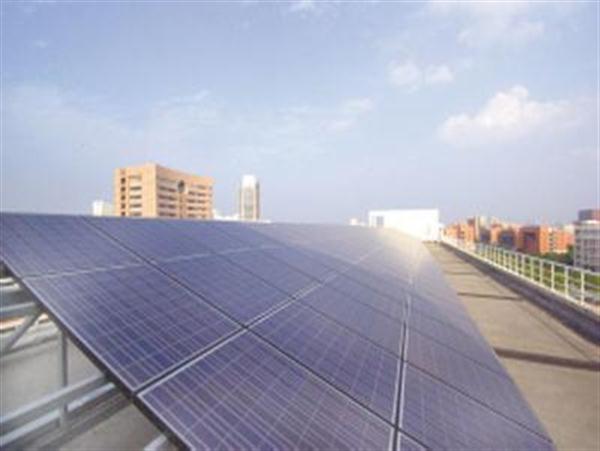
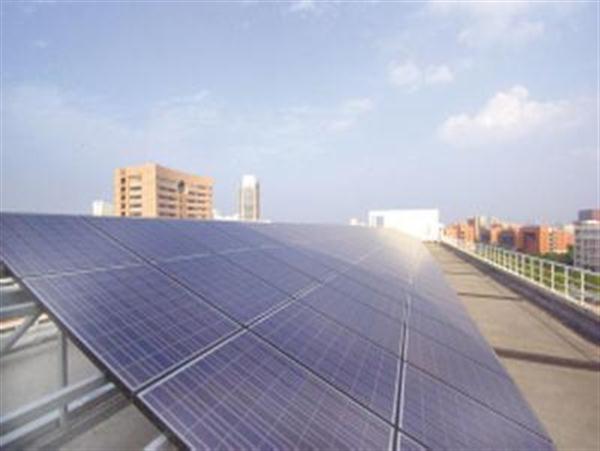
Roof Photovoltaic Load Testing
Photovoltaic support components are installed on the roof, connected to the rooftop.
The design predominantly uses a top-down approach, avoiding piercing or damaging the roof's original waterproofing; the blocks are prefabricated, not cast on-site.
This method prevents severe damage to the roof's waterproofing layer during solar bracket installation.

1. Users constructing photovoltaic power generation systems must have *exclusive rights to the roof. Therefore, in rural areas with *exclusive roofs, villa residents can install them easily.
Relatively convenient, the rooftops of multi-story or higher residential buildings are considered common areas, not belonging to a single household. They are jointly owned and usable by all the building's owners.
To construct a power station on the building, the consent of the entire building's owner is required; otherwise, even if installed,
2. The roof is in good condition.
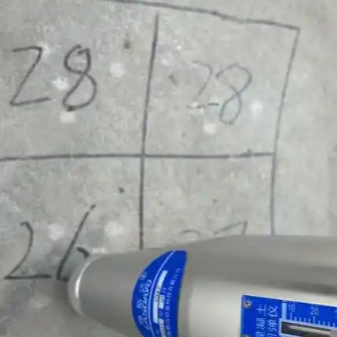
For instance, there should be no obstructions, good lighting, and the roof must have sufficient load-bearing capacity. Many factors can cause obstructions, such as between floors or due to vegetation.
Possibly between components. Don't underestimate the dangers of shading. Prolonged shading of photovoltaic panels affects the power generation of the power station, extending the payback period.