











Working Principle
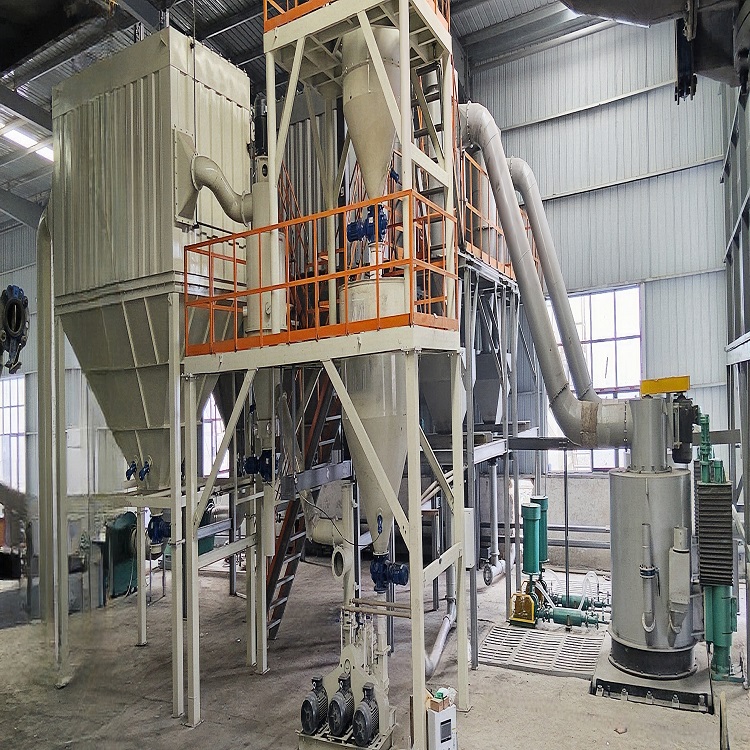
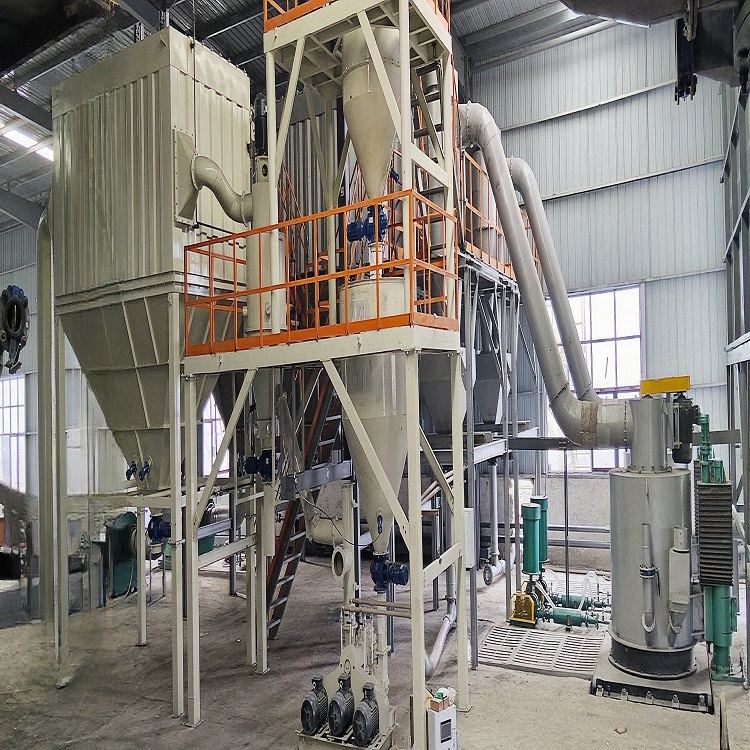
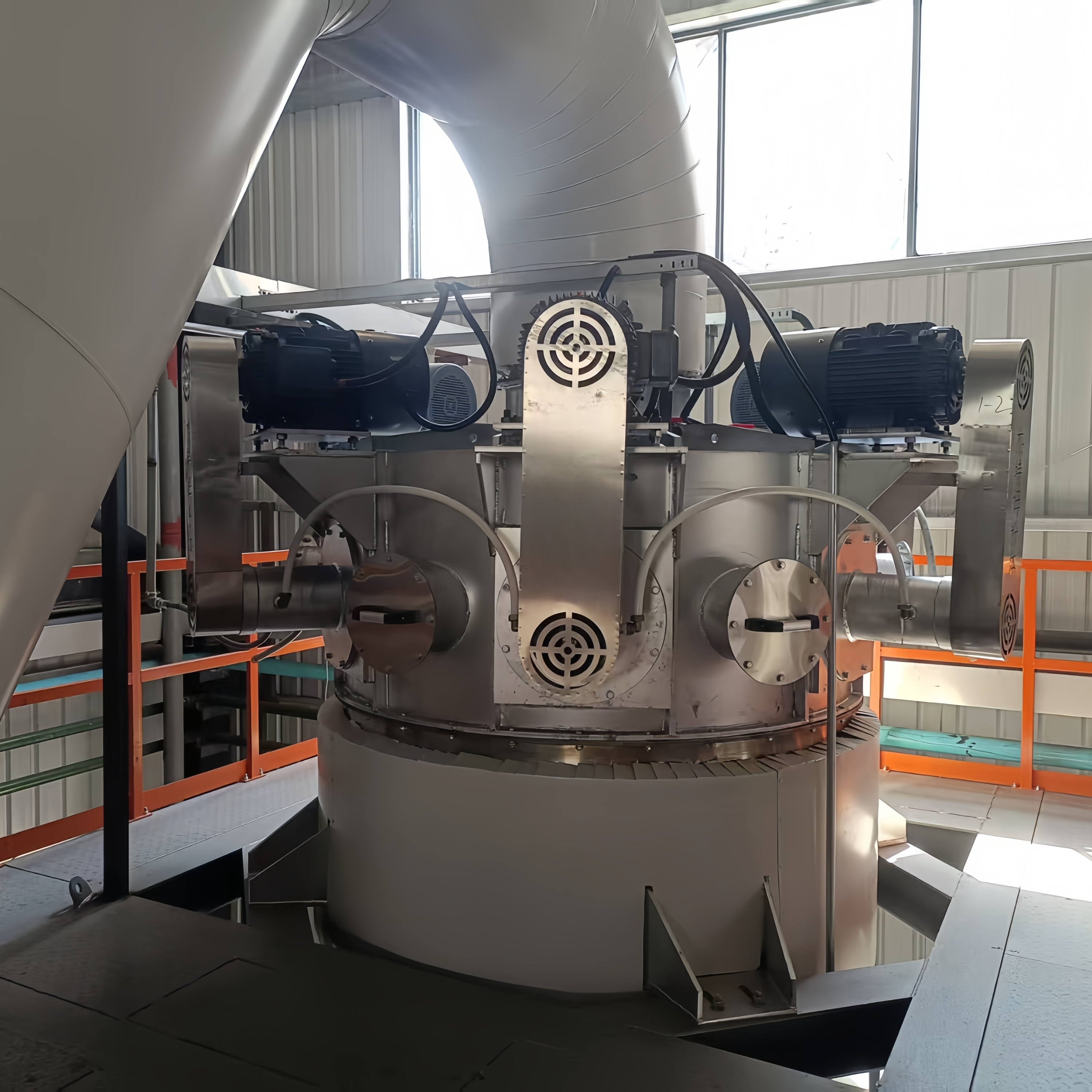
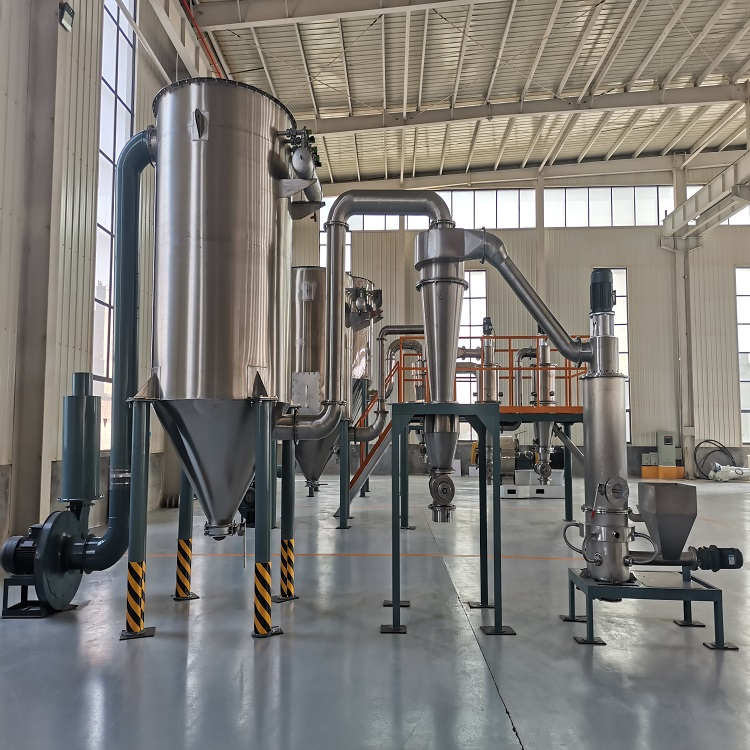
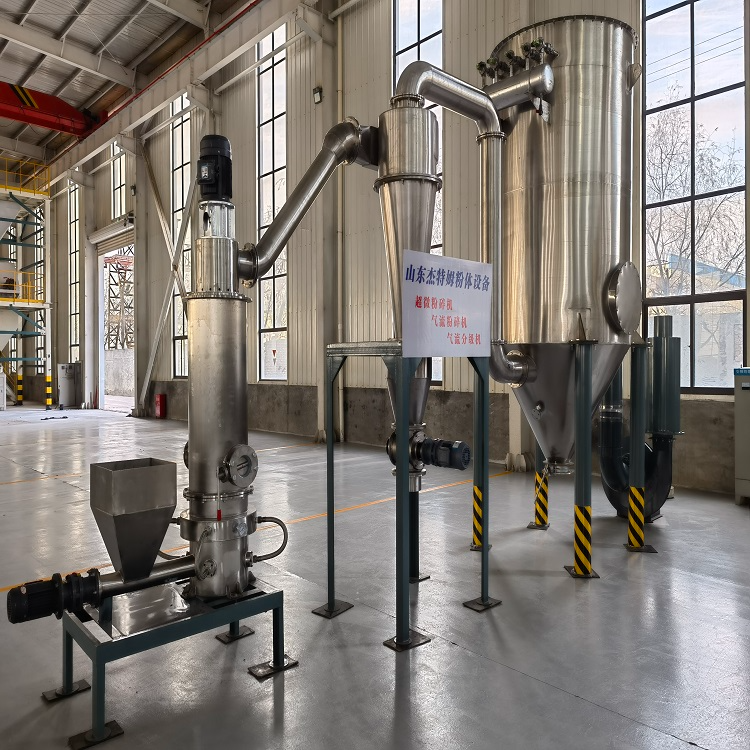
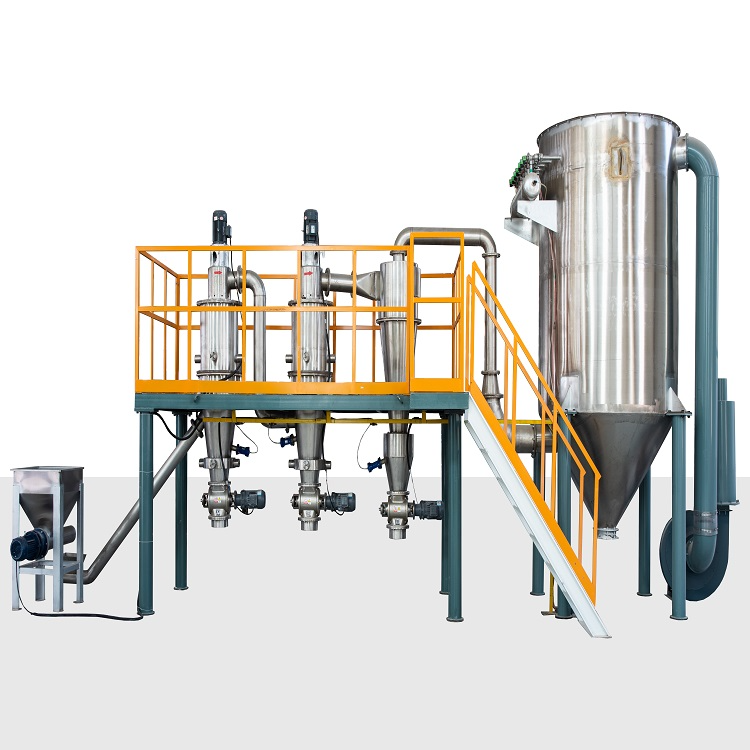
The compressed air is cooled, filtered, and dried before being directed through nozzles to form supersonic airflow into the crushing chamber, causing the material to become fluidized. The accelerated material converges at the intersection points of multiple nozzle jets, resulting in intense collisions, friction, and shearing to achieve ultra-fine particle crushing. The crushed material is then transported to the classifier area by an ascending air current, where it is separated into coarse and fine particles due to the centrifugal force of the classifier wheel and the suction force of the fan. The coarse particles return to the crushing chamber by gravity for further crushing, while the qualified fine particles are carried by the air current into the cyclone collector. The fine dust is collected by a bag dust collector, and the purified gas is exhausted by the induced draft fan.
Performance Advantages and Features
Based on the traditional fluidized bed mill design, our company's unique self-fluidizing classification technology is integrated, making its performance superior to fluidized bed air classifier mills both domestically and internationally.
Low energy consumption, 30% more energy-efficient compared to traditional fluidized bed air classifier mills.
2. Equipped with an integrated self-flowing micro-powder grading machine, the particle size distribution is concentrated, with no oversized particles in the finished product.
3. The equipment features a compact structure with minimal land occupation.
4.粉碎箱 free of residue, with no blind spots, easy to disassemble, clean, and sterilize. Convenient for changing varieties, in compliance with GMP standards.
5. Low-temperature, medium-free crushing, particularly suitable for the crushing of materials with low melting points, heat sensitivity, sugar content, and volatile substances.
6. Flammable and explosive materials can be fully enclosed crushed using inert gas as the medium, with the inert gas being recycled for low loss.
7. Wide particle size range, finished product particle sizes adjustable from 3 to 180 um; full range of machine types available, with production capacities ranging from 5 to 3000 kg/h.
8. Vacuum production, free of dust pollution, with an excellent environment.
High level of automation, strong stability, and easy operation.
Application Fields
Broadly applied in industries such as chemicals, mining, abrasives, refractory materials, battery materials, metallurgy, construction materials, pharmaceutical production, ceramics, food, pesticides, feed, new materials, and environmental protection, for ultra-fine crushing, dispersion, and granule shaping of various dry powder materials.