










Primary Technical Parameters
Molded Blocks Count | 390×190×190 / 4 pcs per mold 390×240×190mm / 3 pcs per mold |
Molding Cycle | 40 seconds |
Productivity | 2,000-2,500 pcs/day |
Vibration Frequency | 2800r.pm |
Excitation force | 40KN |
Main Engine Power | 9.3kw |
外形尺寸 | 1500×1750×1900mm |
Pallet dimensions | 850×450mm |
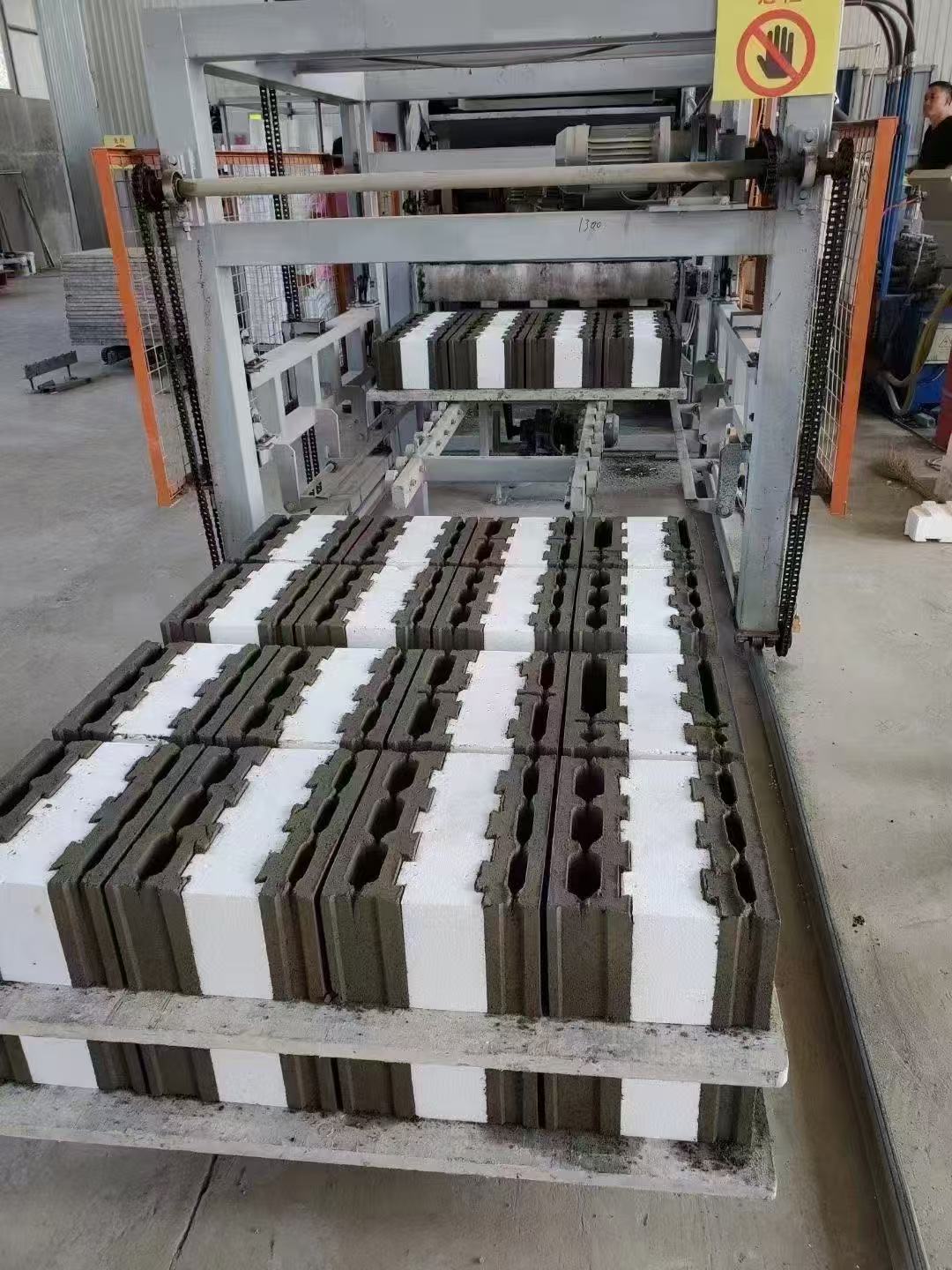
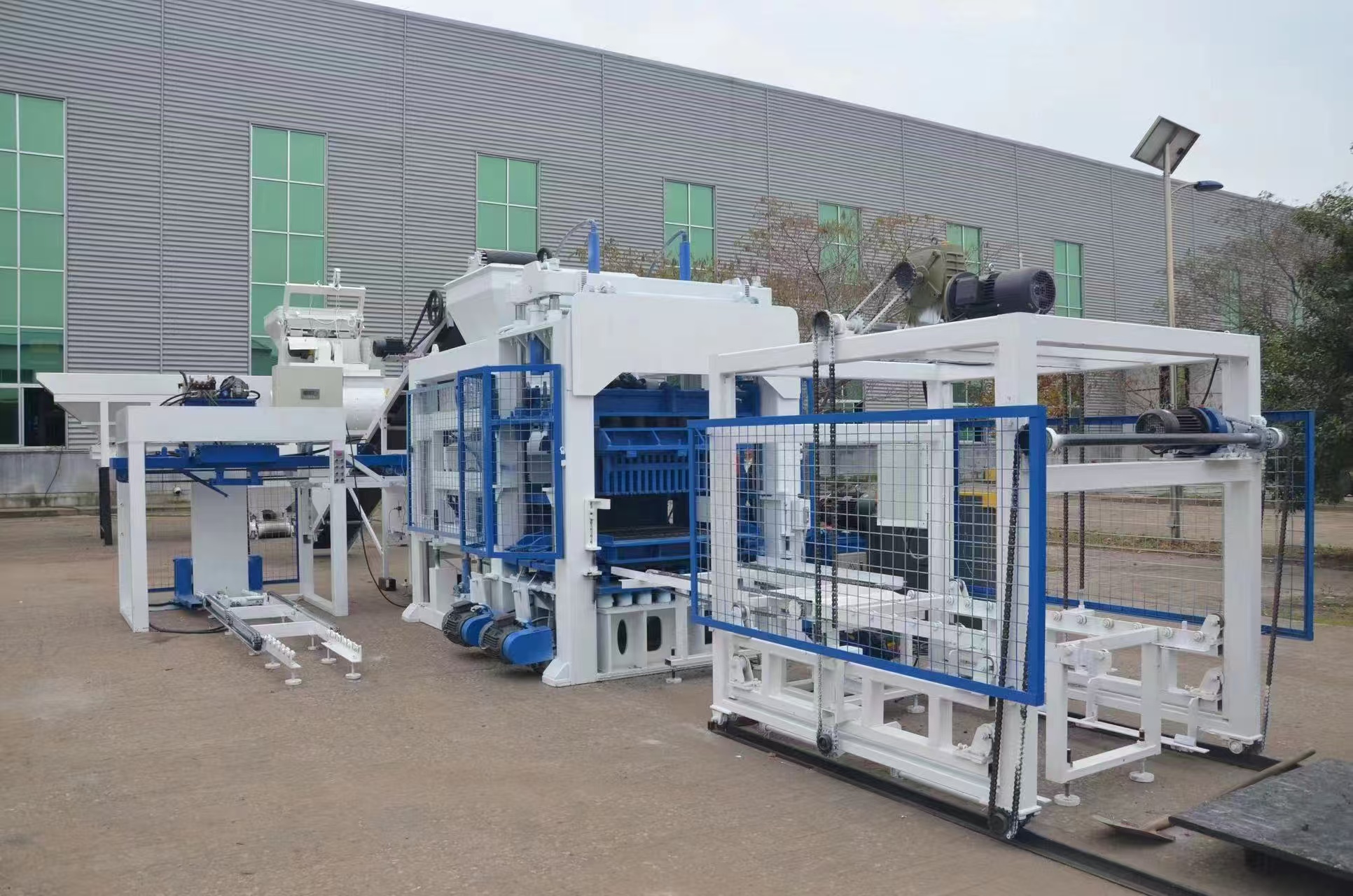
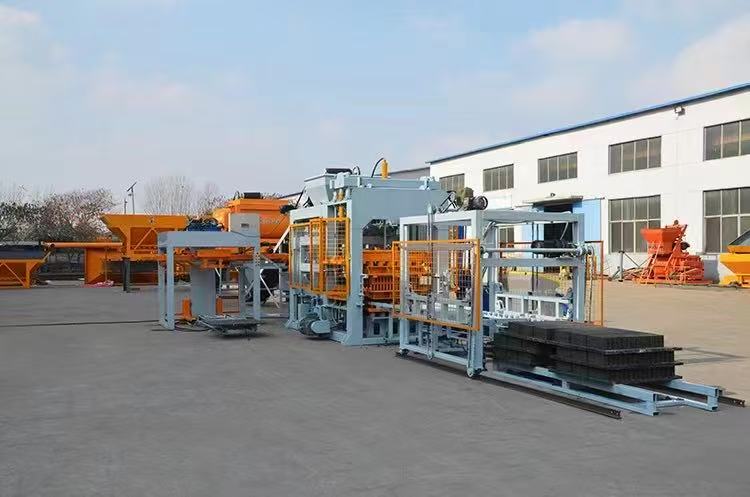
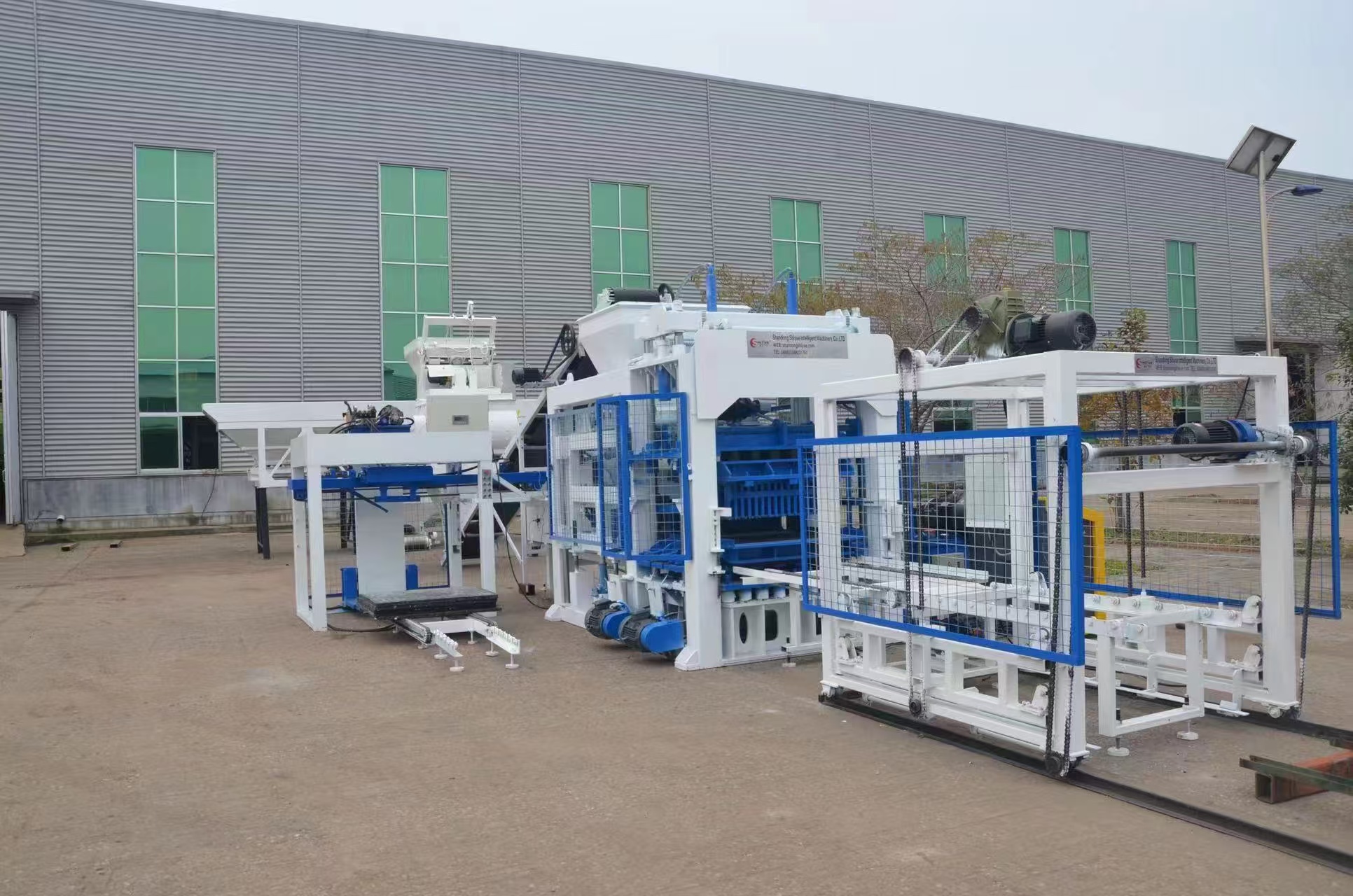
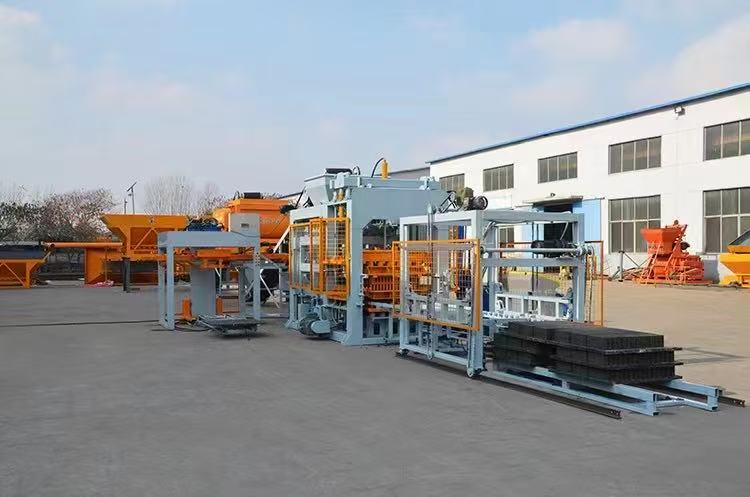
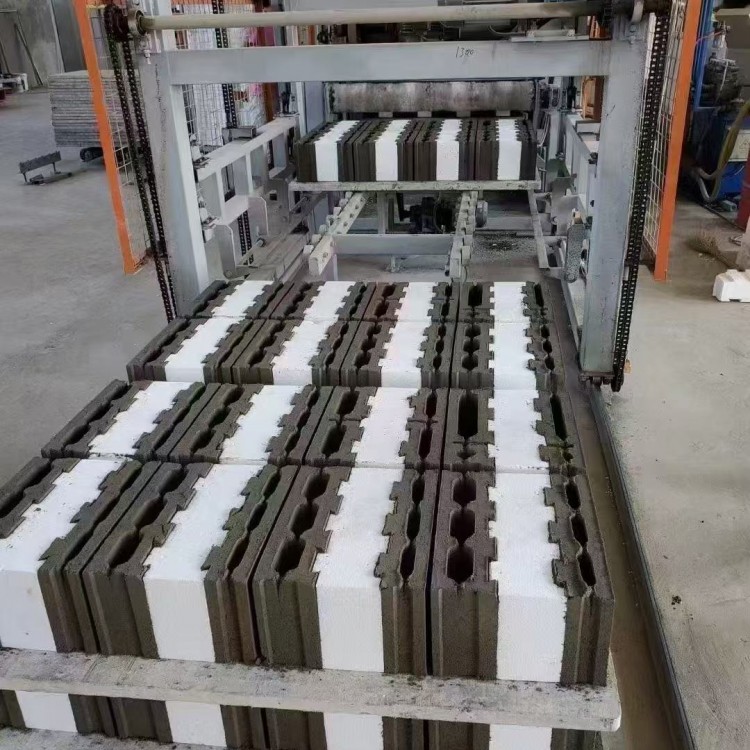
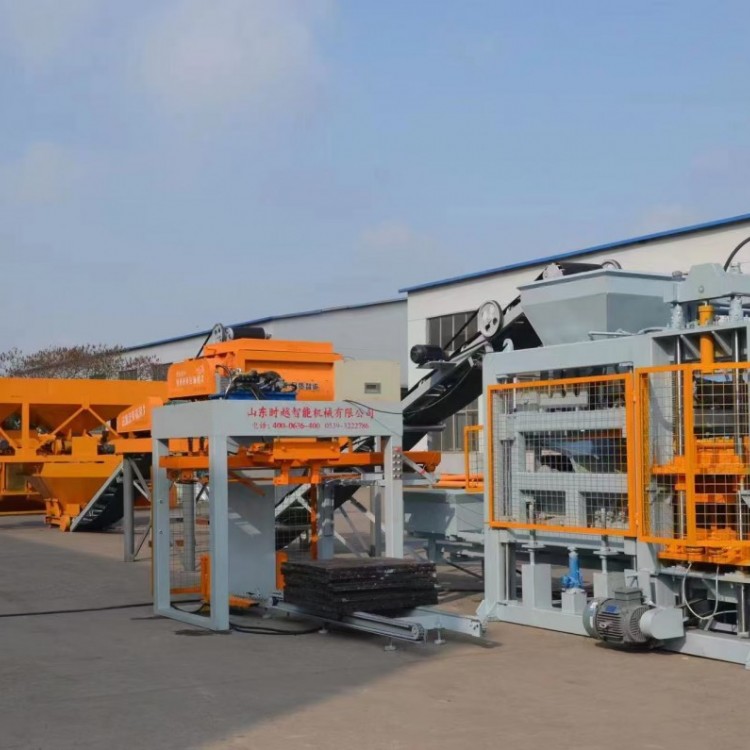
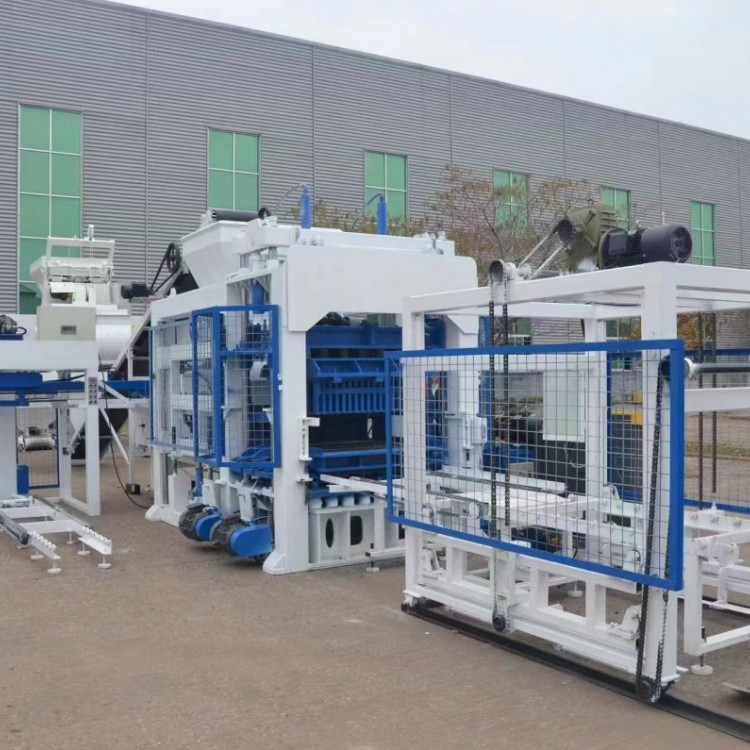
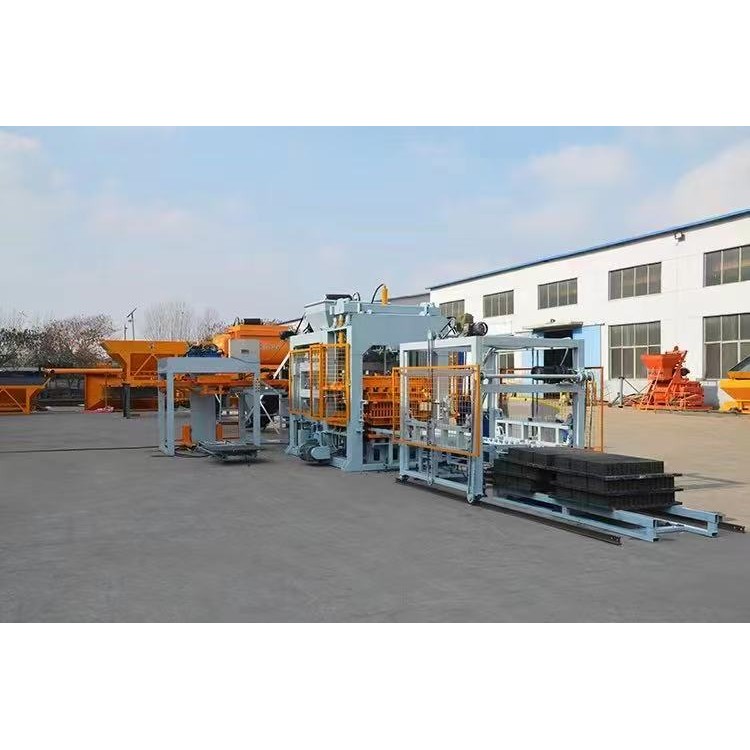
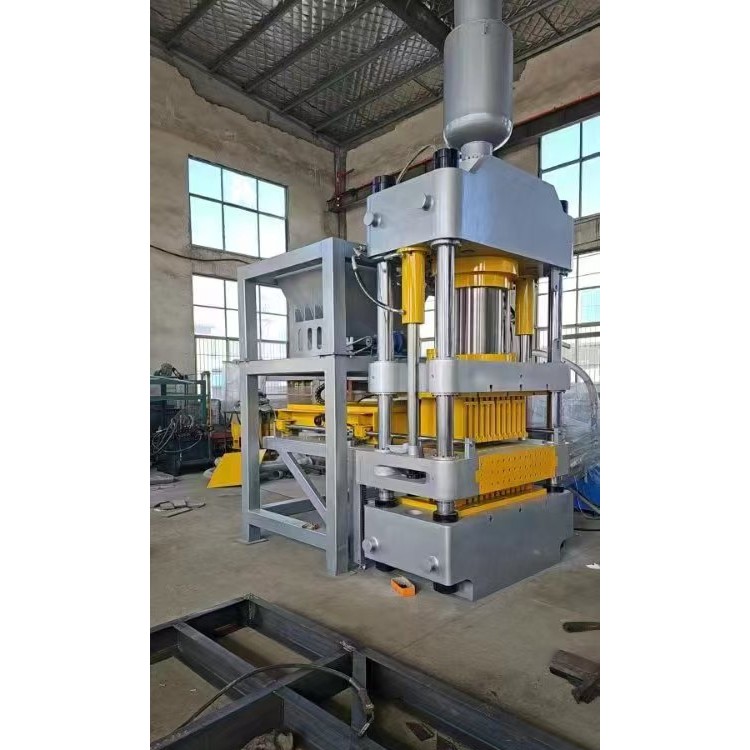
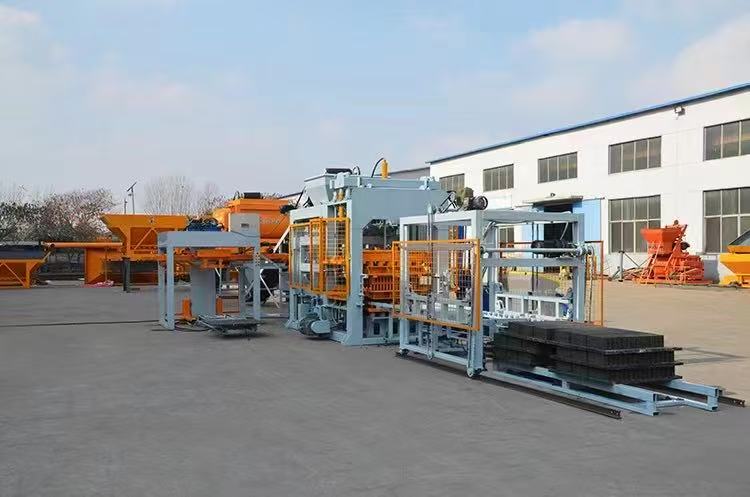
The QTJ4-40 block machine is a model developed through technological innovation on the basis of the original block molding machine. It features a reasonable design and excellent performance. Equipped with a vibration motor, the machine produces blocks of high quality, density, and strength. The machine utilizes an upper mold push-pull mechanism, automatic material scraping, and is easy to operate with flexibility. Its performance is comparable to that of large-scale equipment.
Pad Block Machine Function:
In the field of construction materials, the application of block machines is very widespread. During the construction process, concrete blocks can serve as a protective layer for other items, especially reinforcing steel, thus ensuring the quality of concrete blocks must be reliable. Below, we introduce some of the roles concrete blocks play in the construction industry.:
1. The protective layer, subjected to external forces, has anchoring power on the reinforcing steel, utilizing the anchoring force between concrete and steel bars, which are tightly bonded together and work synergistically. When the protective layer is too thin or missing, it reduces its anchoring force, thereby diminishing the structure's resistance to axial and bending forces.
2. Fire-resistant protective concrete has certain insulating properties, protecting the more easily softened steel bars during fires. If the protective layer is too thin, it can easily crack in high-temperature environments, leading to a decrease in the steel's strength due to overheating, which can ultimately damage the overall structure. In 2003, a project in Hengyang, Hunan, collapsed due to the high temperatures and intense heat from a major fire, causing the steel bars to soften and resulting in a significant loss of life.
3. Maintain structural durability - A too-thin protective layer in concrete is prone to allow moisture and water to seep in, while an overly thick layer can lead to cracking. Both scenarios can cause reinforcement corrosion and expansion, leading to the destruction of concrete and affecting its usability and structural safety.