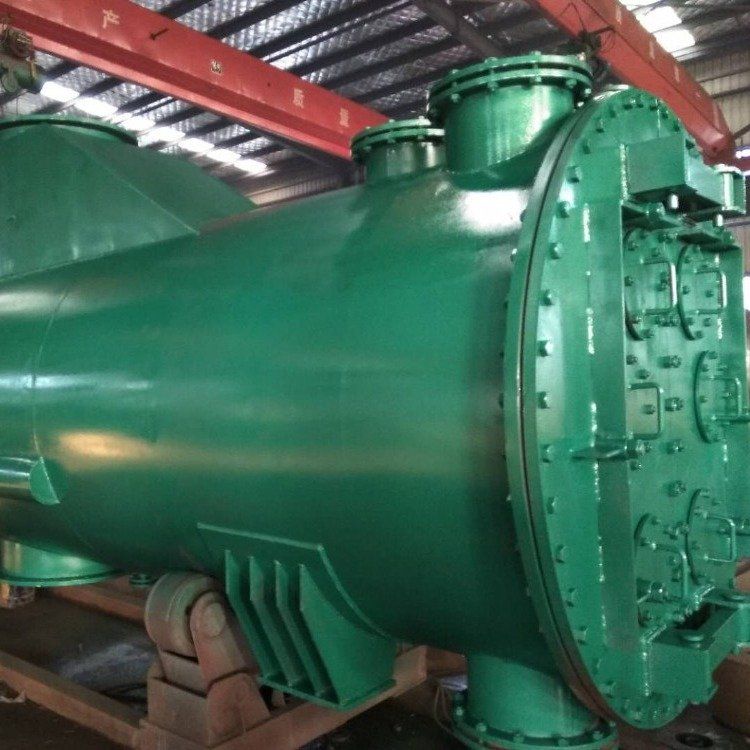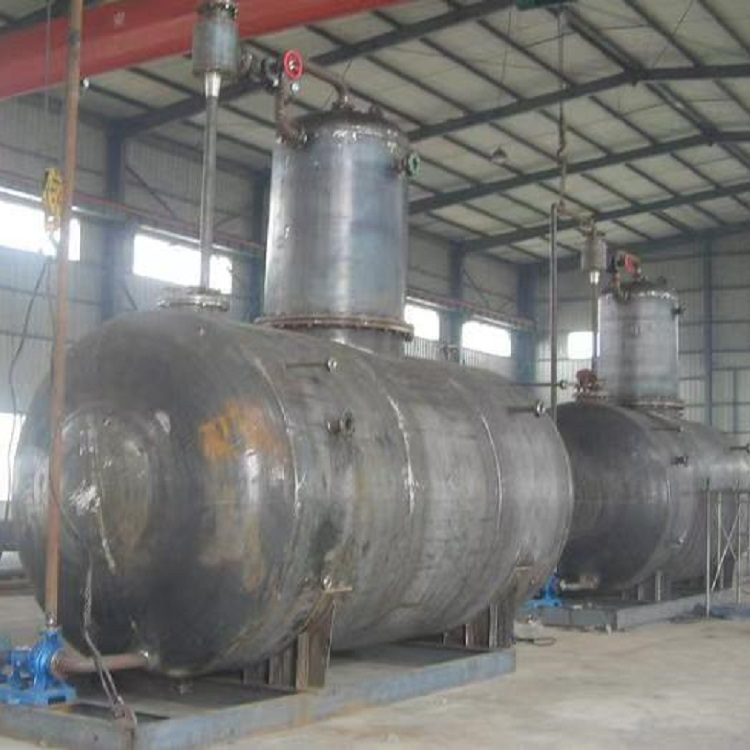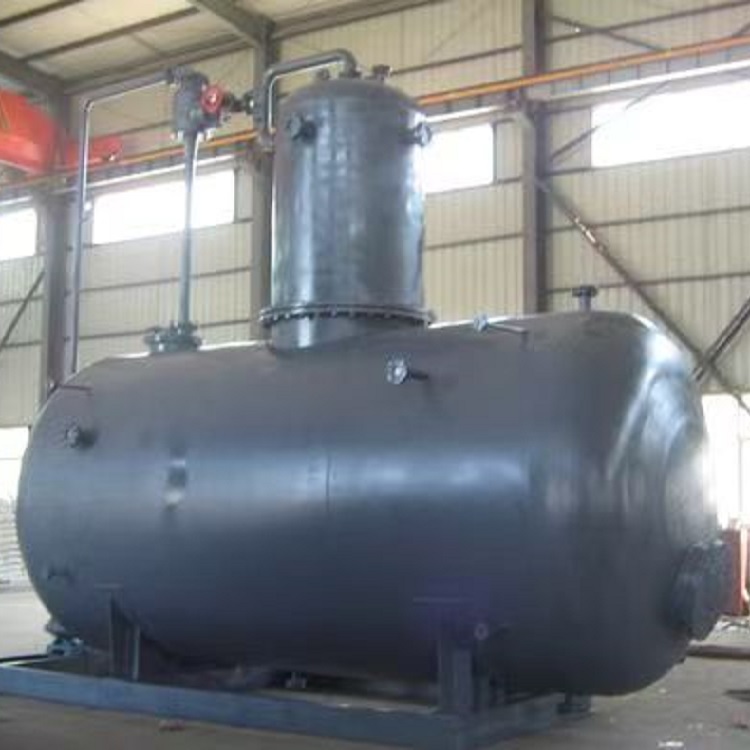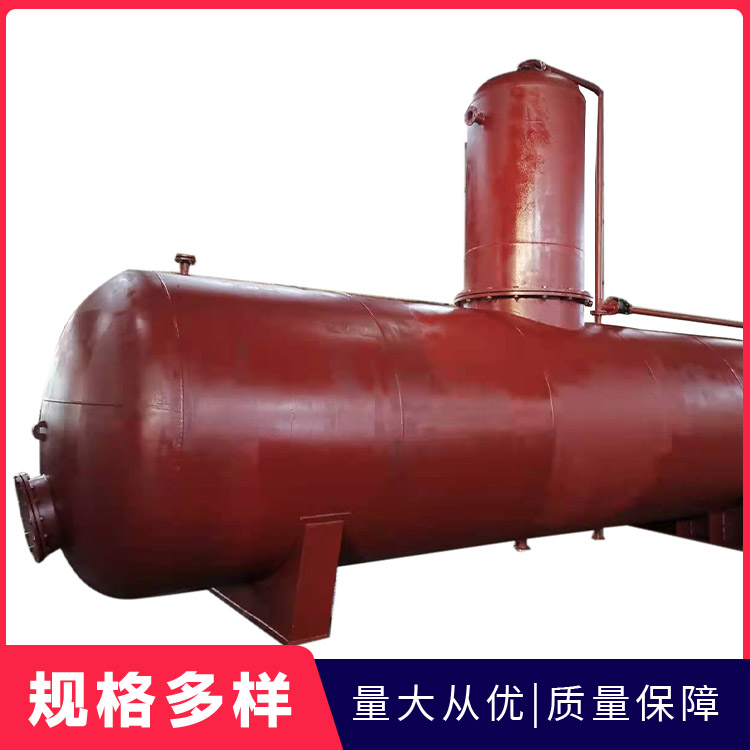











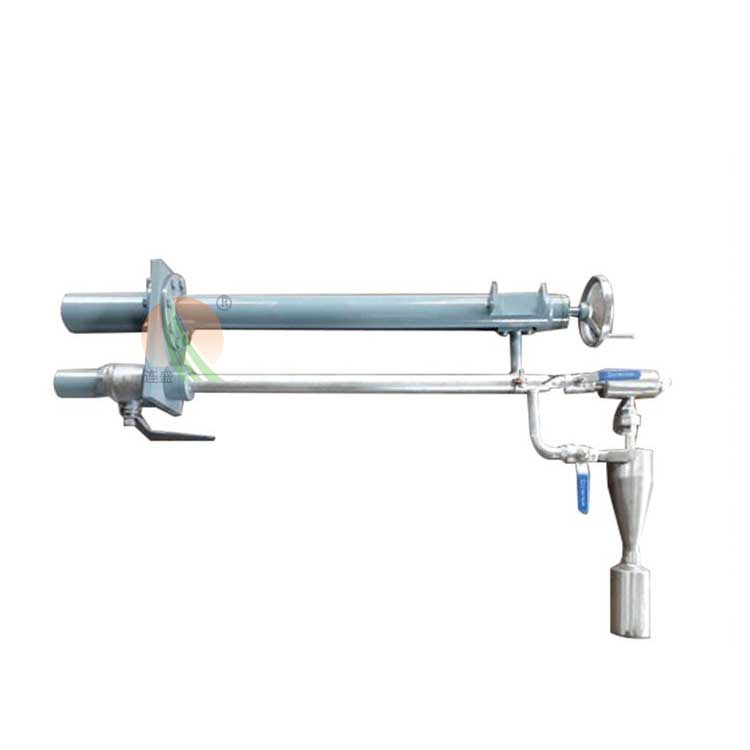


Condenser Equipment Guide and Usage Instructions
---
I. Equipment Advantages
High-efficiency heat exchange performance
- Utilizes a multi-process constraint design (titanium tube/stainless steel tube) to enhance heat transfer efficiency through intensified turbulent effects, achieving a heat exchange coefficient of up to 3000~4500 W/(㎡·K) for steam-water heat exchange, significantly reducing the unit's back pressure.
Exceptional vacuum maintenance capability, capable of stabilizing at 0.004~0.008 MPa under normal operating conditions, enhancing the thermal efficiency of the steam turbine.
2. Strong structural reliability
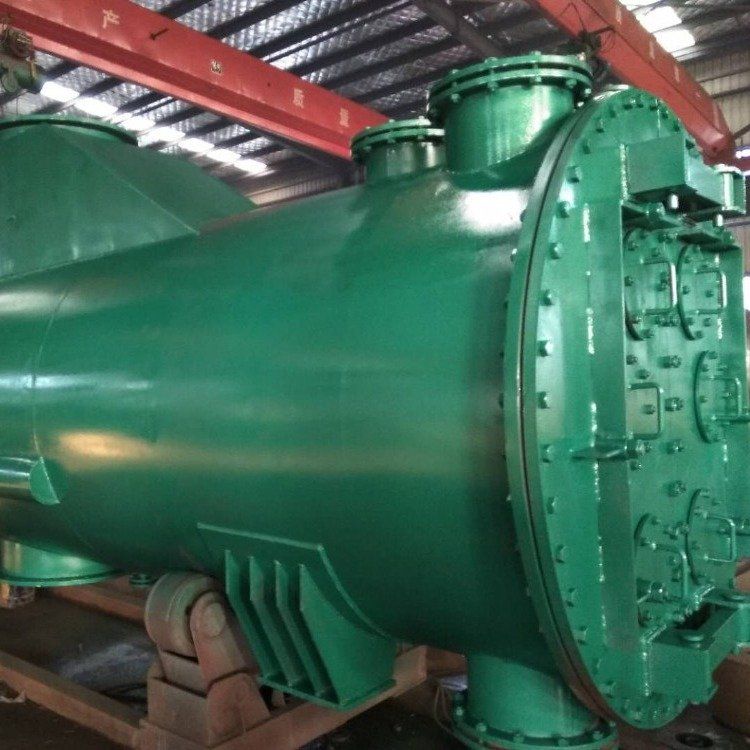
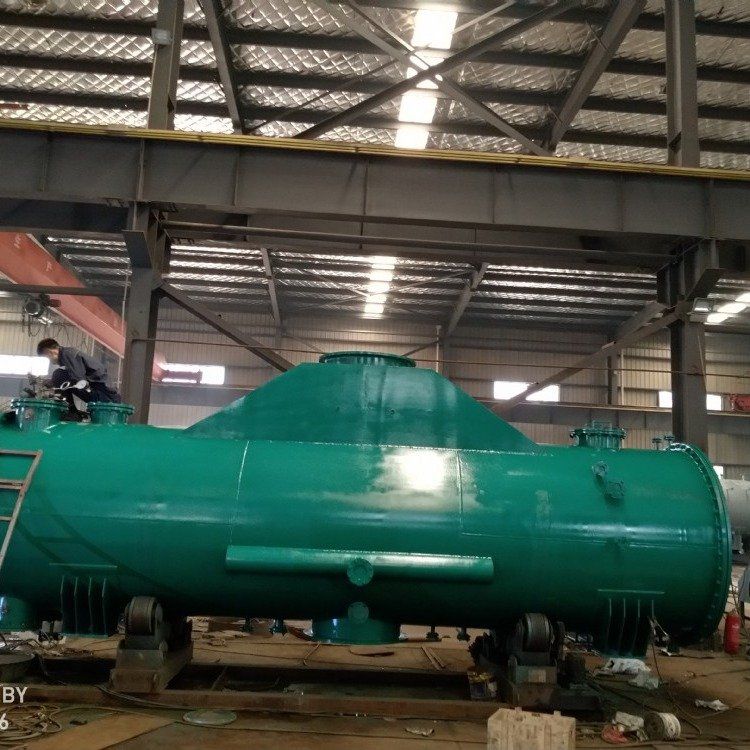
- Modular housing design (welded/flange connection), supporting axial free expansion to accommodate thermal stresses caused by temperature fluctuations.
- The tube and tube plate are fixed using a dual process of hydraulic expansion and sealed welding, with a leakage rate lower than the industry standard.
3. Energy-saving and environmentally friendly features
- The recirculating water system is equipped with an automatic ball cleaning device, reducing the increase in energy consumption due to scaling, and the annual efficiency attenuation rate can be controlled within 3%.
Closed-loop design minimizes water consumption; a heat recovery unit is available to reduce cooling water temperature by 3~5°C.
---
Custom Parameter Requirements
| Parameter Category | Specific Requirements |
|---------------------|-----------------------------------------------------------------------------|
| Core Performance | - Operating Pressure Range: Vacuum side 0.003~0.015 MPa, Water side ≤ 0.4 MPa (capacity of the unit required for adaptation) |
Cooling Area | - Calculated based on the steam output of the turbine (Standard configuration: 3,800~4,200㎡ of cooling area per 100MW unit)
Material Selection | - Shell: Q235B carbon steel (standard) / 316L stainless steel (coastal corrosion environment)
Heat Exchanger Tube: Titanium tube (Sea Water Cooling) / TP304 Stainless Steel (Fresh Water)
Attachment Configuration | Standard with vacuum breaker, water level alarm, and gel ball cleaning system; optional online leak detection device available
---
III. Installation and Maintenance Precautions
Installation Requirements
- Basic Treatment: Concrete foundation load-bearing capacity must be ≥1.5 times the equipment's own weight, with a levelness deviation of ≤2mm/m.
Welding Standards: Shell weld penetration testing, tube plate hole concentricity error ≤ 0.05mm.
2. Operation and Maintenance
- Routine Inspections: Monitor vacuum fluctuations weekly (±0.001MPa deviation permitted), and clean the filter and ball receiver monthly.
Key Maintenance:
Annual eddy current inspections are conducted; if a single pipe has a leakage rate exceeding 5%, it requires full replacement.
- Drain accumulated water during downtime and fill with nitrogen gas (pressure 0.02~0.03 MPa) to prevent corrosion.
3. Safety Protection
- The vacuum breaker valves should be manually tested for their opening and closing functions quarterly. In areas with low temperatures in winter, additional anti-freezing electric heating should be installed.
---
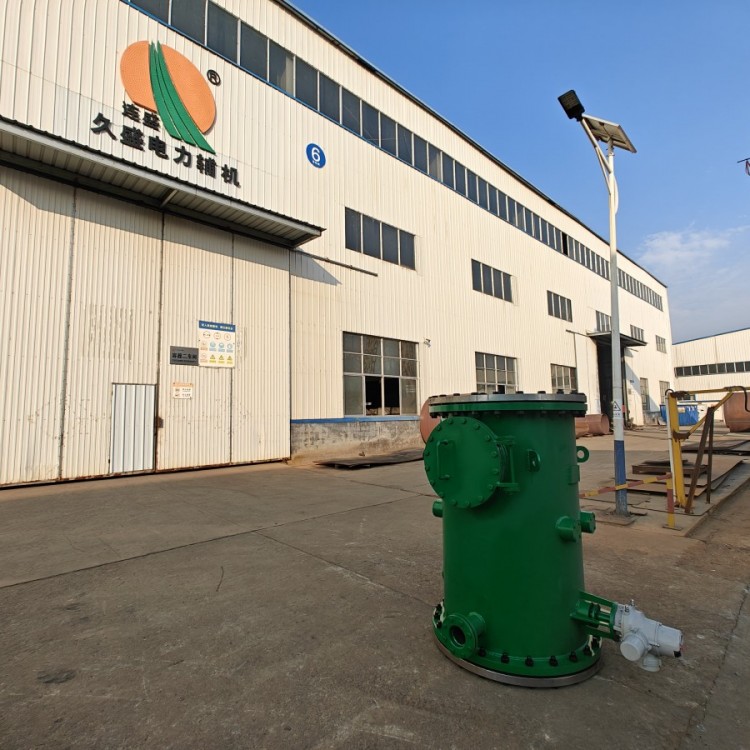
Four. Recommended Product (Jiuzheng Power, Lianyungang)
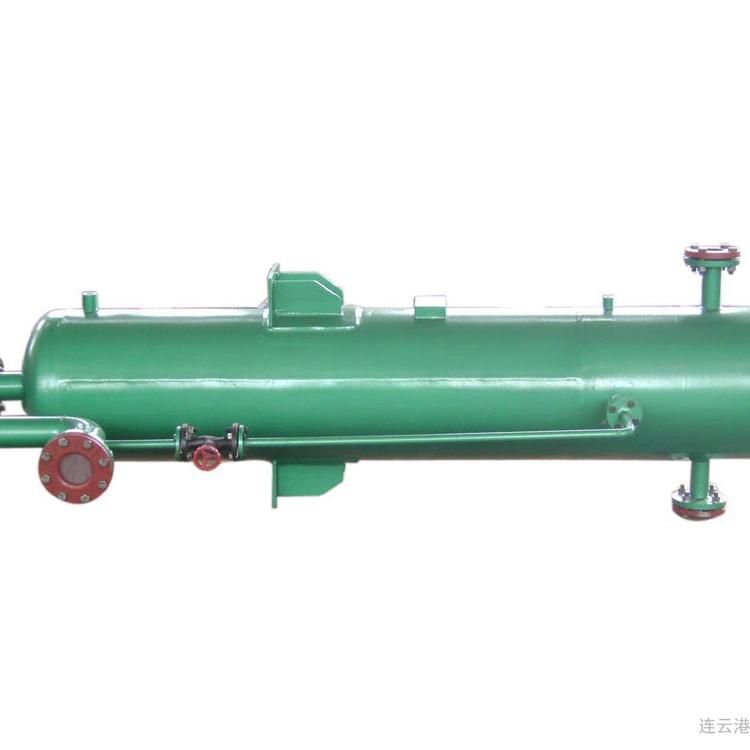
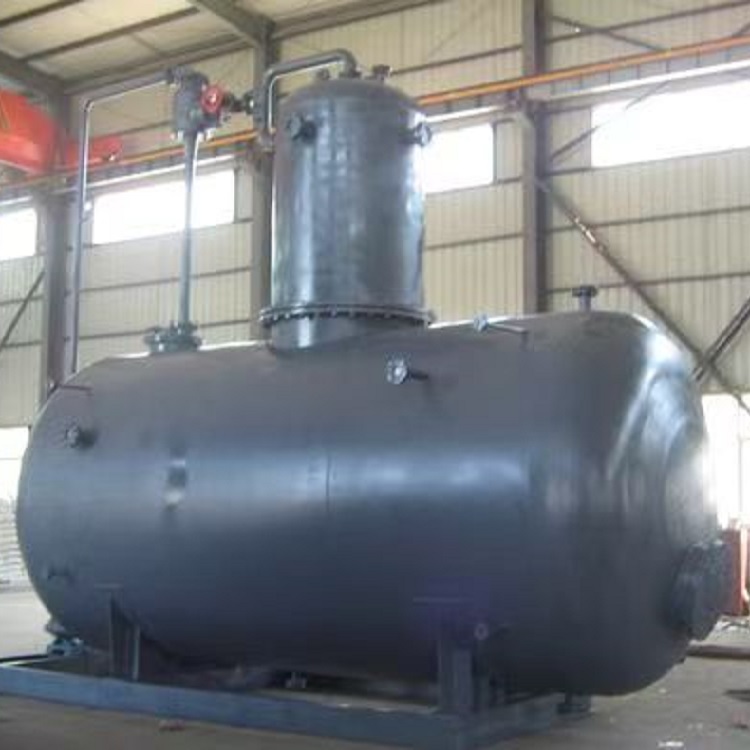
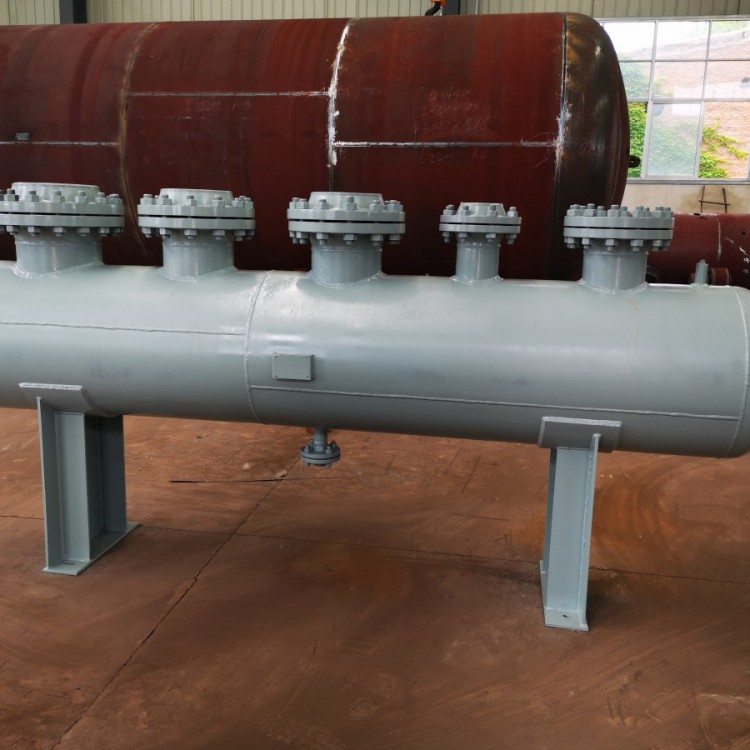
- Model Example: NQ series surface condenser, compatible with 50~1000MW units, cooling area available for customization.
- Technical Highlights: Spiral groove titanium tube for enhanced heat exchange, vacuum sealing improved by 30%, with a matching intelligent leak detection system.
- Service Support: Offer installation guidance, performance testing, and lifetime maintenance services. Specific parameters and quotes are available for inquiry.
WeChat Official Account

Scan to follow Official Account