








Cooling Equipment Guide and Usage Manual
---
I. Equipment Advantages
High-efficiency heat exchange performance
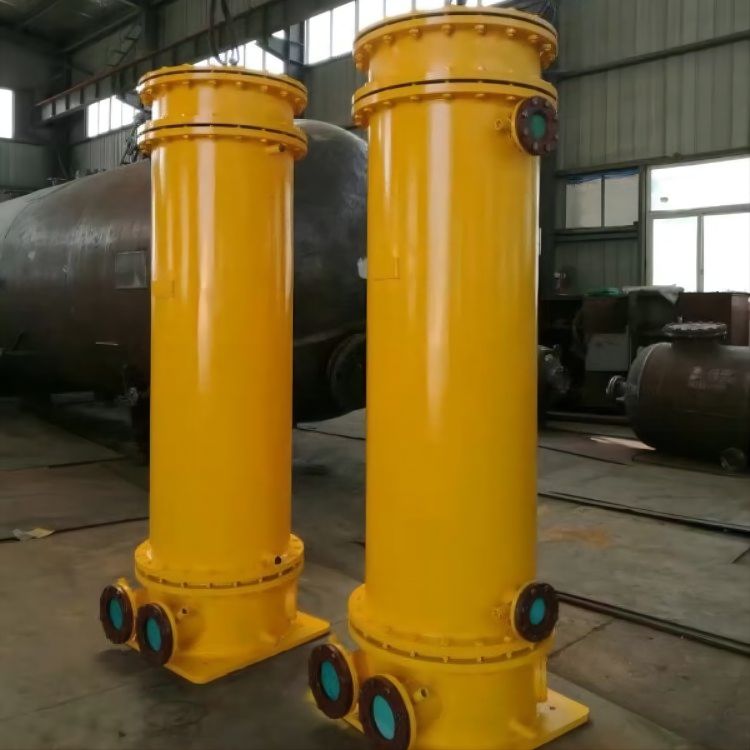
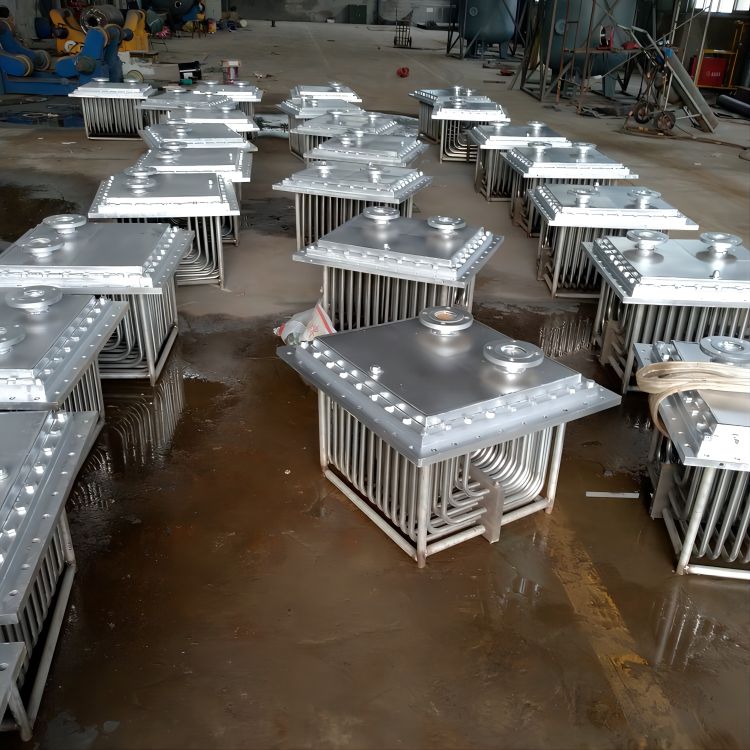
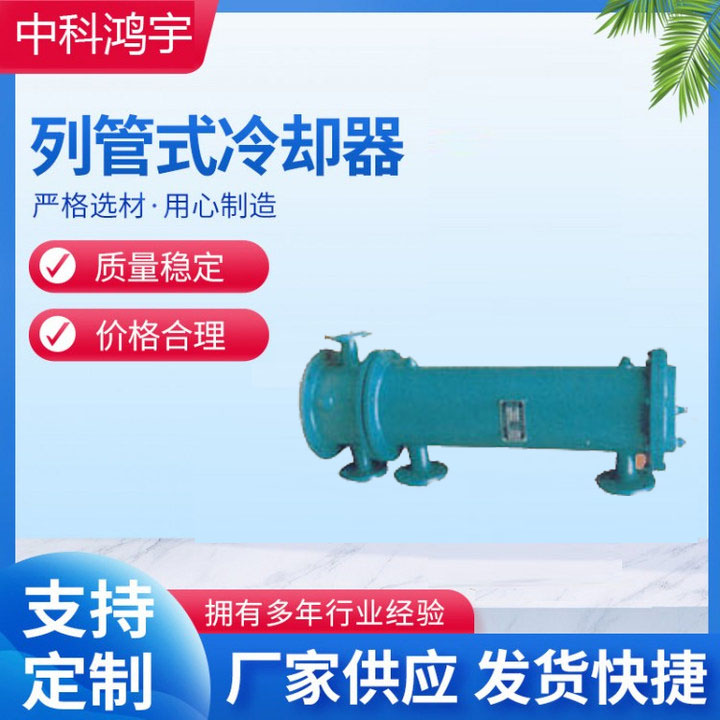
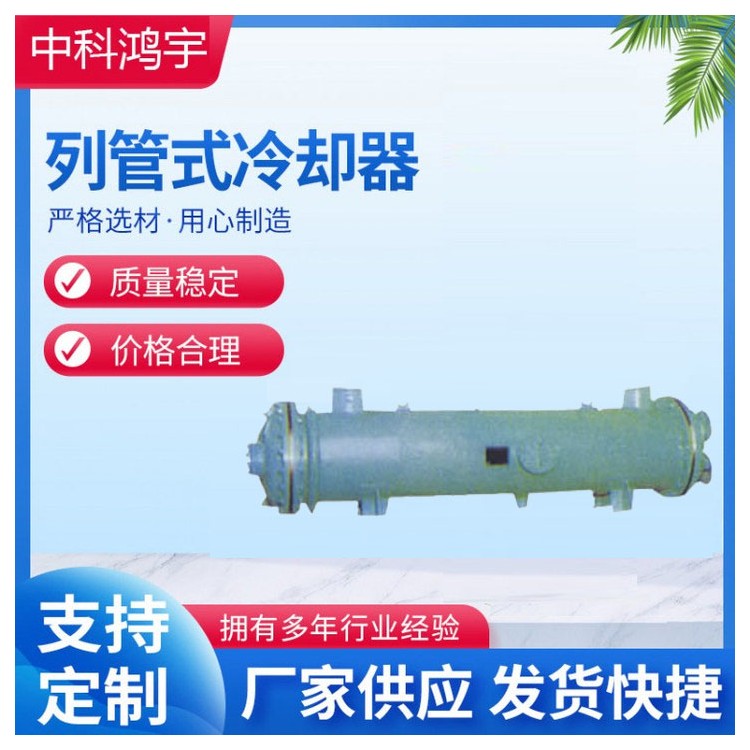
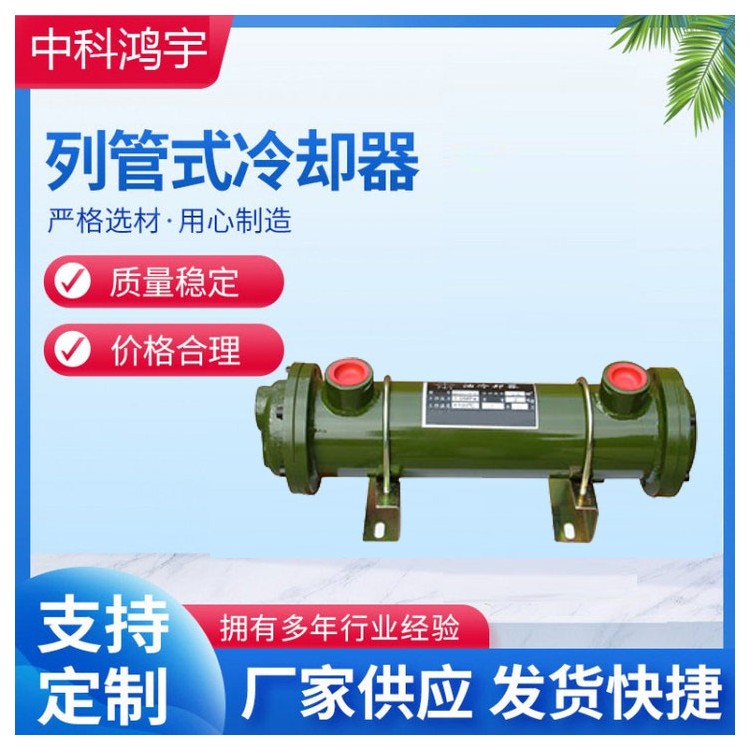
- Utilizes multi-pass design (plate/tube/air-cooled), achieving 20%-40% higher heat exchange efficiency than traditional equipment, particularly suitable for high-temperature fluid cooling in metallurgy, chemical, and energy sectors.
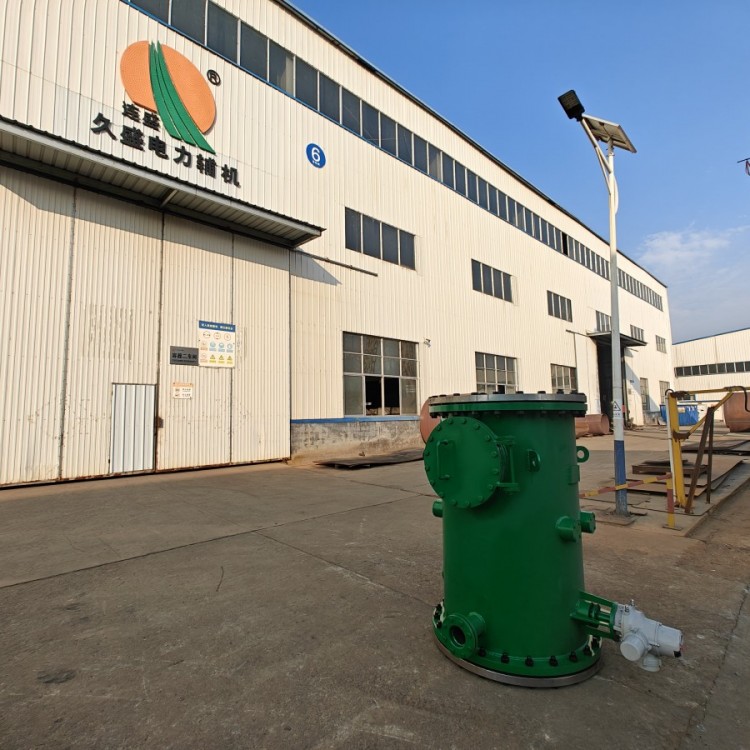
Closed-loop coolers utilize both spray water and air convection for dual heat dissipation, achieving a fully enclosed pure water circulation to prevent water quality contamination and waste.
2. Flexibility and Adaptability
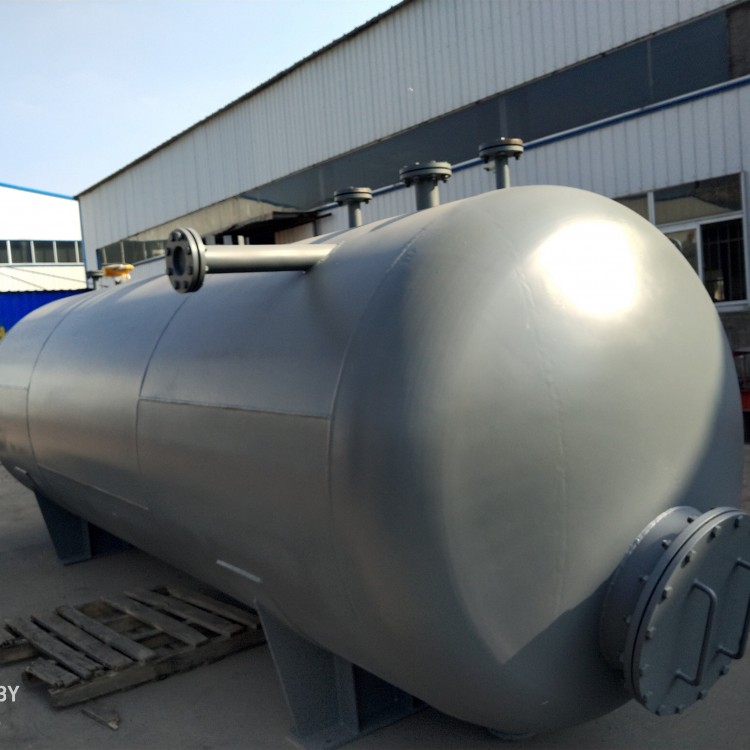
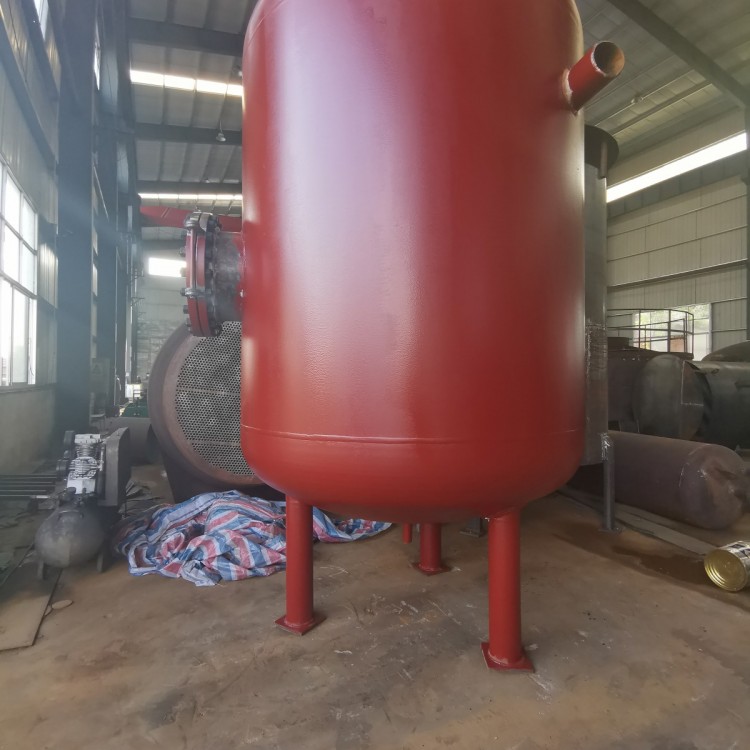
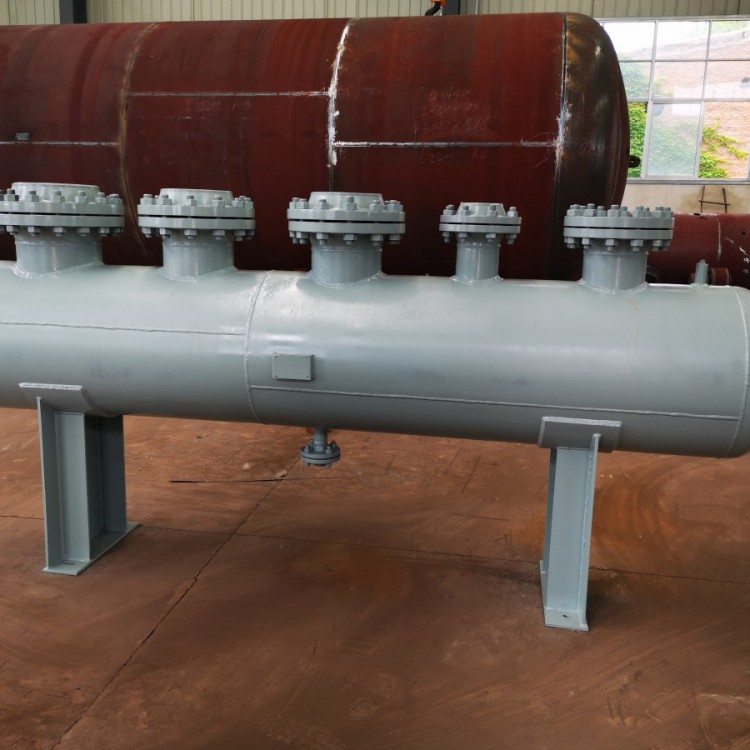
- Supports vertical/horizontal installation: Vertical saves space, ideal for limited space environments; horizontal has lower pressure drop and strong resistance to water impact.
- Compatible with low-temperature cooling water (as low as 15℃) and high-temperature media (up to 200℃), meeting various industrial requirements.
3. Energy Efficiency & Environmental Protection
- Exhaust volume < 0.1%, with reduced heat loss, energy consumption is 10%-15% lower than traditional equipment.
- Closed-loop design minimizes water usage, in compliance with industrial water conservation standards.
---
Section II: Custom Parameter Requirements
| Parameter Category | Specific Requirements |
|---------------------|-----------------------------------------------------------------------------|
Core Performance
- Working Pressure: 0.4~2.5 MPa (select according to medium type)
- Temperature Range: Cooling water inlet 15~45°C, cooled medium inlet ≤200°C
| Structural Design | - Material: 304 Stainless Steel (corrosive medium), Carbon Steel (standard conditions) |
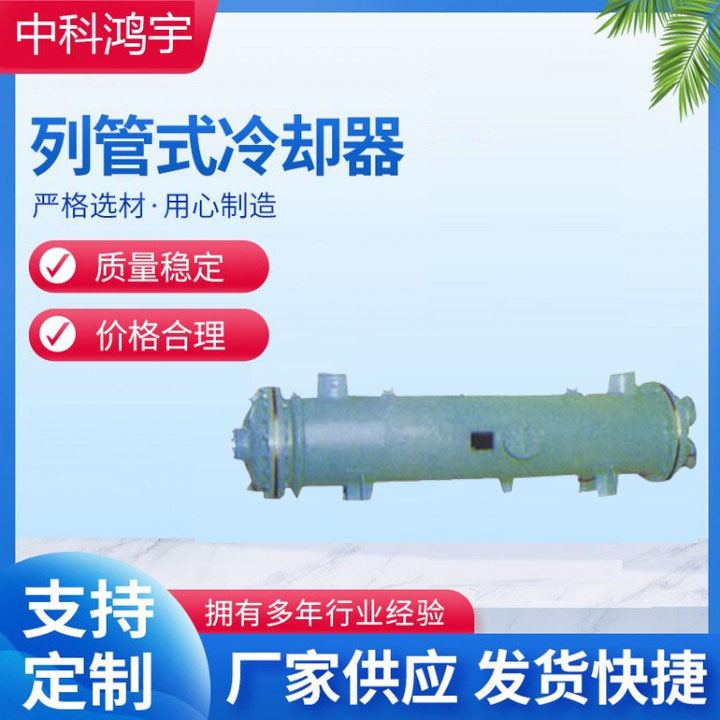
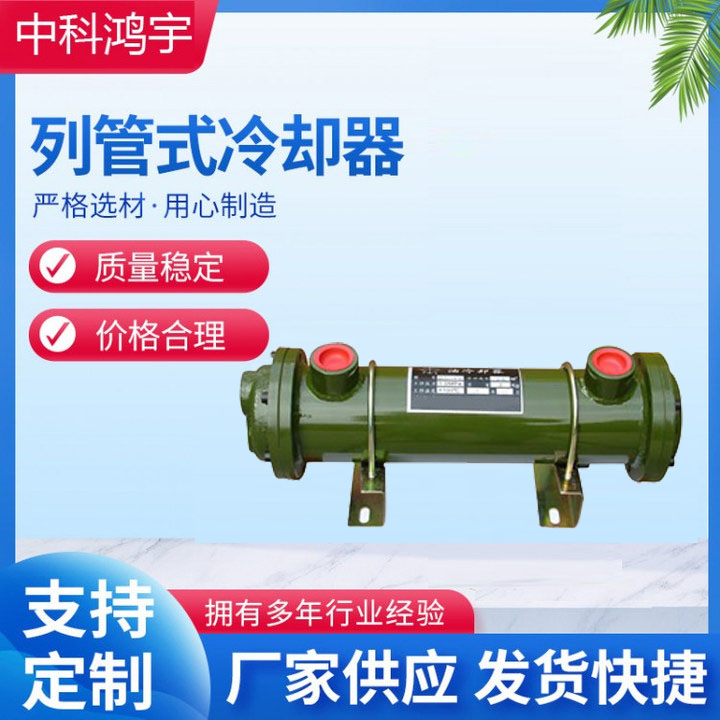
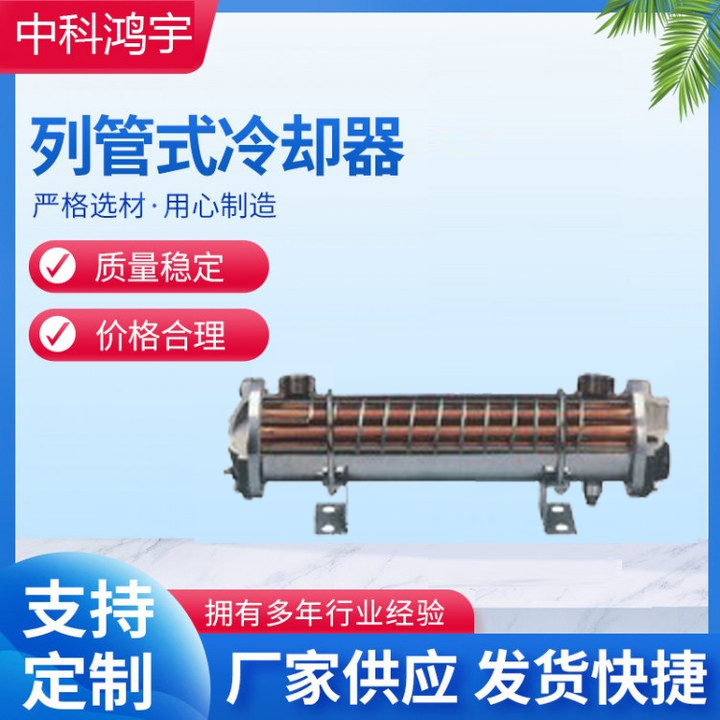
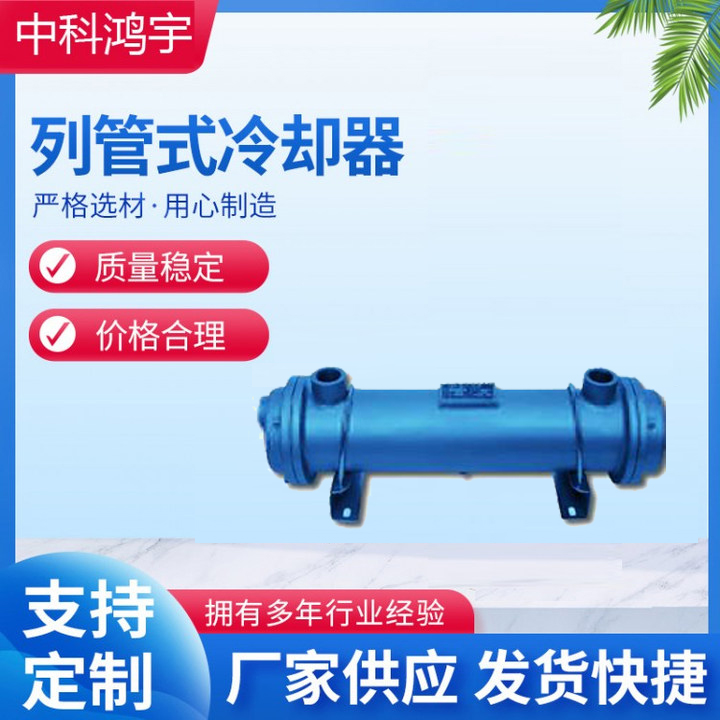
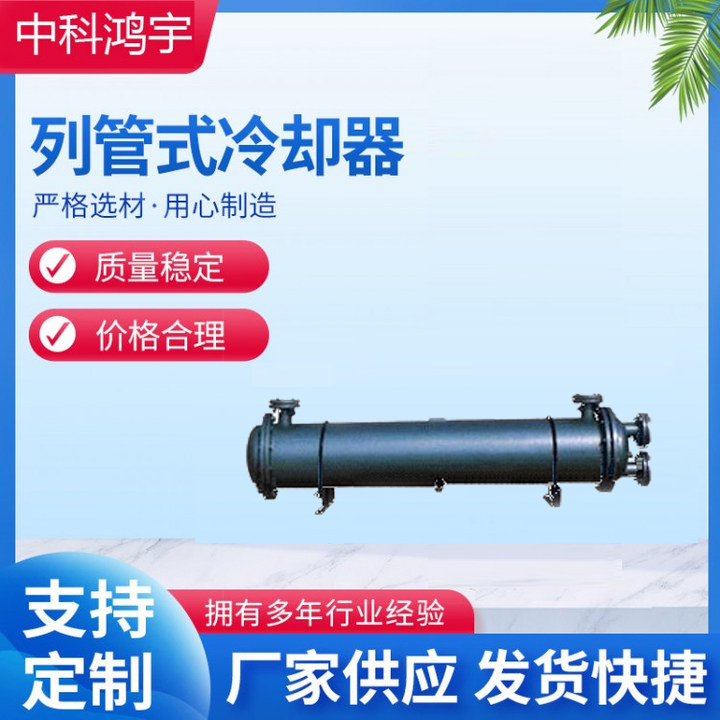
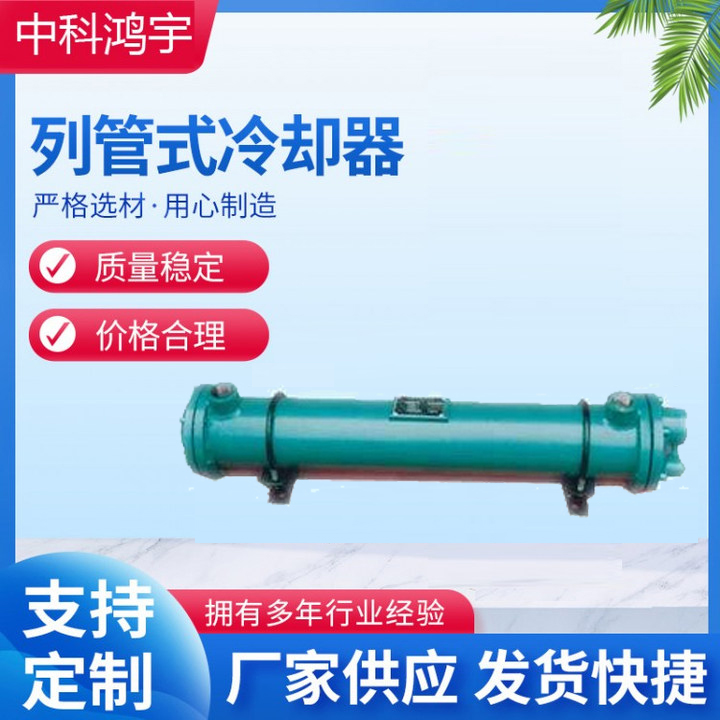
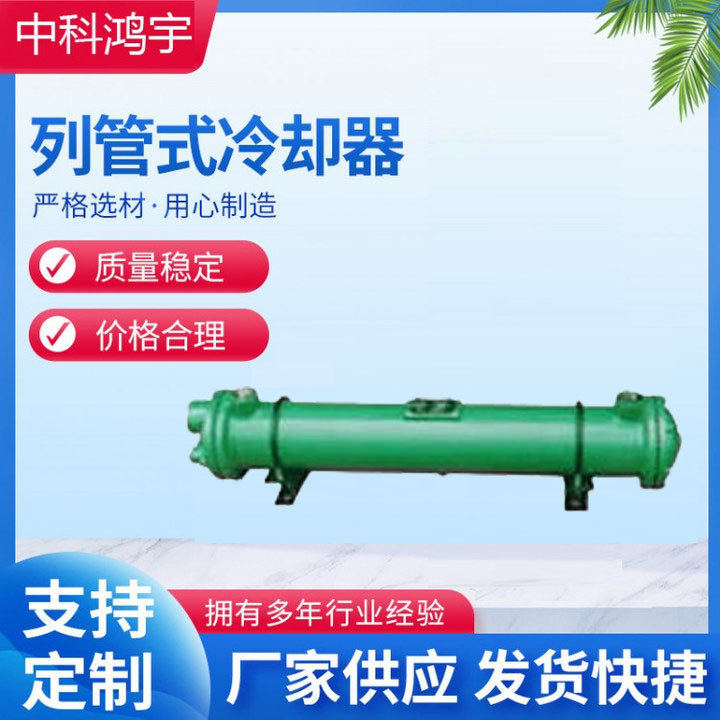
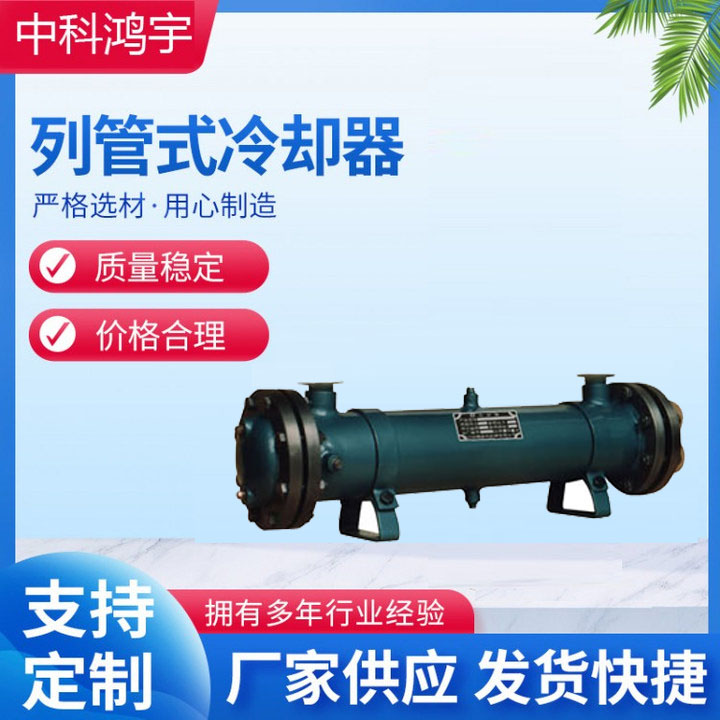
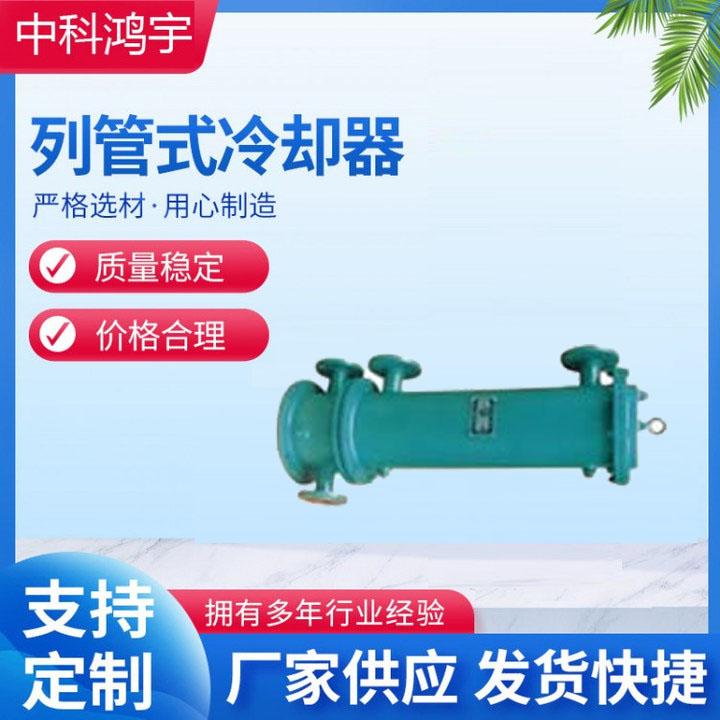
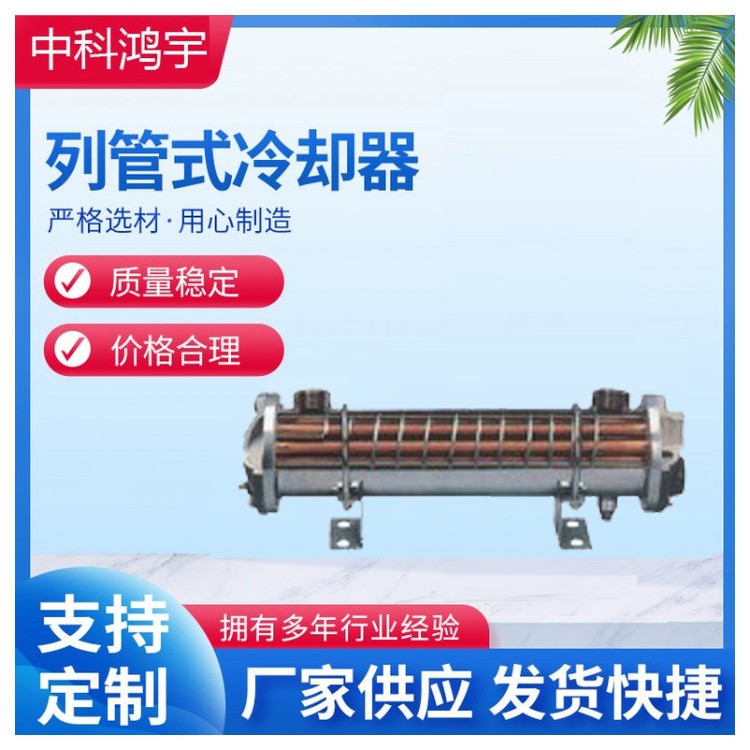
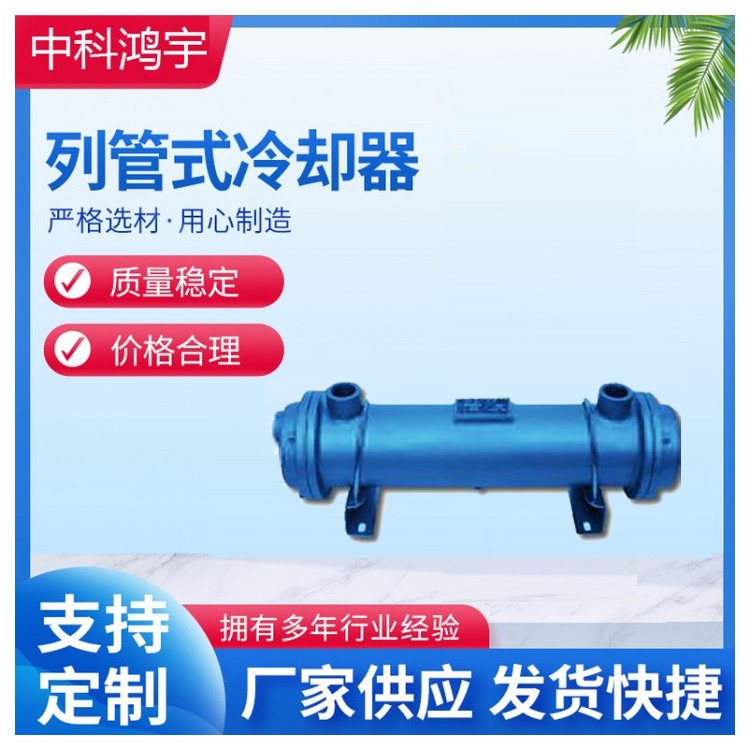
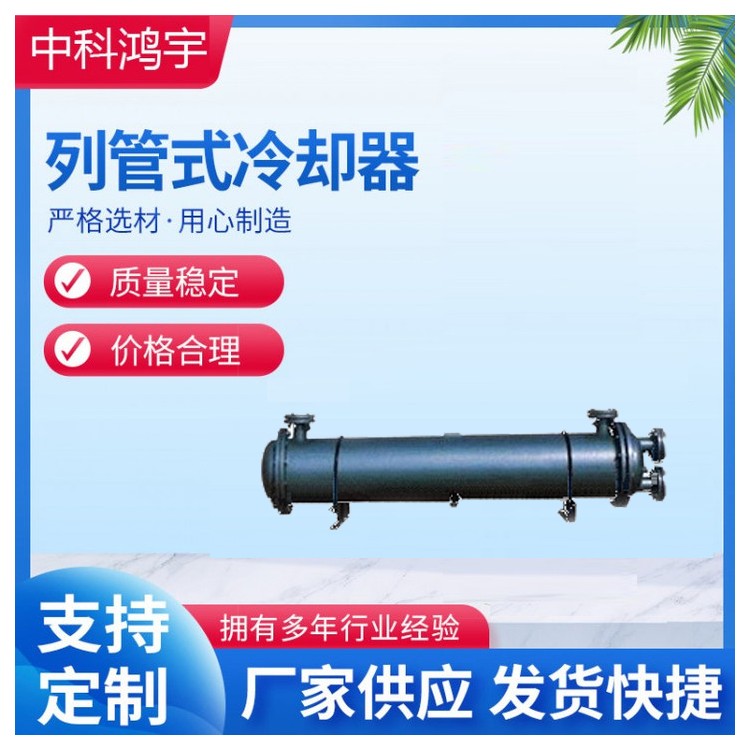
| | - Flow Channel Type: Optional parallel/series, supports multi-process customization (e.g., 4-process tubular cooler) |
| Attachment Configuration | - Mandatory Accessories: Safety Valve (trip pressure 1.5 times working pressure), Level Gauge, Anti-freezing Device |
Special Requirements | - Explosion-proof motors required for explosion-proof applications; pre-filter added for dust environments
---
Section 3: Installation and Maintenance Precautions
Installation Requirements
- Basic Treatment: Leveling deviation <3mm/m; sliding support预留 thermal expansion displacement; Closed cooler must maintain 1-3m distance from the wall to prevent the return of moist hot air.
- Pipeline Connections: Avoid external force on the equipment body; the flow of cold and hot media should be installed according to the markings. Flush the pipeline before the first operation to prevent slag from blocking the welds.
2. Commissioning and Operation
- Start sequence: Open the cold side valve first, then gradually open the hot side valve, with the pressure increase rate ≤ 0.1 MPa/min.
- Drain operation: Open the top exhaust valve until water is released, then close it to prevent airlock from affecting heat exchange efficiency.
3. Routine Maintenance
Key Point Inspection
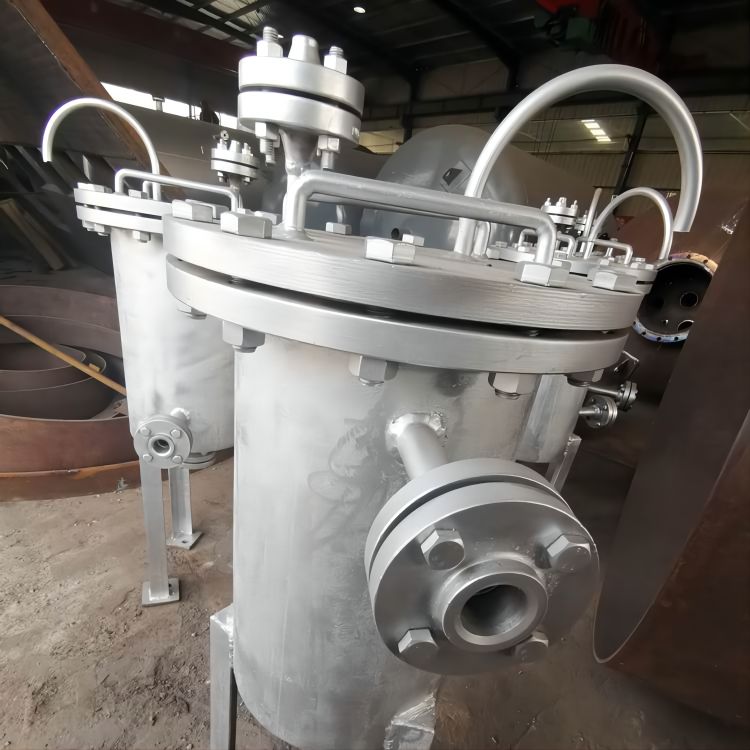
- Clean filters and tank sediment monthly, check for clogged nozzles (softening treatment required when the water hardness of the spray is high).
Every six months, clean and descale the pipes using chemical cleaning agents or high-pressure water hoses.
- Winter Antifreeze: Drain standing water when idling; maintain a circulating water flow rate of ≥15% during continuous operation, or add ethylene glycol antifreeze.
4. Security Surveillance
- Regularly inspect safety valves (every 6 months), pressure gauges (every 12 months), and test electrical equipment's grounding resistance annually.
---
Four. Recommended Product (Jiusheng Power, Lianyungang)
- Model Example: LYX Series Closed Coolers, heat exchange area of 5~500 sqm, available with explosion-proof/anti-corrosion customization.
- Key Specifications: Operating pressure ≤ 1.6 MPa, temperature difference control accuracy ±1°C, compatible with variable frequency energy-saving mode.
- Price Reference: Prices vary by specification, ranging from 30,000 to 800,000 yuan. For specific quotes, please inquire.
For technical documents or installation drawings, please refer to the "GB150-2011 Pressure Vessel Standard."
WeChat Official Account

Scan to follow Official Account