








Using high-pressure grouting equipment, inject grouting liquid into each hole individually starting from the bottom. Maintain pressure for 3-5 minutes when the adjacent hole begins grouting, then stop grouting in the current hole and switch to the adjacent hole.
Grouting reinforcement of buildings is a technique that enhances structural stability by injecting slurry into foundations or walls. Its basic principle is to fill the voids, cracks, or hollows in foundations or walls with slurry, thereby increasing the strength, compactness, and impermeability of the structure. The grouting materials typically include cement slurry, chemical slurry, or composite slurry. During construction, holes are drilled to inject the slurry into the target area, where it spreads and hardens under pressure, ultimately forming a solid reinforcement layer. This method is suitable for addressing issues such as building settlement, cracks, and leaks.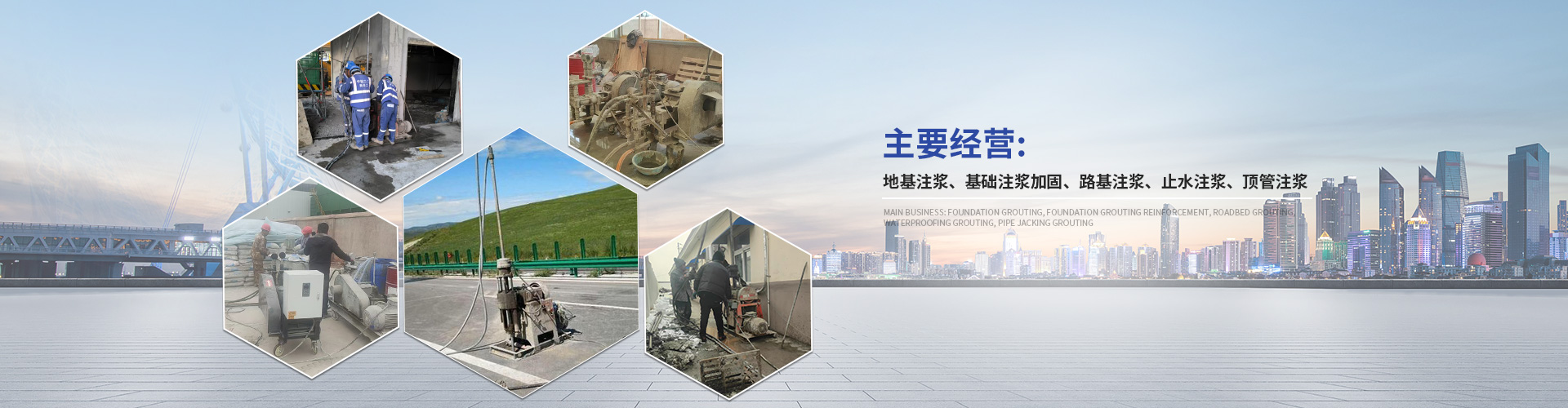
The construction process for house grouting reinforcement includes surveying, drilling, grouting pipe installation, slurry preparation, grouting, and effect inspection. Firstly, conduct a detailed survey of the house to determine the reinforcement area and grouting parameters; then, drill holes in the target area and install the grouting pipes; next, prepare the slurry in the correct proportions and inject it into the target area using a high-pressure pump. During the grouting process, control the pressure and flow to ensure even distribution of the slurry. Finally, assess the reinforcement effect through detection methods such as ultrasonic testing or core sampling.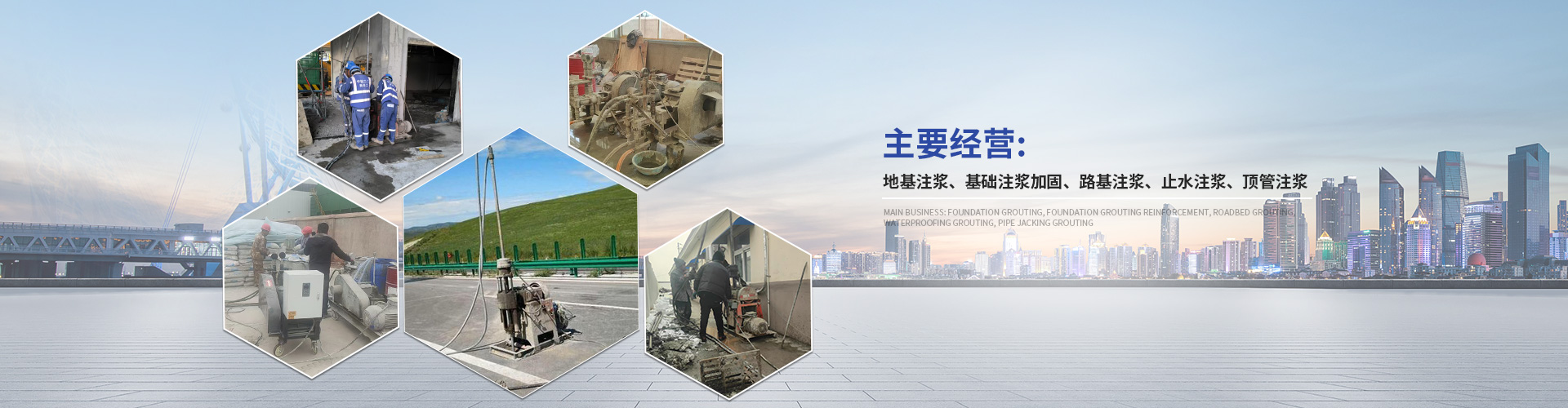
The cost-effectiveness of grouting reinforcement for buildings depends on the scale of the project, structural conditions, and construction techniques. Although the initial cost is high, its long-term benefits are significant. For instance, grouting reinforcement can extend the service life of buildings and reduce subsequent maintenance costs; in the renovation of old buildings, it can enhance property value and save on reconstruction costs. Therefore, grouting reinforcement for buildings is an economical and practical reinforcement method.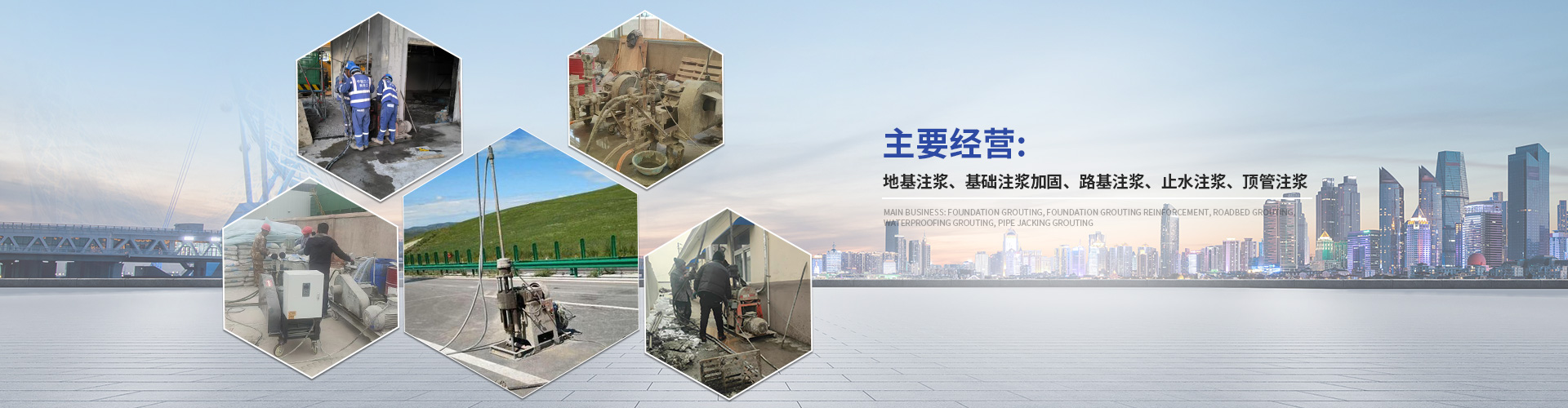
Grouting reinforcement is widely used in scenarios such as the renovation of old buildings, foundation settlement repair, and wall crack treatment. For instance, when walls crack due to uneven settlement of the foundation, grouting reinforcement can adjust the bearing capacity of the foundation; when walls develop cracks due to material aging or external forces, grouting can effectively repair the cracks and enhance the wall's strength. Additionally, grouting reinforcement is commonly employed in basement waterproofing and seismic reinforcement projects.
WeChat Official Account

Scan to follow Official Account













