








Hantong Construction Engineering (Daming County) Co., Ltd. specializes in head injection grouting reinforcement construction and offers a one-stop foundation reinforcement and settlement control solution.
The cost-effectiveness of house grouting reinforcement depends on the scale of the project, structural conditions, and construction techniques. Although the initial cost is high, its long-term benefits are significant. For instance, grouting reinforcement can extend the lifespan of a building and reduce future maintenance costs; in the renovation of old houses, it can enhance property value and save on reconstruction costs. Therefore, house grouting reinforcement is an economical and practical reinforcement method.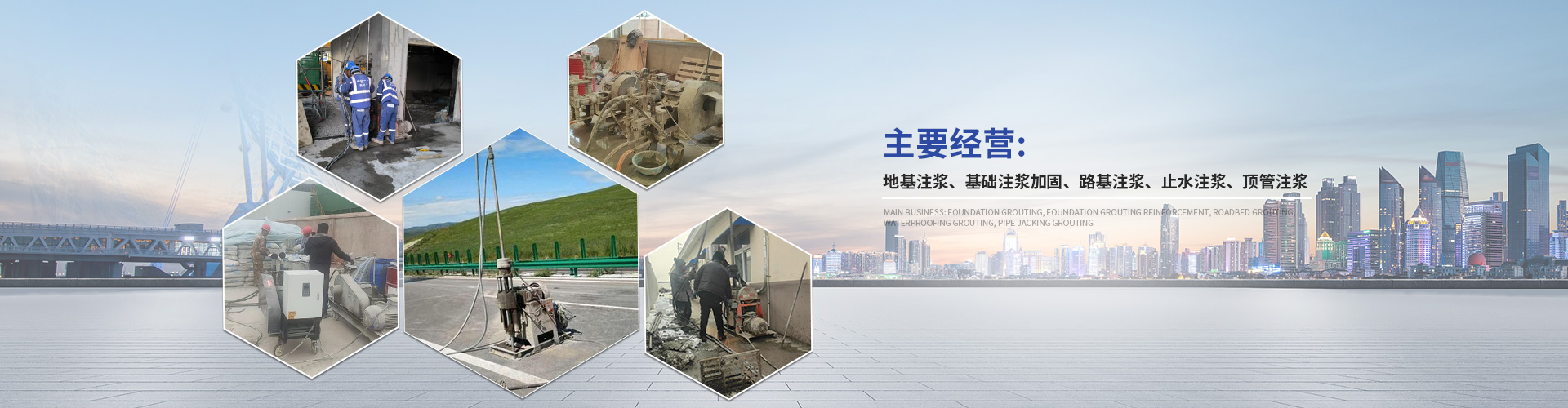
Grouting materials are crucial for house grouting reinforcement, with commonly used materials including cement slurry, chemical grout, and composite grout. Cement slurry is cost-effective and high in strength, suitable for general reinforcement needs; chemical grout (such as epoxy resin) has good fluidity, ideal for small cracks; composite grout combines the benefits of multiple materials, suitable for complex reinforcement scenarios. When selecting grouting materials, consider the reinforcement target, structural characteristics, and construction conditions.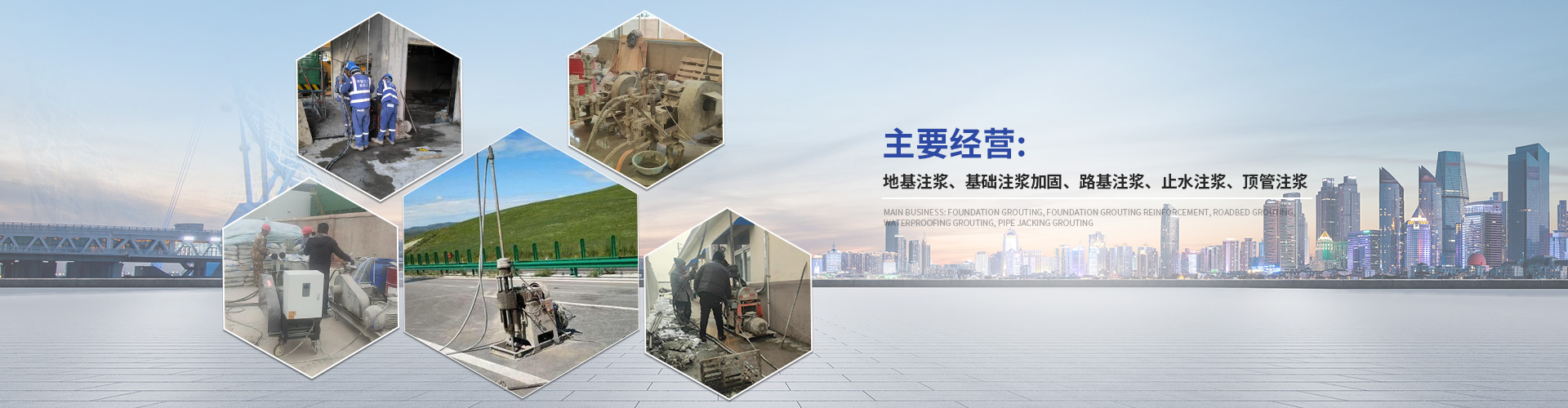
Although grouting reinforcement of buildings has many advantages, it also has certain limitations. For instance, in low-permeability clay layers, the grout may struggle to spread, resulting in less than ideal reinforcement effects; in addition, grouting construction requires equipment and technical personnel, which can be costly. Improper control of grouting pressure could also lead to cracking of walls or overflow of grout, affecting the structure of the building.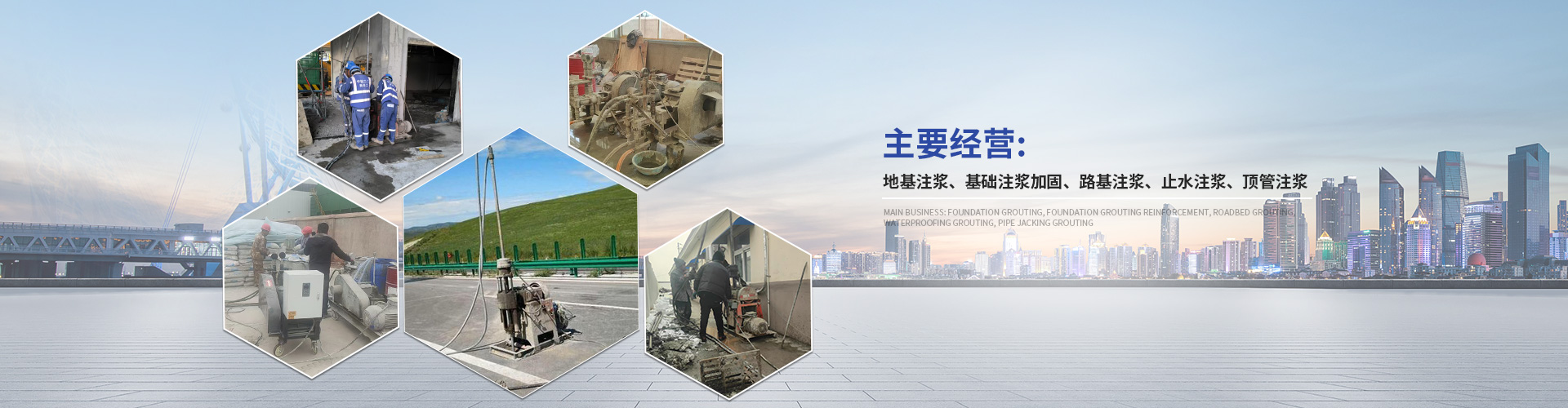
The reinforcement grouting of houses has a relatively small impact on the environment, but some issues should still be noted. For instance, noise and vibration may occur during the grouting process, and noise reduction measures must be taken; the leakage of slurry may contaminate the indoor environment, so stricter construction management is required. Additionally, waste slurry and drilling mud must be properly disposed of to prevent secondary environmental pollution.
WeChat Official Account

Scan to follow Official Account













