








Using high-pressure grouting equipment, inject grouting fluid into each hole individually starting from the bottom. Maintain pressure for 3-5 minutes when the adjacent hole begins grouting, then stop grouting in that hole and switch to the adjacent hole.
Despite the many advantages of grouting reinforcement for buildings, there are also some limitations. For instance, in low-permeability clay layers, the grout may struggle to spread, resulting in less than ideal reinforcement effects; in addition, grouting construction requires equipment and technical personnel, which can be costly. Improper control of grouting pressure may also lead to wall cracking or grout leakage, affecting the structure of the building.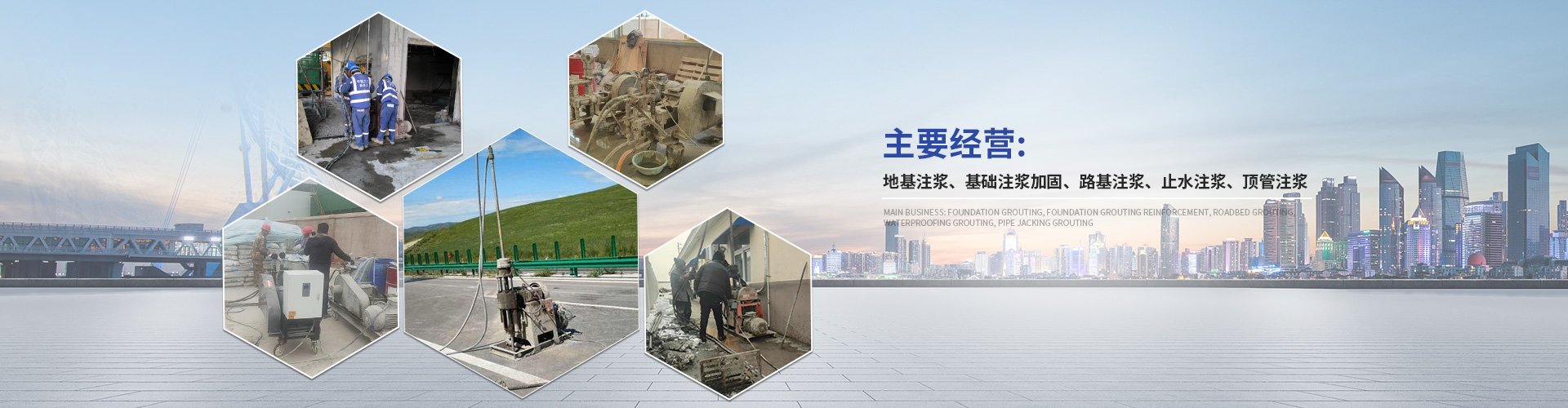
Grouting technology plays a crucial role in underground structure seepage prevention, foundation pit reinforcement, ground settlement prevention, existing building foundation treatment, and pipe jacking friction reduction. For tunnel engineering, grouting serves as a filling, reinforcement, and seepage reduction function.
Grouting materials are crucial for the reinforcement of buildings, with commonly used options including cement slurry, chemical grouts, and composite grouts. Cement slurry is cost-effective and high-strength, suitable for general reinforcement needs; chemical grouts (such as epoxy resins) have good fluidity, ideal for small cracks; and composite grouts combine the benefits of multiple materials, ideal for complex reinforcement scenarios. When selecting grouting materials, consider the reinforcement objectives, structural characteristics, and construction conditions.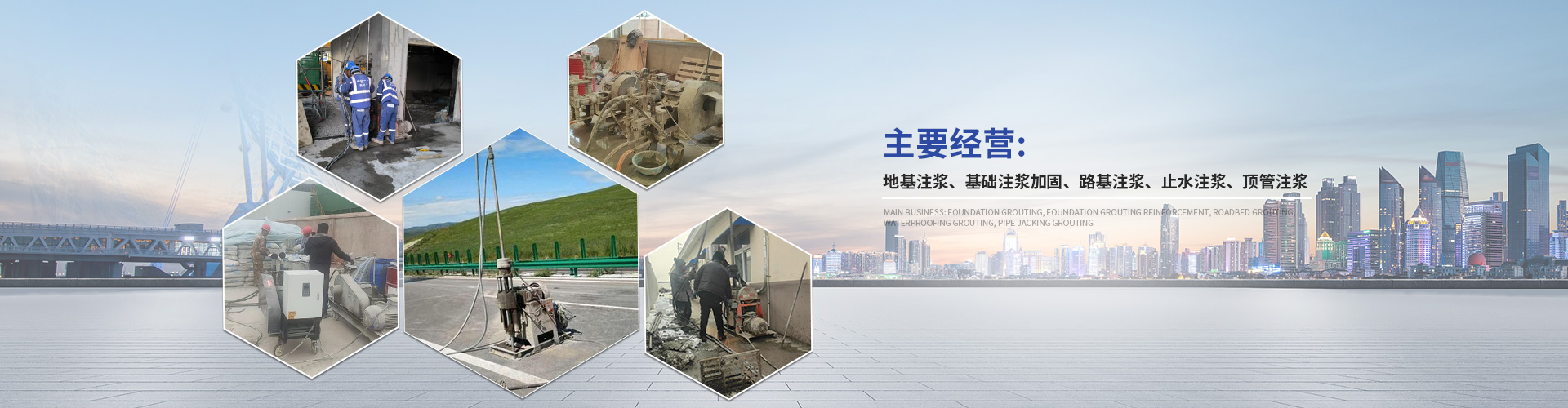
Grouting reinforcement for buildings offers advantages such as flexible construction, significant effects, and wide applicability. It can be carried out without damaging the building structure, making it particularly suitable for the renovation of old houses. Moreover, grouting reinforcement can significantly enhance the strength and stability of structures, effectively addressing issues like settlement, cracks, and leaks. It has a short construction period, minimizes the impact on the living environment, and is a method of building reinforcement.
WeChat Official Account

Scan to follow Official Account













