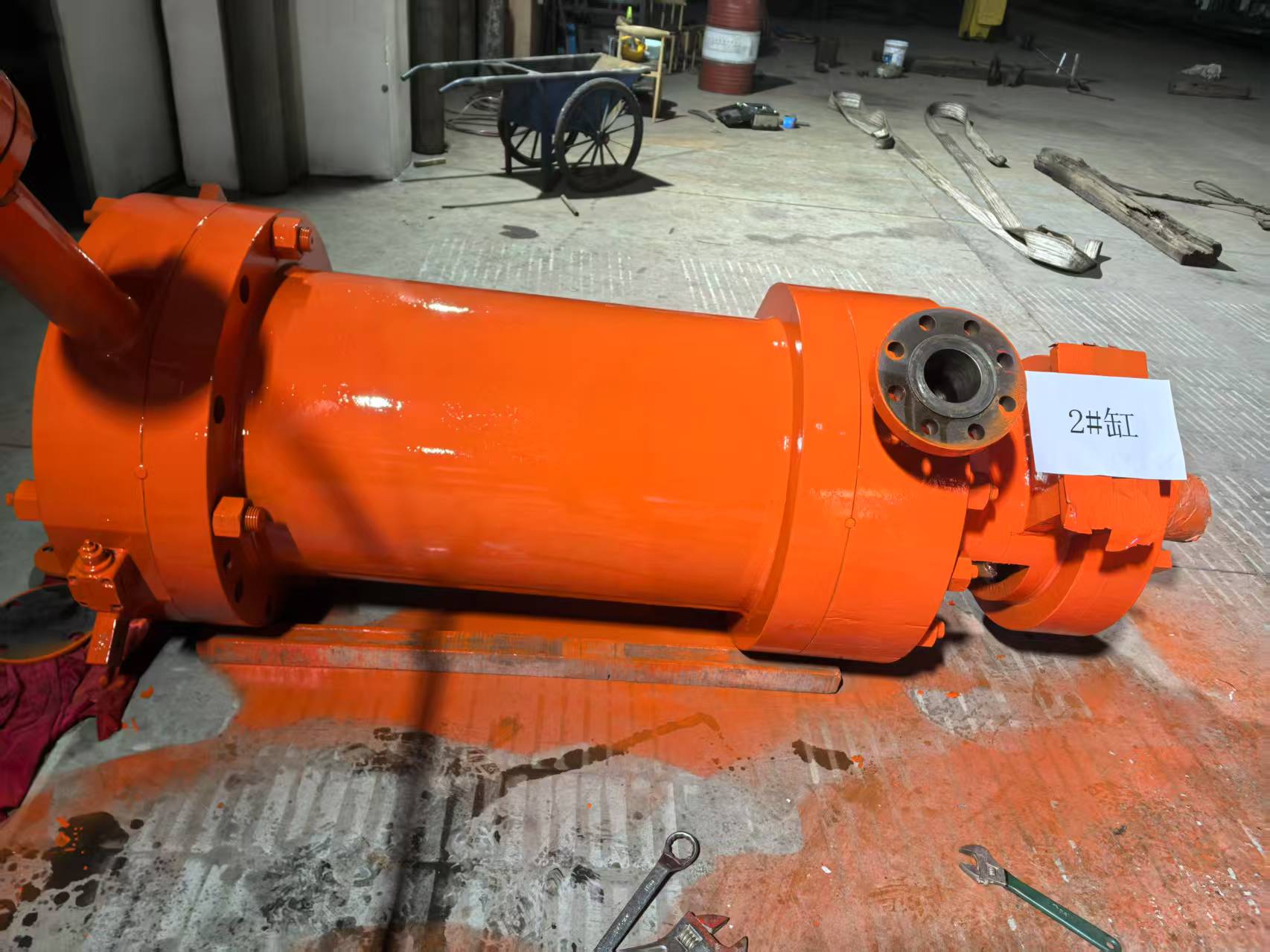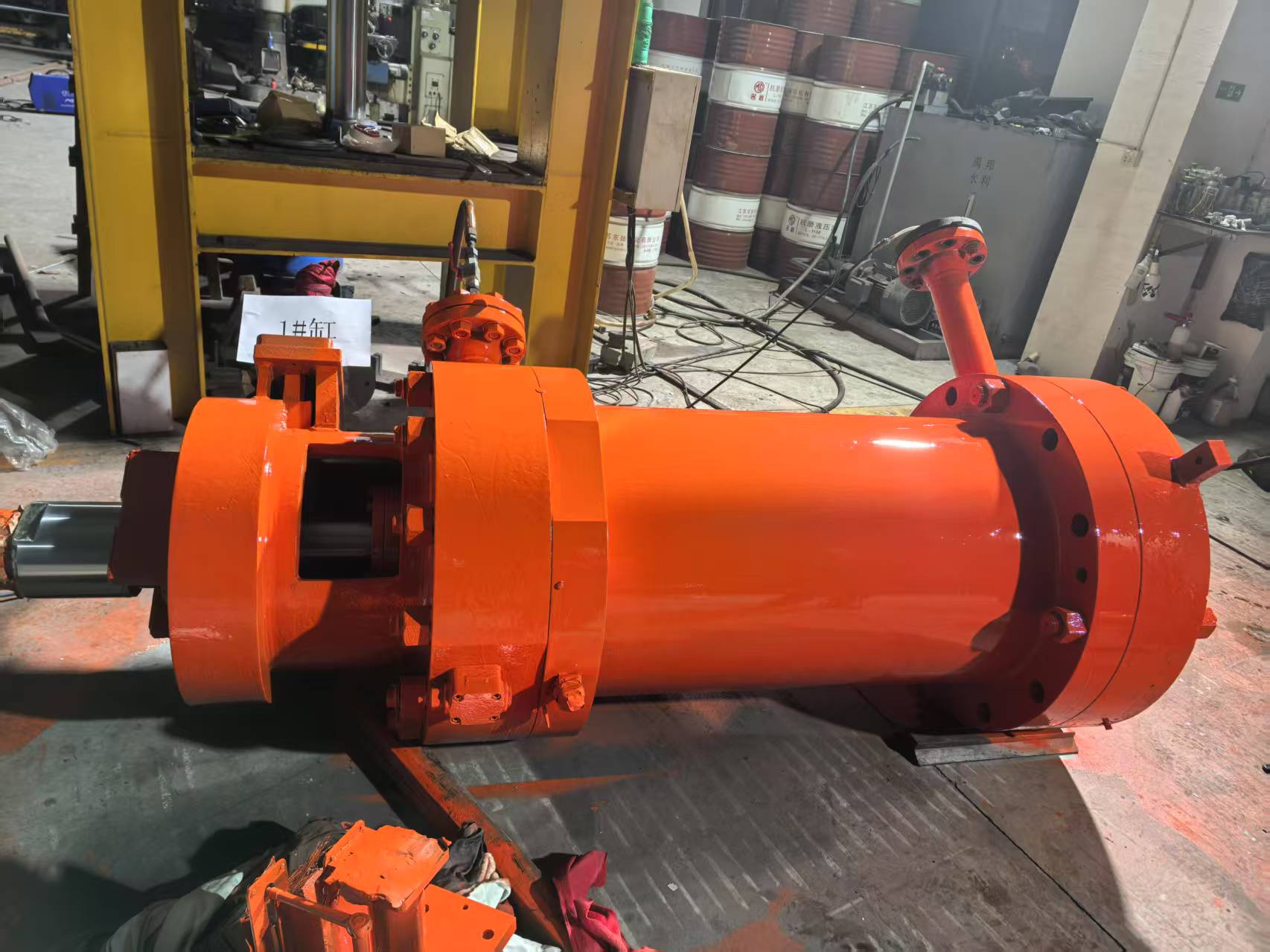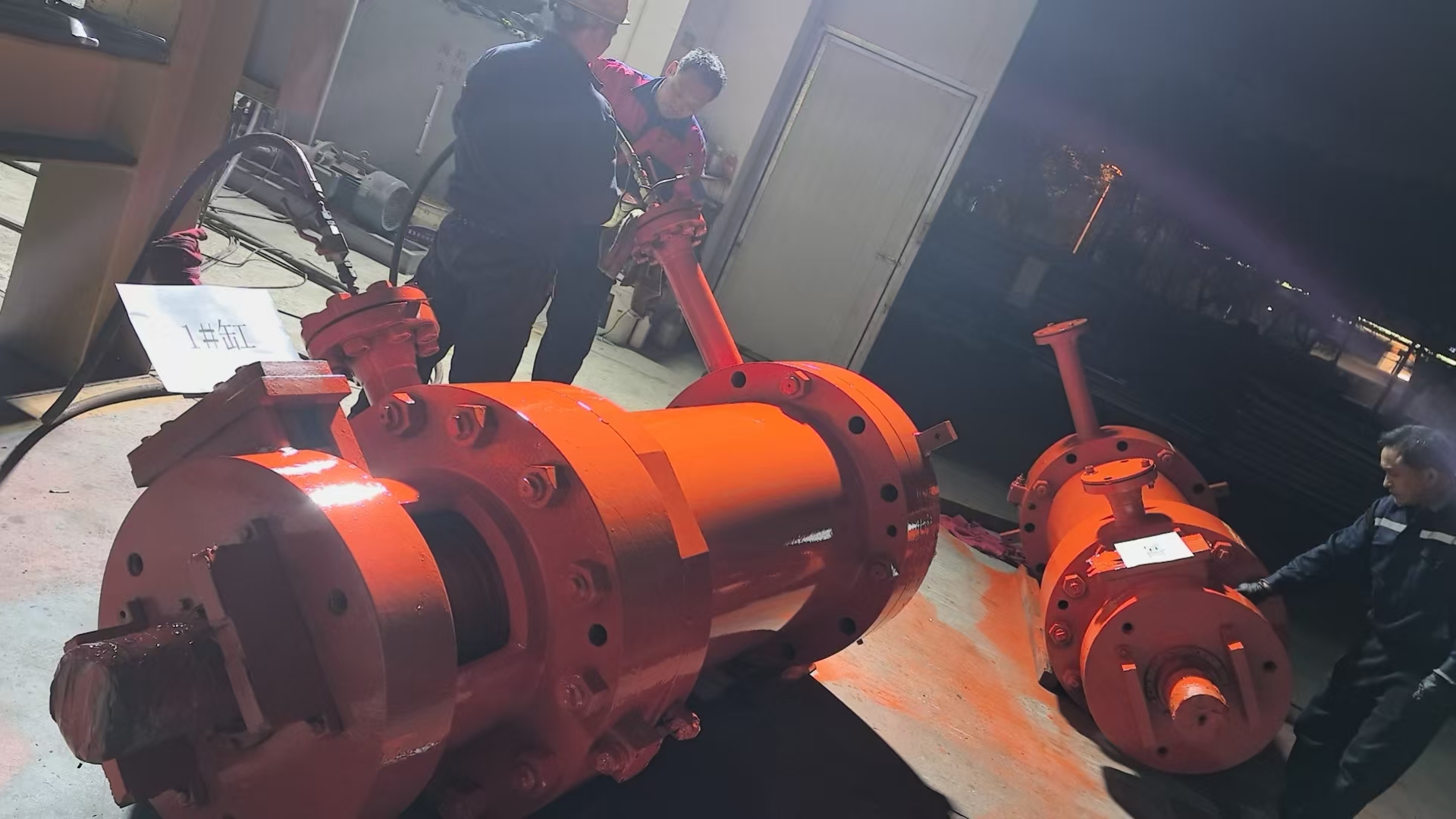





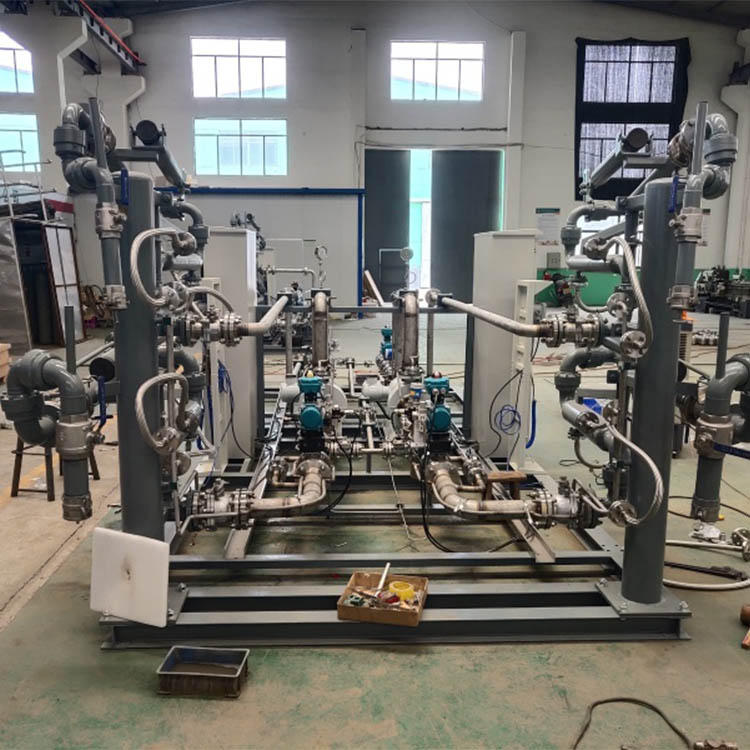









The shutdown relay is an essential component of the shutdown system, playing a crucial role especially in hydropower, water supply and drainage, lock gates, mine drainage, and landscape engineering. Below is a detailed analysis of the shutdown relay:
I. Definition and Function
Reversing devices, as the actuating mechanism of the gate operator, are primarily responsible for controlling the opening and closing of various gates. Through the operation of the reversing device, the gate operator can effectively regulate water levels, prevent and discharge floodwater, control water flow, allocate water volumes, prevent backflow, control inflow, discharge sludge, adjust raw water flow, control clear water discharge, control vessel passage, control mine drainage, and create water scene effects.
II. Types and Structures
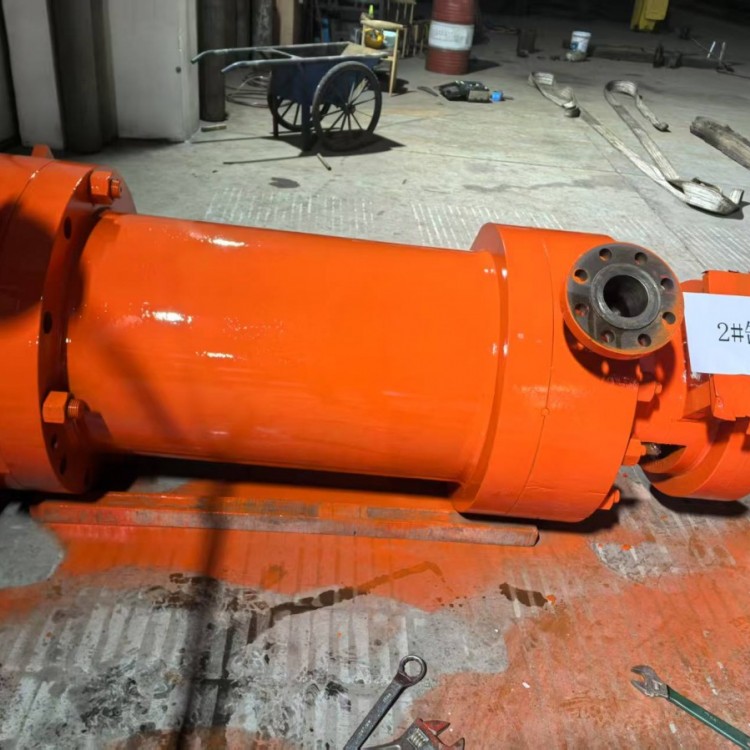
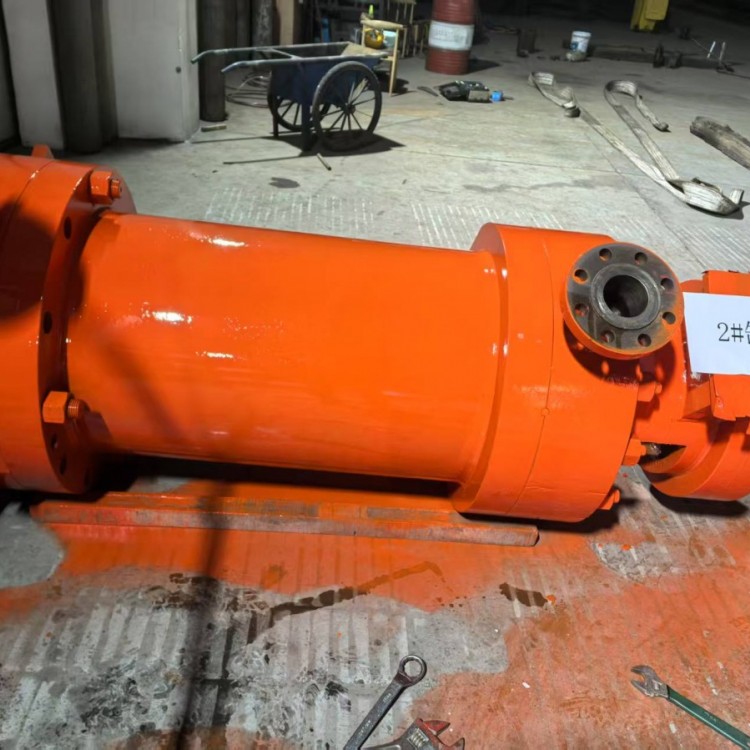
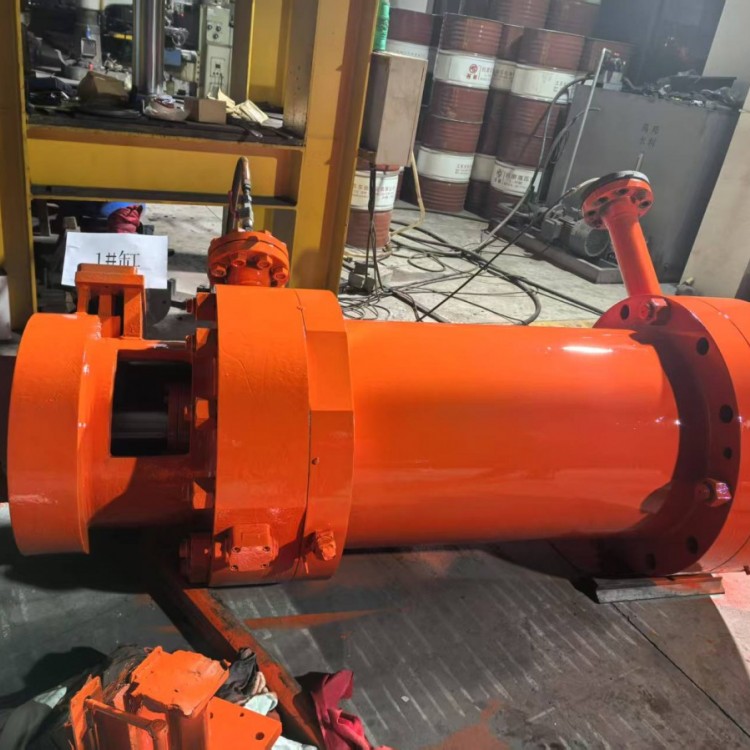
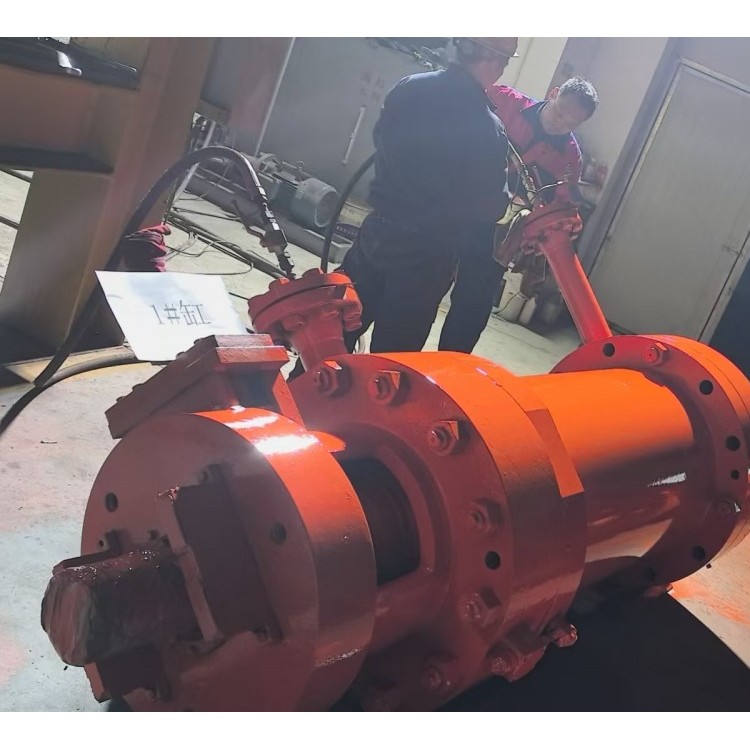
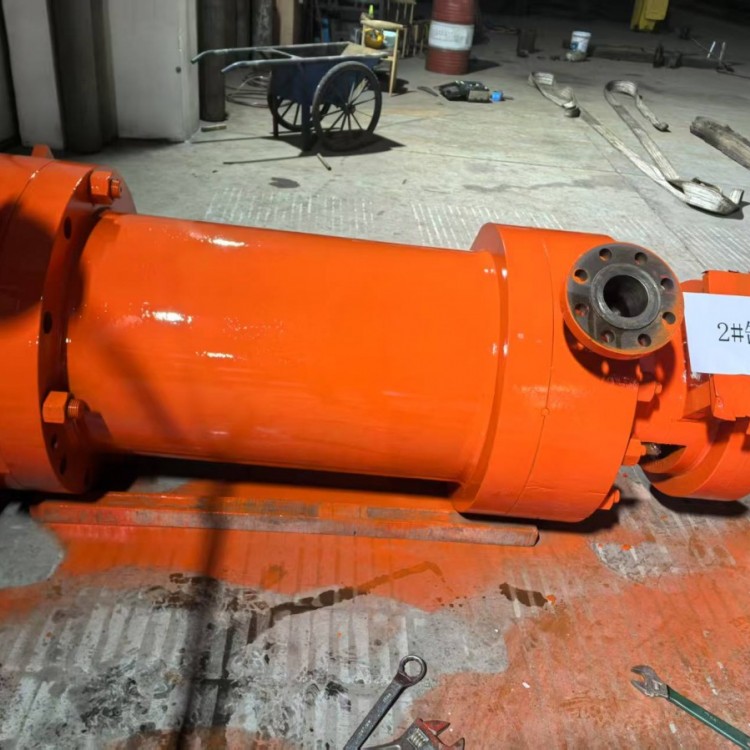
There are various types of couplers, which differ in structure based on their application scenarios and specific requirements. For instance, in a hydraulic turbine generator set, couplers might come in tube-type, swing-type, scraper-type, or annular forms to accommodate different operating torque and installation conditions. These couplers typically consist of components such as pistons, cylinders, and rods, which are driven by hydraulic or pneumatic pressure to move the piston, thereby causing the rods and gates to move in a straight line.
III. Working Principle
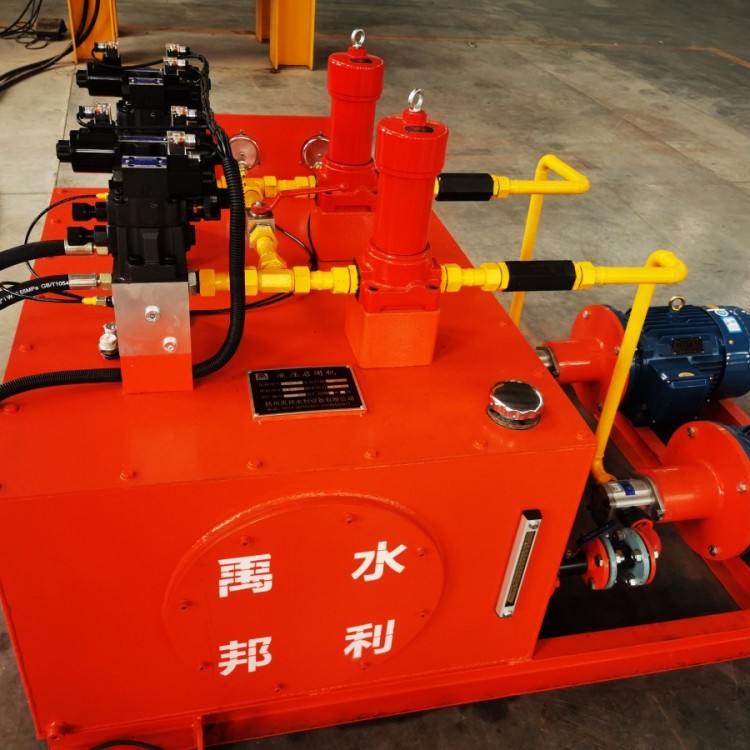
The relay mechanism operates primarily on its internal hydraulic or pneumatic system. Taking the hydraulic relay as an example, once the motor's power is connected, the oil pump starts to work, pumping hydraulic oil into the cylinder. As the oil accumulates, the pressure on the piston gradually increases, causing it to reciprocate along the cylinder axis. Through linkage and other transmission components, the piston's movement is converted into the opening or closing action of the gate. The hydraulic relay boasts advantages such as flexible operation, stable performance, low impact force, and accurate stroke control.
4. Applications and Maintenance
The relay valve finds extensive application in the actuation system, covering nearly all scenarios requiring gate opening and closing control. To ensure the relay valve operates smoothly and to extend its service life, regular maintenance and care are essential. This includes inspecting the sealing performance of the relay valve, cleaning the cylinder and piston, and replacing worn-out parts. Moreover, attention must be given to maintaining the cleanliness and stability of the hydraulic or pneumatic system to prevent system malfunctions caused by the admittance of impurities or moisture.
V. Cautionary Notes
When using the relay, operate strictly according to the operational procedures to prevent overloading or frequent start/stop, which may cause equipment damage.
2. Regularly inspect the relay's operational status and performance indicators, and address any anomalies promptly.
3. For relay devices that are not used for a long time, appropriate protective measures should be taken, such as draining hydraulic oil and applying rust inhibitors, to prevent rust or damage to the equipment.
In summary, the shuttering relay is a crucial component of the shuttering system, playing an indispensable role in water conservancy and drainage projects. By understanding its definition, functions, types, working principle, and knowledge of its applications and maintenance, we can better comprehend and utilize this equipment, providing a robust guarantee for the safe and efficient operation of the projects.