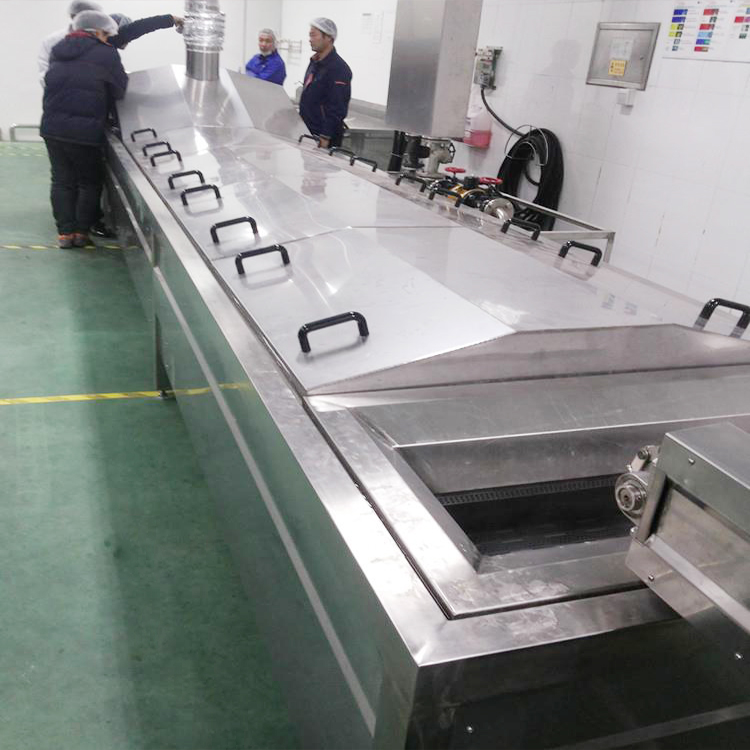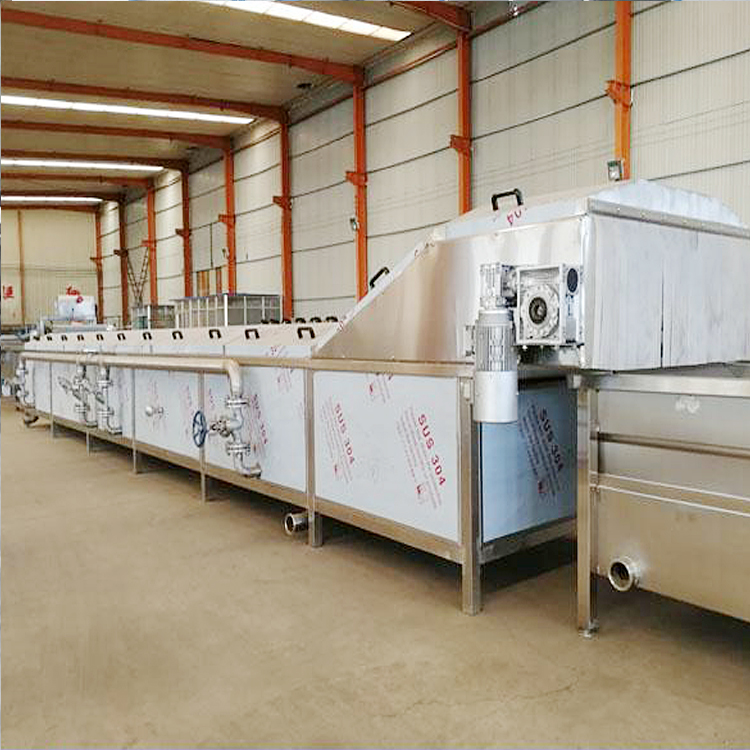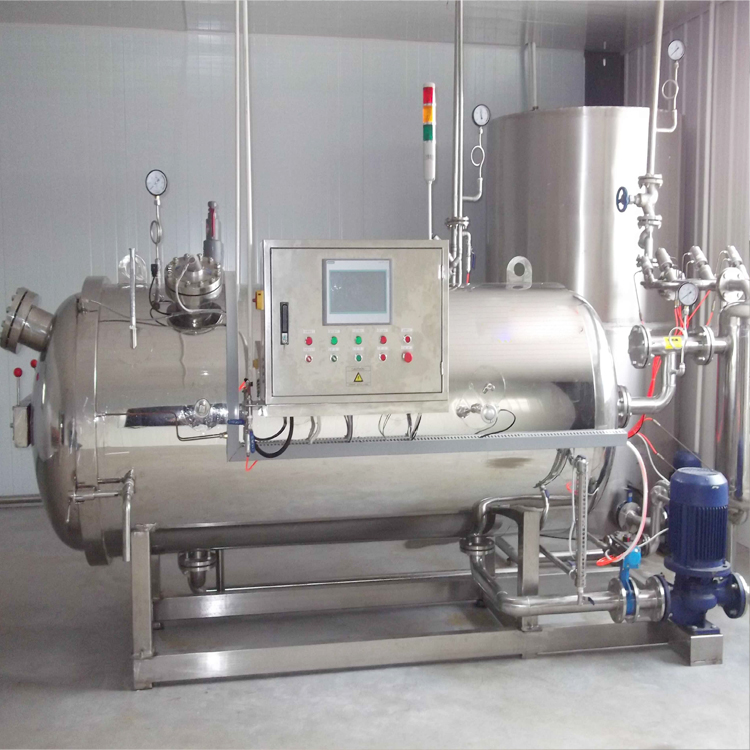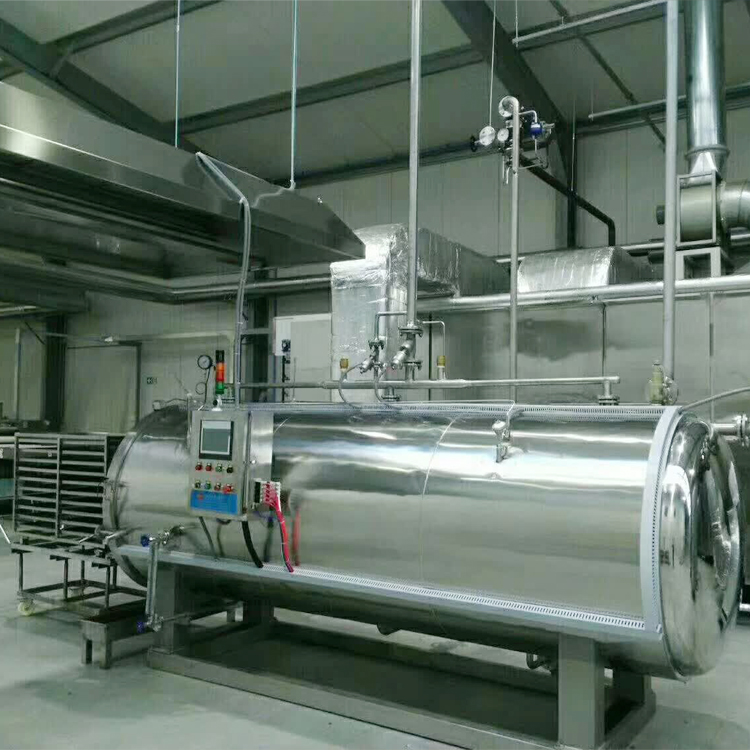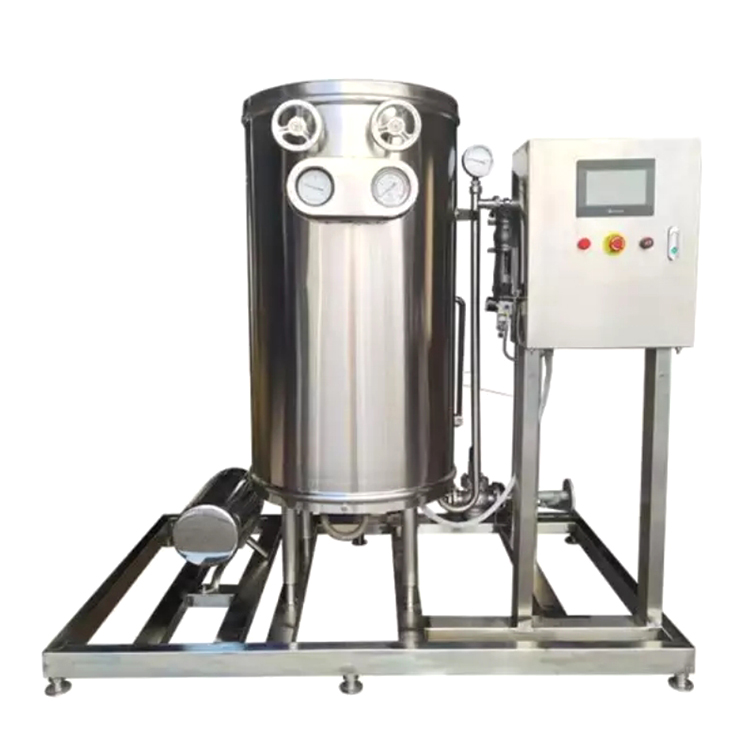

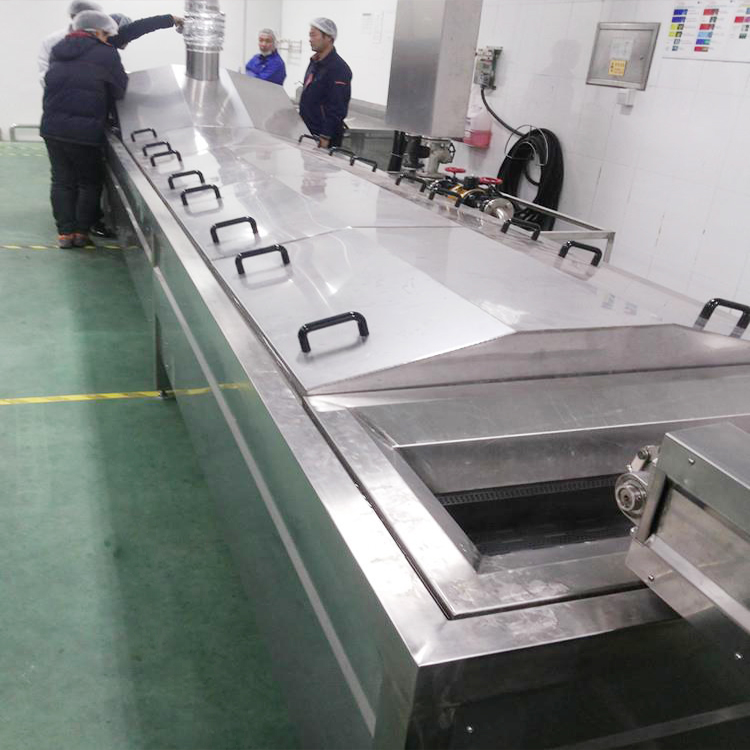





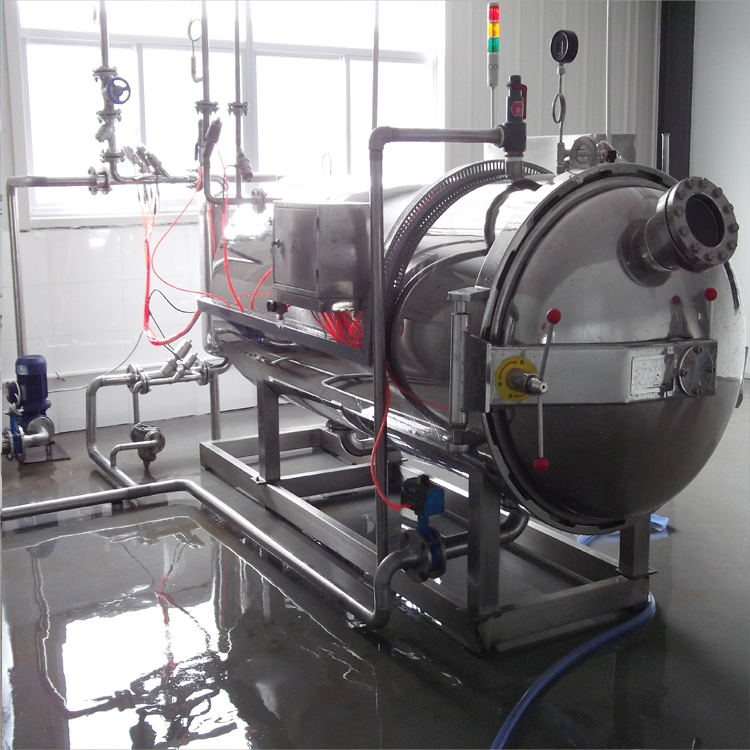
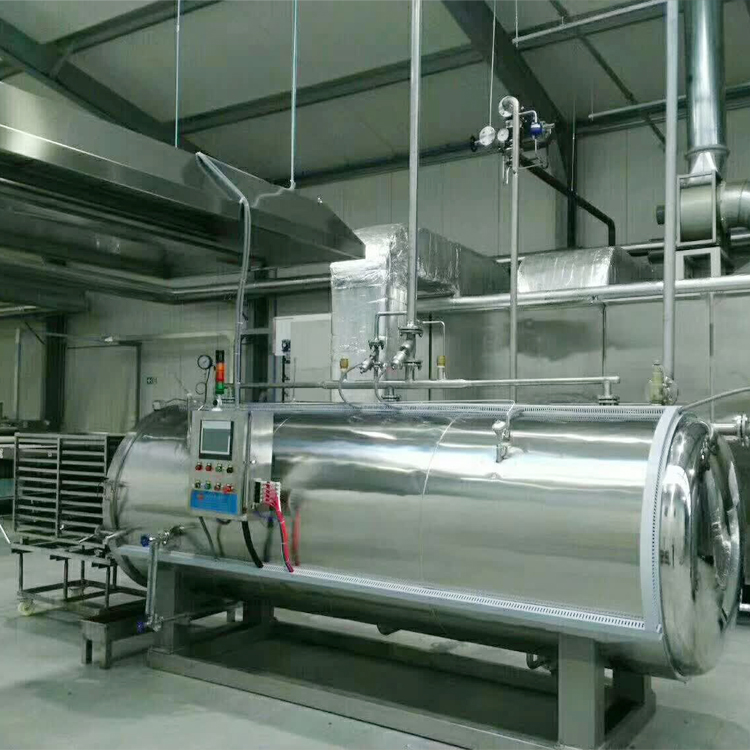










PasteurizationThe occurrenceOriginated from Pasteur SolutionBeerEfforts to prevent souring after fermentation. At the time, the French brewing industry was facing a daunting issue: beer would turn sour after fermentation, rendering it undrinkable, and this souring often occurred. Pasteur was invited to investigate the problem. After extensive observation, he discovered the culprit behind the souring of beer wasLactobacillusRich in nutrition, beer is essentially a paradise for the growth of lactic acid bacteria. The simple method of boiling can killLactobacillusHowever, this would also ruin the beer. Pasteur attempted to use different temperatures to kill the lactobacillus without damaging the beer itself. Therefore, Pasteur's research resulted in:Heating beer to 50~60 degrees Celsius for half an hour can kill the lactobacillus and spores in the beer without boiling. This method has saved the French brewing industry. This sterilization method is also known asPasteurization”。
 Principle of Sterilization
The principle of sterilization is that within a certain temperature range, the lower the temperature, the slower the bacteria reproduce; the higher the temperature, the faster the reproduction.Pasteurization actually takes advantage of the fact that pathogens are not very heat-tolerant by treating with appropriate temperature and holding time to kill them all. However, after pasteurization, a small portion of harmless or beneficial microorganisms may still be retained.Beneficial, heat-tolerant bacteria or bacterial spores.