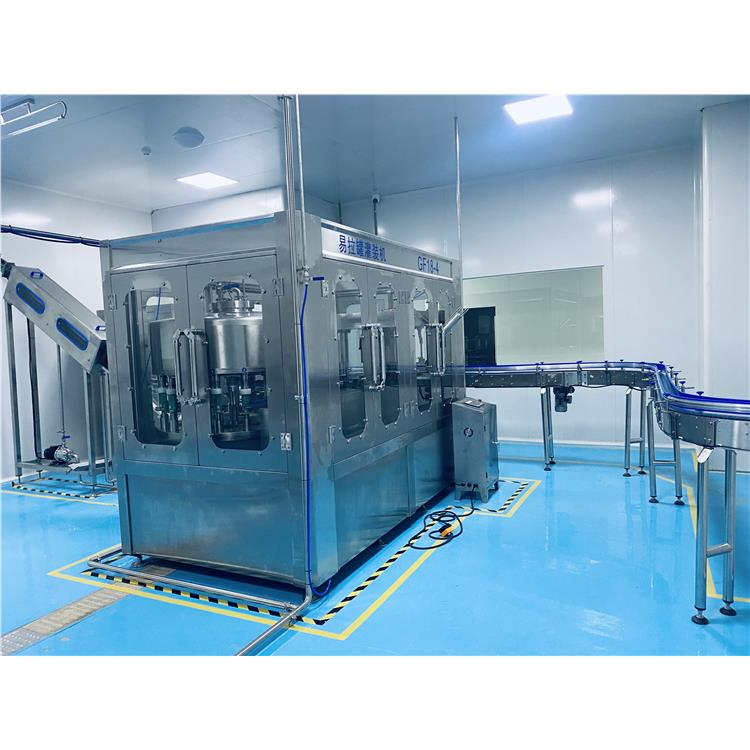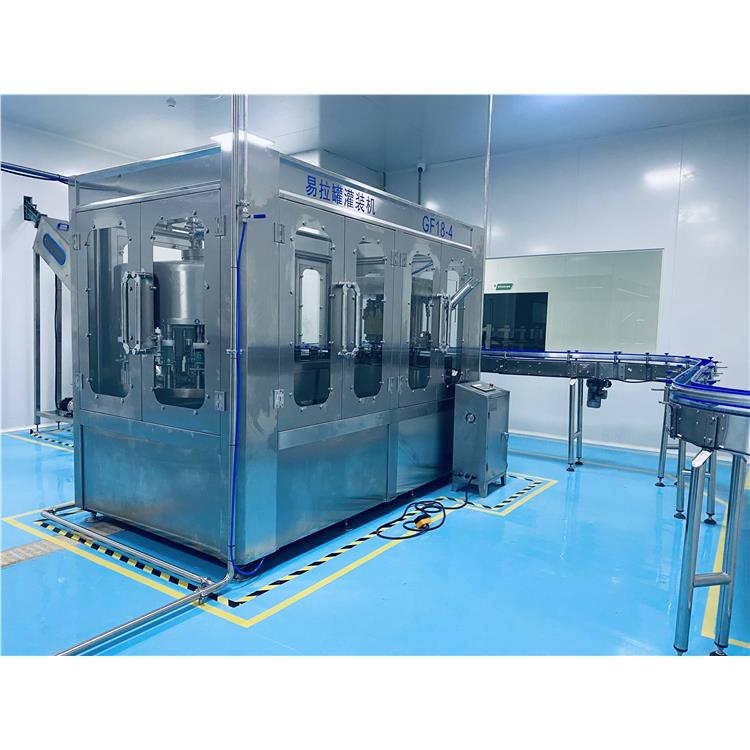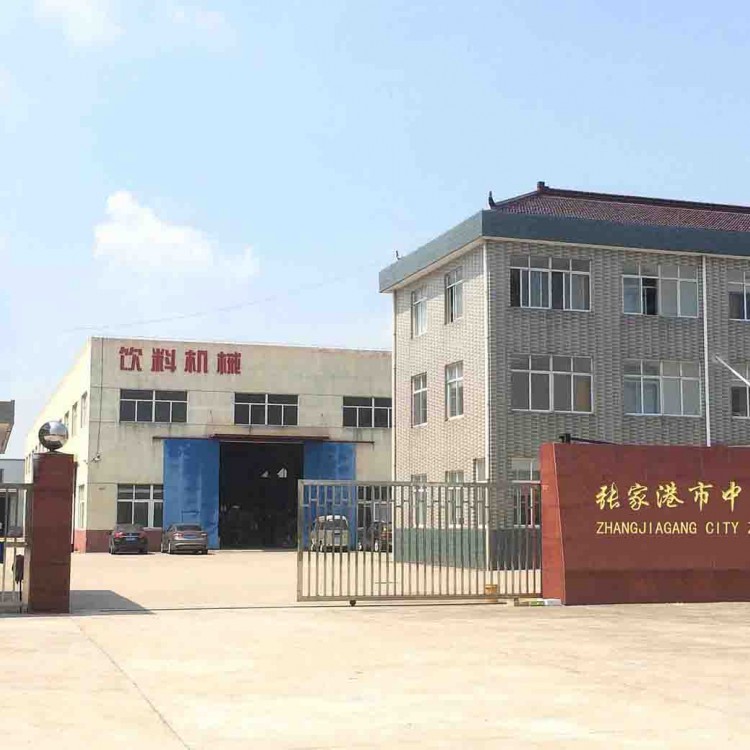
















A PET bottle iced tea beverage production line is a highly integrated and automated system designed for efficient production of iced tea beverages in PET bottle packaging.
I. Process Flow
Distribution System
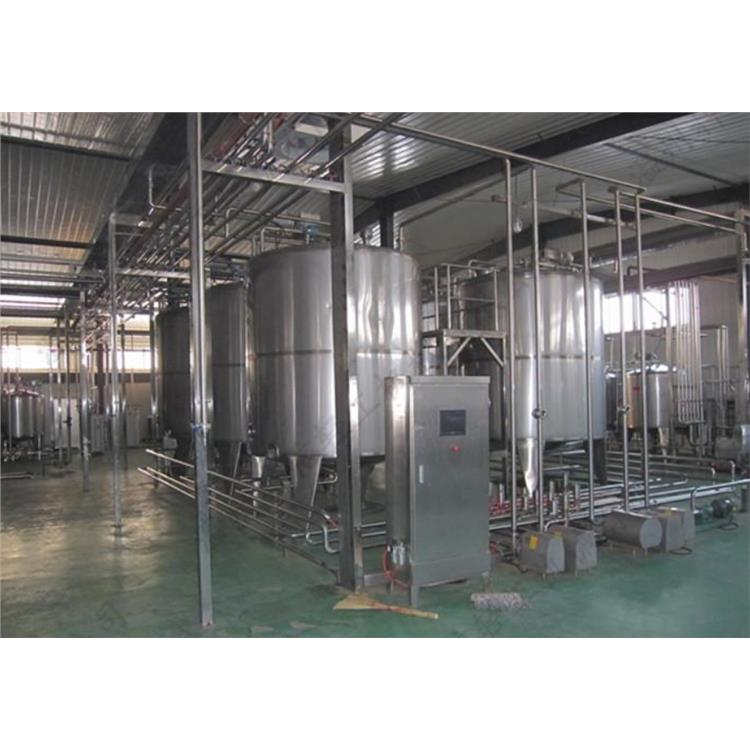
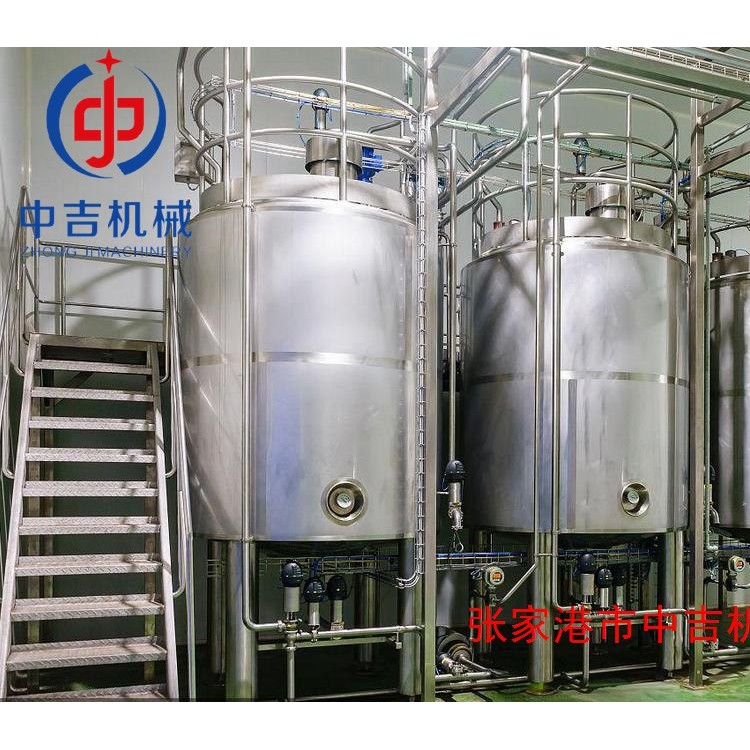
Firstly, the ingredient blending process involves mixing various cool tea ingredients (such as extracts, sweeteners, and spices) according to the recipe in a blending tank to ensure uniformity. This process requires measuring equipment to guarantee consistent taste and quality across each batch of cool tea. The blending tank is typically equipped with a mixing device and temperature control system to facilitate full fusion of the ingredients under optimal conditions.
Filtering Stage
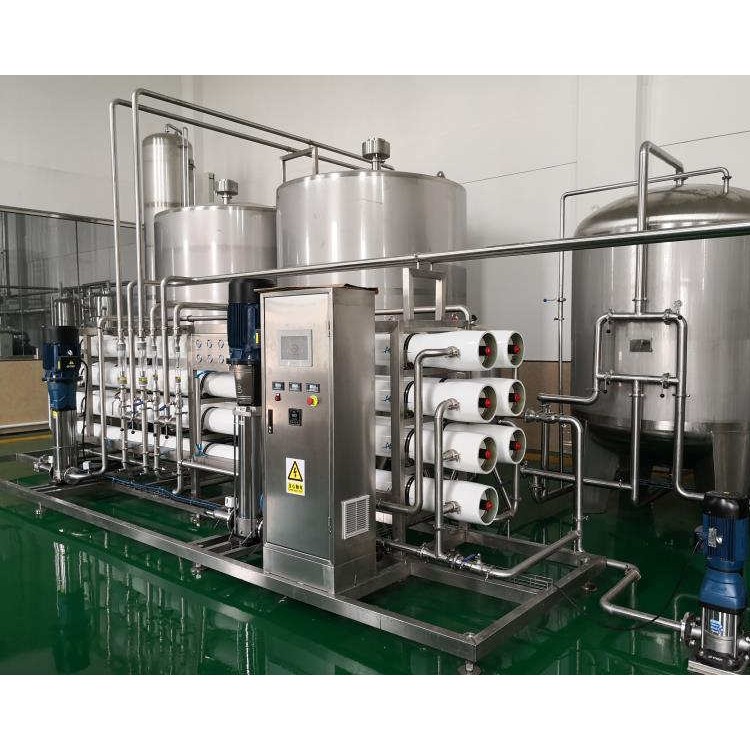
The prepared cold tea liquid must be filtered to remove any impurities or sediments. Filter equipment can employ multi-stage filtration methods, such as mesh filtering and filter element filtering, to achieve the filtration effect and ensure the clarity of the cold tea.
Bottle processing
Before filling, PET bottles must undergo empty bottle inspection and cleaning. The inspection equipment checks for any defects on the bottle's appearance, such as cracks or deformities. Cleaning involves rinsing and disinfection to remove dust and microorganisms from both the inside and outside of the bottle, ensuring its cleanliness.
Filling and Sealing
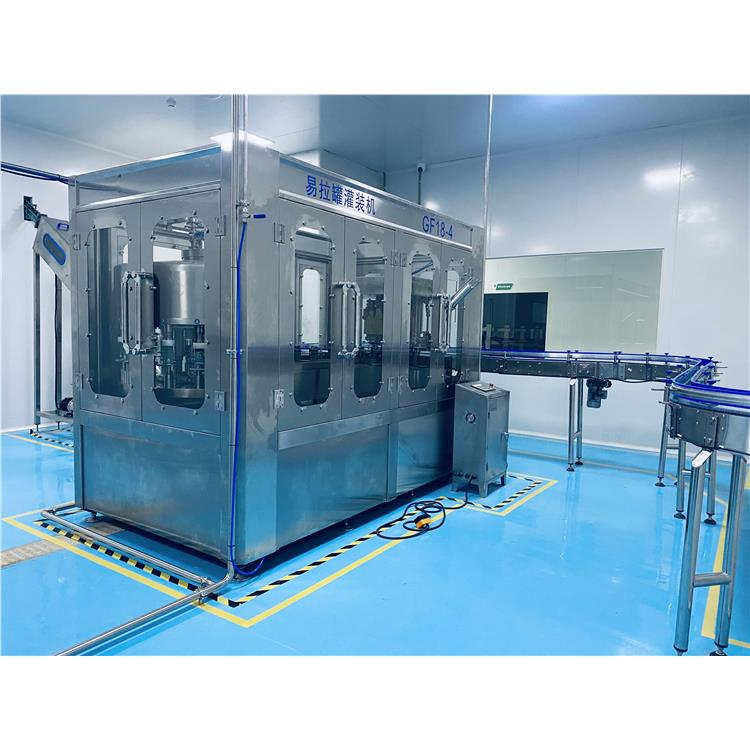
Cleaned PET bottles proceed to the filling area, where they are filled using a filling machine in precise quantities. The filling machine can accurately inject the cold tea into bottles according to different bottle shapes and capacity requirements. Next is the sealing process, where cap spinners or press sealers securely seal the bottle caps onto the openings to prevent leakage of the beverage and entry of external air.
Labeling and Coding
After capping, the bottles proceed to labeling, where the labeling machine applies the brand labels to the designated positions on the bottles quickly and accurately. Simultaneously, the printing equipment imprints essential information such as the production date, batch number, and shelf life on the bottles.
Packaging and Palletizing
After labeling and coding, the finished beverage bottles are sorted and grouped, then loaded into cartons or other packaging forms by a packaging machine. Palletizing robots neatly stack the packaged products on pallets for easy storage and transportation.
II. Equipment Features
High degree of automation
The entire production line is equipped with advanced automation control systems, enabling continuous automatic operation from raw material mixing to finished product packaging. Operators can conveniently monitor and adjust production parameters such as flow rate, temperature, and pressure through PLC (Programmable Logic Controller) and human-machine interface, reducing manual intervention and enhancing production efficiency and the stability of product quality.
High sanitation standards
All stages of the production line adhere to strict hygiene design principles. Equipment components that come into contact with the cold tea are manufactured using food-grade materials, such as stainless steel. Moreover, regular cleaning and disinfection procedures during production effectively prevent the growth of microorganisms and contamination, ensuring the hygienic safety of the cold tea beverage.
Strong production flexibility
This production line is adaptable to various specifications of PET bottles and different formulas for cold tea drinks. Simply adjusting the corresponding parameters in the control system allows for quick mode switching to meet the diverse market demands. For instance, the formula and packaging specifications of the cold tea can be adjusted according to seasonal or regional taste preferences.
High-efficiency energy-saving
Design focuses on the rational utilization of energy, such as using energy-saving motors and optimized heating and cooling systems. While ensuring production efficiency, it reduces energy consumption, helping the company lower production costs.