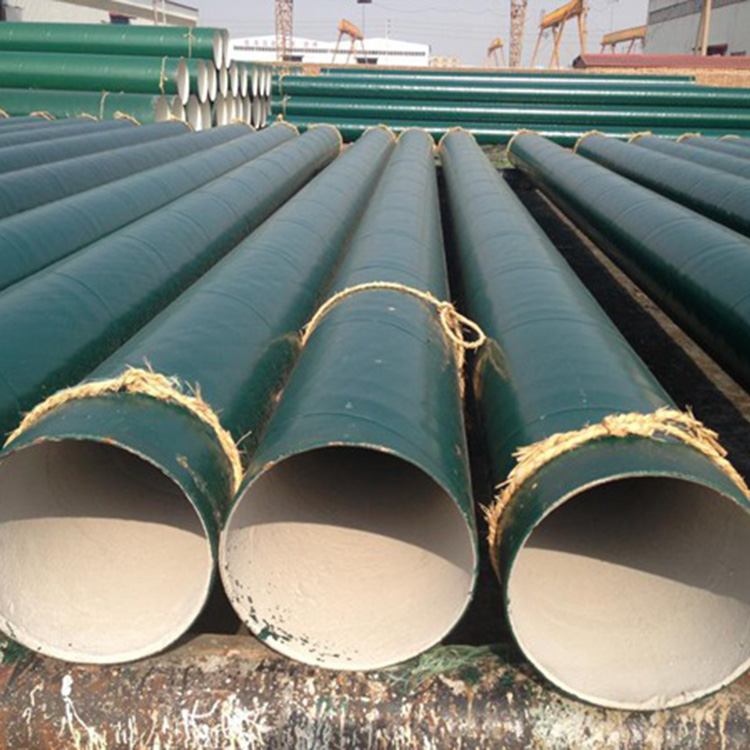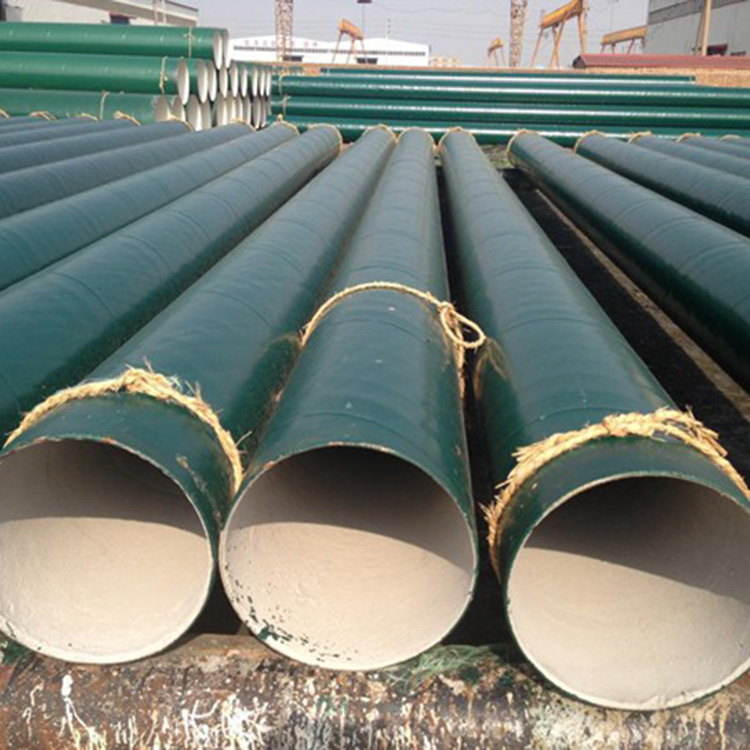

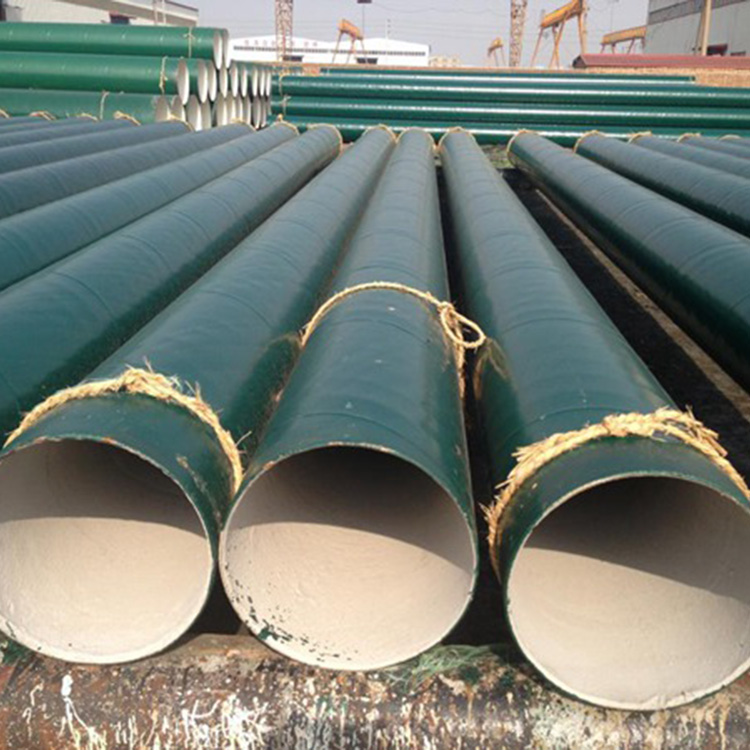
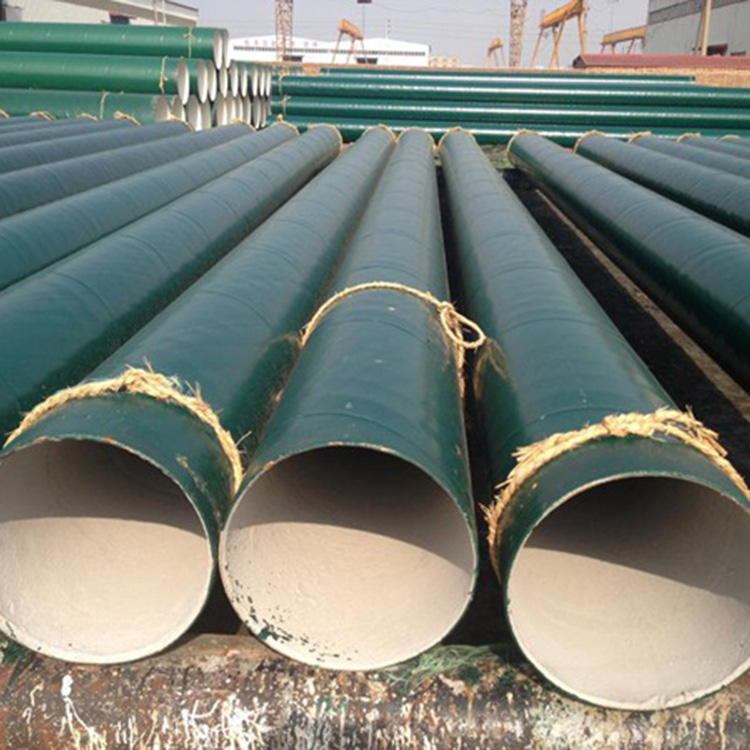
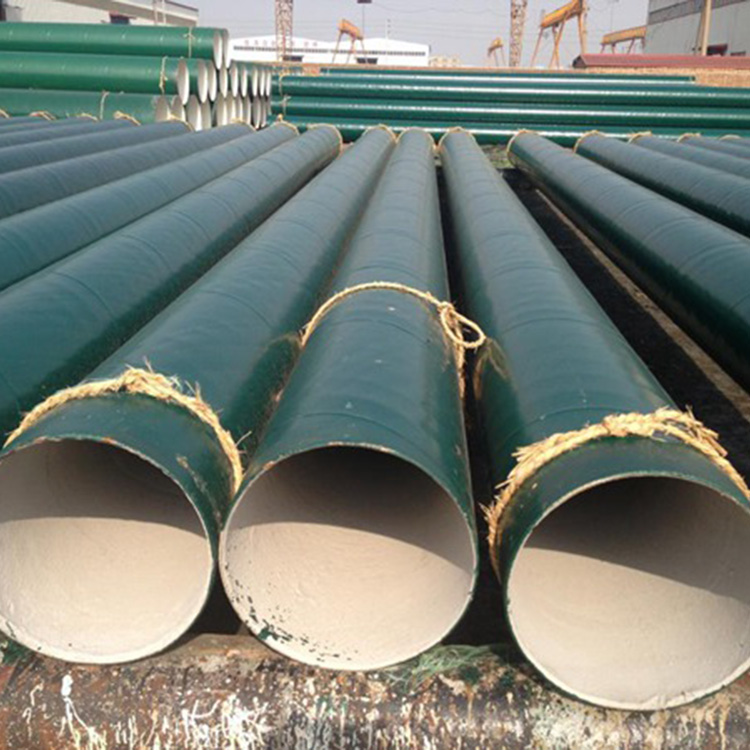













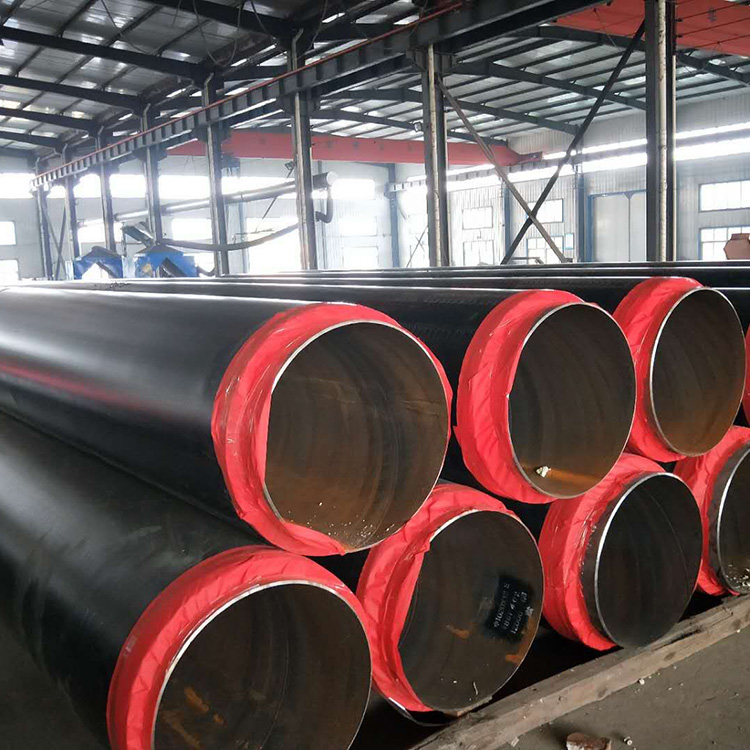
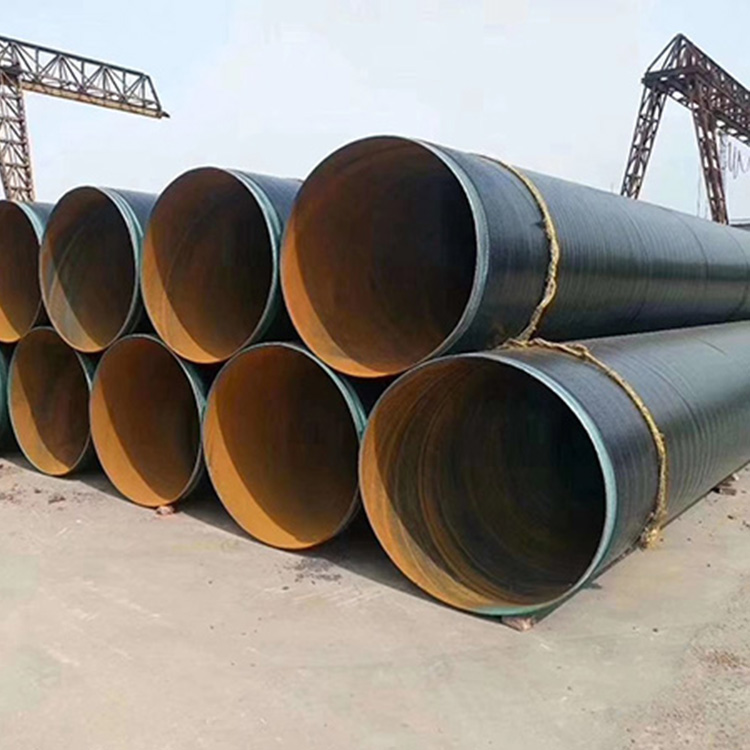
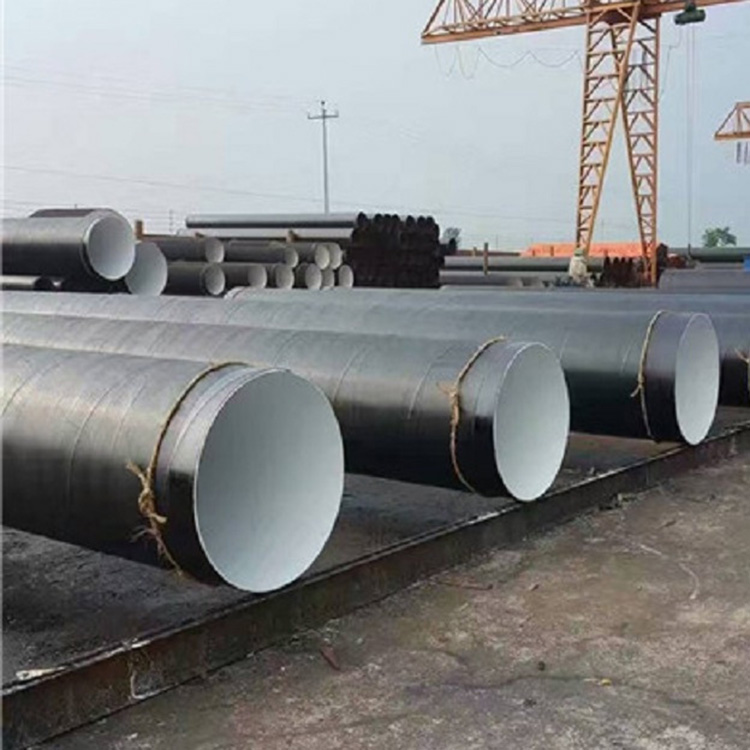
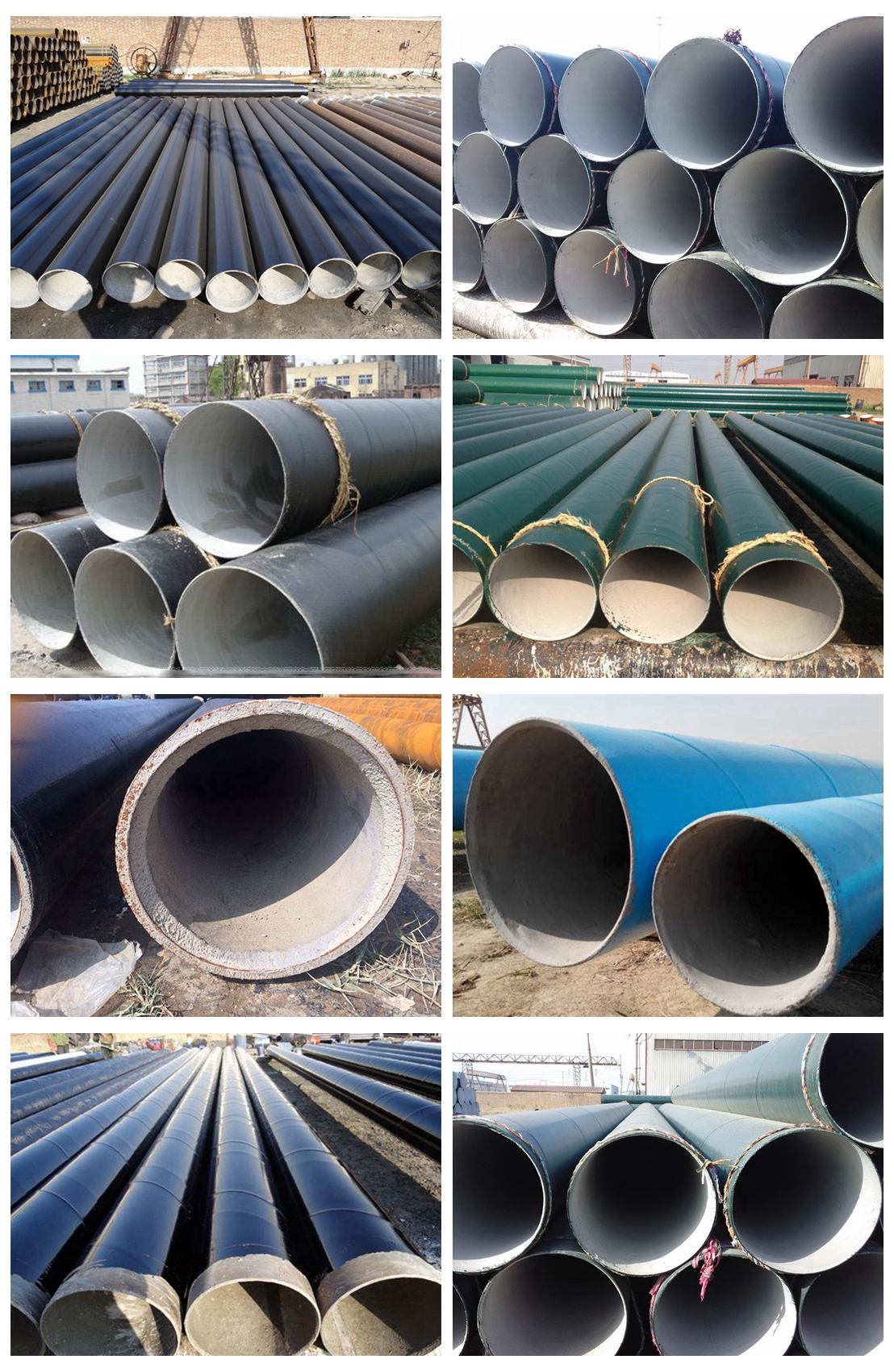
Cement mortar anticorrosive steel pipes are filled with concrete, capable of absorbing a large amount of heat energy. Consequently, during a fire, the temperature distribution across the cross-section of the pipe column is highly uneven, which increases the column's fire resistance time and slows down the heating rate of the steel column. Moreover, once the steel column yields, the concrete can bear most of the axial loads, preventing structural collapse. The fire resistance of the composite beams is also enhanced as the steel beams transfer heat to the concrete from the top flanges, thereby reducing their temperature. Experimental data show that meeting the 3-hour fire resistance requirement can save up to 1/3 to 2/3, or even more, of fire-retardant paint compared to steel columns. The more the pipe diameter increases, the greater the paint savings.
Cement mortar coated steel pipes come in several grades: M3, M5, M7.5, M10, M12.5, M15, M20, M25, M30, and M40. The mortar is categorized by use, such as masonry, plastering, and jointing, and is not related to the grade. An essential step after the cement mortar is applied is air drying, which involves natural drying for 2-3 days. This is primarily to prevent cracking in transit due to vibrations.
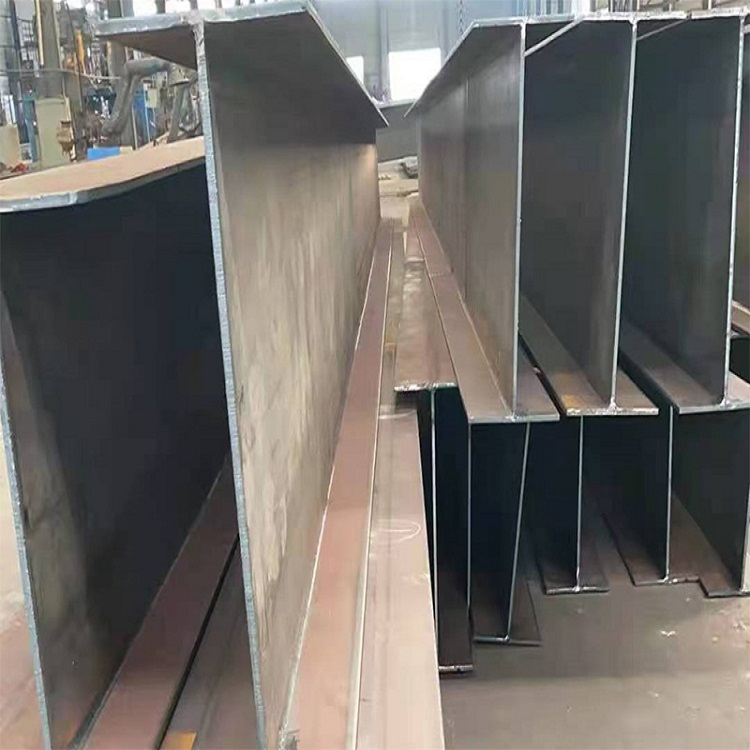
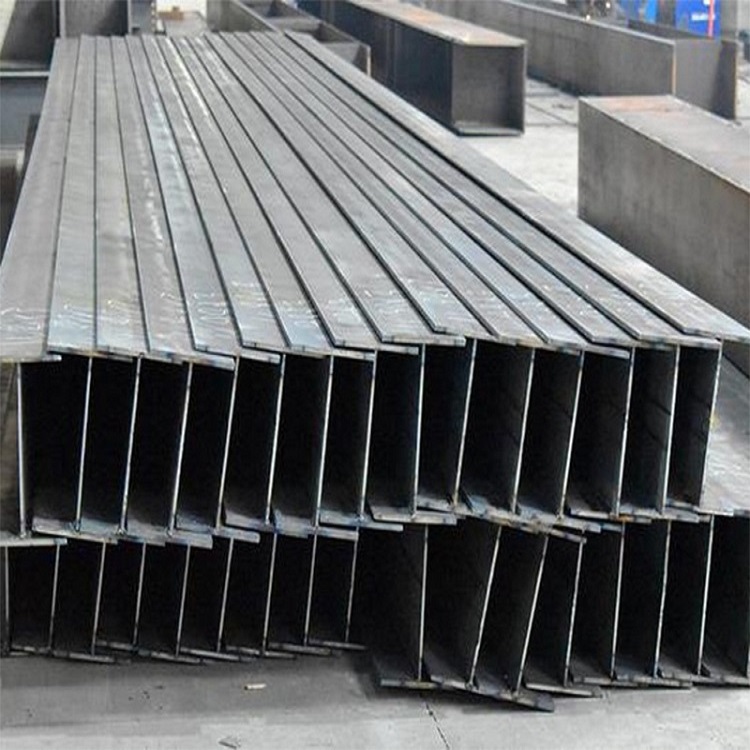
The performance of steel components under external forces is still somewhat affected. This may have adverse effects on deformation, stability, and fatigue resistance. Hot-rolled steel products are difficult to control in terms of thickness and width. We are familiar with thermal expansion and contraction; even if the length and thickness meet the standards upon initial hot rolling, a certain negative deviation will still occur upon cooling. This negative deviation is more pronounced with wider widths and thicker thicknesses. Therefore, for larger steel sizes, precise specifications for the width, thickness, length, angles, and edges of the steel cannot be strictly required.
Corrosion-resistant inner lining steel pipes for cement mortar
1. Corrosion protection for steel pipes used in oil and gas with three-layer polyethylene (3PE) and two-layer polyethylene (2PE).
2. FBE (Single-layer Fusion Bonded Epoxy Powder Coated) steel pipes for oil and gas, 2FBE (Double-layer Fusion Bonded Epoxy Powder Coated) steel pipes.
3. IPN8710 high molecular weight coating for internal corrosion prevention on water supply pipeline steel pipes.
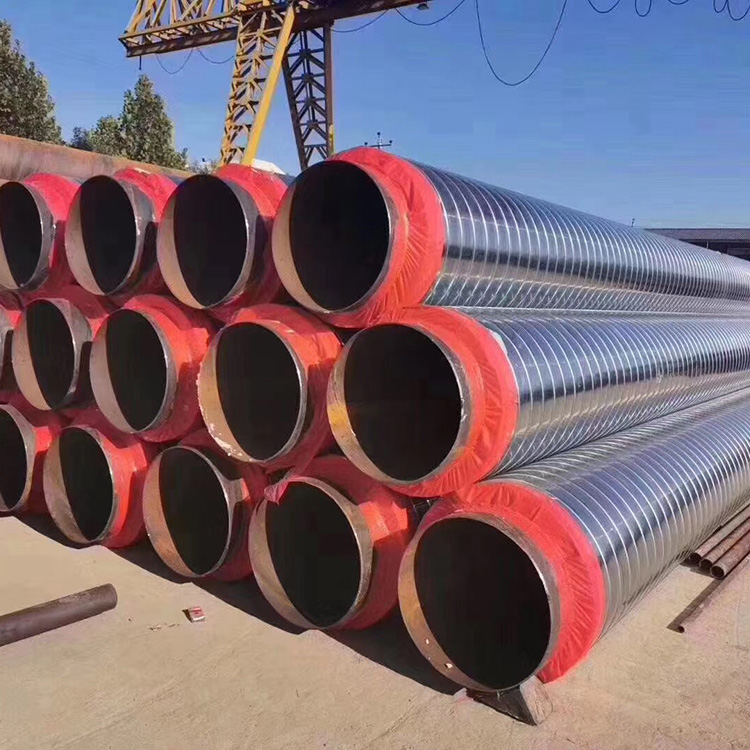
High-Density Polyethylene Polyurethane Foam Insulated Steel Pipe
5. Water supply pipeline with internal anti-corrosion treatment using cement sand mortar lining on steel pipes.
6. Epoxy coal tar glass fiber reinforced steel pipe anticorrosion.
Primary Applications of Anti-corrosion Steel Pipes with Cement Mortar Coating:
1. Corrosion-resistant steel pipes lined with cement mortar are used for: municipal engineering applications, including water supply for high-rise buildings, heating network heating, water supply projects, gas transmission, and underground water conveyance pipelines.
2. Oil: Process piping for transporting corrosive mediums in industries such as oil transportation, chemical pharmaceuticals, dyeing and printing, etc.
3. Wastewater Treatment: Corrosion protection for wastewater discharge pipes, sewers, and biological pools
4. Agriculture: Agricultural irrigation pipes, deep well pipes, drainage pipes, and other networks with superior corrosion resistance compared to steel structures, which is beneficial for the fire and fire-retardant properties of steel pipes.