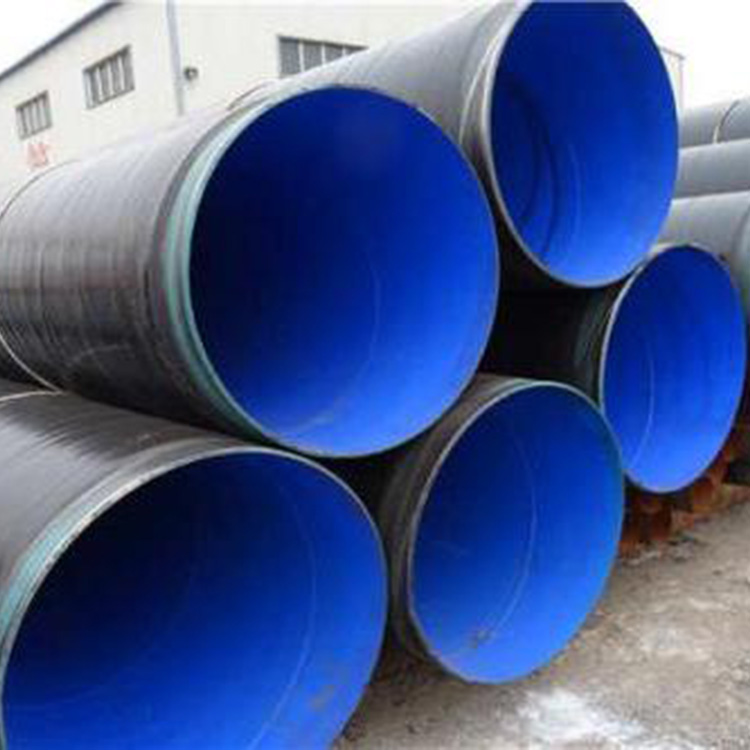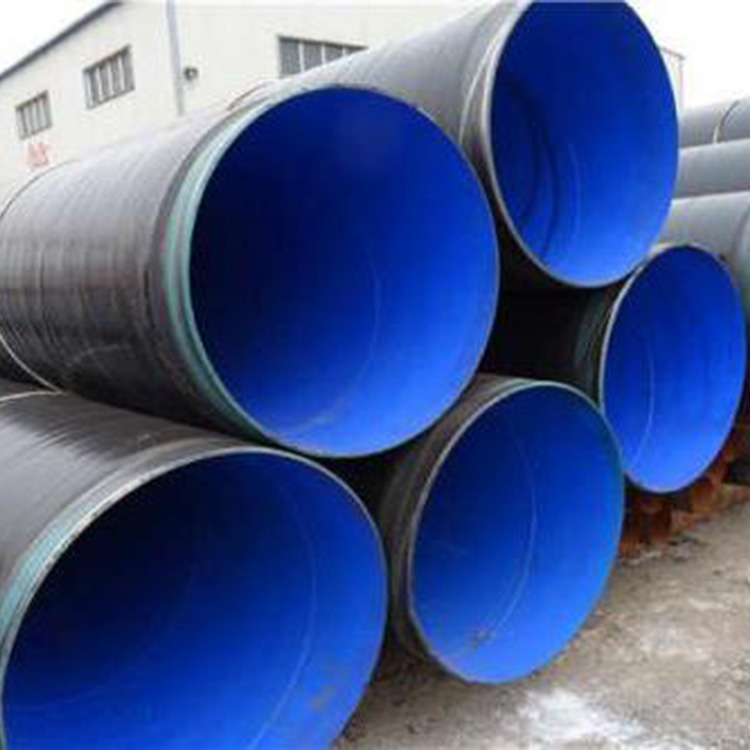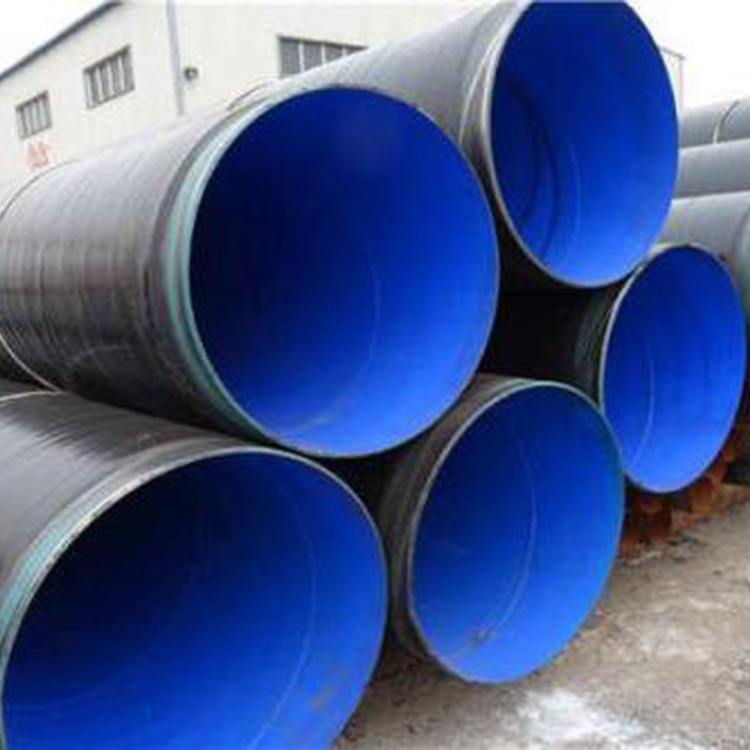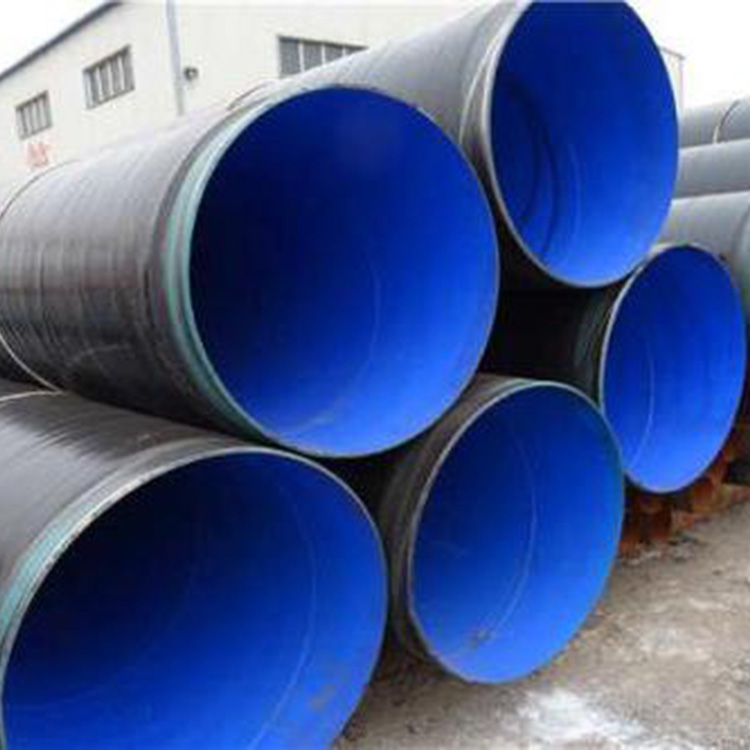

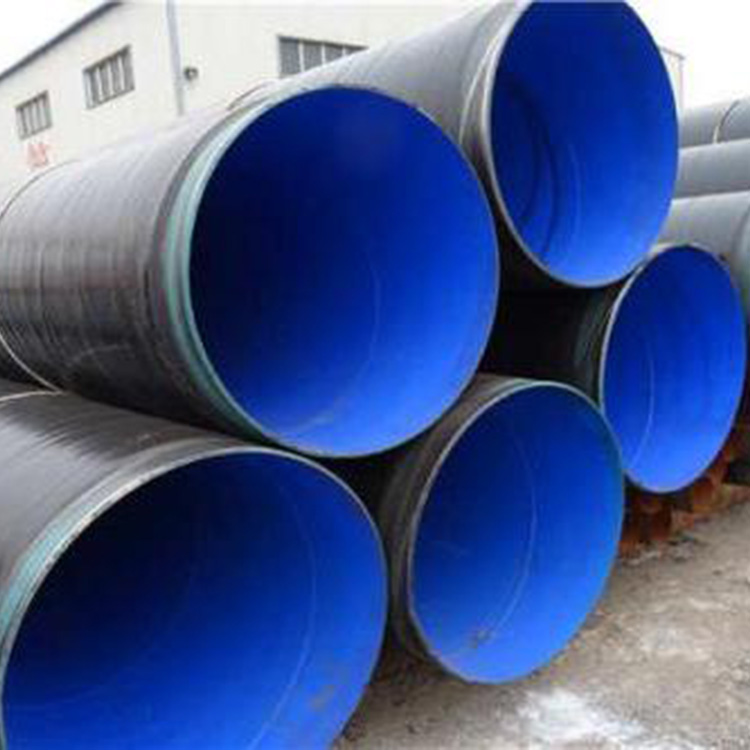
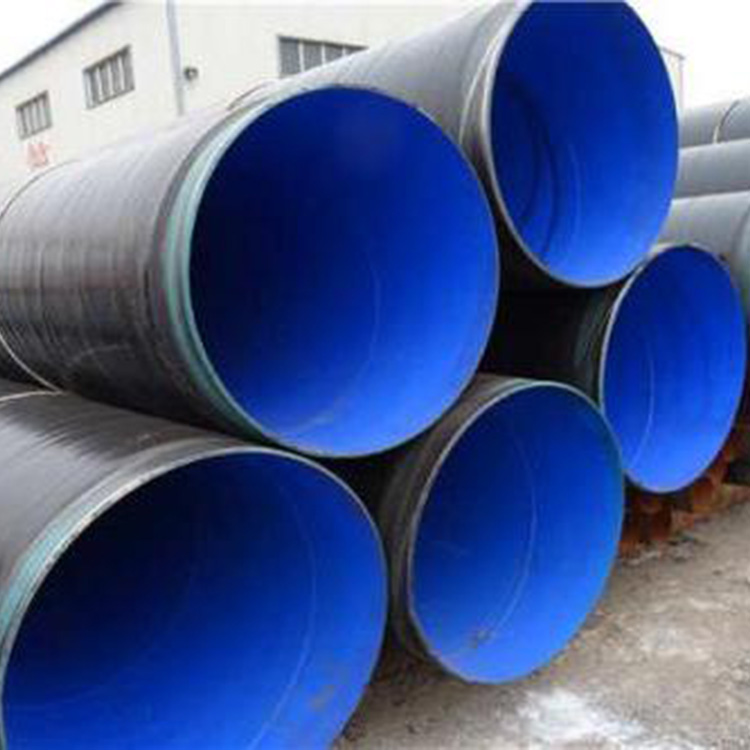
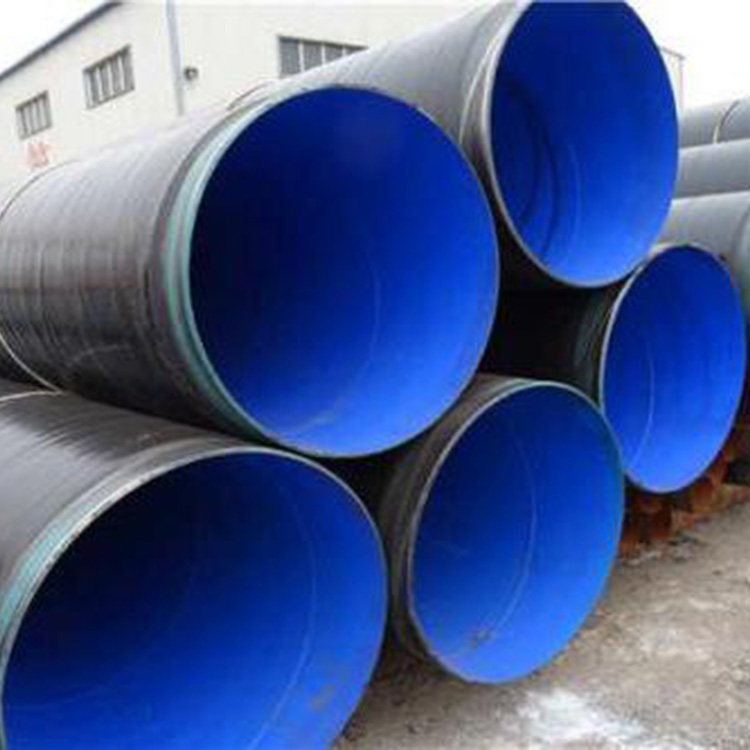












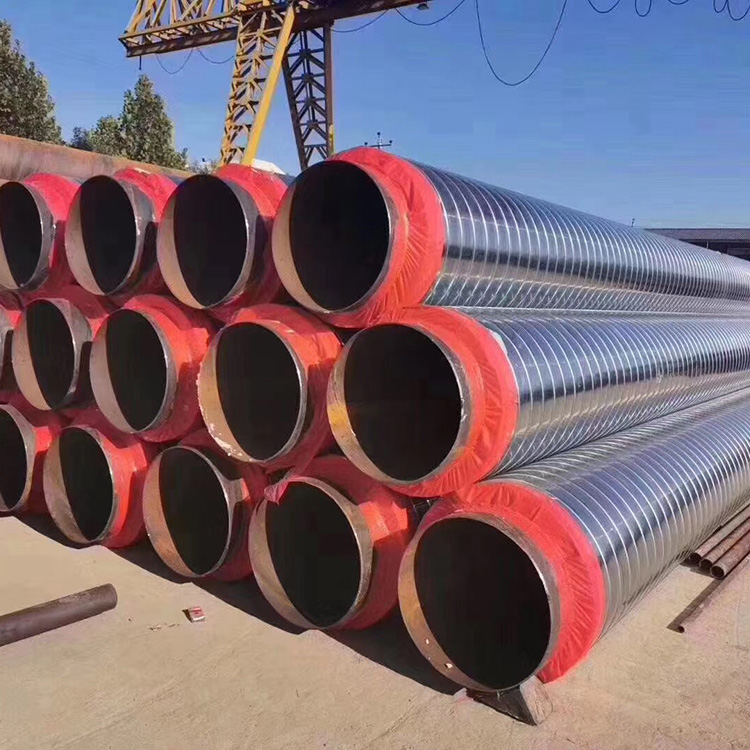

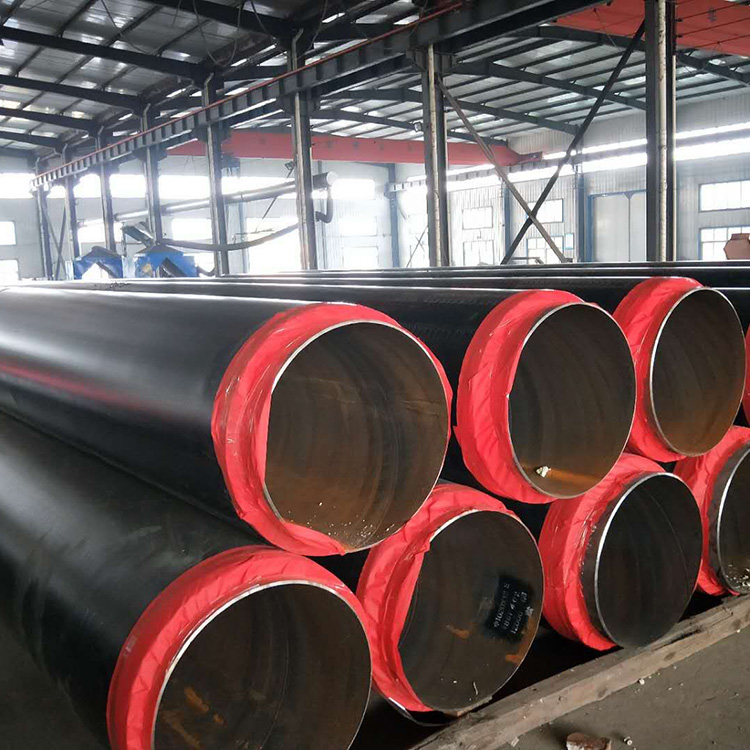
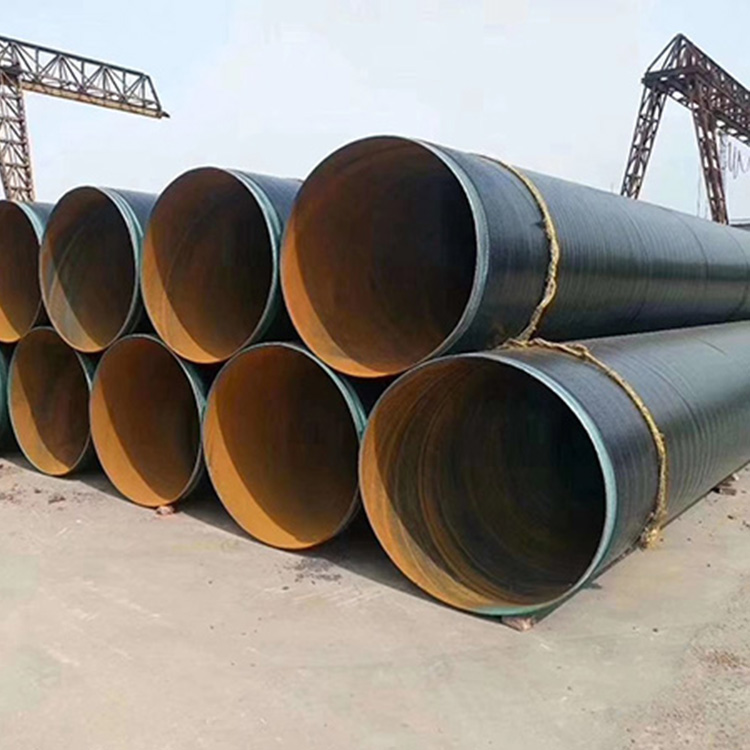
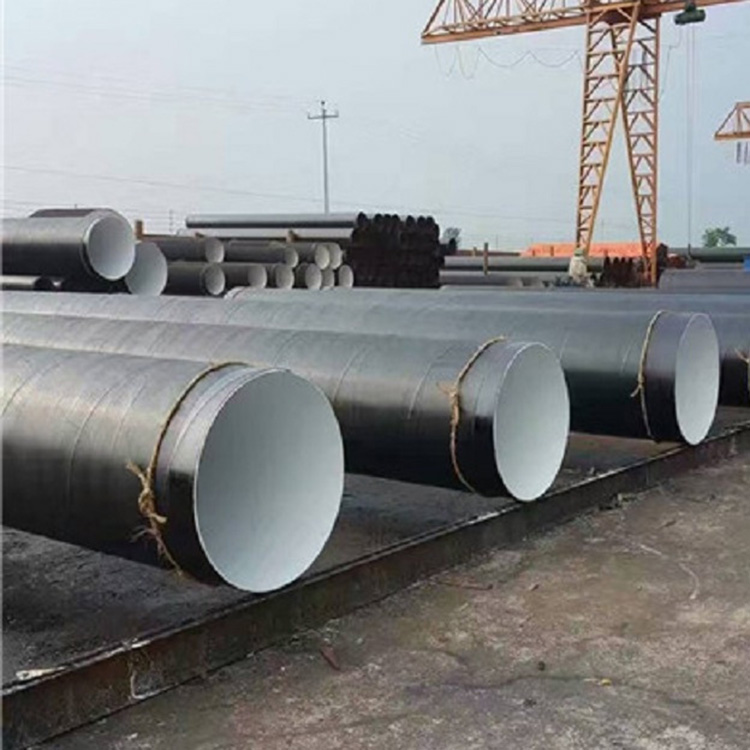
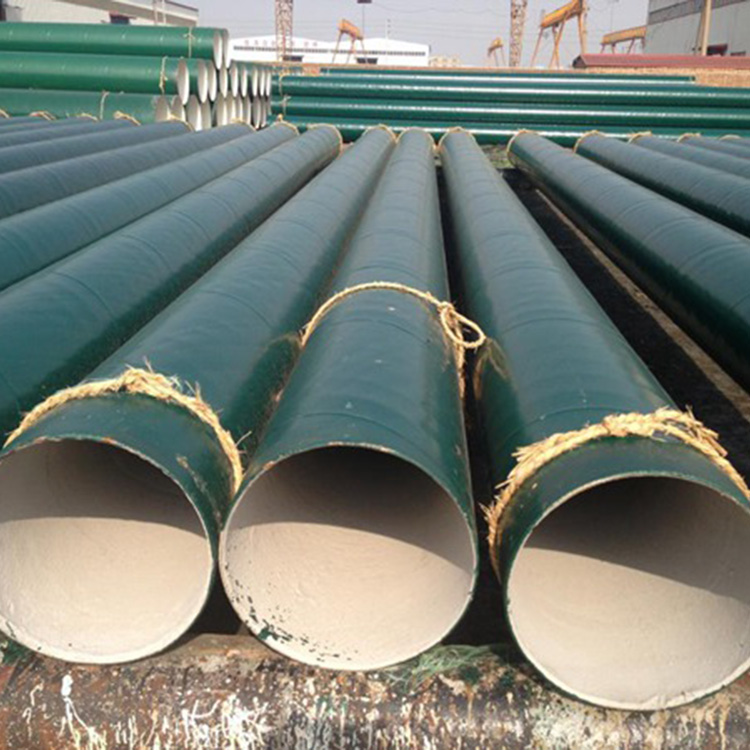
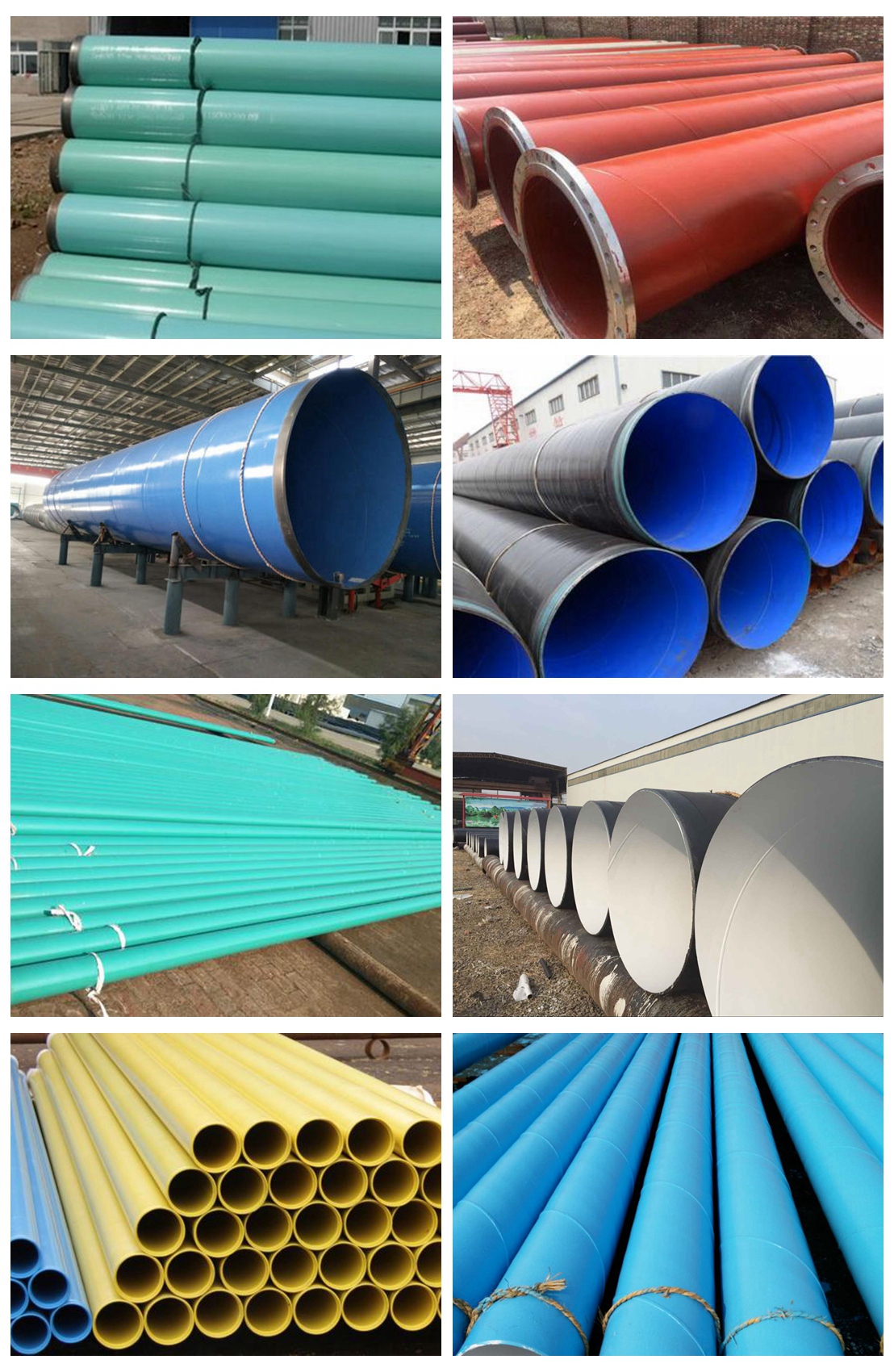
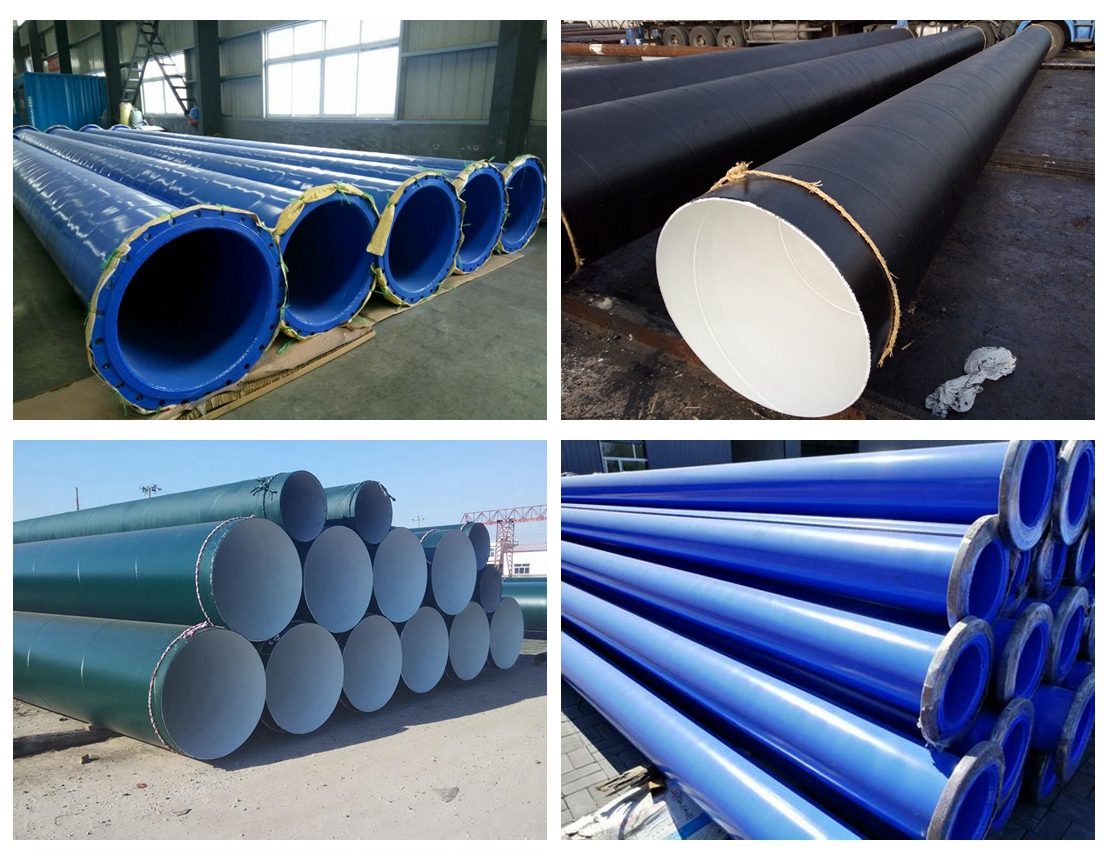
Epoxy coated steel pipes are a type of steel pipe with a surface coating consisting of a two-component, high-solids epoxy resin primer. They are widely used in drinking water tanks, water pipelines, reservoirs, and other similar applications.
Epoxy coated steel pipes are a two-component, high solid content coating mainly composed of epoxy resin. They consist of primer and topcoat. The A component is made up of epoxy resin, pigments, fillers, and additives. The B component is a curing agent formulated with modified amines.
Epoxy Coated Steel Pipe Characteristics and Application Fields:
Excellent durability; the paint film after curing with epoxy resin is tough, waterproof, and the coating is non-toxic. Strong adhesion; good adhesion between paint films. Excellent rust and waterproof performance; utilizes superior rust-preventing materials to ensure rust resistance. High mechanical strength; the paint film is tough, with wear and impact resistance. High solid content; thicker coating. Cures into a film at room temperature. No need for large baking equipment.
Epoxy resin coated steel pipes are widely used for the interior coating of water tanks, water pipelines, reservoirs, and water towers in water supply systems, as well as for use in cargo holds for sugar and grain. They can also serve as interior coatings for swimming pool, power plant cooling towers, and metal and concrete structures storing fuel oil and gasoline.
Epoxy Coated Steel Pipe Construction and Storage:
(1) Prior to painting, the surface of the object must be cleaned of dust, grease, rust scale, etc. to achieve Sa 2.5 grade, ensuring the quality of the paint application. Water must be strictly prohibited during the construction process.
(2) The mixing ratio for construction is as follows: Open the A component wide, add the B component to the A component, and mix thoroughly. Allow to mature for 30 minutes before applying.
(3) This material requires immediate use upon mixing. The paint must be used within eight hours after mixing. Any remaining material must be sealed for storage. Construction should be halted during rainy or cloudy weather or when the relative humidity exceeds 75%. For areas with severe corrosive media, it is recommended to apply multiple coats.
(4) Products should be stored in a cool and dry place, away from direct sunlight, fire sources, and heat sources. The storage period is twelve months. After expiration, all technical specifications should be inspected; if they meet the requirements, they may be used further.