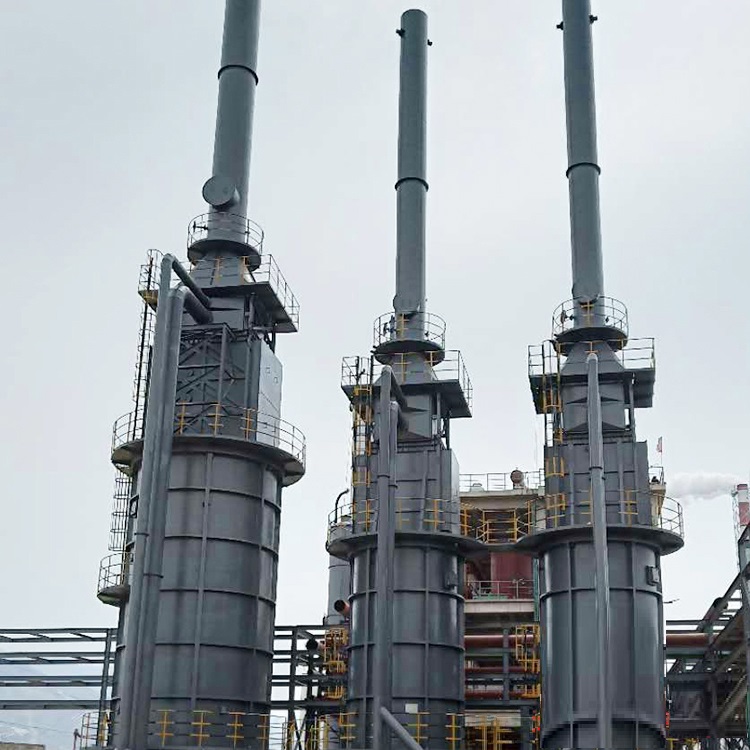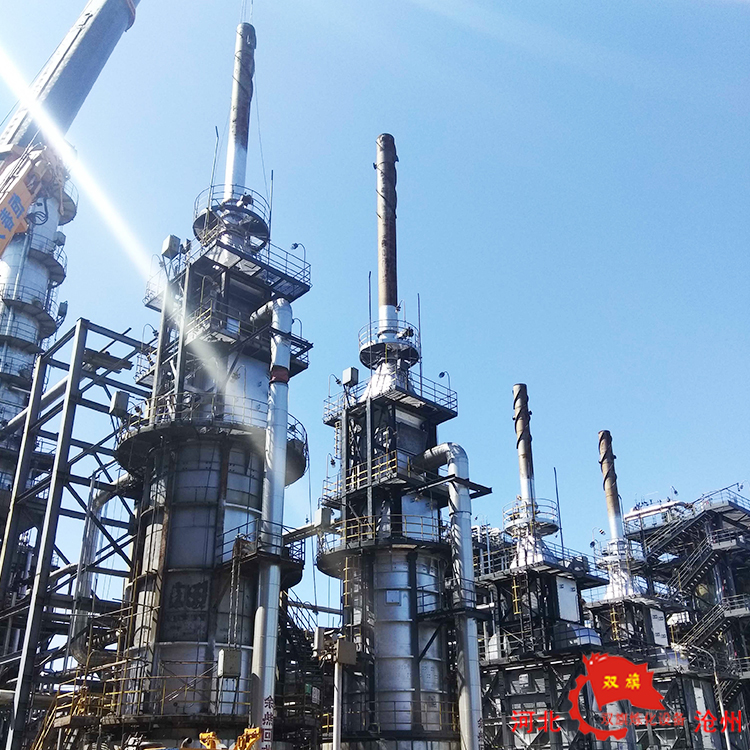
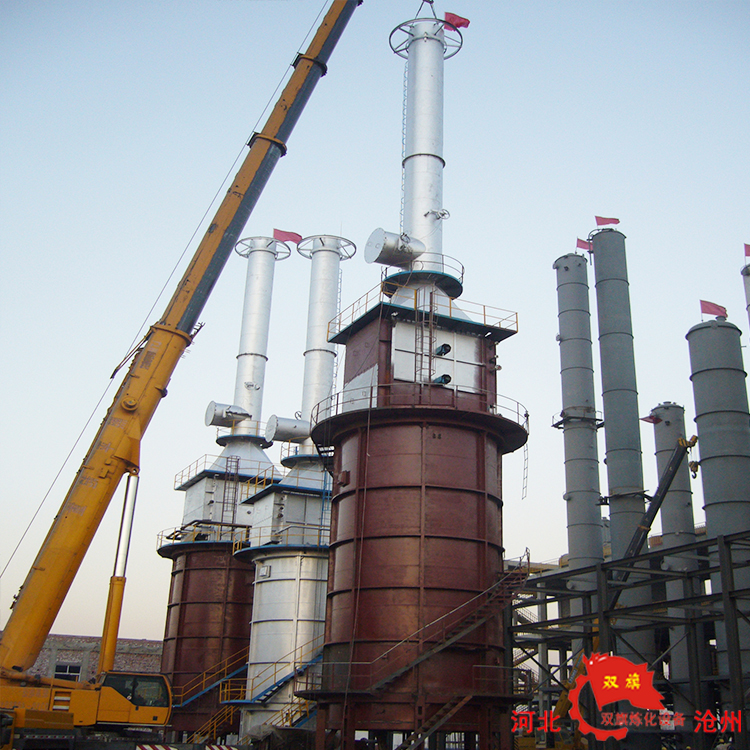











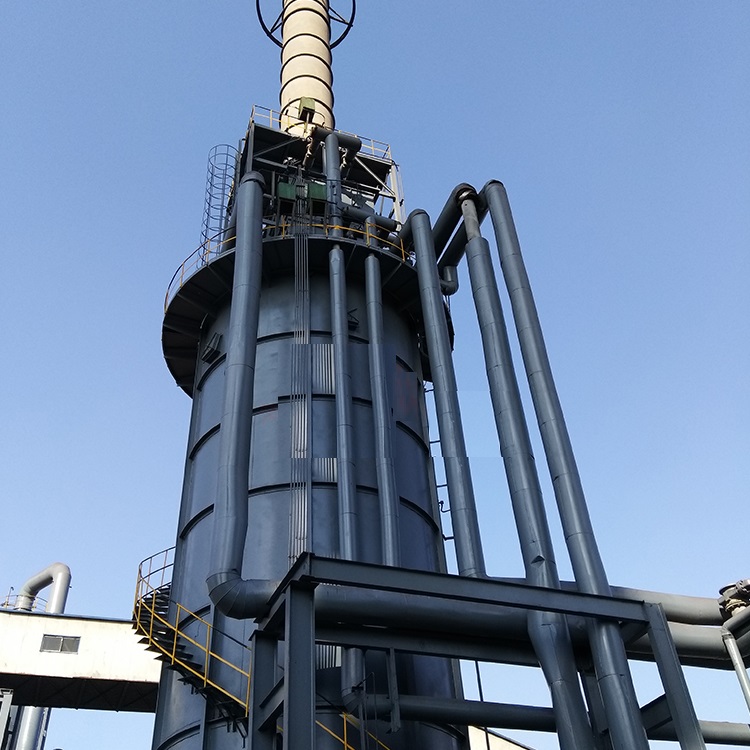
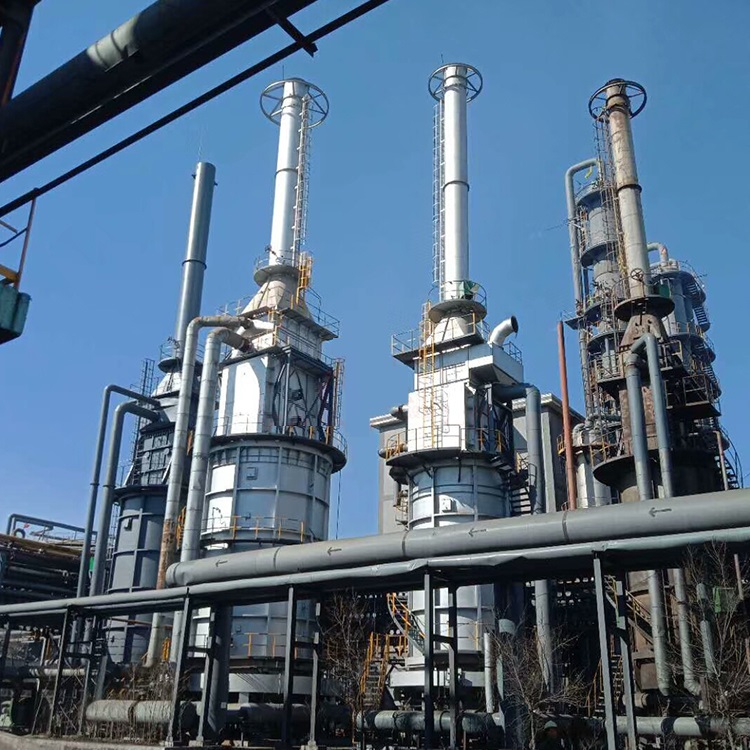

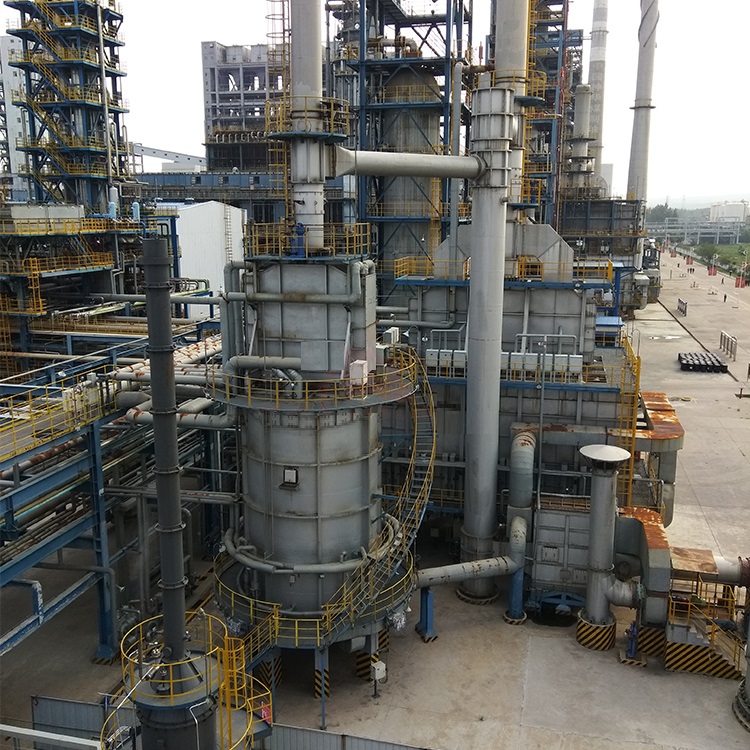

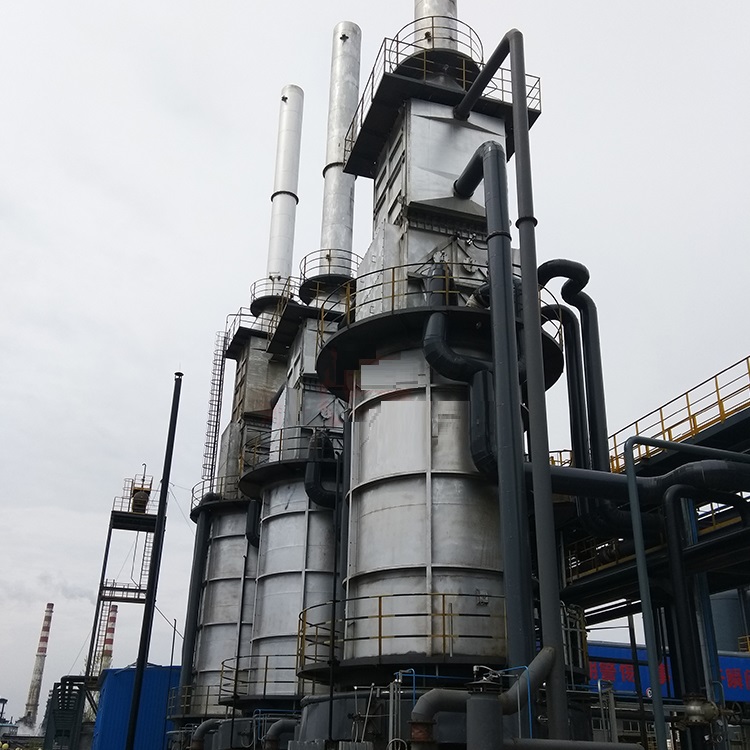
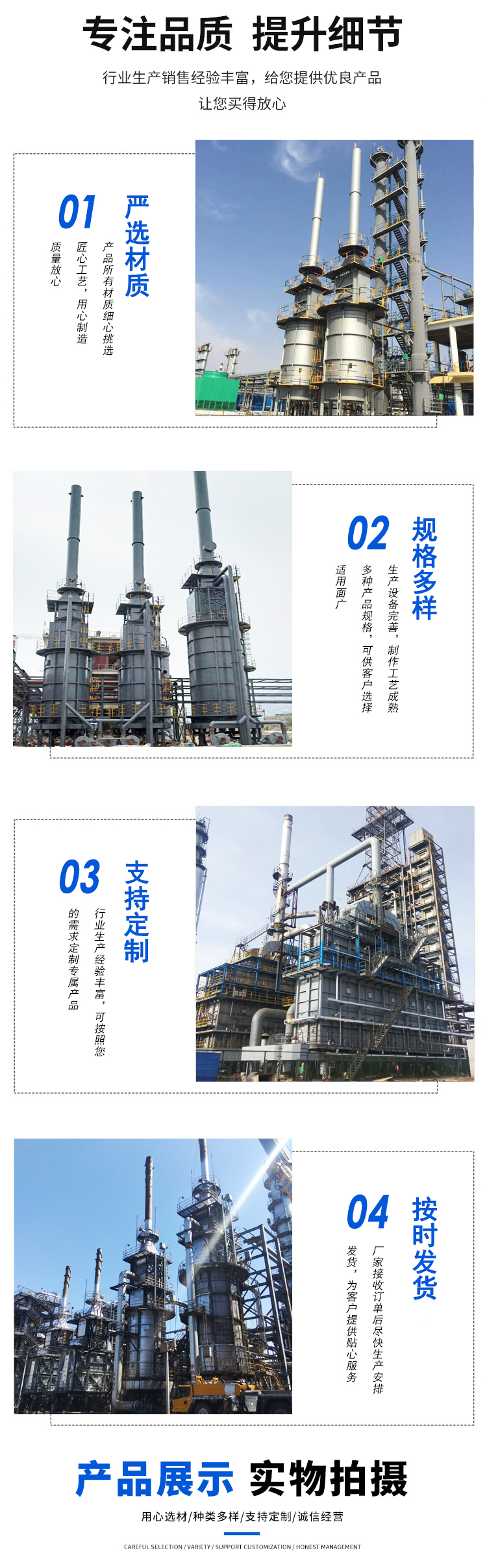


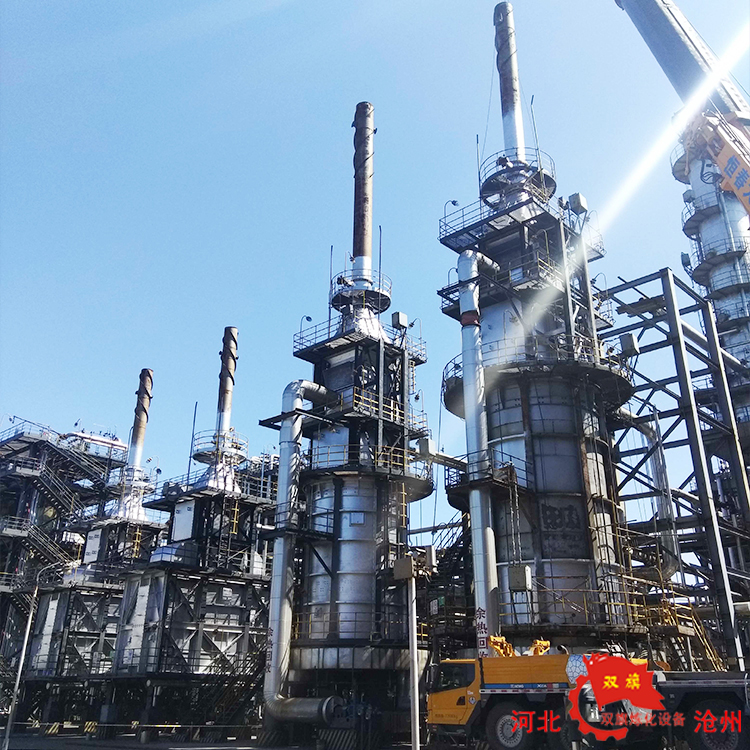
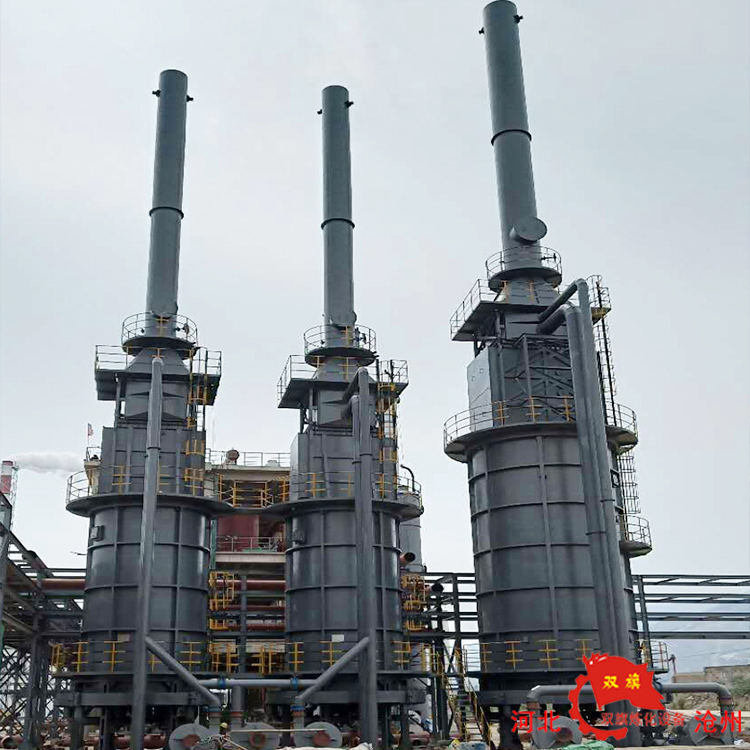
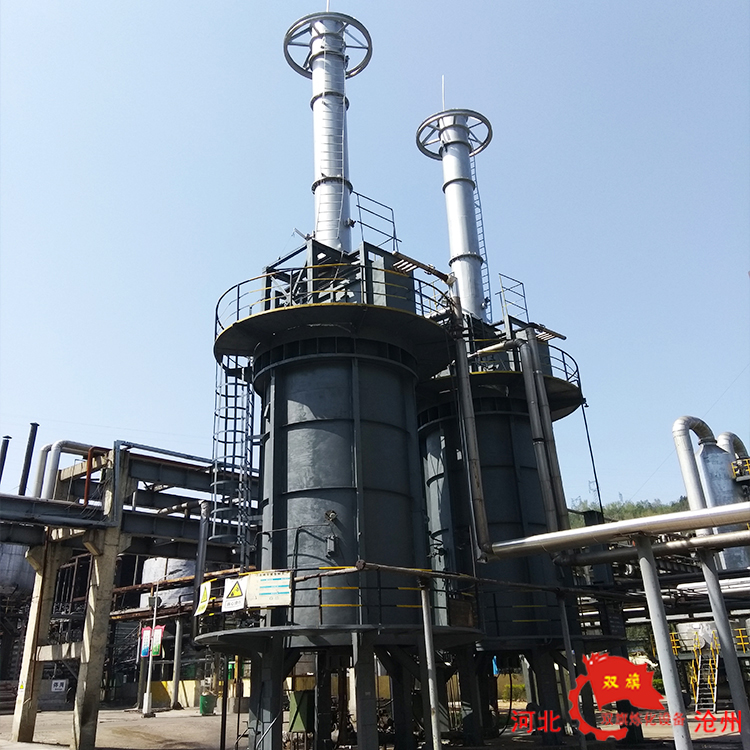
The tubular heater is a crucial heating equipment used in the oil refining, petrochemical, coal chemical, fertilizer, and chemical fiber industries. It has become the heart of heating, cracking, and conversion reactions in processes such as crude oil, coal tar, asphalt, ethylene, gasoline, diesel, and lubricant hydroprocessing; hydrogen production, etc., playing a vital role in the production quality, product yield, energy consumption, and safe long-term operation of the entire facility. Its role in the production process involves utilizing the heat energy from the high-temperature flame and flue gas produced by the combustion of fuel inside the furnace to heat the high-speed flowing material (liquid, gas, or oil-gas mixture) within the furnace tubes, achieving the required temperature for subsequent process steps or facilitating chemical reactions within the tubes. Compared to other industrial furnaces, the liquids or gases flowing within the furnace tubes are typically high-temperature, high-pressure, flammable, and explosive hydrocarbons; most heated media tend to coking within the tubes; precise control of the furnace and material temperatures is required; the heating method is direct flame heating; the primary fuel is flammable and explosive liquid or gas; it poses high risks with stringent operating conditions; and requires long-term continuous operation. Therefore, the tubular heater holds a pivotal position in the oil refining and petrochemical production.
Selection Requirements for Tubular Type Heating Furnaces: Refining and chemical industry tubular heating furnaces are custom-made equipment. Therefore, the manufacturing of the heating furnace is tailored to the customer's construction drawings, design data sheets, and relevant technical requirements, ensuring targeted design, production, supply, and installation to meet the diverse needs of different customers.
The composition of a tubular heating furnace: It mainly consists of five major parts: the radiant chamber, the convection chamber, the waste heat recovery system, the combustion system, and the air supply and exhaust system. Its main auxiliary equipment includes the fan for air supply, the induced draft fan, and the air preheater.