
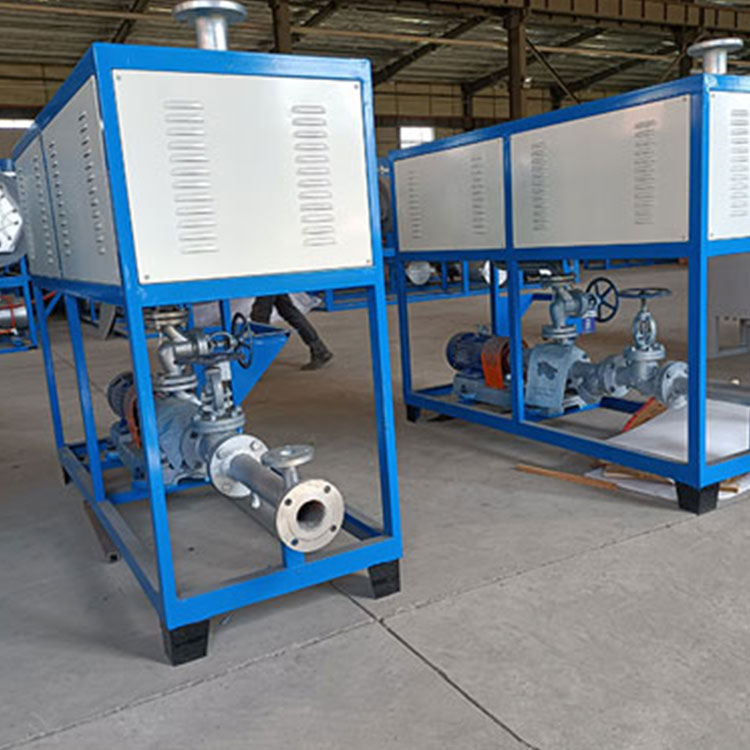

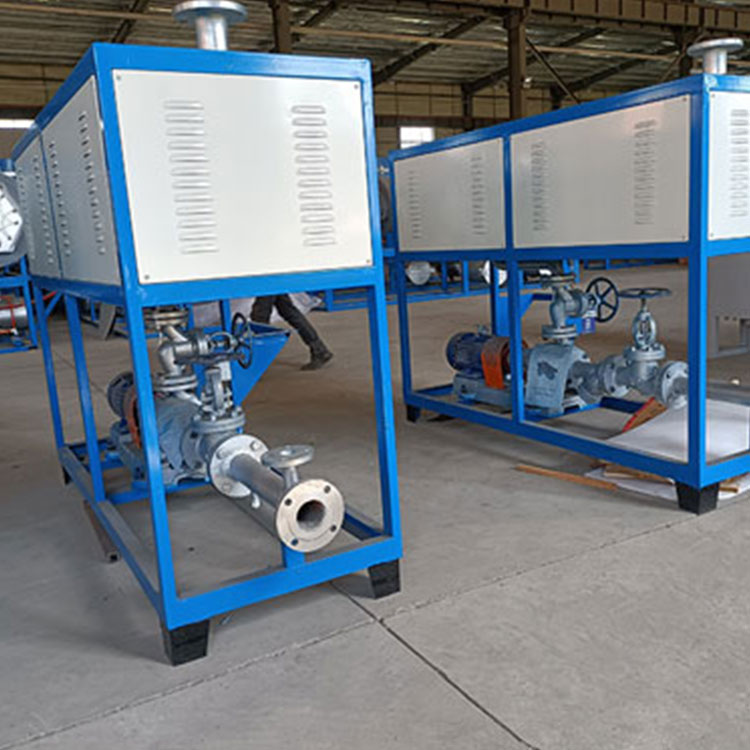
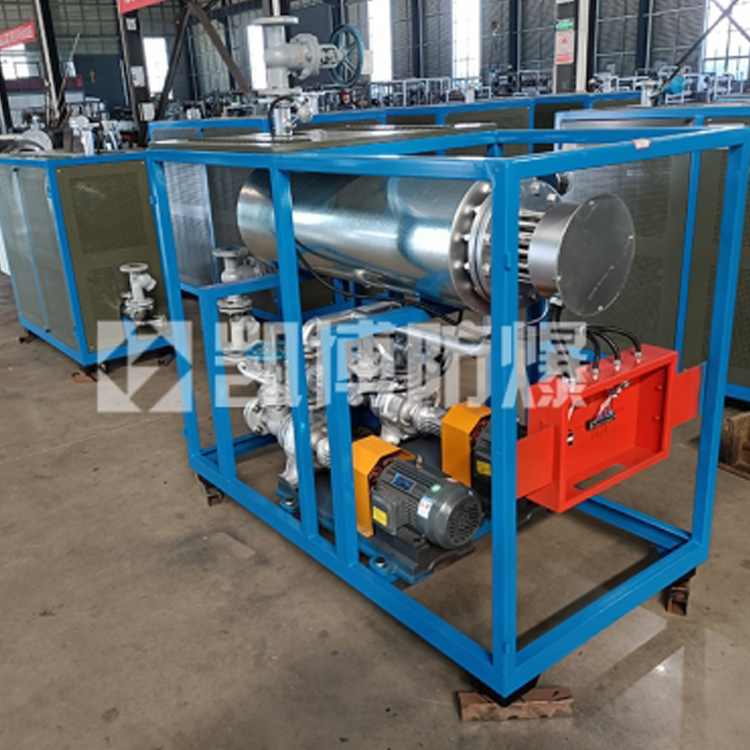
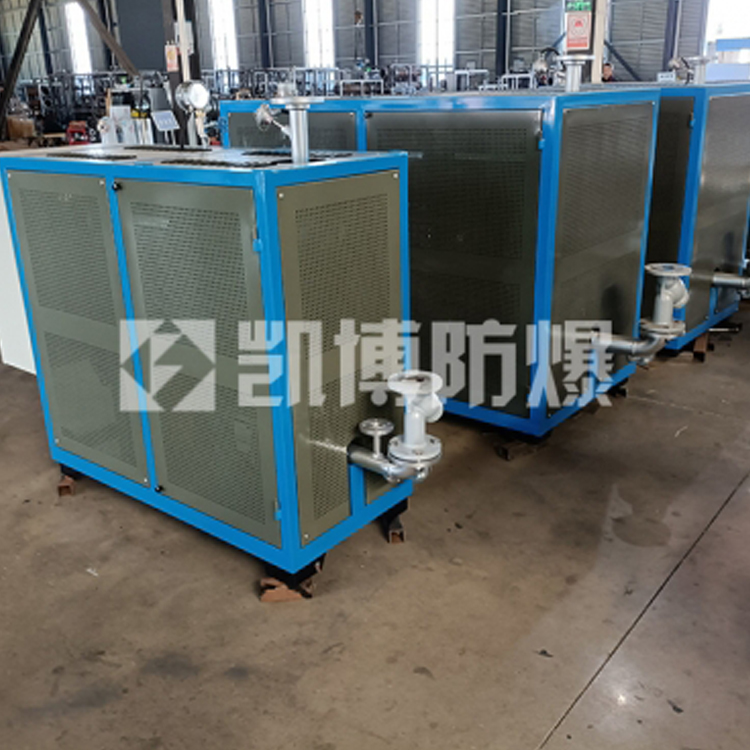









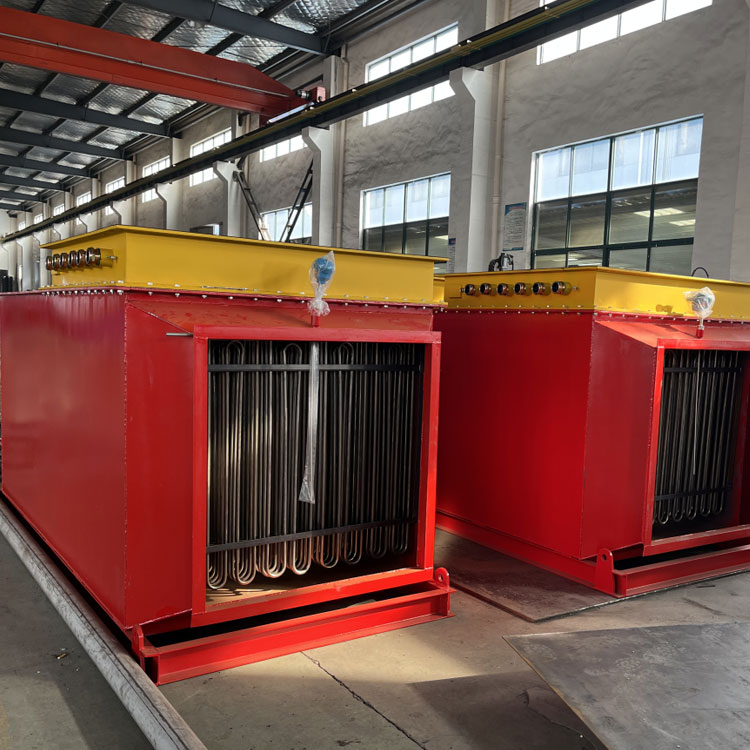
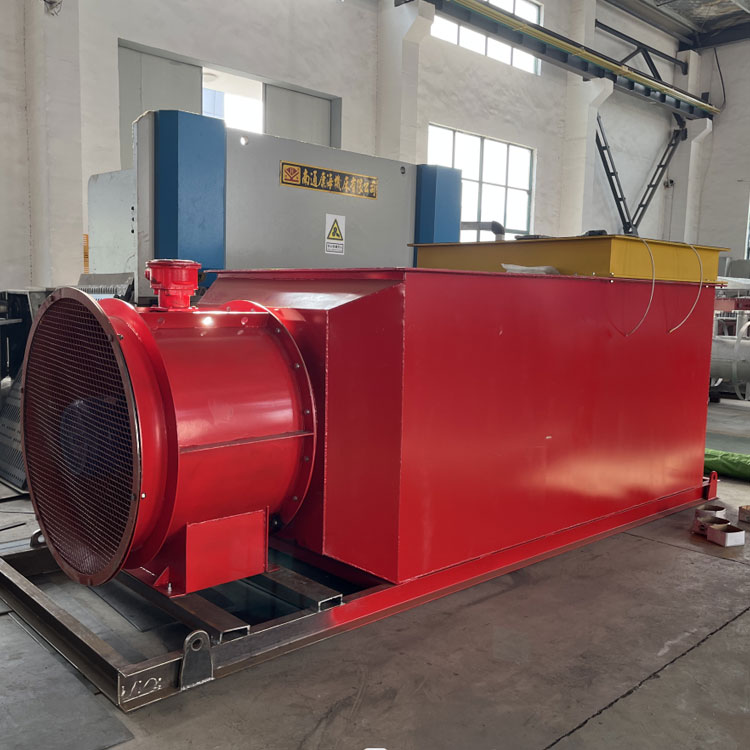

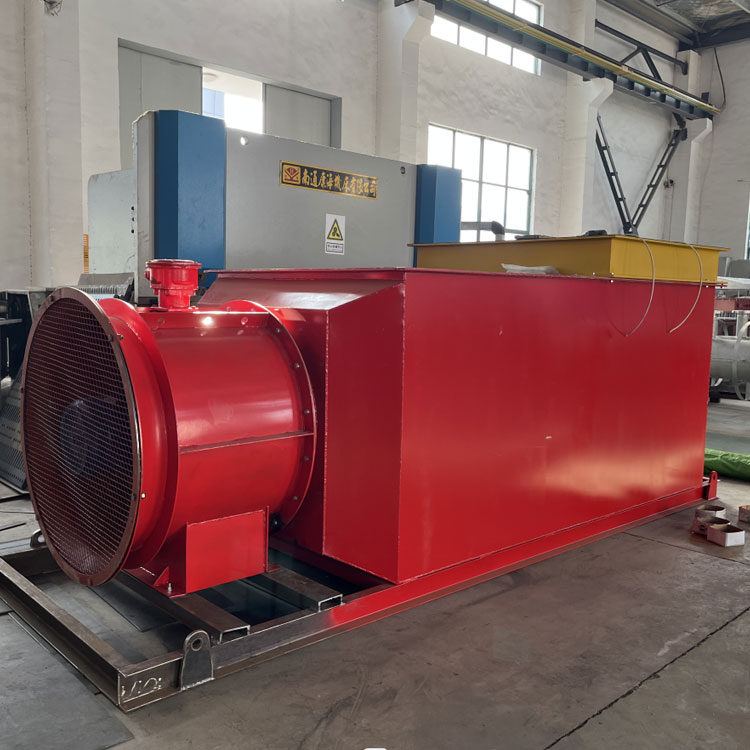


A thermal oil furnace heats the organic carrier (thermal oil) directly by inserting an electric heater into it, and then circulates the heated thermal oil to the heating equipment through a high-temperature oil pump, where it is returned to the electric thermal oil furnace for reheating, creating a complete closed-loop heating system. The electric thermal oil furnace features a digital temperature controller for precise temperature control, with functions including over-temperature alarm, low oil level alarm, and over-pressure alarm.
In industrial applications, heat transfer oil furnaces are primarily used for heating crude oil and natural gas, as well as for processing, storage, and transportation of mineral oils. Refineries utilize heat transfer oil to preheat cold materials and have successfully applied it to heating units for solvents and extractants in the lubricating oil manufacturing process. Due to their advantages over steam heating, such as even heating, simple operation, safety, environmental friendliness, energy conservation, high temperature control accuracy, and low operating pressure, heat transfer oils have been widely used as heat transfer mediums in modern industrial production.