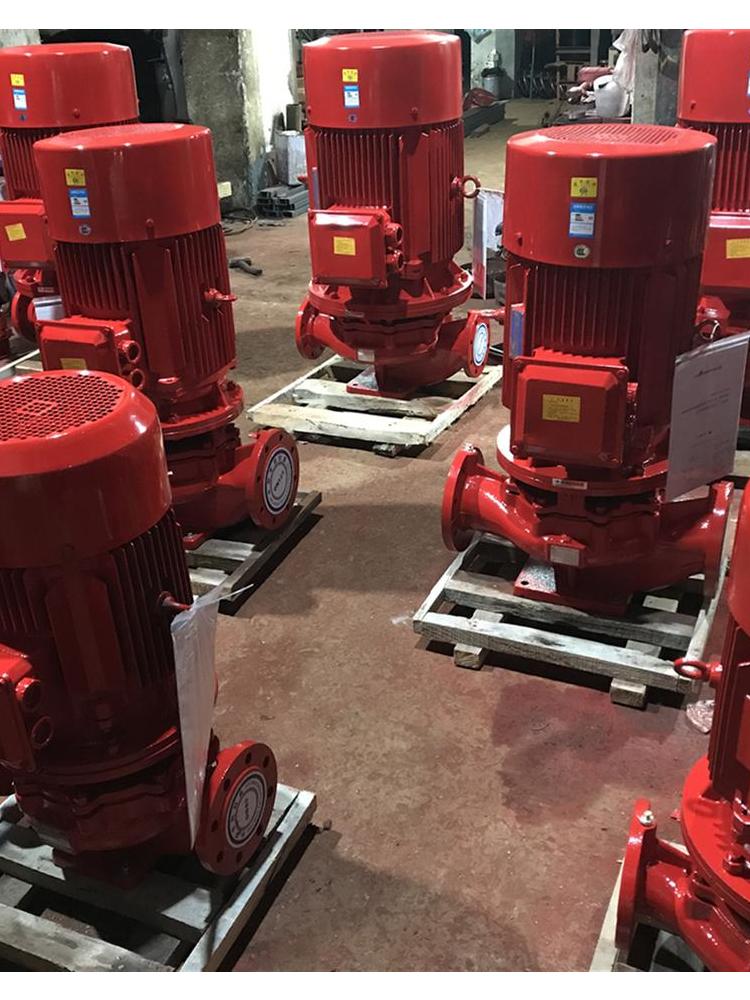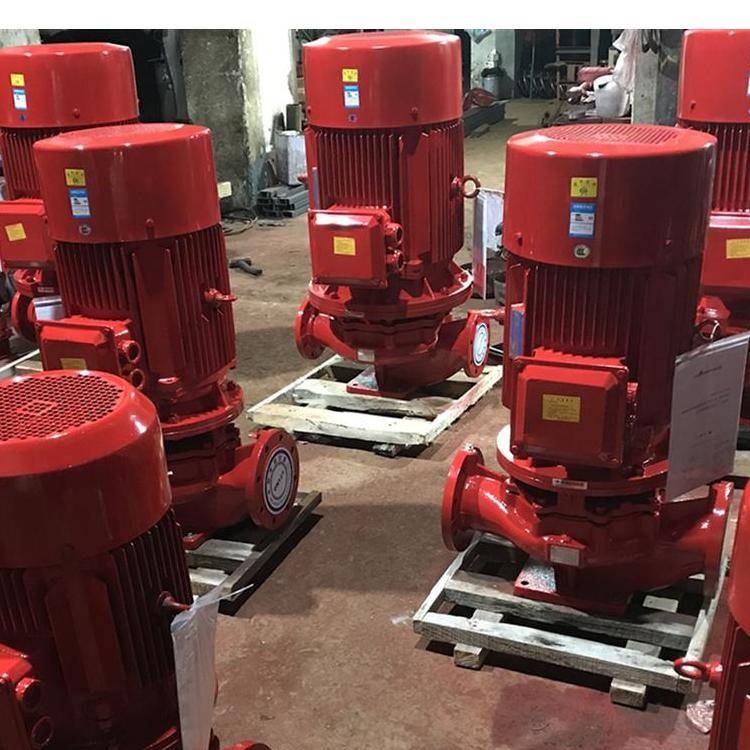

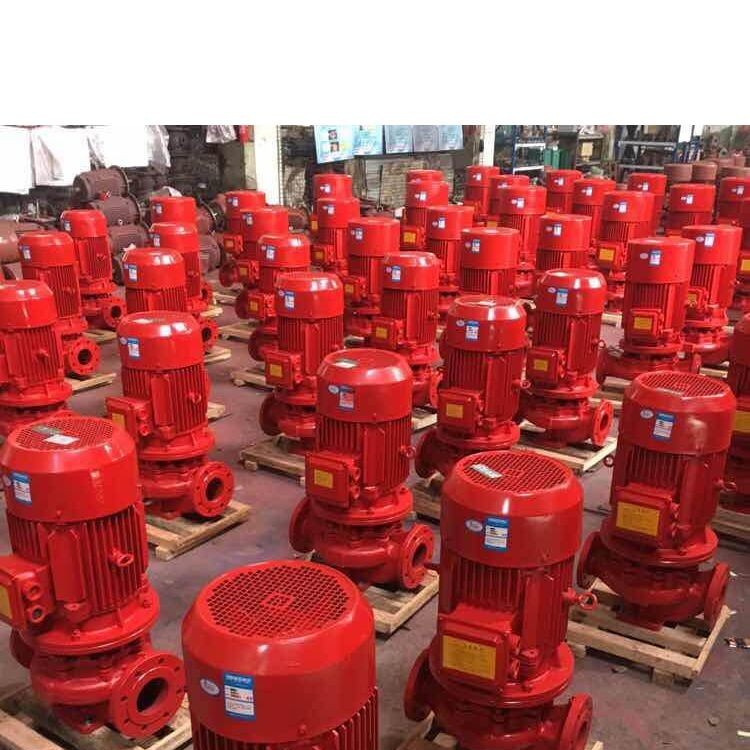







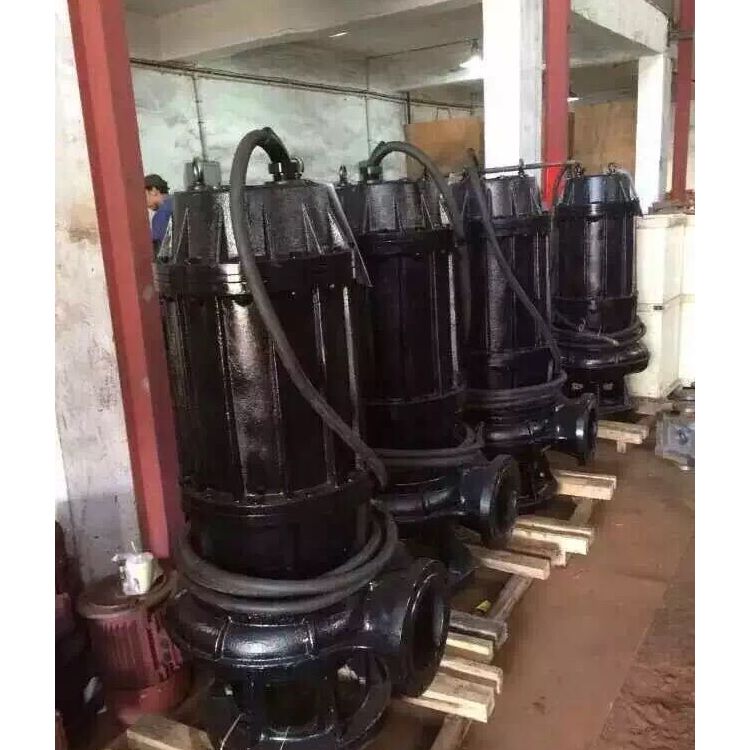

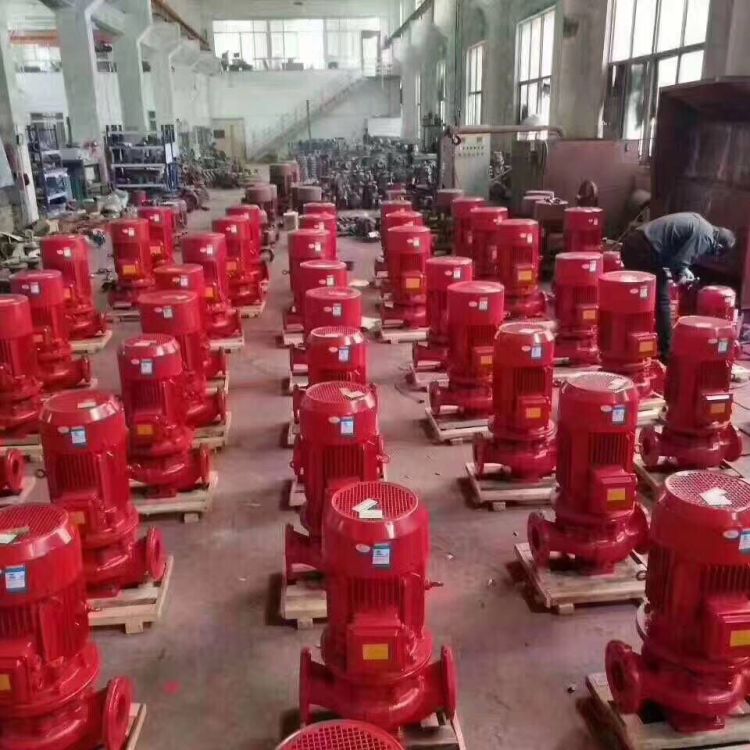

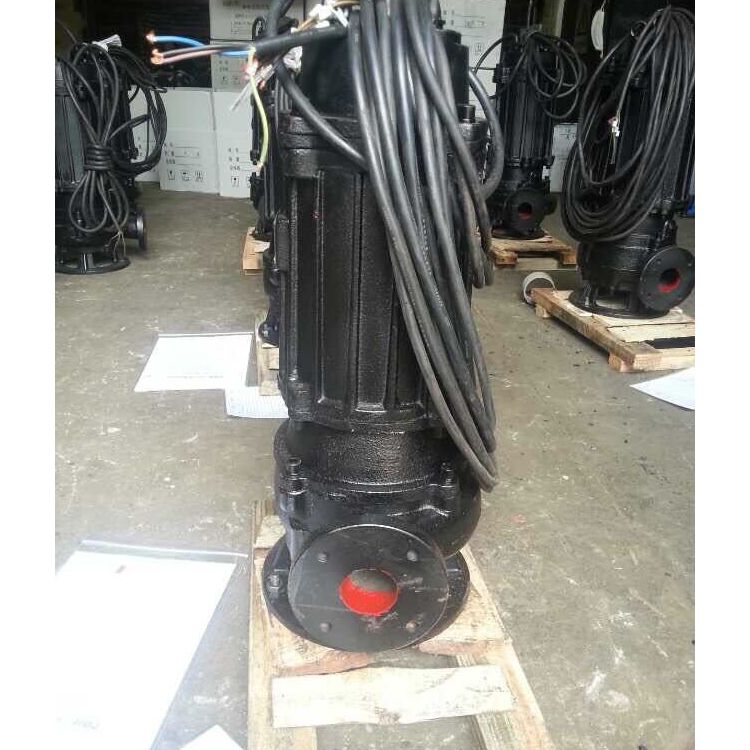
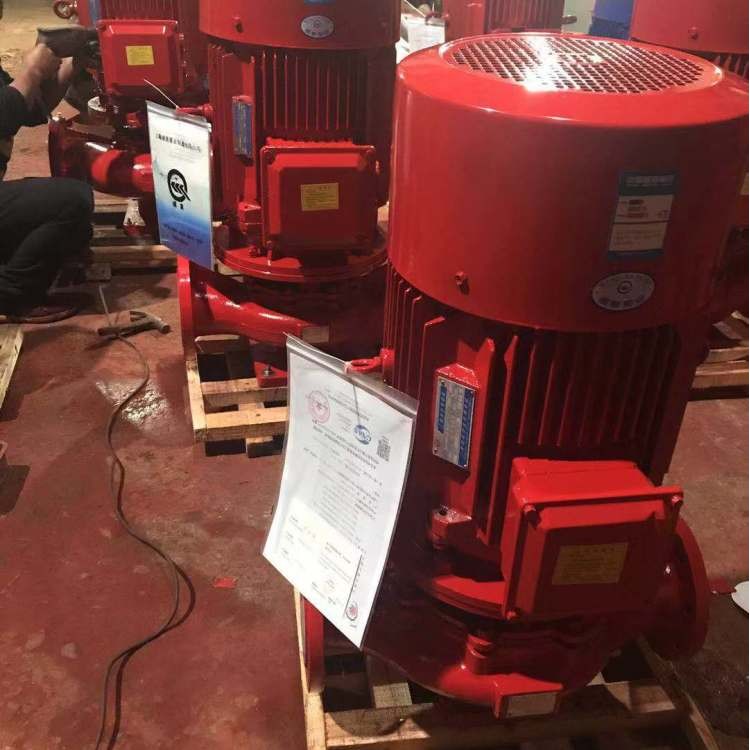
The sprinkler pumps used by the fire department are equipped with a safety feature. When a fire occurs, the sprinkler heads will burst at 68 degrees, initiating the sprinkling action. The stored water in the tank is sufficient for a 10-minute discharge. Simultaneously, due to pressure changes, the alarm valve will open, triggering a连锁 of pressure switches and a series of fire-fighting devices, thereby activating the sprinkler pump for fire suppression. Next, the water from the tank is transported through pipes to the sprinkler pump heads, signifying the official activation of the entire fire protection system to handle the fire situation.
The fire sprinkler pumps used by the fire department are designed with a feature that, upon detection of a fire, the sprinkler heads will burst at 68 degrees, initiating the sprinkling action. The stored water in the tank is sufficient for a 10-minute sprinkling. Simultaneously, due to pressure changes, the alarm valve will activate, linking the pressure switch and a series of fire protection devices, thereby triggering the sprinkler pump to extinguish the fire. Next, the water from the tank is transported through pipes to the sprinkler pump heads, signifying the official activation of the entire fire protection system to tackle the fire situation.
3. Axial seals utilize mechanical seals or a combination thereof, featuring high-quality alloy sealing rings that enhance wear resistance and effectively extend service life.
Fire Pump Start-Up and Shutdown Procedures
1. After starting the pump, check the motor's operating current and whether the pump runs normally; if there's any abnormality, stop the pump immediately.
2. Check the pressure gauge at the pump outlet. Once the gauge needle reaches the rated working pressure and stabilizes, gradually open the outlet valve to operate the pump as close to the rated condition as possible.
3. After the pump is normally filled with water, move the clutch handle installed for vacuum suction to the "split" position.
4. Check the valve assembly pressure; the clean water valve assembly pressure should remain around 0.8 Mpa, and the foam valve assembly should stay around 1.0 Mpa. If the pressure cannot be maintained, adjust the pump outlet and return valve to control the pressure appropriately.
5. Regularly check the temperature of the pump and motor bearings; the temperature should not exceed 75 degrees. Ensure the motor's operating current is within the normal range.
6. After shutting down the pump, adjust all valves according to the valve open/close status diagram to restore them to their normal state.
7. Move the clutch handle installed with a vacuum pump to the "engaged" position, open the vent valve, allow the float assembly to reset, and be ready for operation.
8. If the pump starts and the pressure immediately drops from 0.8 Mpa to around 0.4 Mpa, it cannot discharge normally. In this case, shut off the pump immediately, open the air vent to reset the float assembly, and then restart the pump.
9. Under normal conditions, one 1# and one 2# pressure-stabilizing pumps are in operation, while the other is on standby.
Fire Pump Maintenance and Care
1. Inspect and ensure the power supply and circuit integrity of the fire protection system, as well as the integrity of electrical equipment, on each shift.
2. Each shift, the coupling should be evenly balanced with no unusual noises, and proper records should be kept.
3. Check the smooth oil level inside the vacuum installation on the 5th, 10th, 15th, 20th, 25th, and 30th of each month; the oiling point is at the centerline of the oil window or slightly below it. Start the fire truck and fire pump; record the water filling time on the pump. Run pump 1 and 2 for 15 minutes, and pump 3 and 4 for 5 minutes.
4. After the pump starts, inspect the float assembly's operation; there should be no water in the exhaust hose. If water is present, it is necessary to replace the float seal.
5. After the pump starts, check if the suction vacuum installation's sealing body is tightly sealed and if the exhaust is functioning normally.
6. After the pump starts, check the packing seal level; leakage should not exceed 10-30 drops per minute.
7. Regularly inspect the smooth oil on all parts of the pump to ensure the lubrication system is functioning properly.
8. Regularly inspect the joints for tightness and check for any looseness.
Inspection and Maintenance Editing
A. Daily inspection and maintenance of the fire alarm system include self-check function tests for the fire alarm controller.
a) Press the self-check button to initiate an auto-diagnostic for the alarm controller.
b) Then press the mute button to eliminate the controller's sound.
B. Monthly Inspection and Maintenance of Fire Pump
a) Complete all daily inspection and maintenance procedures.
b) Main working voltage test of the controller;
c) Public areas: The inclination of temperature sensor installation should not exceed 45°, ensure good contact with the base, and check for cleanliness and integrity of the appearance.
d) Randomly select no less than 5% for smoke testing to verify the accuracy of the alarm;
e) Check for secure installation, any damage, or loss of the manual alarm button.
f) Select two manual alarm buttons to simulate an alarm and test if the alarm function is working properly.
g) Conduct an appearance check on all support boxes within the aisle, ensuring the external wiring is securely fastened.
h) Clean and dust off fire alarm control cabinets, interlock control cabinets, etc. Tighten loose wiring. Check self-test, silence, and reset functions. Verify main power and backup power switching, and alarm functionality.
C. Annual Inspection and Maintenance
Follow the annual maintenance record for fire equipment.
D. Maintenance and Care of Fire Hydrant Pumps
Pump Housing:
a) Inspect, replenish, and replace lubricating oil; if the oil has changed color or contains metal shavings, it should be fully replaced.
b) Leak Check: Root seal in good condition, pump housing free of water leakage, overflow, or sand holes; pump shaft leakage does not overflow onto the ground.
c) Smooth rotation, no jamming, pump shaft and motor shaft aligned on the same centerline, base securely fastened, screws rust-free (anti-rust measures in place), washers even.
d) Clean appearance, intact paint, clear markings, and legible plate lettering.
Valves, pipes, and accessories:
a) Valves operate smoothly with no sticking, close tightly, and there is no leakage from inside or outside.
b) Valve body and handle are intact, valve stem well-lubricated, appearance clean and tidy.
c) The one-way valve operates smoothly with no leakage.
d) The pressure gauge needle is flexible, indicating accurately, the dial is clear, the position is convenient for observation, and the gauge is sturdy with no leakage at the valve and joints.
F. Fire Extinguisher Pump Motor:
a) Clean appearance, clear labels, all parts securely fastened, with a coupling guard.
b) The line ear connection is tight and secure, showing no discoloration, no parts, and good grounding.
The fire sprinkler pumps used by the fire department are designed to burst at 68 degrees when a fire occurs, initiating the sprinkling system. The stored water in the reservoir is sufficient for a ten-minute sprinkling operation.