










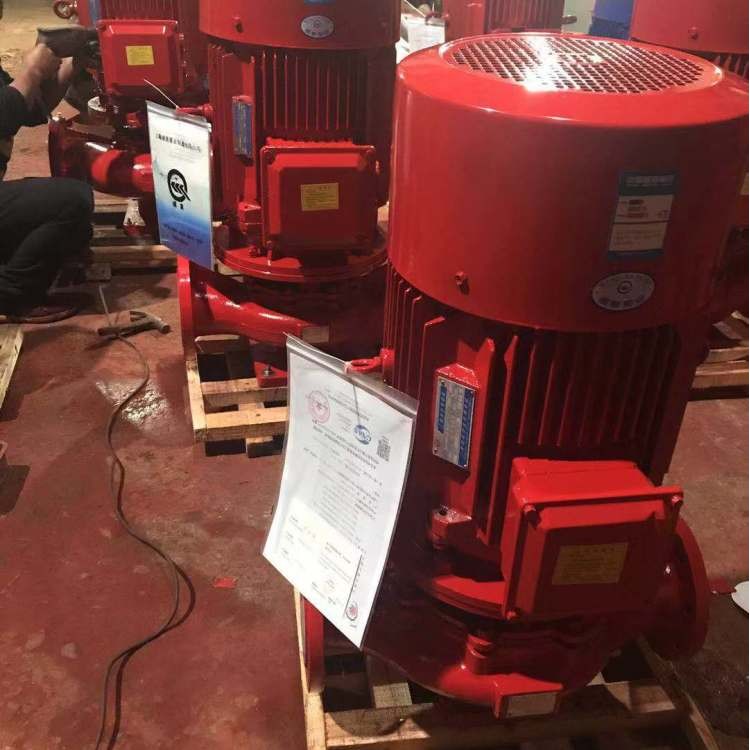
The normal speed self-inspection method simulates the actual operation of fire water supply within a certain period of time. It checks the entire process of the fire pump starting and operating normally. However, improvements are needed in the pipeline design. It is crucial to prevent electromagnetic valve failures on the bypass pipeline, ensuring they are opened during self-inspection and promptly closed after completion. The low-speed self-inspection method does not require modifications to the fire pump's pipeline, but it only detects one stage of the fire pump's normal operation. Fire pumps can be directly or indirectly started, with larger power ones requiring indirect start. Indirect start methods include Y/△ step-down, autotransformer step-down, and soft starter start. During fire pump operation, the soft starter start is just an early stage, followed by normal operation. Frequency conversion methods also fail to reach the industrial frequency stage. However, the low-speed self-inspection method still has some effect on preventing rust on the fire pump. Compared to other methods, it features low-frequency drive, low-speed rotation, and low power consumption operation.
Fire pump manufacturers emphasize this step: Pay close attention to ensure that the motor's operating current runs normally after startup. Of course, this includes checking the water flow of the pump as well. If anything is not functioning properly, stop operation immediately, find the repair contact number, and have a technician inspect it. Under normal conditions, the fire pump manufacturer will keep one pump in operation and the other in standby. The reason for this is to prevent emergencies. Even during maintenance, pumps can sometimes encounter issues, and some may malfunction at critical times. In such cases, activating the standby pump ensures normal operation.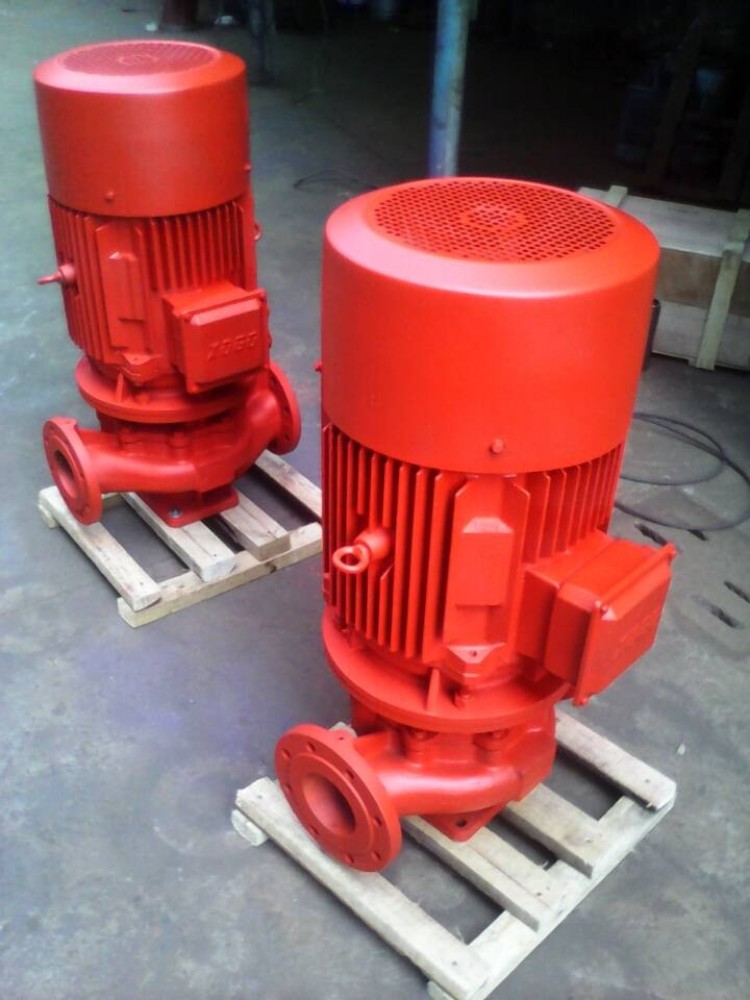
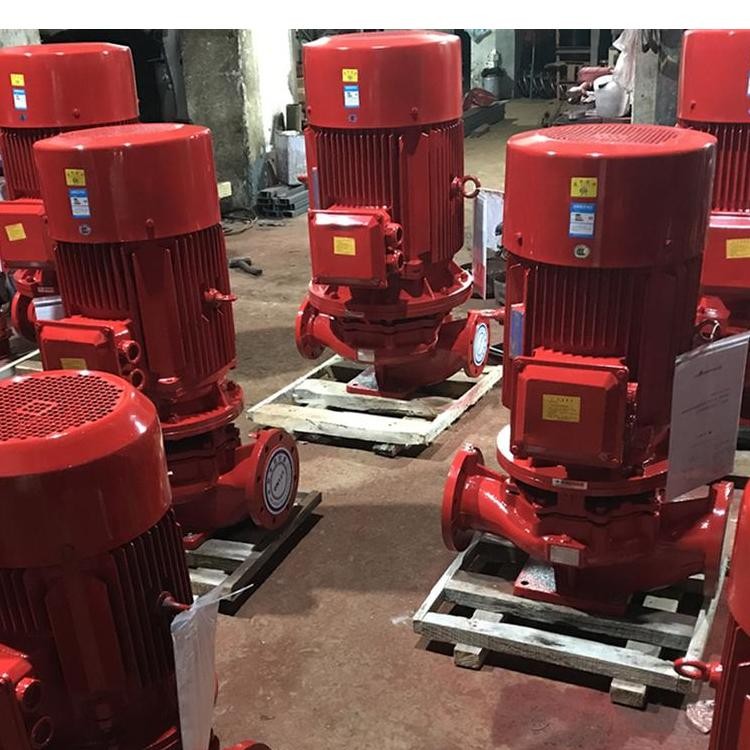
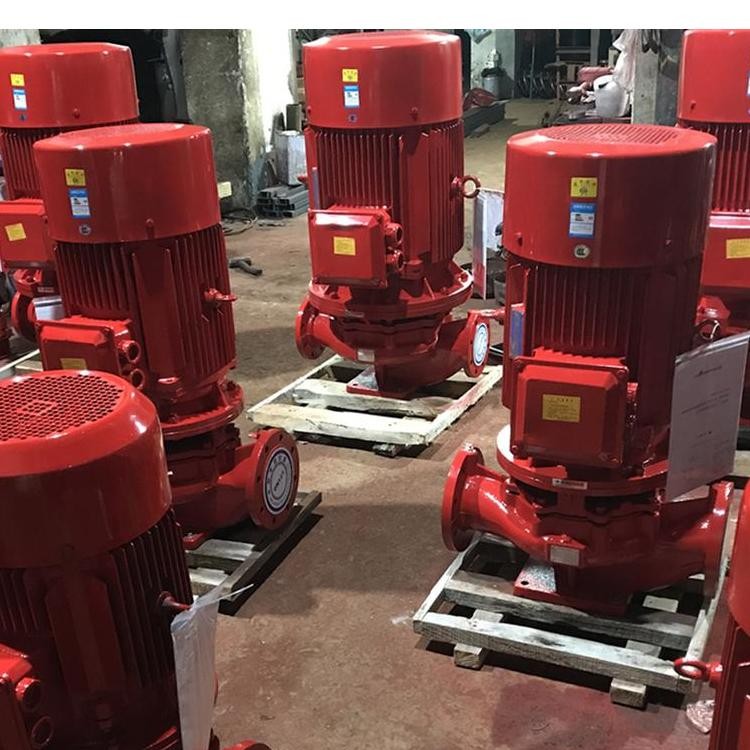
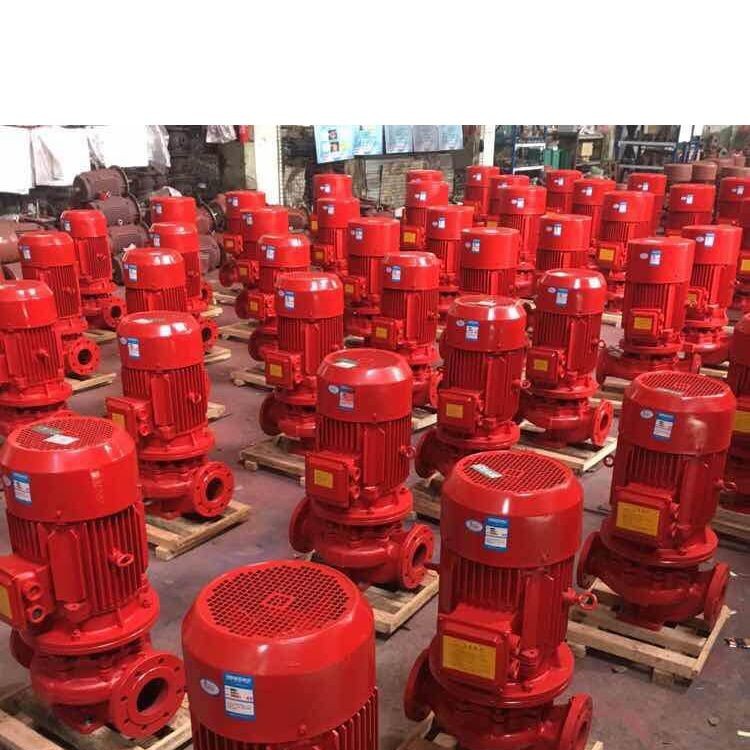
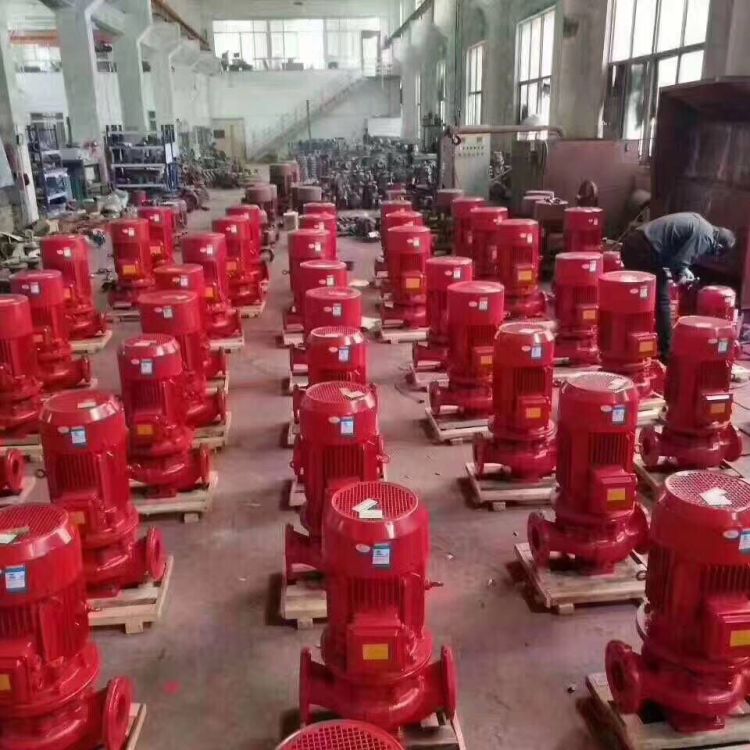
The XBD-HY(W) series fire-resistant constant pressure pumps are mainly used for supplying water to fixed fire protection systems in industrial and civil buildings, such as hydrant fire extinguishing systems, automatic sprinkler fire extinguishing systems, and water spray fire extinguishing systems. Particularly suitable for fire protection water supply systems in high-rise building zones. Additionally, they can also be used in water supply systems shared by fire protection and living (production) purposes, as well as in building, municipal, industrial, mining, and boiler water supply applications.
The fire pump unit is horizontally installed, with metal shims placed in the foot bolt holes at the bottom of the base to level it. The nuts are then tightened, and cement is poured to securely fasten the base, preventing the base from having an unstable three-point contact.
2. Connect the motor power to the constant pressure fire pump, ensuring the motor's rotation direction makes the pump rotate according to the arrow on the bracket (from the motor end, looking tangentially at the fire pump, the direction is clockwise).
3. The fire fighting constant pressure pump inlet and outlet should be connected to tap water, the pipe diameter should be the same as the diameter of the inlet pipe of the fire fighting constant pressure pump, and both the inlet and outlet pipelines should have good alignment, be of appropriate length, and not subject the tangent fire pump to excessive external force.
4. Preparations to be made before starting up:
(1) Rotate the fire pump motor shaft by hand; the rotation should be smooth without any jamming.
(2) Prior to starting the fire fighting constant pressure pump, ensure the pump is filled with the medium.
5. The allowable leakage rate for sealing is 5ml/h. If the leakage rate is deemed too high, the mechanical seal of the tangential fire pump should be replaced.
The sequence for replacing the mechanical seal of the tangential fire pump is:
(1) Remove the cutting fire pump housing.
(2) Remove the shaft end bolts, locking washers, impeller, and key in sequence.
(3) Remove the mechanical seal dynamic ring and unscrew the limit screw.
(4) Remove the sealed seat and detach the machine seal.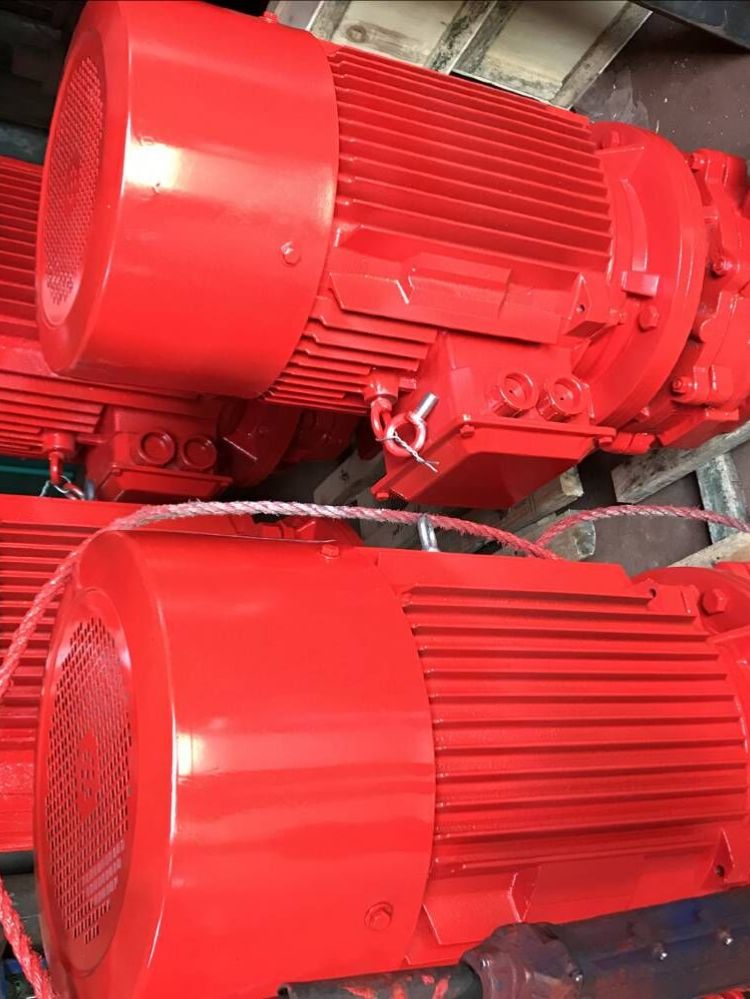
When purchasing, pay attention to the required pressure of the fire pump, which is the head and flow rate. Ensure the head is met, and the flow rate can be within a margin of about 105. Also, confirm if a single-stage fire pump is sufficient; if not, opt for a multi-stage one. Ask the manufacturer if they have a fire inspection report for approval.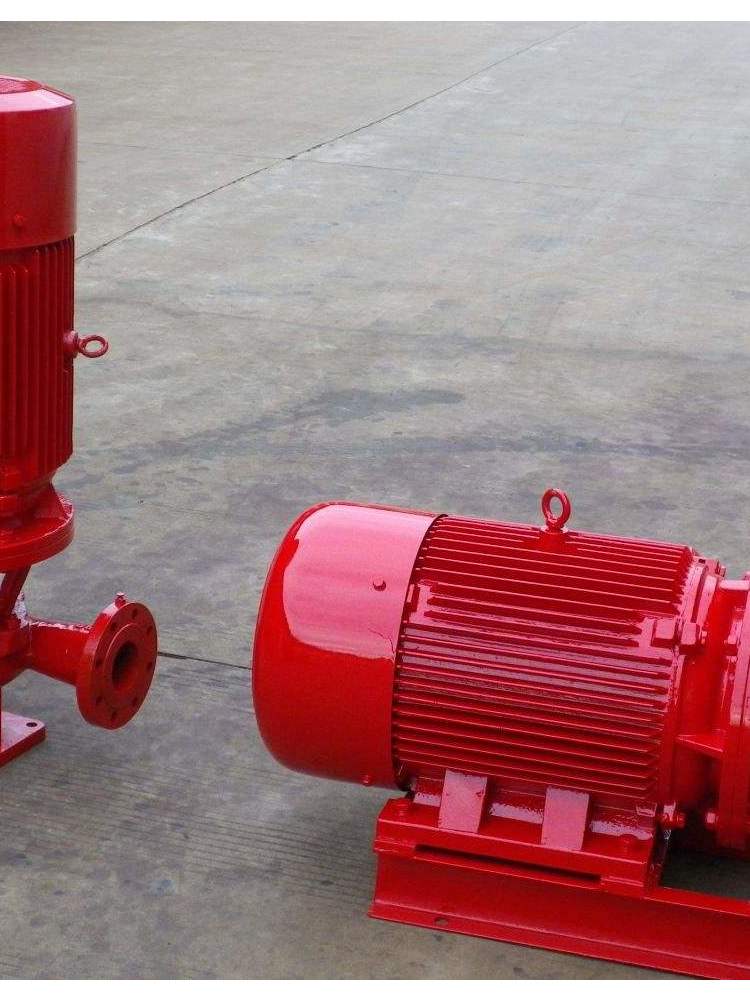
Features of fire pumps
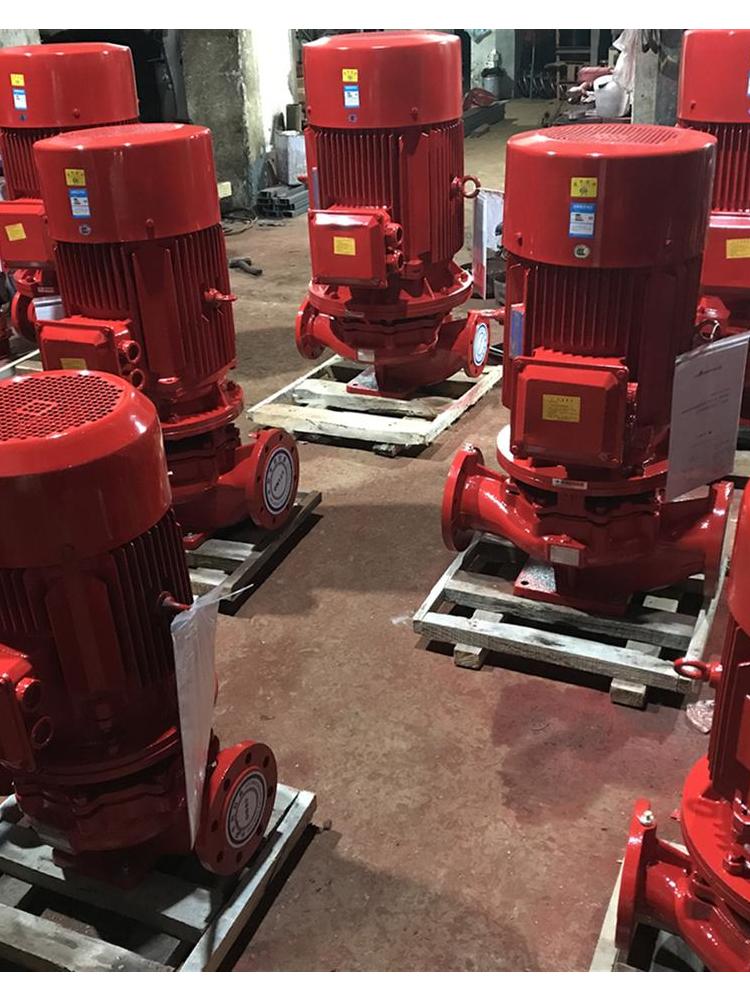
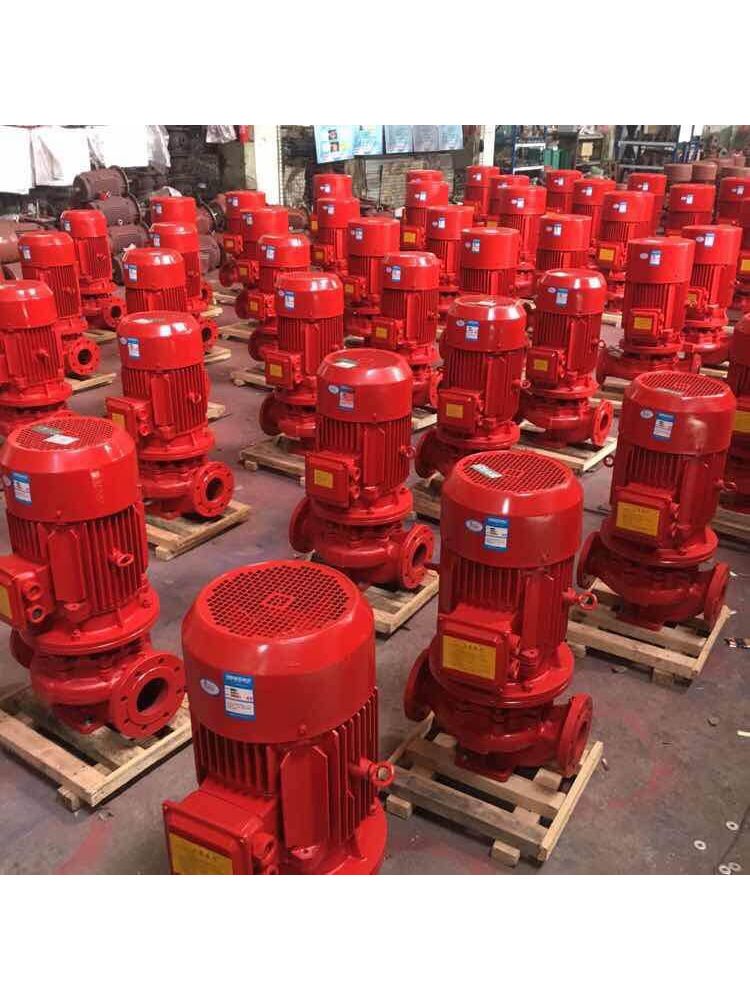
The pump features a compact structure, small size, and attractive appearance. Its vertical design ensures minimal footprint for installation, with the center of gravity aligning with the center of the pump base, thereby enhancing the pump's operational stability and lifespan.
2. Both pump suction and discharge are in a horizontal direction, simplifying pipeline connections.
3. The multi-stage design can be customized as needed. The intake and exhaust outlets can be installed in the same direction or at 90, 180, or 270 degrees to accommodate various connection scenarios.
4. Pump pressure can be adjusted by increasing or decreasing the number of pump stages and cutting the impeller's outer diameter to meet requirements, without altering the installation footprint — a feature not found in other types of pumps.
5. The pump rotor features minimal circumferential runout, operates smoothly, has low vibration and noise, and boasts a long service life.
In fire pump self-inspection methods, both normal speed and low-speed self-inspection play a role in fire pump maintenance. From a maintenance management perspective, they can both be utilized in fire water supply systems. Relative to this, the normal speed self-inspection method reflects the actual operating condition of the fire pump. From the perspective of fire pump failure causes, the main issue from long-term disuse is the pump shaft bonding problem. Issues with incomplete motor start-ups are rare, so emphasizing the fire pump's complete operational condition is not particularly significant. The normal speed self-inspection method is suitable for scenarios where the fire pump draws water from the fire reservoir, and the design should consider the pipeline layout reasonably. In operation, it may lead to overpressure quickly, making it less suitable for engineering applications. Both normal speed and low-speed self-inspection methods have their unique characteristics. The low-speed self-inspection method has no specific requirements for fire pump pipeline design and generally meets the technical requirements for self-inspection. It is more suitable for scenarios where the fire pump draws water directly from the municipal pipeline.