








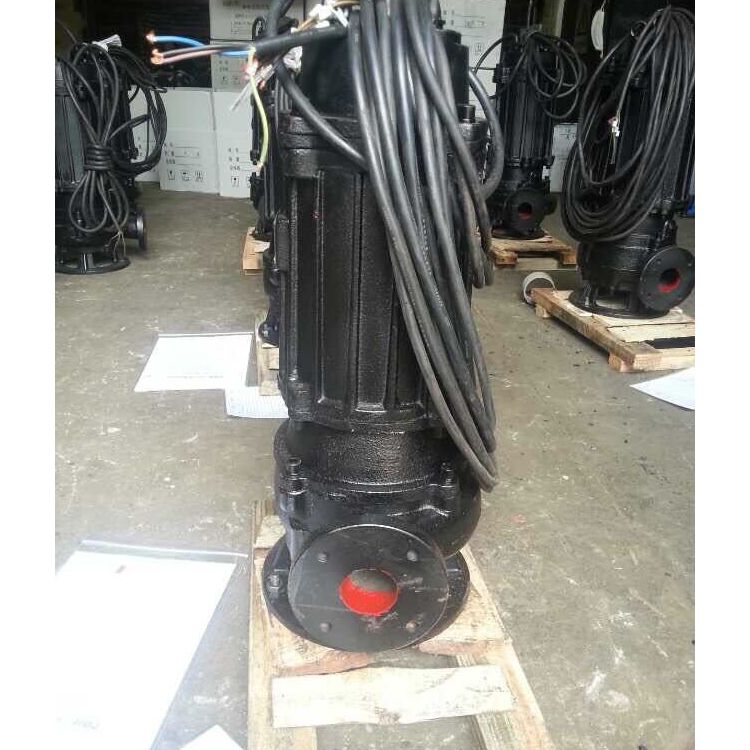
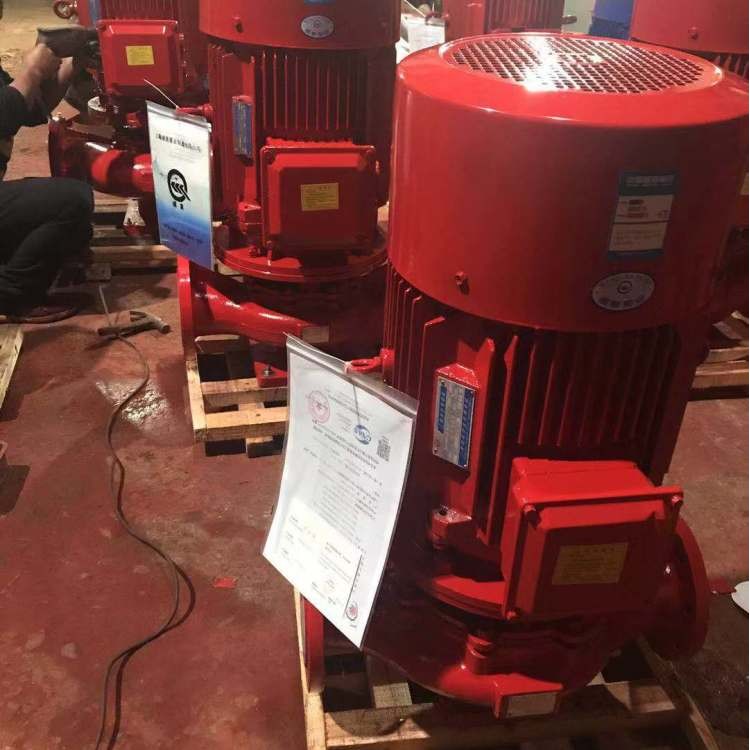
The self-inspection method provides a means for daily testing of fire pumps in the fire water supply system. In the self-inspection of fire pumps, it not only prevents rust and jamming of the fire pumps but also can trigger alarms for issues such as motor overload, short circuit, overvoltage, phase loss, under-voltage, and overheating. The self-inspection of fire pumps represents a technological advancement in improving system management levels. Both of the two self-inspection methods for fire pumps demonstrate the maintenance benefits, but the low-speed self-inspection only runs through an initial stage of the fire pump's startup, failing to fully reflect the actual operating conditions of the fire pump in the future. Additionally, after the self-inspection results of the fire pump are fed back to the fire control center, further judgment needs to be made manually. Therefore, the self-inspection method for fire pumps cannot completely replace manual maintenance and management.
Before the fire pump operation every week, inspect the electrical control section for integrity. Requirements: ① Power switch indicator and normal indicator light are functioning correctly; ② Changeover and conversion indicator lights are normal; ③ Backup power start and isolation switch are off; ④ Alarm feedback signal indicator light is off and normal indicator light is on.
Product Overview
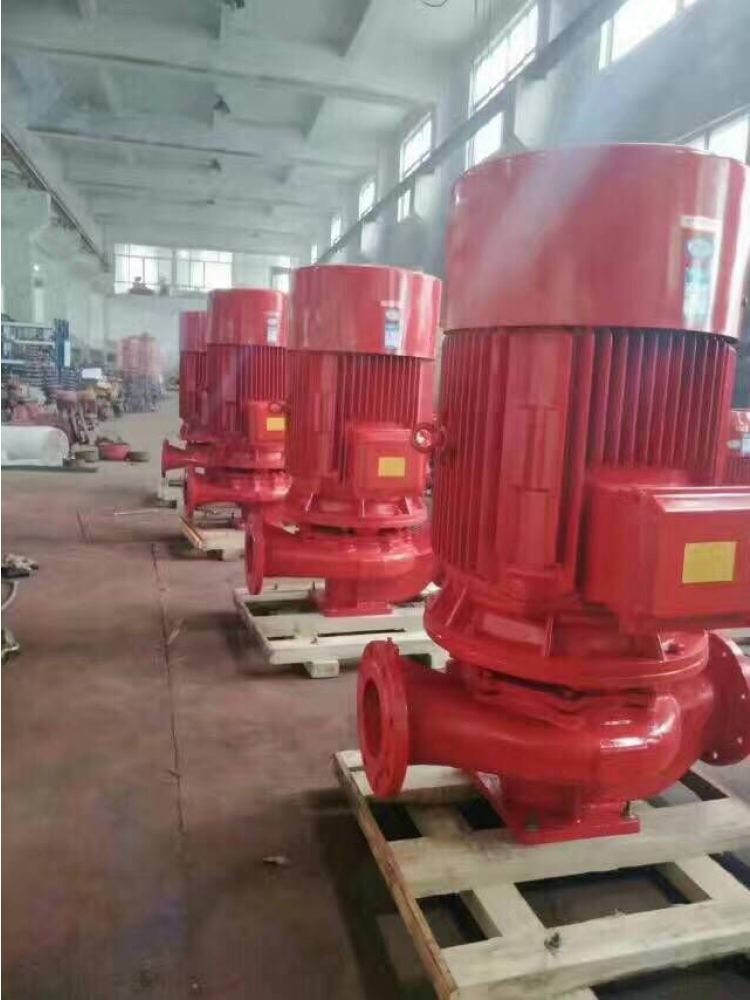
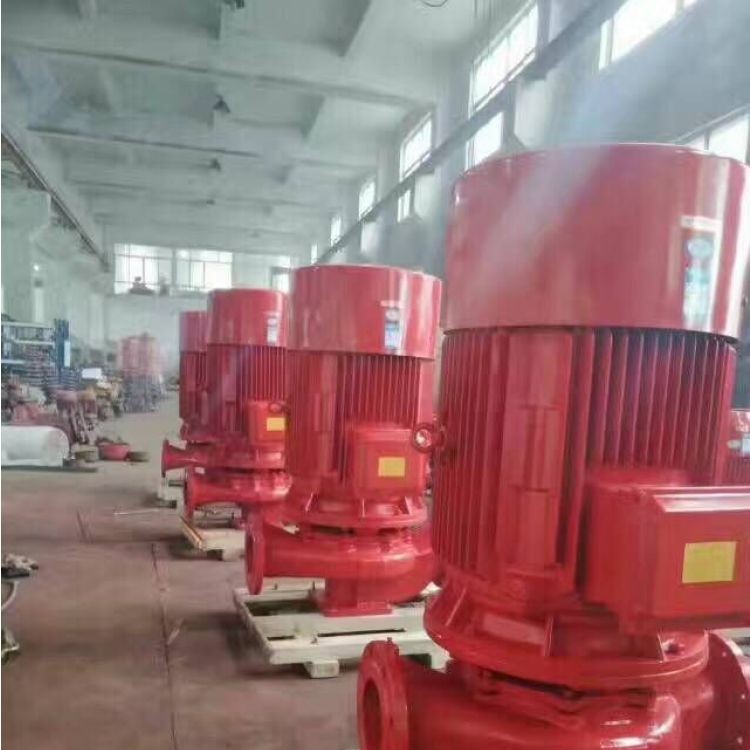
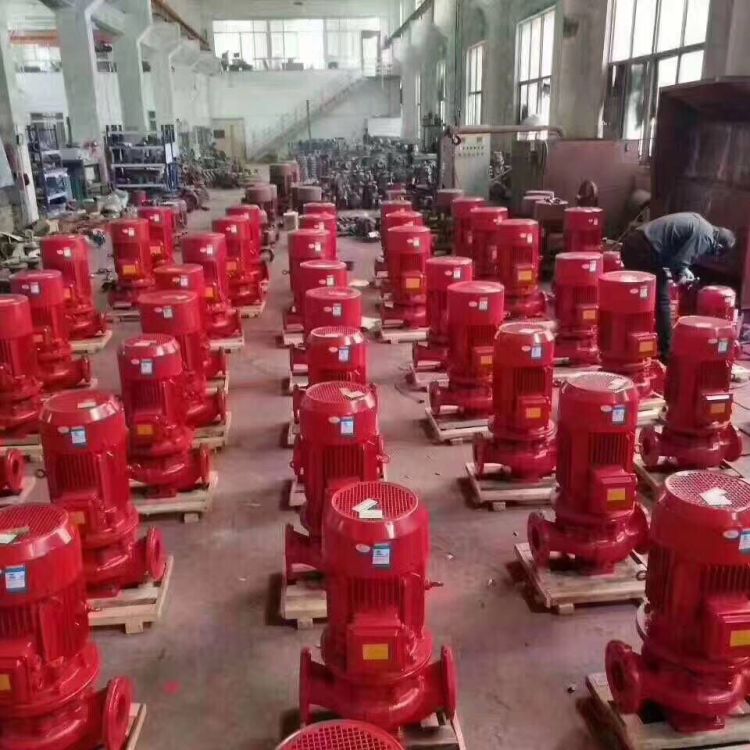
The ISG fire pump type single-stage vertical pipeline centrifugal pump combines the performance parameters of the old-type centrifugal pump and SG pipeline pump, ingeniously designed on the basis of general vertical pipeline pumps. It meets the requirements of the new national Ministry of Machinery JB/T53058-93 standard and is designed and manufactured according to the international ISO2858 standard. This series features energy-saving, low noise, and reliable performance. Additionally, according to different application temperatures and medium conditions, the material and structural changes of the flow section are designed into IRG type hot water pumps, IHG type stainless steel pipeline pumps, and YG type explosion-proof pipeline centrifugal pumps with the same performance parameters.
Purpose
1. ISG vertical pipeline centrifugal pump, designed for transporting clean water and other liquids with similar physical and chemical properties, suitable for industrial and urban water supply and drainage, high-rise building water boosting, garden sprinkling, fire-fighting pressure boosting, long-distance transportation, HVAC refrigeration cycle, bathroom, and other cold and hot water circulation boosting and equipment matching. Operating temperature T < 80°C.
2. The IRG type hot water pipeline circulating pump is widely used in: energy, metallurgy, chemical industry, textile, papermaking, and boiler high-temperature hot water pressure boosting circulation for hotels and restaurants, as well as urban heating system circulation pumps. The IRG type has a service temperature T < 120°C, while the GRG type has a service temperature T < 240°C.
3. IHG Vertical Chemical Centrifugal Pumps, designed for conveying liquids free of solid particles, corrosive, and with a viscosity similar to water, are suitable for industries such as petroleum, chemicals, metallurgy, electricity, papermaking, food, and synthetic fibers. Operating temperature range: -20℃ to 120℃.
4. YG type vertical pipeline centrifugal oil pump, suitable for conveying gasoline, kerosene, diesel, and other petroleum products; the temperature range of the conveyed medium is -20℃ to +120℃.
Work Conditions
1. Pipeline pump suction pressure ≤ 1.0 MPa, or pump system high working pressure ≤ 1.6 MPa, meaning suction pressure + pump head ≤ 1.6 MPa; pump static test pressure ≤ 2.5 MPa. Please specify the system working pressure when placing an order. If the pump system working pressure exceeds 1.6 MPa, it must be stated separately at the time of ordering to ensure cast steel material is used for the overflow and connection parts during manufacturing.
2. Environmental temperature < 40°C, relative humidity < 95%.
3. The volume content of solid particles in the conveyed medium shall not exceed 0.1% of the unit volume, with particle size greater than 0.2mm. If the medium contains fine particles, please specify at the time of ordering to facilitate the use of wear-resistant mechanical seals.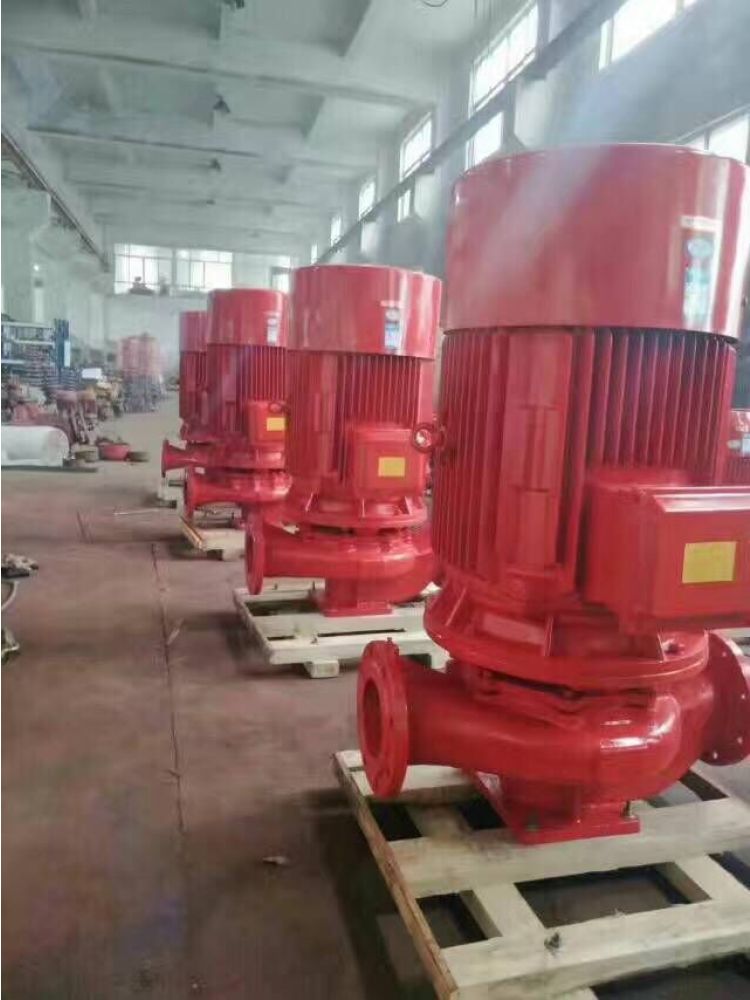
Main Application Fields
Fire Extinguishing System in Building Fire Suppression Systems
Engineering and Construction Fire Protection Systems
Corporate and institutional fire protection systems, such as: fire reservoir systems
Automated Fire Suppression System in High-Rise Building Fixed Fire Protection Systems
Hotel,宾馆,Office buildings,核电站,Hydroelectric projects,Dormitory communities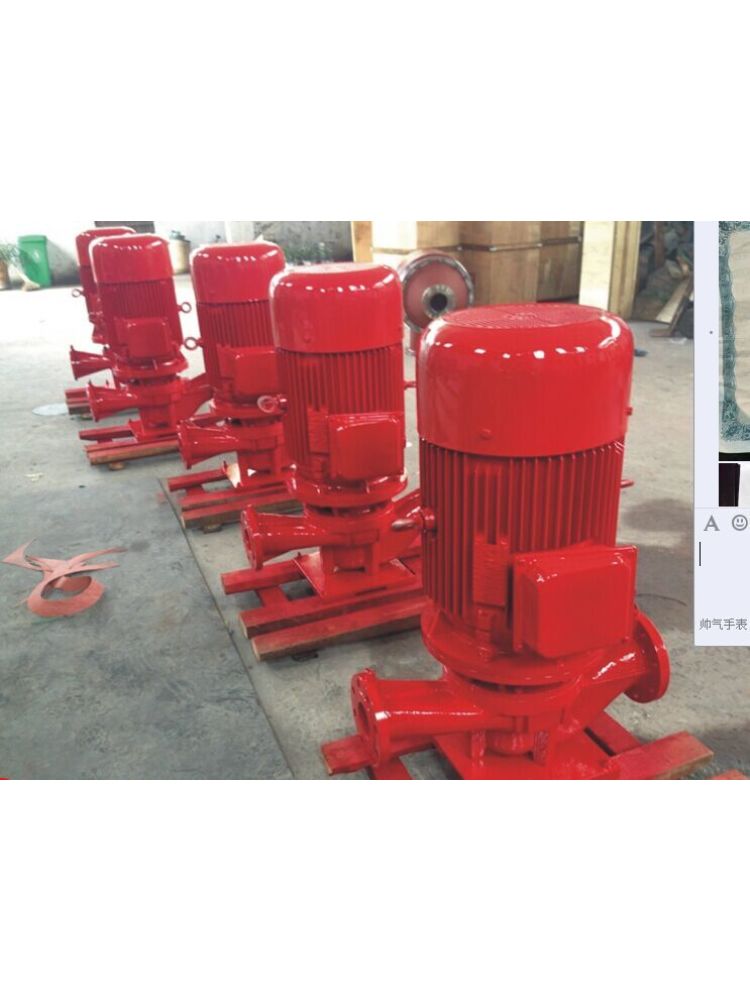
Fire pumps are widely used in our daily lives and production, such as in water treatment and fire safety departments. Later on, due to their features like full-sealed design, no leakage, and corrosion resistance, they have been extensively applied in both living and production environments.
The automatic start of the sprinkler pump is achieved by the glass balls in the pipeline nozzles of each protection zone shattering under high temperatures, causing the pipeline water flow to activate, which in turn triggers the alarm valve pressure switch to operate, thereby initiating the automatic start of the sprinkler pump. The water flow indicator interlock module or the alarm valve pressure switch wiring is connected to the control room, allowing the fire control room to accurately reflect its action signals. Additionally, the control room should be able to directly control the start and stop of the sprinkler pump.