










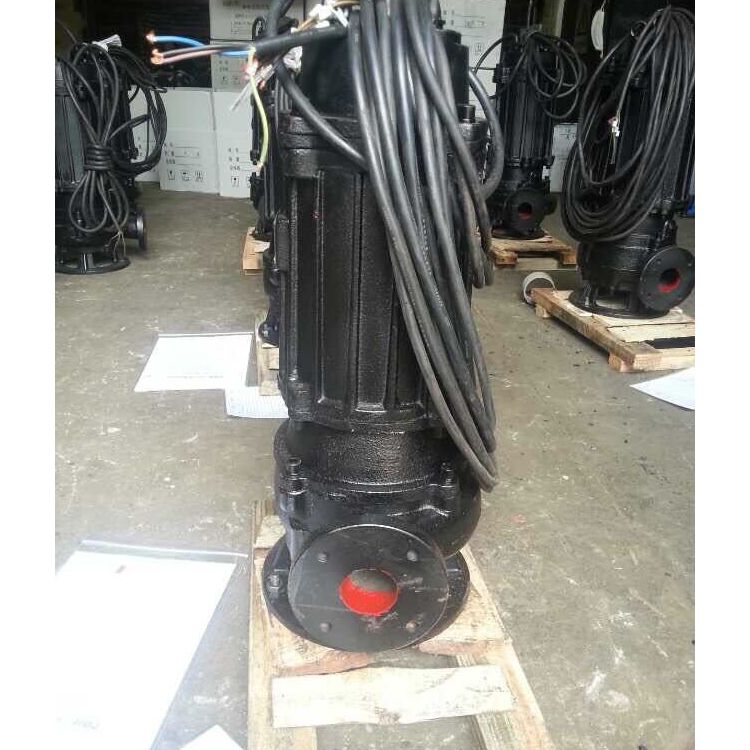
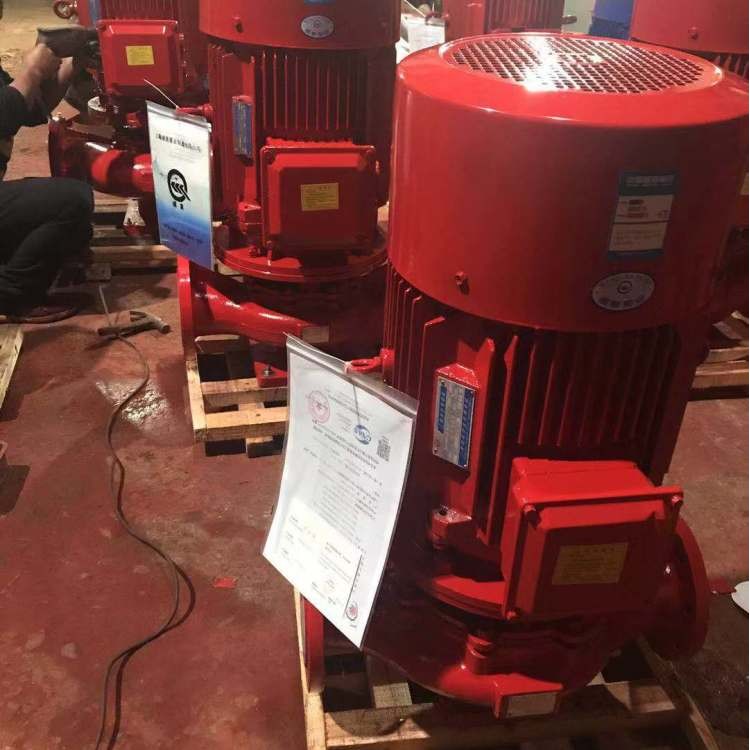
The fire pump room is a critical facility for providing firewater, directly affecting property safety. To effectively manage the pump room and clarify responsibilities, the following regulations are established:
One, all mechanical and electrical equipment for the pump room, underground water tanks, and fire protection system are under the responsibility of the equipment and fire personnel. Regular inspections, maintenance, cleaning, and record-keeping are conducted. Issues that cannot be resolved are reported and corrected promptly.
2. Equipment and machinery within the pump room are handled by the equipment operators and fire personnel. Unauthorized personnel are prohibited from operating them, and non-related individuals are not permitted to enter the pump room.
Three, under normal operation, all equipment in the pump room should be set to the automatic position, with all operational signs simple and clear.
Four, fire pumps and sprinkler pumps are checked daily and undergo an "automatic/manual" operation check, with maintenance performed quarterly.
Five, the power supply of the pump room control circuit should be inspected monthly to ensure the pump can operate automatically in case of a main engine failure.
Six: Regularly clean the sewage pool and maintain the pumps and pipes.
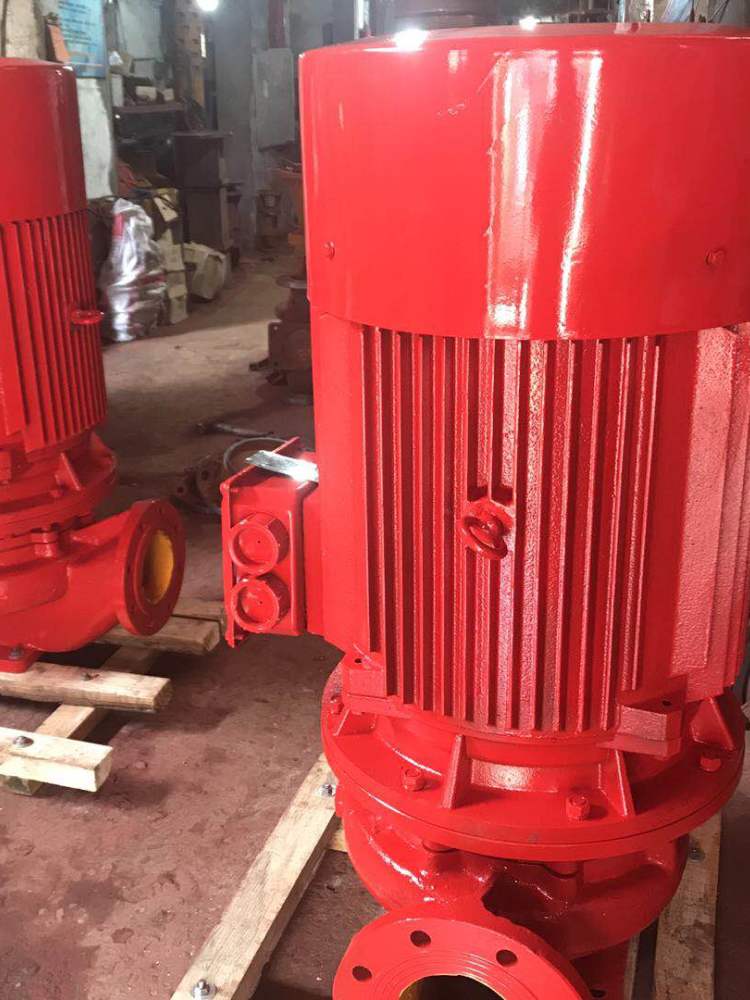
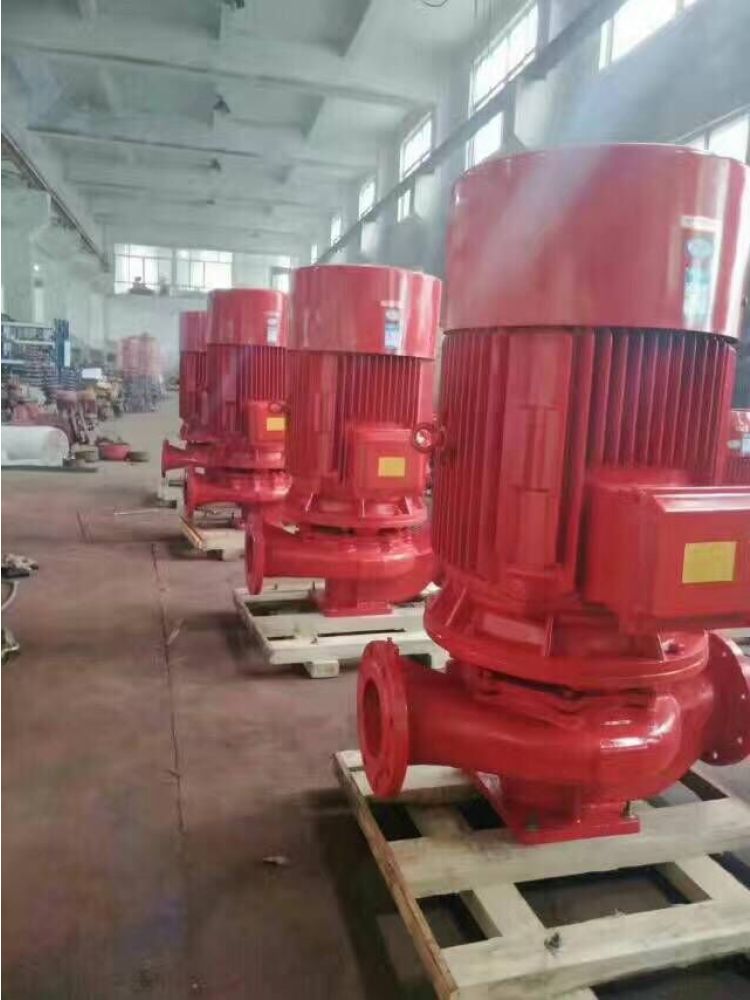
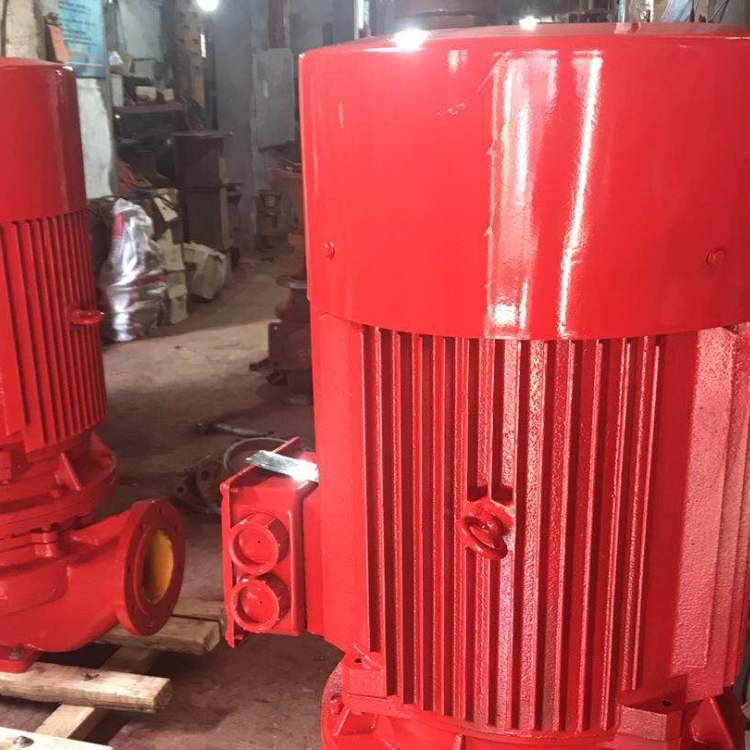
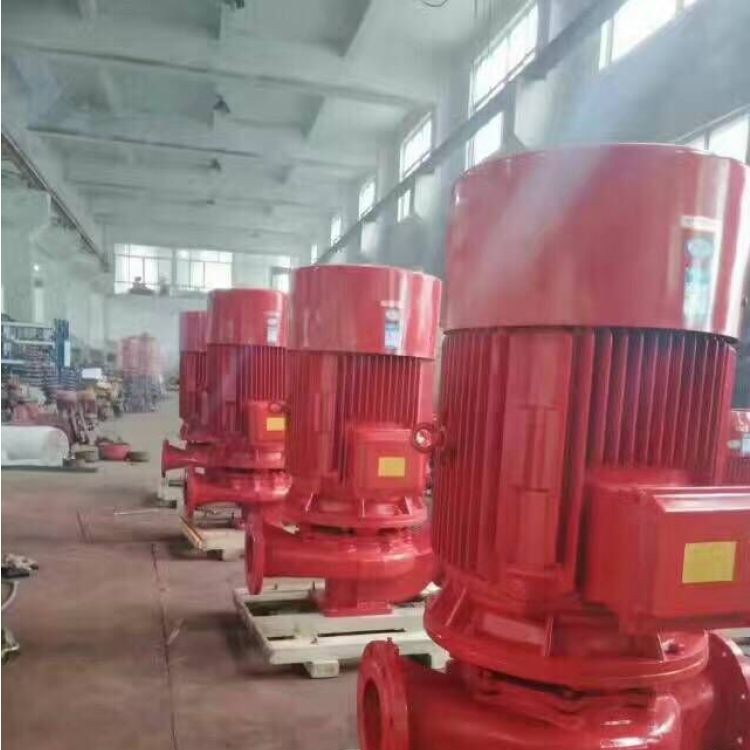
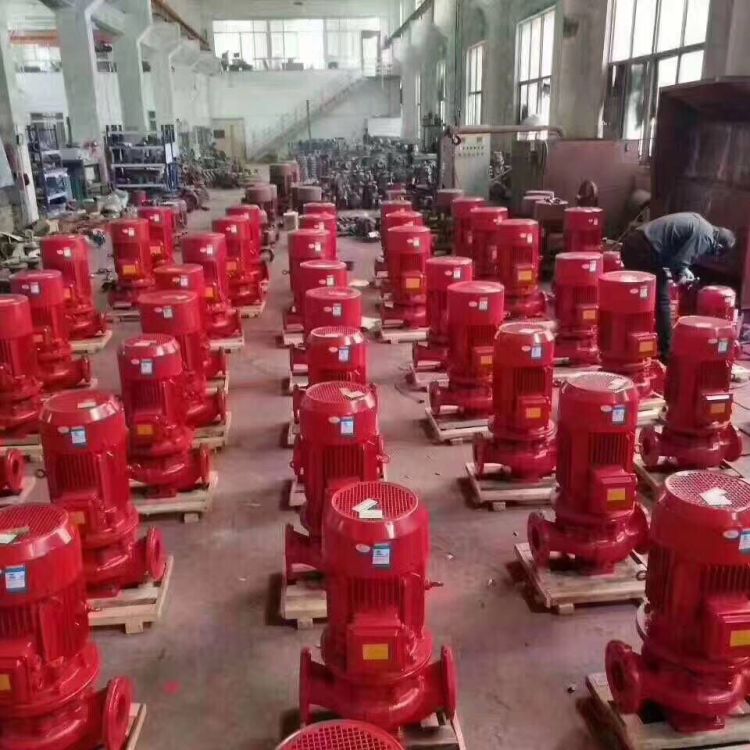
Pipe pumps are vertical centrifugal pumps with both inlets and outlets aligned in a straight line, having the same size and height for both. They are also removable, making them known as pipe-type centrifugal pumps. Due to their identical inlet and outlet sizes and heights, they are relatively easy to install and have the advantage of requiring no pipeline disassembly for maintenance, which is why they are widely used in construction and industrial production.
Piping pumps are divided into two types: vertical single-stage piping pumps and vertical multi-stage piping pumps; the installation diagrams and accessories for installation are the same.
One. Vertical Single Stage Pipeline Pump Installation Diagram
Installation Accessories: 1 & 6 are in/out water gate valves, 2 & 5 are pointer pressure gauges, 3 & 4 are in/out water soft joints. If the pipeline pump requires automatic operation, a pressure sensor (to be paired with the pump automatic control cabinet) and a check valve must be installed at the pump's outlet. Note: Smaller vertical single-stage pipeline pumps can be installed horizontally, but not too large ones, to prevent the rotor from being too heavy and running eccentrically.
Section 2: Vertical Multi-Stage Pipeline Pump Installation Diagram
Installation Accessories: 1 & 6 are in/out water gate valves, 2 & 5 are pointer pressure gauges, 3 & 4 are in/out water soft connectors. If the pipeline pump requires automatic operation, a pressure sensor (to be paired with an automatic control cabinet for the pump) and a check valve must be installed at the pump's outlet.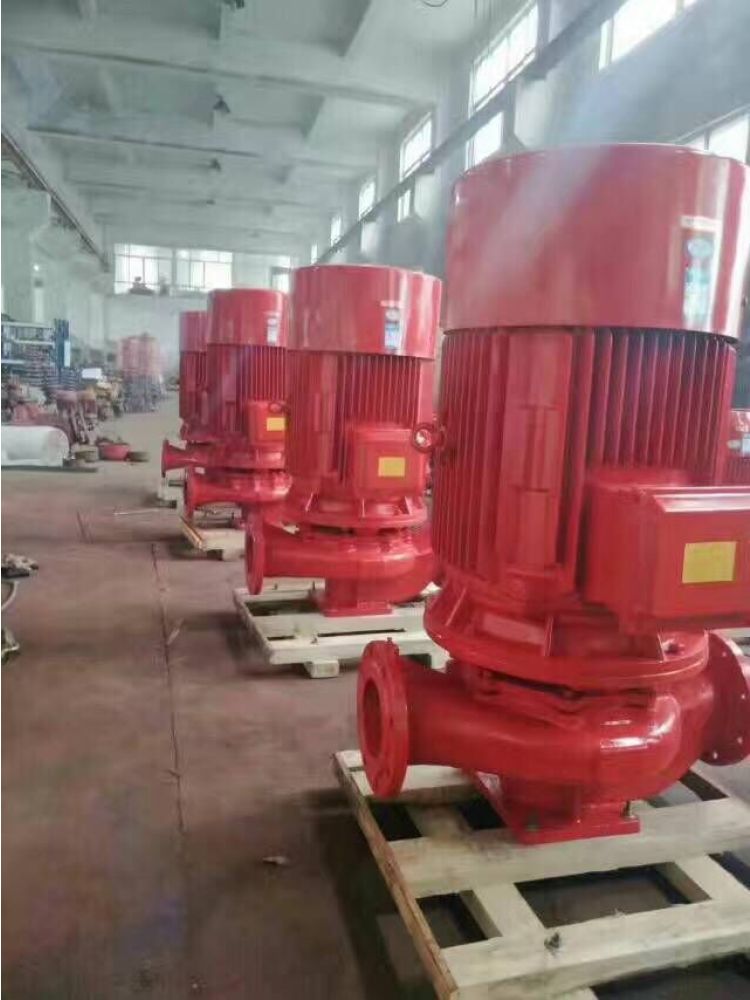
Whether good or bad, who is better is a matter of personal opinion. Generally, one needs to comprehensively assess and consider factors such as the company's qualifications, industry experience, external resources, and successful case situations. It requires measuring from the current concerns, and cannot be summed up in just a few sentences. If the above answer is still not detailed enough, please consult with Zhu Manager of Shanghai Weiquan Pump Manufacturing Co., Ltd.
IS Series Pumps Main Application:
ISW horizontal single-stage single-suction centrifugal pump, designed for transferring clear water and other liquids with similar physical and chemical properties, suitable for industrial and urban water supply and drainage, high-rise building pressure boosting, garden sprinkling, fire fighting pressure boosting, long-distance transfer, HVAC cooling and heating cycles, and bathroom cold and hot water circulation pressure boosting, with operating temperature <60°C.
Fire sprinkler pumps, fire hydrant pumps, fire pressure maintenance pumps, fire pressure boosting pumps, to be determined based on the actual usage.
Pumps similar to those used in fire systems, with varying lift heights and flow rates.
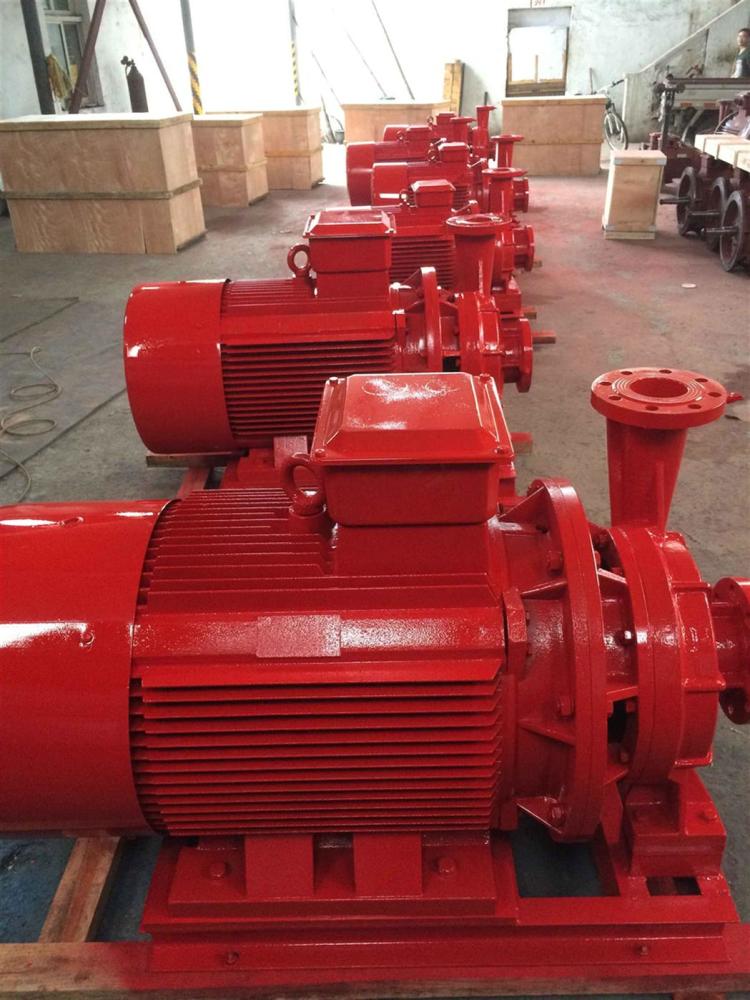
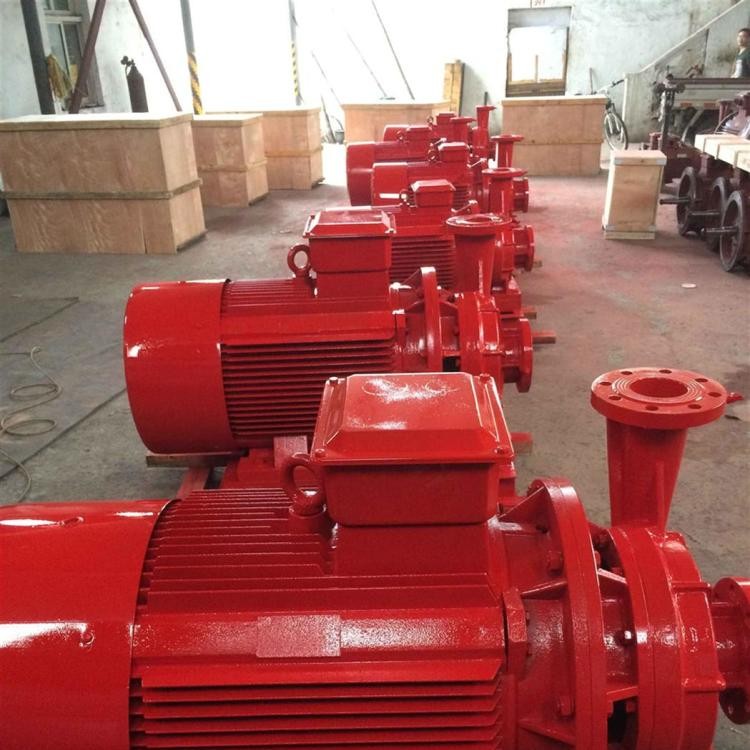
Fire pumps are mainly divided into vertical fire pumps and horizontal fire pumps. The flow rate of the fluid transported is one of the important performance data for selecting fire pumps, as it directly affects the overall production capacity of the entire system.
Turn left | Turn right
Fire pump start-up and shutdown operation procedures
1. After starting the pump, check the motor's running current and ensure the pump operates normally. If any anomalies are detected, immediately shut off the pump.
2. Observe the pressure gauge at the pump outlet. Once the gauge needle reaches the rated working pressure and stabilizes, gradually open the outlet valve to operate the pump as close to the rated state as possible.
3. After the pump is normally filled with water, move the clutch handle installed with a vacuum suction to the "split" position.
4. Monitor the valve group pressure; the pressure of the clean water valve group should remain around 0.8 Mpa, and the foam valve group should stay around 1.0 Mpa. If the pressure cannot be maintained, adjust the pump outlet and return valve to control the pressure appropriately.
5. Regularly check the temperature of the pump and motor bearings; the temperature must not exceed 75 degrees. Ensure the motor's operating current is within the normal range.
6. After shutting off the pump, adjust all valves according to the valve open/close indicator diagram to restore to normal status.
7. Move the clutch handle from the vacuum installation to the "engaged" position, flip open the vent valve, allowing the ball assembly to reset and be ready for action.
8. If the pump starts and the pressure quickly drops from 0.8 Mpa to around 0.4 Mpa without normal water output, immediately shut off the pump and open the air vent to reset the float assembly. Then, restart the pump.
9. Under normal conditions, one 1# and one 2# voltage stabilizer pumps are in operation, while the other is in standby.