









The importance of installation and inspection for fire control cabinets
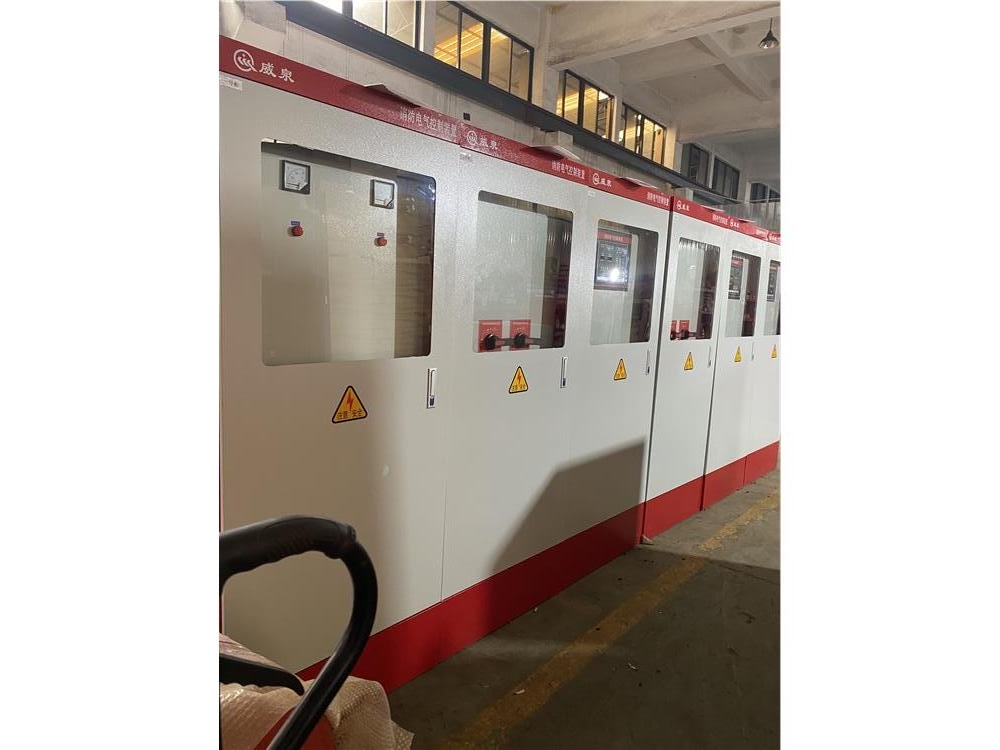
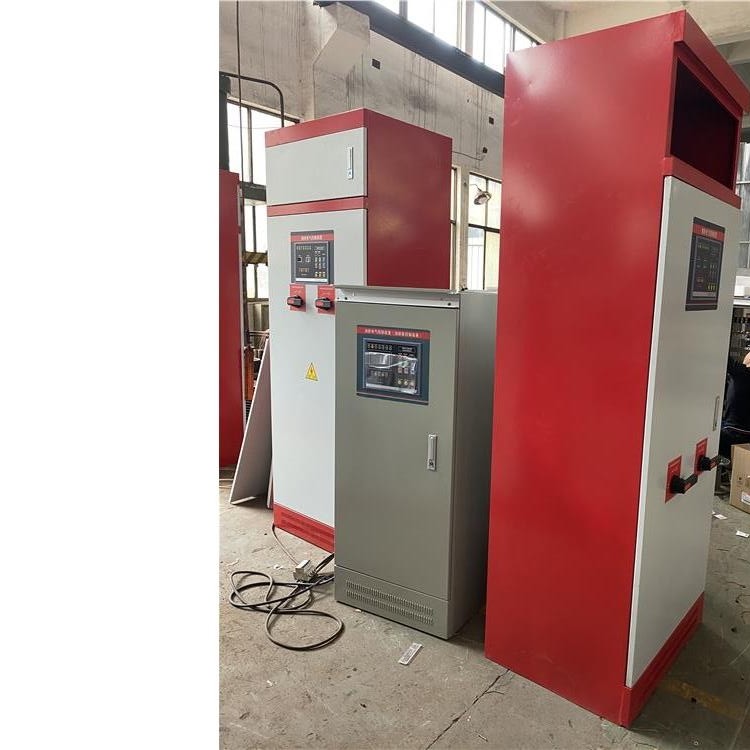
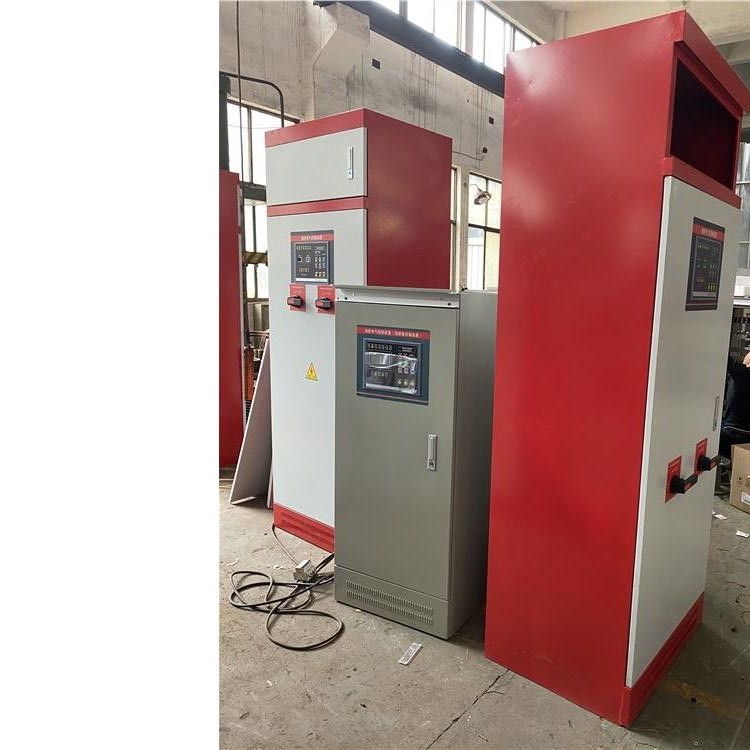
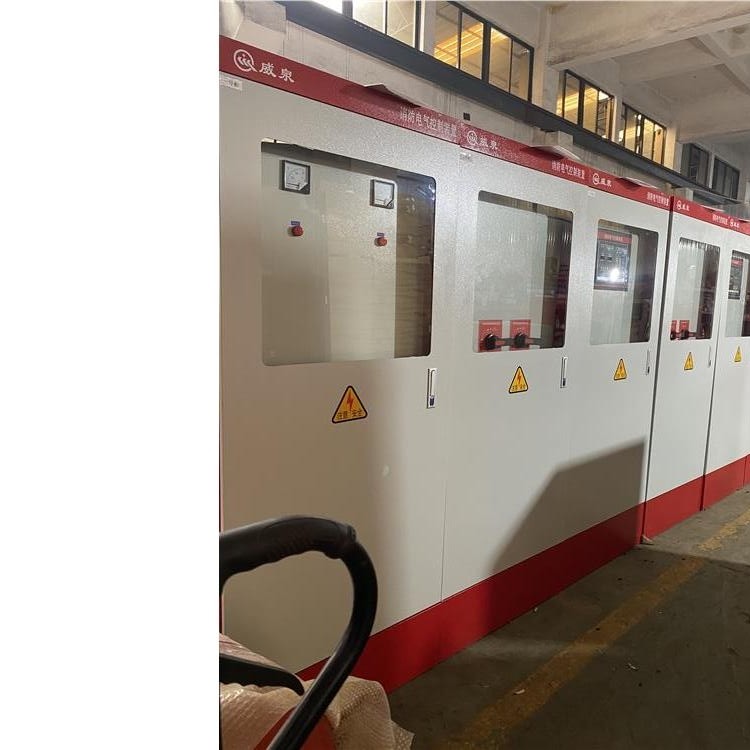
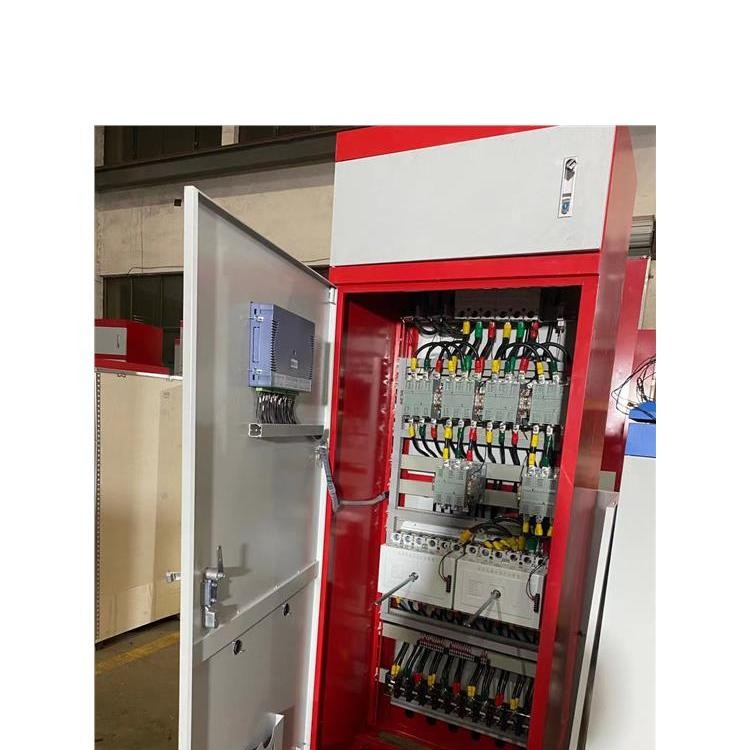
1. For fire control cabinet installation, it can effectively control and extinguish fires, and its installation should be given special attention. However, there are situations where this is not the case, such as when some units' equipment, even the location of the fire control cabinet, is awkward. In such situations, how can we effectively play the role of fire prevention? Some units always place such facilities in corners, and they don't pay much attention to them. Therefore, when a fire occurs, we often can't find such control cabinets.
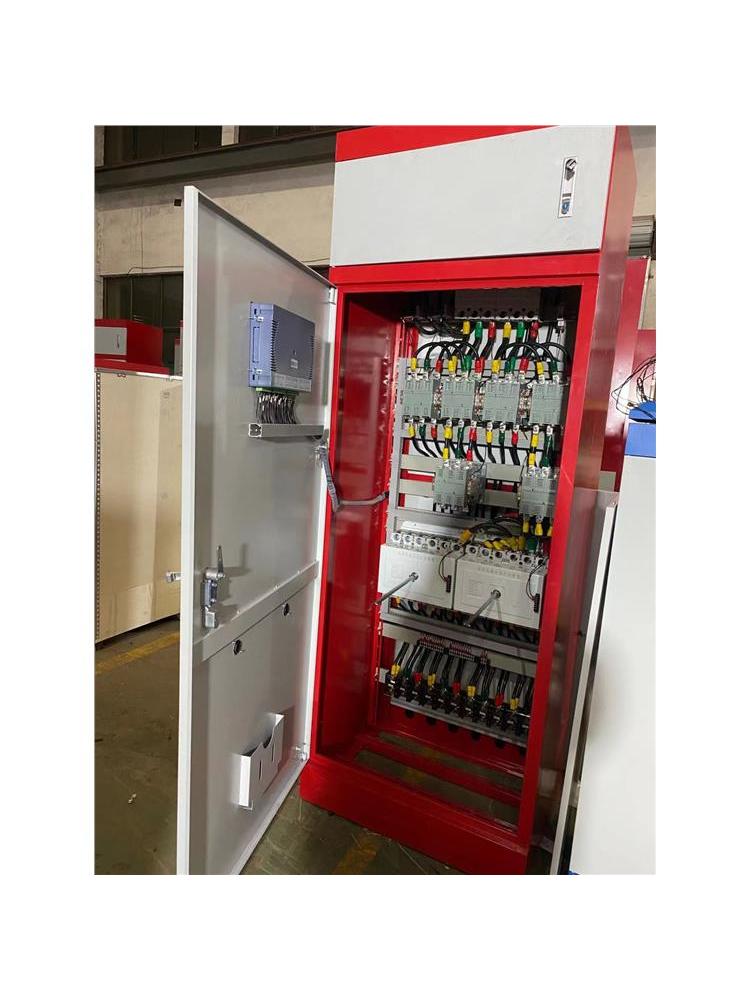
2. Secondly, we need to inspect the corresponding responses for the installation of the control cabinet. If any operations are found to be malfunctioning, it indicates that the installation was not done properly. Such errors are unacceptable. Additionally, we must thoroughly check the internal components to ensure they function normally. Clear instructions for the installation location of the fire control cabinet are also required, to inform people of its specific functions, etc. Detailed operational markings should be provided.
Section 3: Cautionary Notes
During the installation of the fire control cabinet, we must ensure that the installation location is not obstructed. Additionally, the cabinet's functions should operate normally, and the sensitivity should be enhanced. Failure cannot occur. Therefore, after installation, we also need to establish a corresponding maintenance system. Moreover, for those with the condition, spare parts can be installed for added safety.
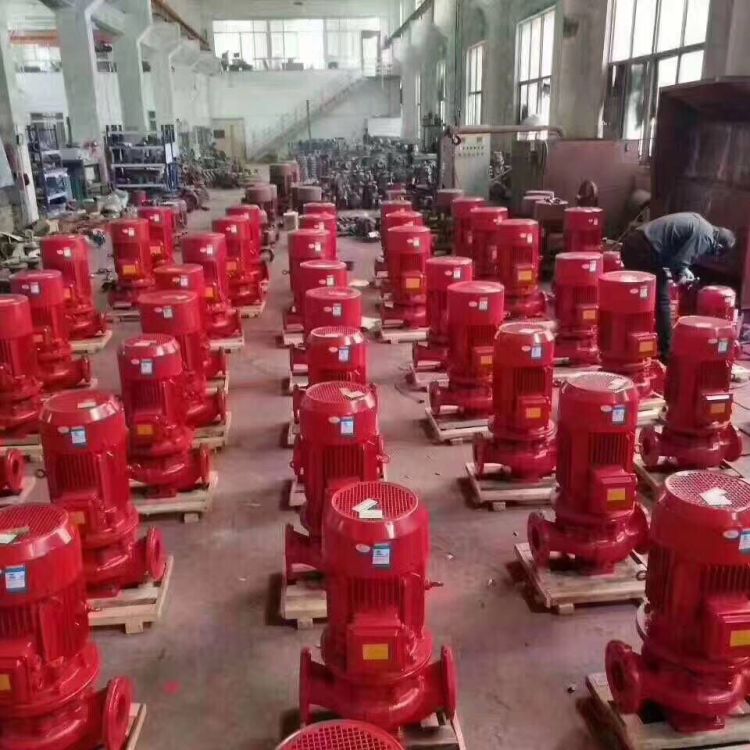
Multiple pump control, stable pipeline pressure, enhanced water supply quality, reduced secondary pollution, high energy-saving efficiency, and capable of an unmanned water supply automatic control system without a tower.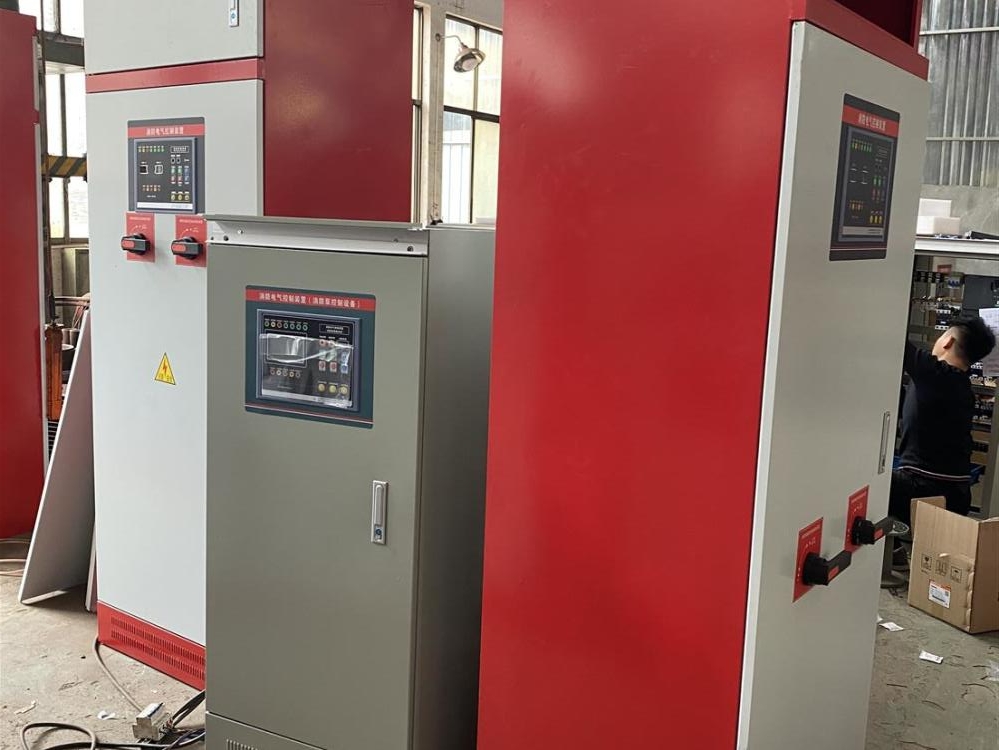
Communication Module
Operating Principle: Once the programmable logic controller is in operation, its process is typically divided into three stages: input sampling, user program execution, and output refresh. Completing these three stages constitutes one scanning cycle. Throughout its operation, the CPU of the programmable logic controller repeatedly executes these three stages at a certain scanning speed.
1. During the input scanning phase, the programmable logic controller sequentially reads all input states and data in a scanning manner, storing them in the corresponding cells within the I/O image area. After the input scanning phase is complete, it transitions to the user program execution and output refresh phase. During these two phases, the states and data of the corresponding cells in the I/O image area do not change even if the input states and data change. Therefore, if the input is a pulse signal, the width of the pulse must be greater than a scan cycle to ensure that the input is always read under any condition.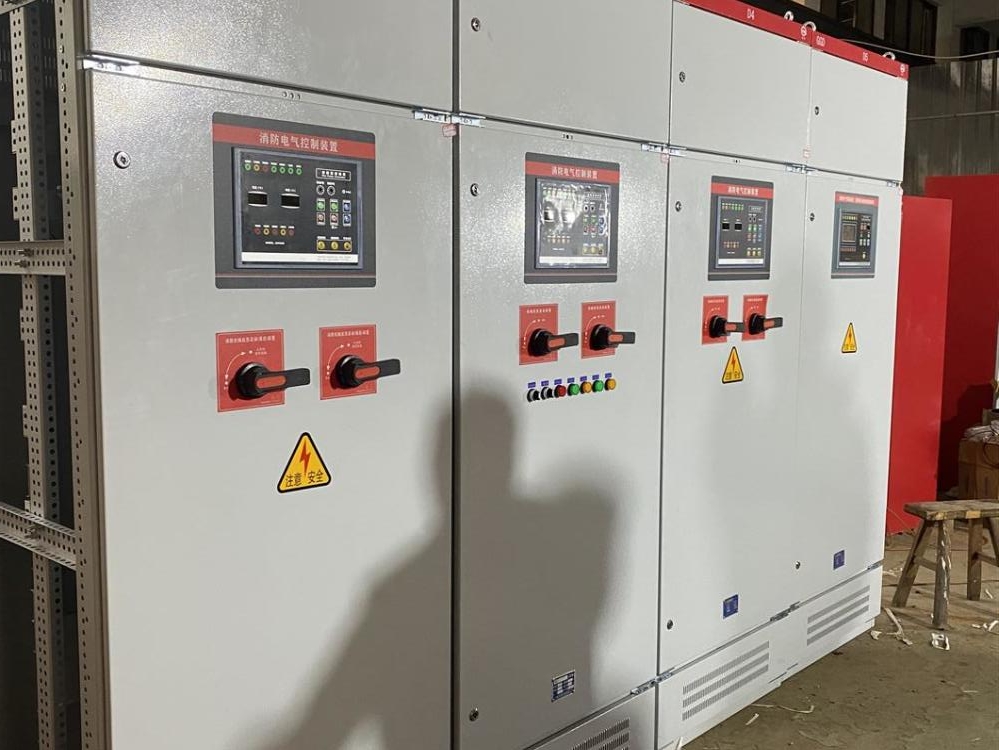
This depends on the engineering requirements. To put it simply, if the project is small, a single integrated PLC might suffice. However, for larger projects, a modular, card-based system might be necessary, along with redundancy (which means two sets alternating in use).
Power Supply
A 24VDC switching power supply. Most PLCs come with a built-in 24VDC power supply. Decide whether to include this switching power supply based on the actual need.
Relay