








Plate Heat Exchanger Introduction:
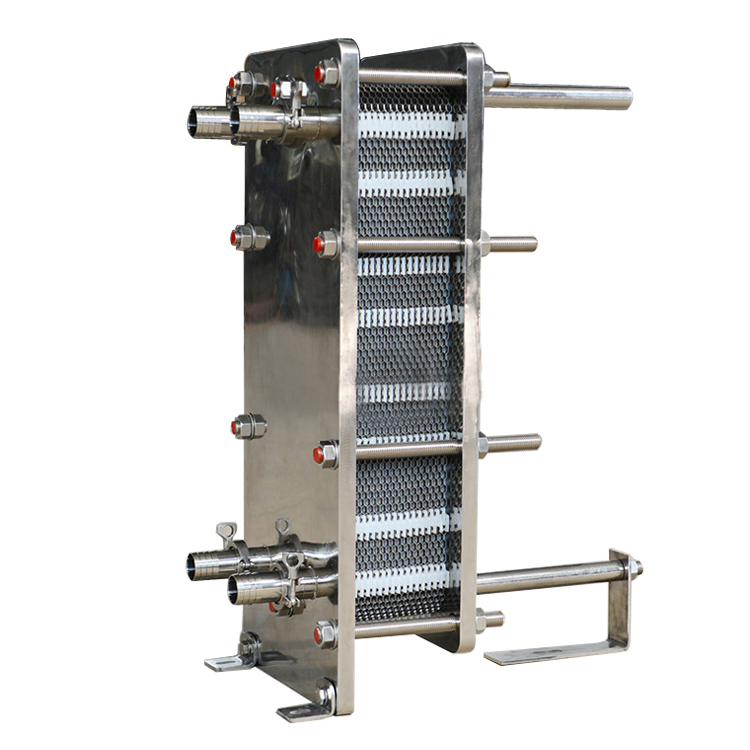
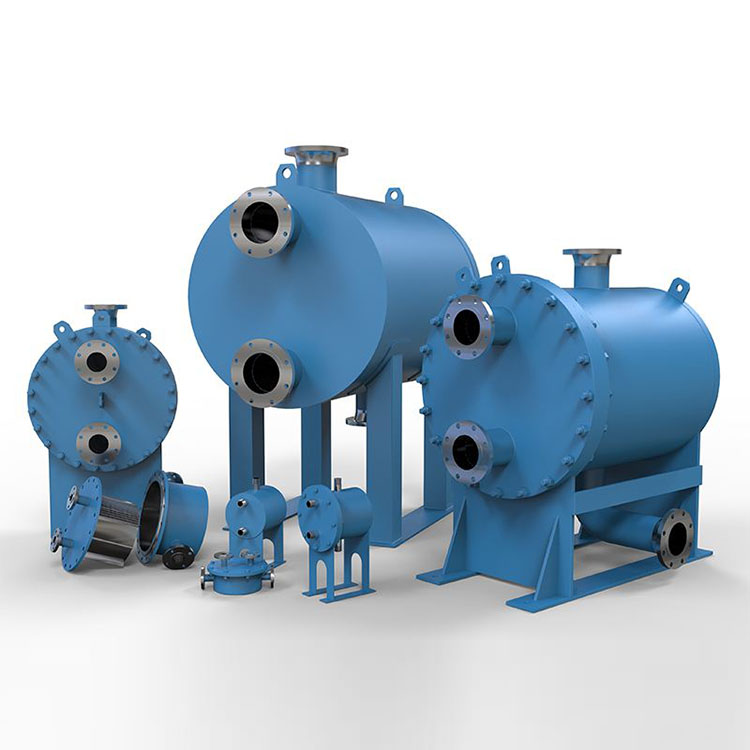
Plate heat exchangers are a type of heat exchanger composed of a series of metal plates with a certain corrugated shape stacked together. The various plates form thin rectangular channels between them, facilitating heat exchange through the plates. Plate heat exchangers are an ideal equipment for liquid-liquid and liquid-vapor heat exchange. They offer high heat exchange efficiency, minimal heat loss, compact and lightweight design, small footprint, wide application, and long service life. Under the same pressure loss, their heat transfer coefficient is 3-5 times higher than that of tube heat exchangers, occupying one-third of the area, and the heat recovery rate can reach over 90%.
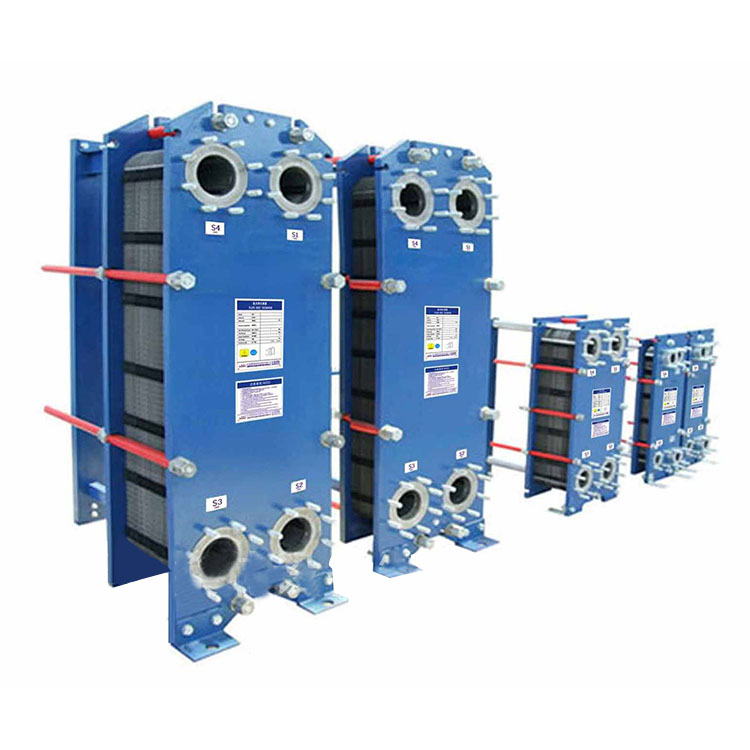
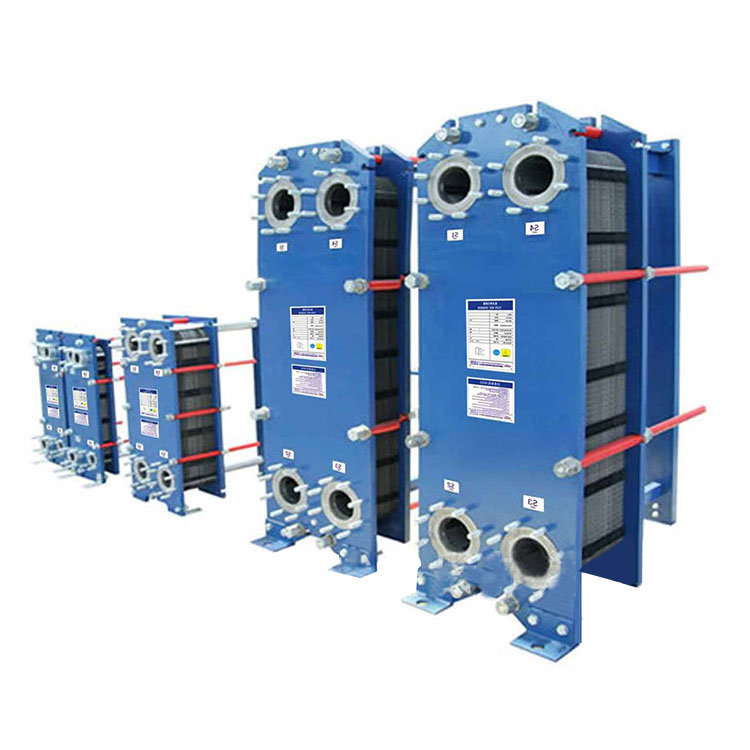
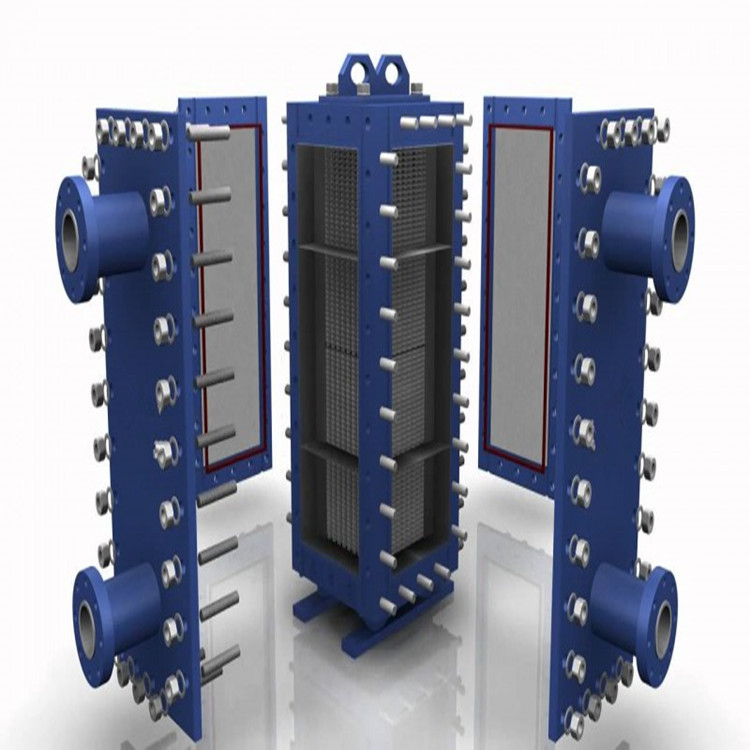
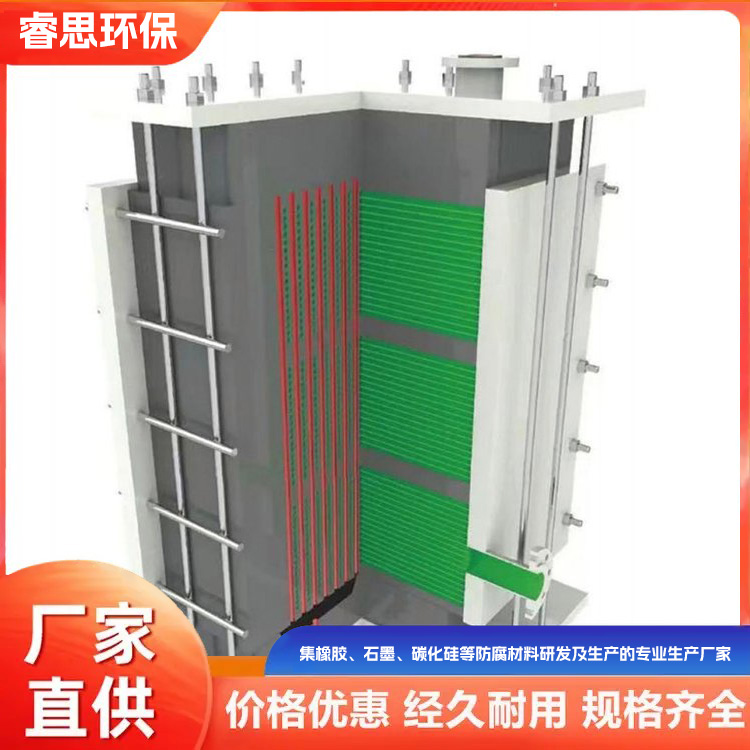
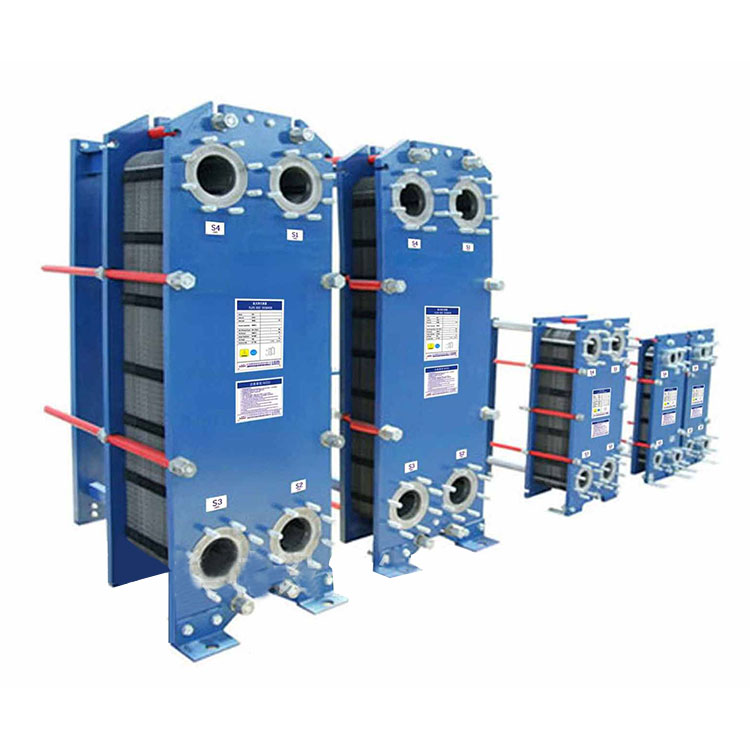
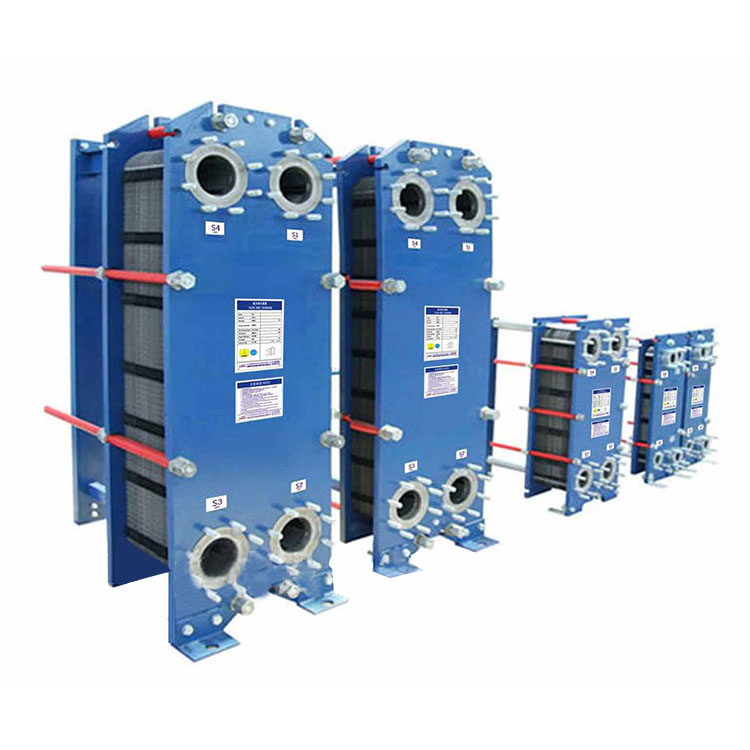
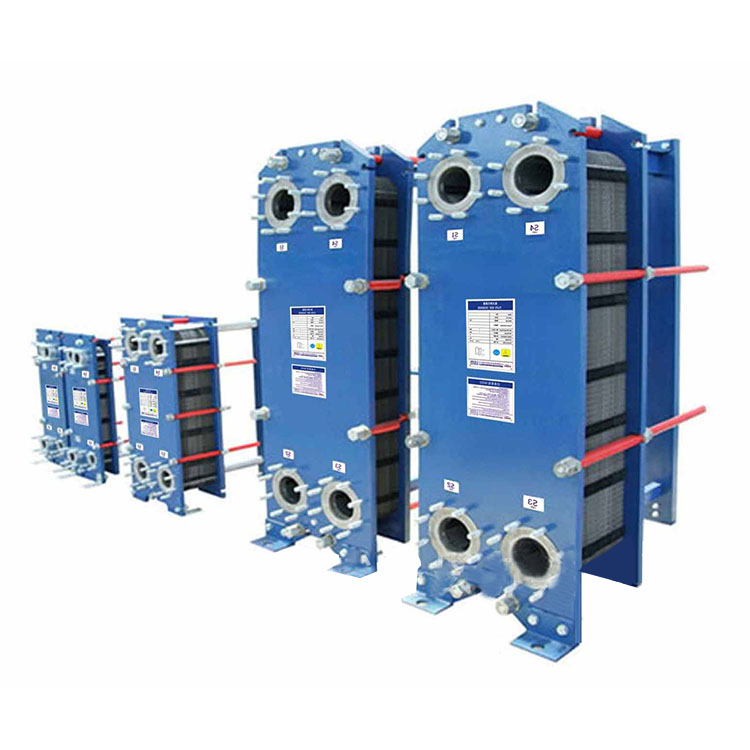
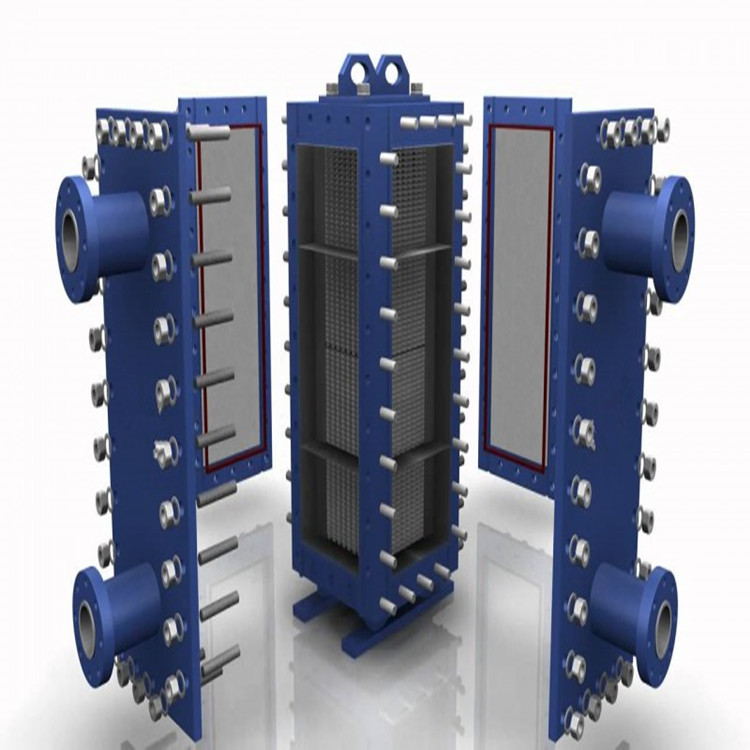
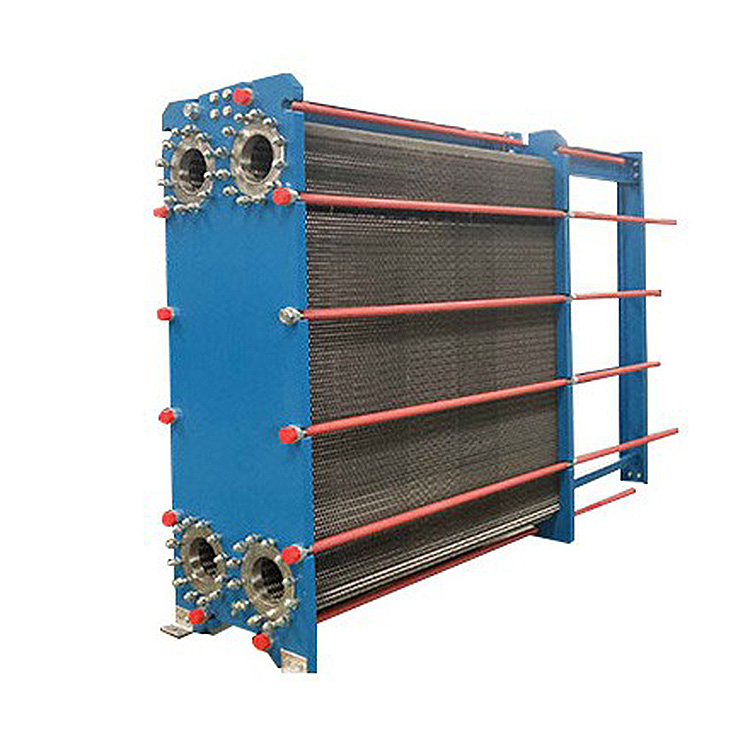
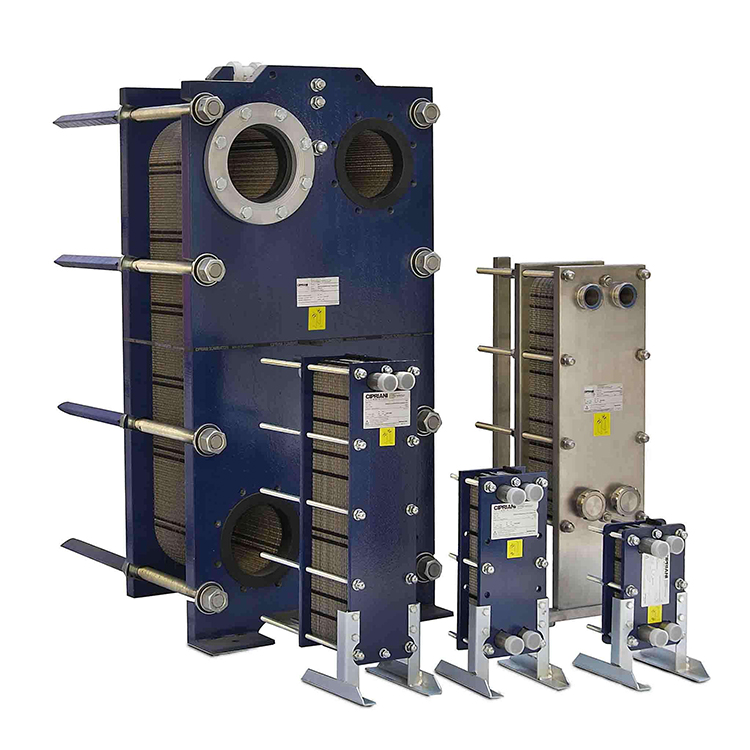
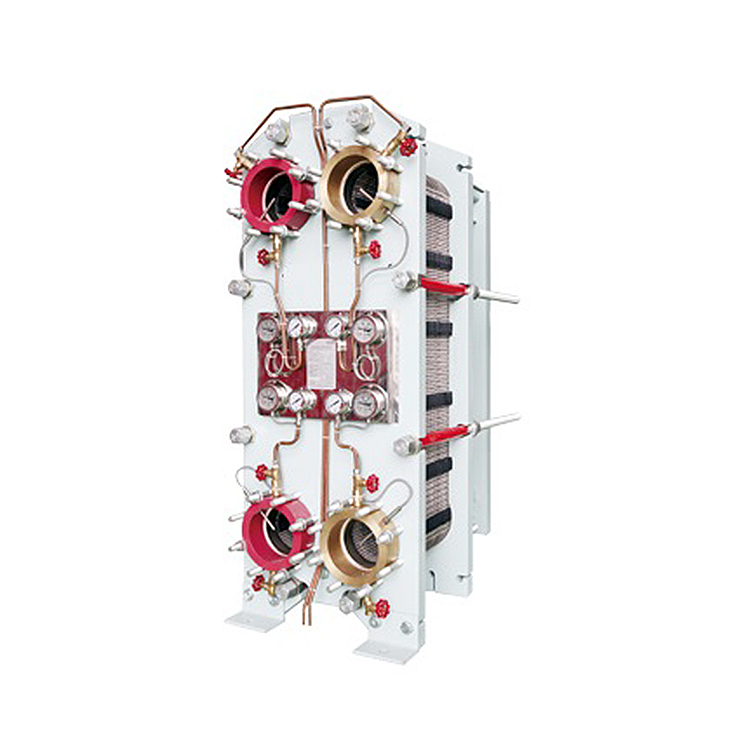
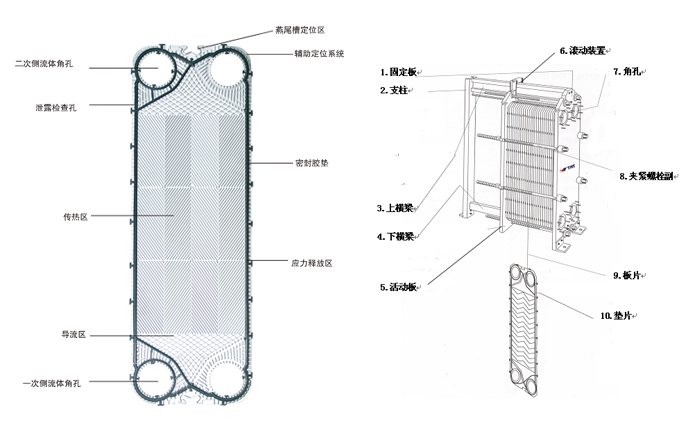
Plate heat exchangers are composed of main components such as frames, heat transfer plate assemblies, and clamping bolts.
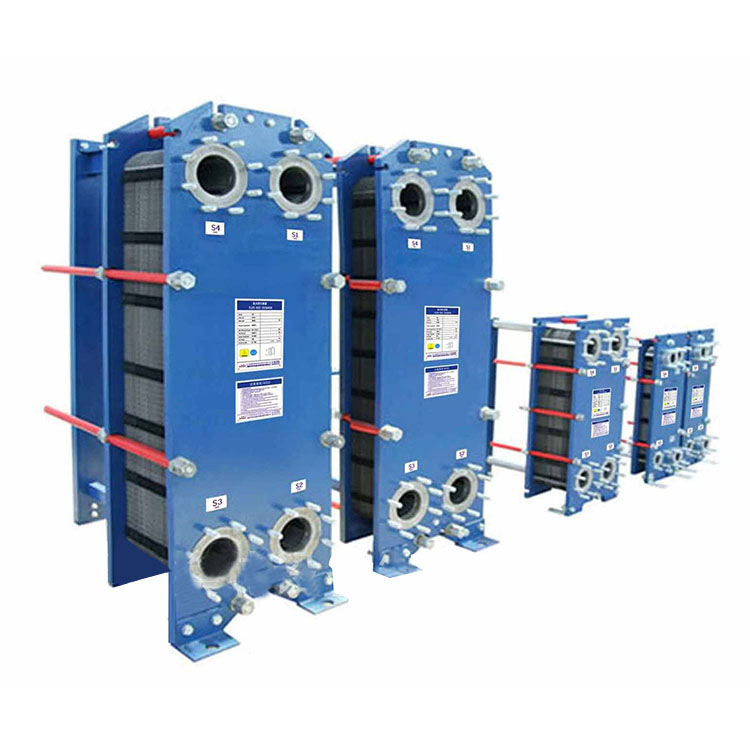
The frame consists of a fixed clamping plate and a movable clamping plate, supported by upper and lower guide rods, with a pillar at the opposite end. Both media enter their respective channels composed of corrugated sheeting through flanges in the fixed (or movable) clamping plates, and after heat exchange, they exit through the flanges in the fixed (or movable) clamping plates. The fixed clamping plate, movable clamping plate, pillar, and guide rods are all made of low-carbon steel. To accommodate various user requirements, the frame is designed in multiple configurations, primarily including double-support frames and commonly used floor-standing types.
Heat transfer plates are one of the core components of plate heat exchangers. The corrugated plates are formed by pressing, and the rational corrugation design increases the effective heat transfer area of the plates, causing turbulence as the fluid flows along the corrugations, thereby enhancing the heat transfer process. Sealant pads are fitted in the sealing grooves of the corrugated plates, designed with a double-sealing structure and featuring signal holes. Different types of adhesives can be selected for the sealant pads depending on the type of fluid and operating temperature.
Main Specifications of Haute Plate Heat Exchangers:
HU, HN, HS, HM Series
Connection Size: DN32 - DN500
Maximum design flow: 4500 m³/h
Maximum Heat Load: 60 MW
Logarithmic mean temperature difference: 0.5~1.0℃
Sheet thickness: 0.4, 0.5, 0.6, 0.7 mm
Maximum Design Pressure: 3.5 MPa
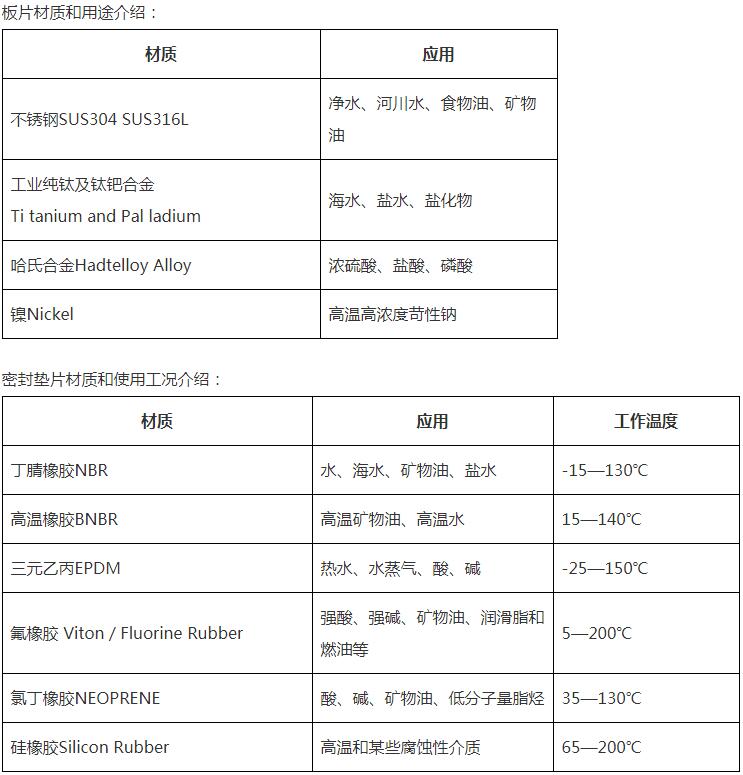
Application Areas: Steel, Power Generation, Non-Ferrous Metals, Oils, Chemical Industry, Shipping, HVAC, Refrigeration, Emulsions, Beer, Beverages, Central Heating, etc., for rubber pads materials: NBR, HNBR, EPDM, HEPDM, VITON
Sheet Materials: Stainless Steel 304, 316, 316L, Titanium, Hastelloy, Nickel and Molybdenum, SMO254 Houghton removable gasketed heat exchangers main features:
- The improved flow channel evenly distributes fluid flow across the plate - Standard roof gasket, with anti-leak pad design, significantly extends the gasket's lifespan - The plate size and angle design combinations maximize pressure drop utilization - Non-stick buckle-style sealing gasket
Eliminated dirt accumulation zones
- More attachments for selection
- The design of the corrugation and channels generates intense turbulence and a high heat transfer coefficient. - The self-locking mechanism at the corners of the plate ensures no misalignment.
Technical Advantages and Design Philosophy of Plate Heat Exchangers:
*High thermal conductivity: The special corrugated design on the heat transfer plate allows for strong turbulence in low flow velocities, and the self-cleaning effect of the turbulence prevents the formation of dirt, resulting in a thermal conductivity of 3-5 times that of shell-and-tube heat exchangers.
*Economic Efficiency: Comparatively to shell-and-tube heat exchangers with the same heat exchange capacity, it offers lower investment, operating, and maintenance costs.
*Adjustability: Simply add or remove panels to accommodate changes in the process.
* Compact Structure: Only occupies 1/2 to 1/3 of the space of a tube-and-shell heat exchanger for the same heat exchange capacity.
*Easy to clean and maintain.
*Sheet metal gaskets can be used with a non-adhesive hook form, reducing operation and maintenance costs and facilitating repairs.
Application Fields:
(1) Steam Condensation Usage: Designed specifically for steam condensation under vacuum conditions. The application scope of this series includes: bioethanol, sugar, and small power stations.
(2) HVAC: Widely used in the HVAC field due to its excellent heat exchange effect. Has reached the same technical standards as AHRI certification, ensuring superior performance.
(3) Series of Membrane Evaporator Plates: Primarily used in sugar refining, sweetener, bio-ethanol, and corrosive agent evaporation systems. Also serves as a thermosyphon reboiler.
(4) Food Safety Applications: Suitable for dairy products, food, beverages, and other hygiene applications.
(5) Industrial Series: Suitable for various types of industrial operations, including shipbuilding, power, chemical, and oil and fat cooling and heating.