








I. Usage:
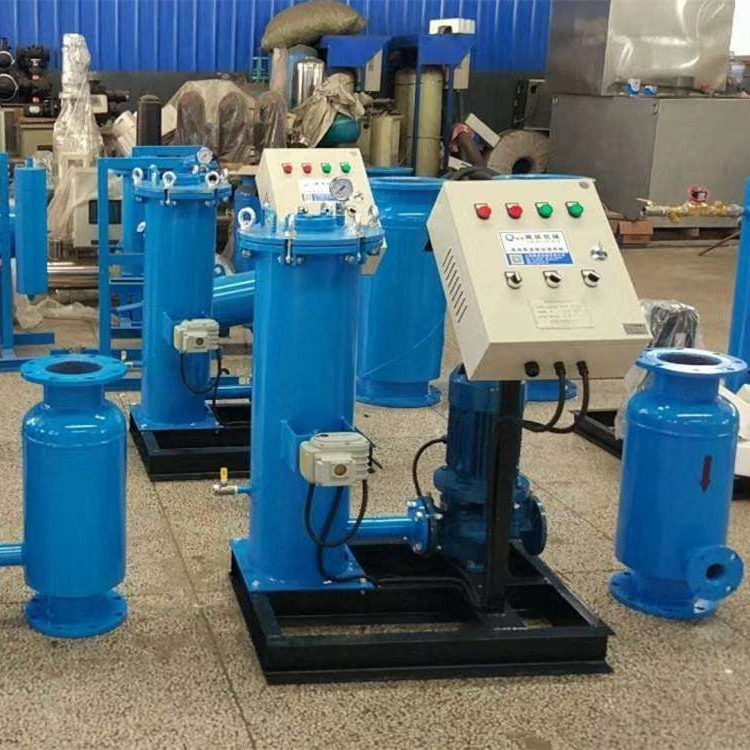
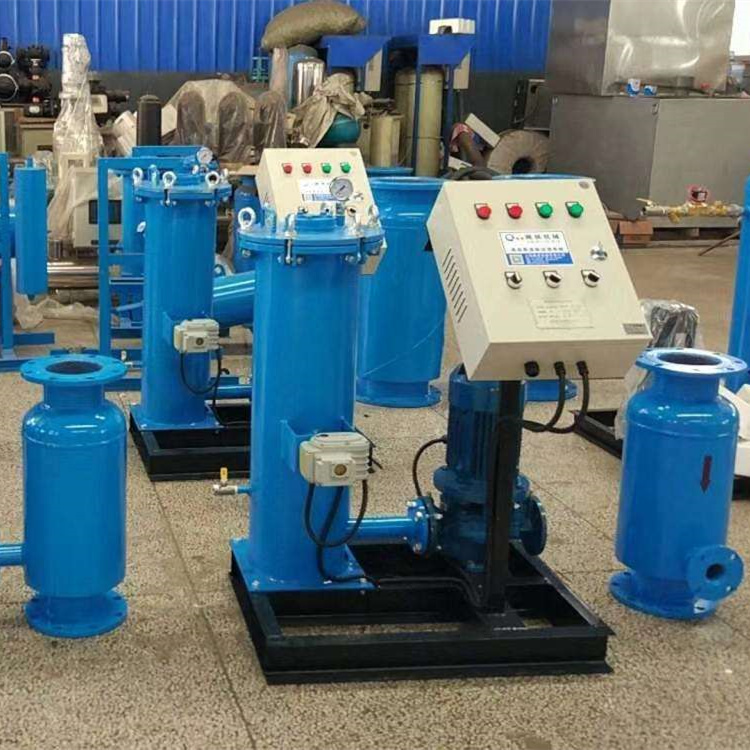
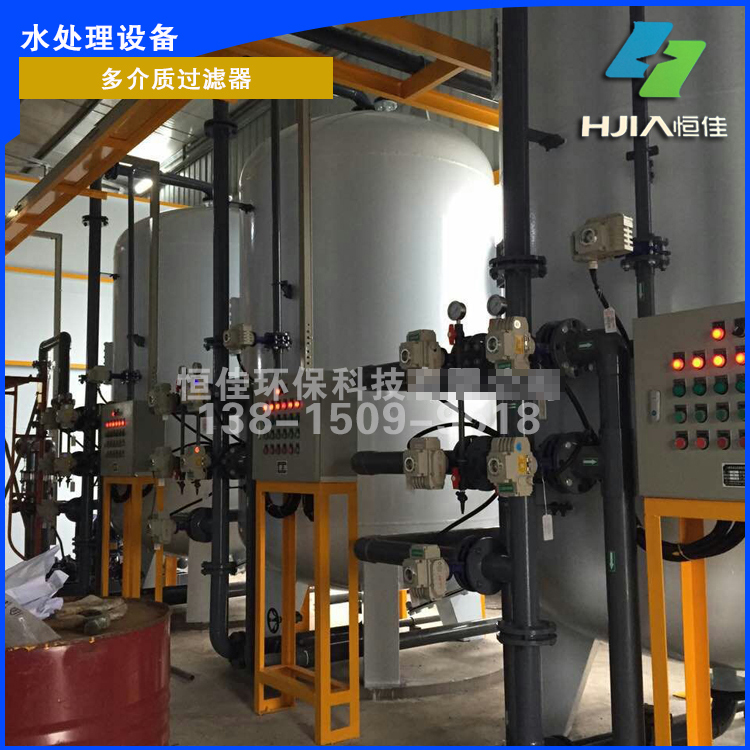
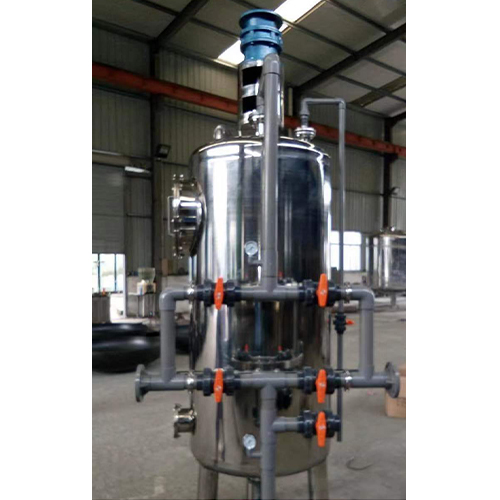
The ball cleaner is a device used to effectively clean the condenser tubes of a steam turbine generator set during operation. The performance of this device directly impacts the cleanliness of the condenser and its heat transfer efficiency. It is an indispensable piece of equipment for enhancing the economic efficiency of the power plant and ensuring the safe operation of the condenser.
II. Advantages:
1. Innovative and rational structural design
2. Easy to operate
3. High rubber ball recovery rate (≥96%).
4. The secondary filter has strong filtration capabilities. (Available in horizontal or vertical, manual or electric models).
III. Working Principle:
Select the appropriate sponge rubber balls, with the wet-state diameter slightly larger than the cooling tube inner diameter (about 1-2mm) and having a wet-state specific gravity similar to water. Place the rubber balls into the ball room, with a quantity approximately 10% of the condenser's incoming water chamber copper tube count. Then, start the rubber ball pump, open the ball valves at both ends of the system. The rubber balls will be propelled into the condenser water chamber by the slightly higher water pressure at the water intake. As the rubber balls are soft, elastic, and porous, under the pressure difference at the water intake, they are compressed through the cooling tubes, scraping the inner diameter and removing dirt along with the water flow. The balls then enter the collection net via the outlet pipe, where they are separated by the net plates and extracted by the rubber ball pump back into the ball room. This process is repeated continuously for a continuous automatic cleaning of the condenser cooling tubes.
IV. Main Component Specifications and Selection Chart:
1. Catch Net
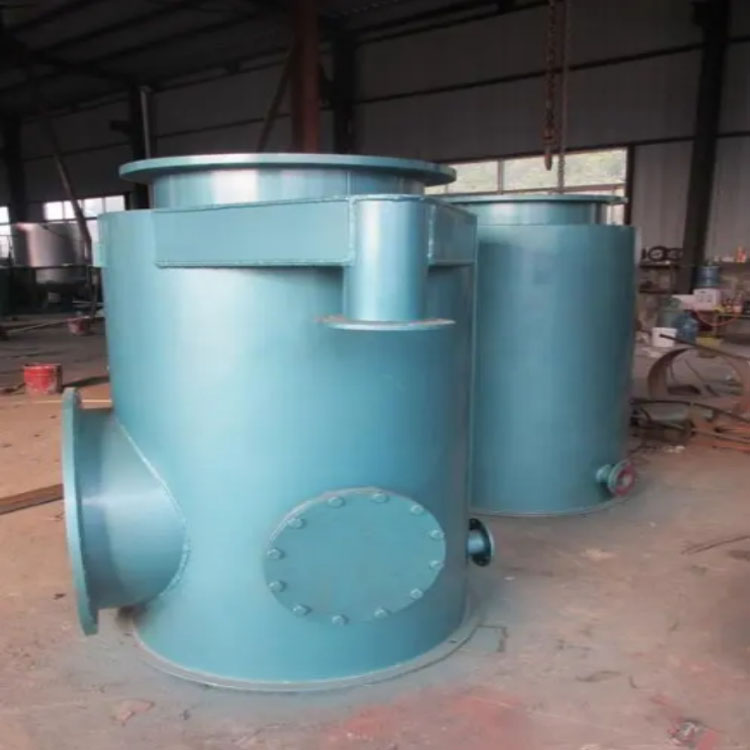
The ball collection net is a key piece of equipment in the rubber ball cleaning system. Its function is to separate rubber balls from the cooling water, ensuring no balls are lost or jammed. The ball collection net is installed on the outlet section of the cooling water pipe. As water carrying rubber balls flows out of the condenser, the balls are collected through the net and extracted through an outlet pipe. The grid plate of the ball collection net can rotate. During the circulation of rubber balls, the plate is positioned for "ball collection." When rubber ball cleaning is not in operation, the plate is positioned for "backflushing," allowing debris on the plate to be washed away by water while also reducing the water resistance of the plate. The operation and positioning of the plate are ensured by an electric actuator (for small ball collection nets, manual operation is used).
XSD Type Ball Catching Net

Advantages of the new ball collector net include: rational load distribution, high density; low water resistance, non-deformed mesh; stable transmission mechanism, zero maintenance; innovative design, low energy consumption, and environmental protection; the ball collection rate consistently remains above 98%.
(2) XSF Type Catching Net

2. Secondary Filter:
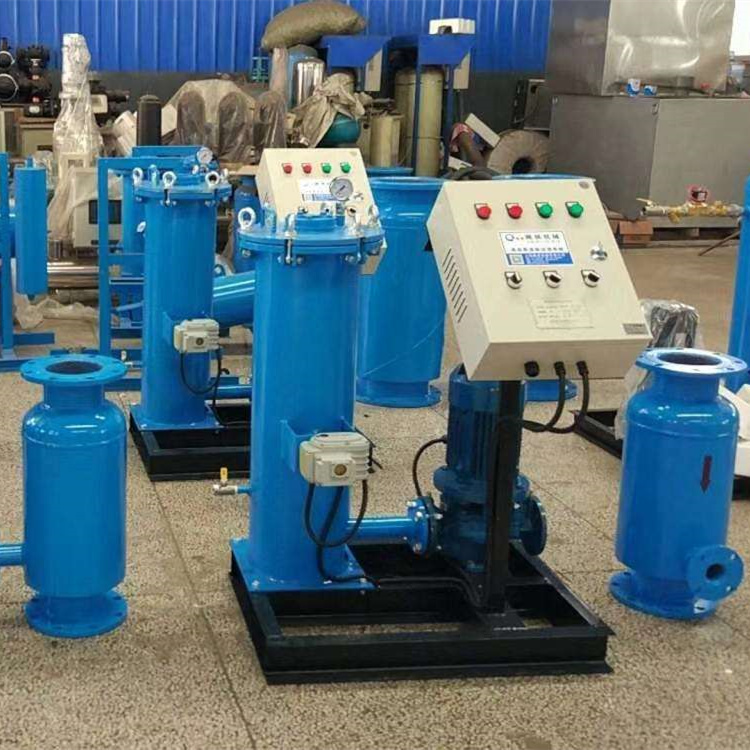
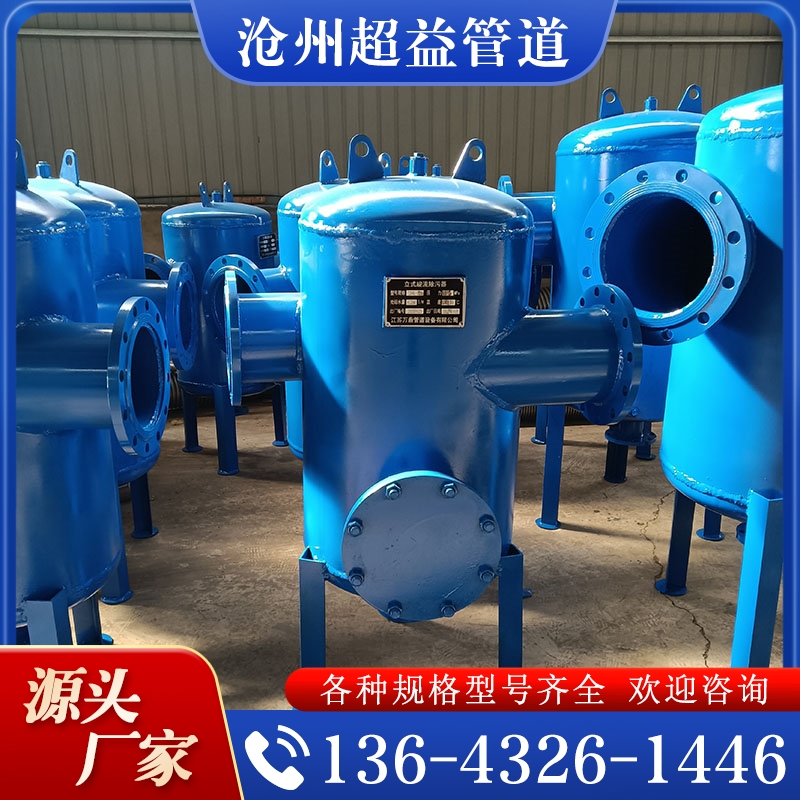
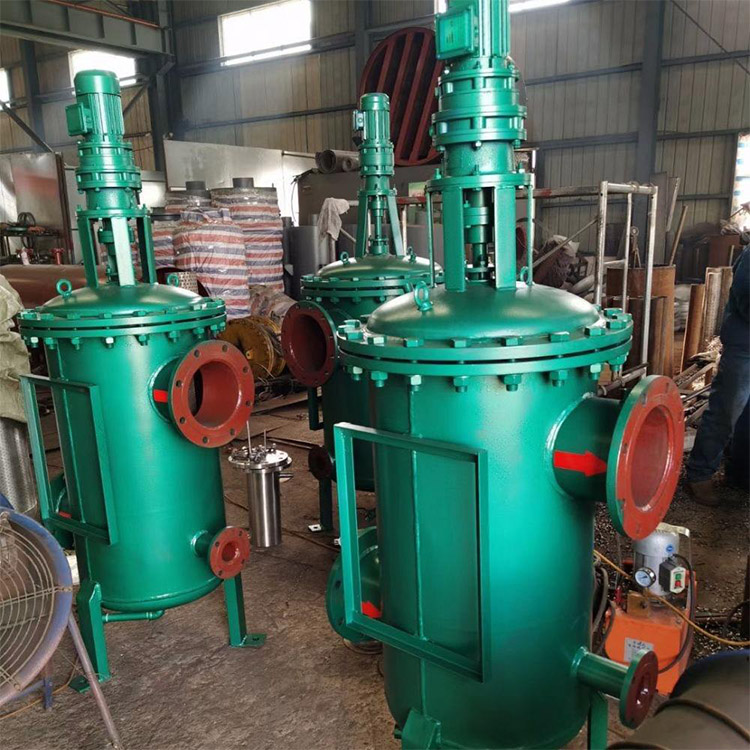
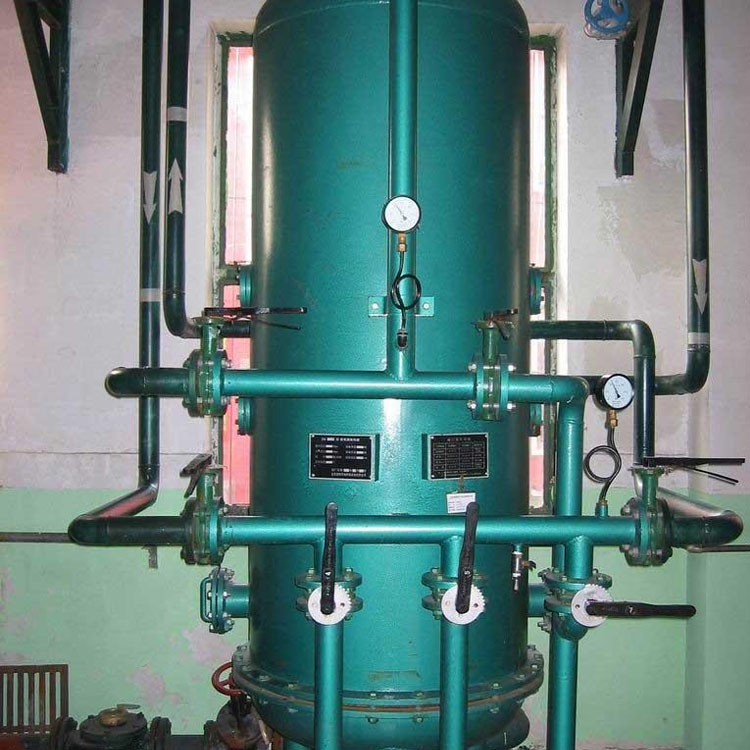
As cooling water mixed with debris flows through the system, the debris is blocked by the small-pore filter mesh on the upstream side of the mesh. The cooling water is purified through the small holes and then enters the condenser. The backwashing device in the filter and the drain valve work together for backwashing, with the water flow reversing. The debris caught on the upstream side is flushed off by the water flow, escaping through the mesh and being discharged via the drain valve. As long as the purification filter mesh continues to operate, the cooling water entering the condenser will always be clean, and the resistance of the filter will not increase.
Secondary Filter Model
WED Type Secondary Filter Mesh, FED Type Secondary Filter Mesh (Bottom In, Top Out), XGD Type Secondary Filter Mesh (Lateral)
WED Type Secondary Filter Mesh
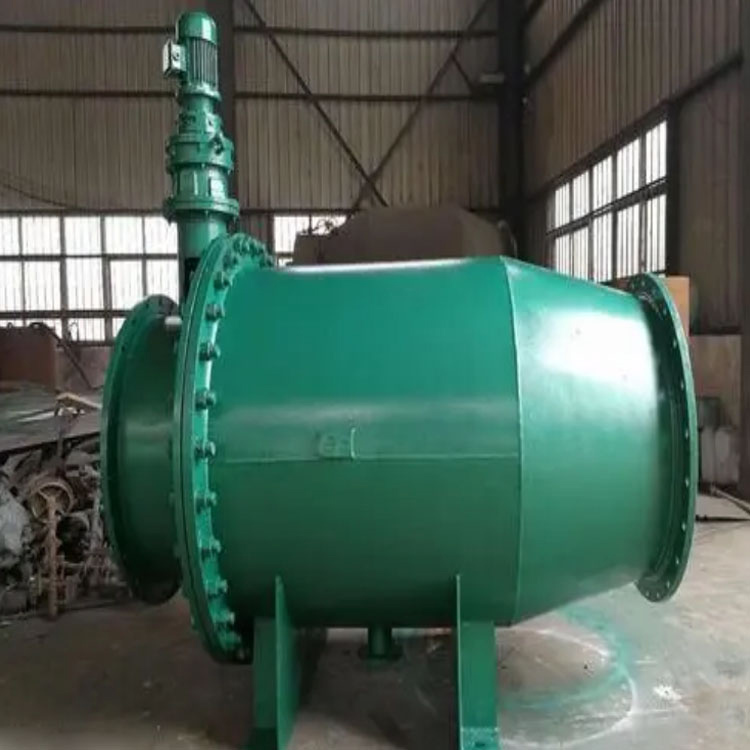
This product series features an external rotating secondary filter with a butterfly valve. The cooling water flows from the outer to the inner side of the core, guided by the butterfly valve, creating a rotational flow around the secondary filter's outer perimeter. This action washes debris from the core down and out through the drain pipe.

WE Type Secondary Filter Mesh Dimensions


FED Type Secondary Filter
The FED type secondary filter has a compact design and flexible operation. It can adjust the size of the filter mesh according to different applications. It self-backwashes to separate solids exceeding the specified limit from the water flow, with excellent backwashing performance. It can quickly discharge the separated debris. Local mesh backwashing causes minimal disturbance to the overall flow, ensuring stable water supply. The backwashing operation is automatically controlled by time difference and differential pressure gauges, promptly removing separated debris.

LXD Type Secondary Filter
The LXD vertical secondary filter has a compact size and flexible operation. It can adjust the mesh size of the filter according to different applications. It automatically backwashes to separate solids exceeding the specified limit from the water flow, ensuring excellent backwashing performance and stable water quality. Backwashing can be automatically controlled by time or differential pressure to timely discharge debris.

XGD Type Secondary Filter (Horizontal)


4. Spherical ball pump
The rubber ball pump is the power source that continuously circulates the rubber balls in the rubber ball cleaning system. The dense ball flow extracted from the ball collection net is pressurized after passing through the rubber ball pump and sent into the cooling water pipes. This pump is an obstacle-free centrifugal pump, featuring non-blocking, non-damaging balls, and minimal wear on the rubber balls. Depending on different operating conditions, rubber ball pumps with different parameter specifications are selected. It is recommended to choose a pump with a higher lift to ensure the normal recovery of the balls.
5. Programmed cabinet
The controlled cabinet is a gel ball cleaning equipment, utilizing a PLC programmable controller for automatic and manual control functions. Features switch input module DⅠ and switch output D0. Grouped according to process flow and equipment requirements, primarily controlling the equipment via level and pH signals. The operation and standby status of each equipment are sent to the control panel for display. The PLC is responsible for point collection, loop control, and interlock program control. Ensures more accurate and precise detection, guaranteeing the recovery efficiency of the balls. Equipped with remote control capabilities.

6. Separator valve
A diverter valve is a three-way (pipe) valve. By switching the guide plate, the ball can enter the condenser side that requires cleaning. It can also be used as a three-way pipe for the convergence of the ball collection net outlet pipe and the分流 of the ball receiving pipe.