








Product Working Principle
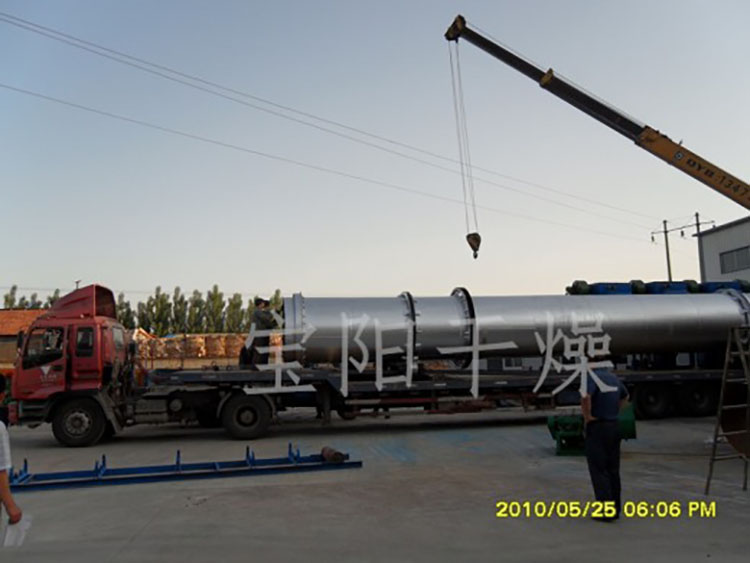
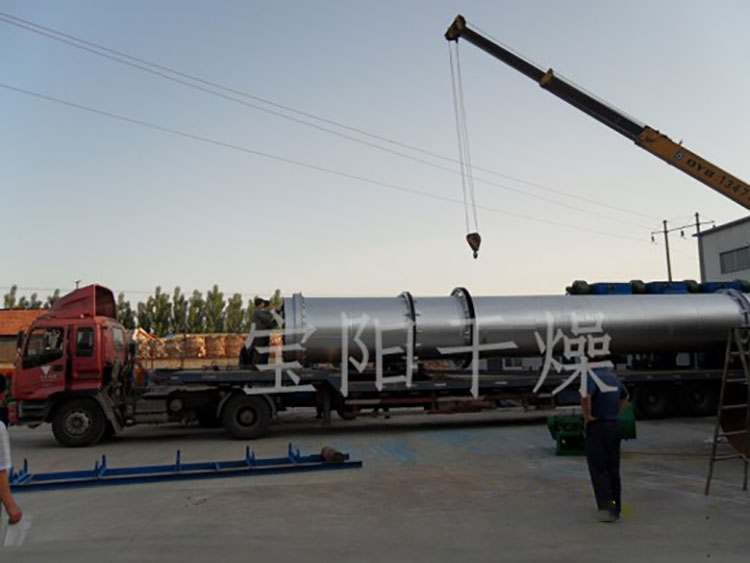
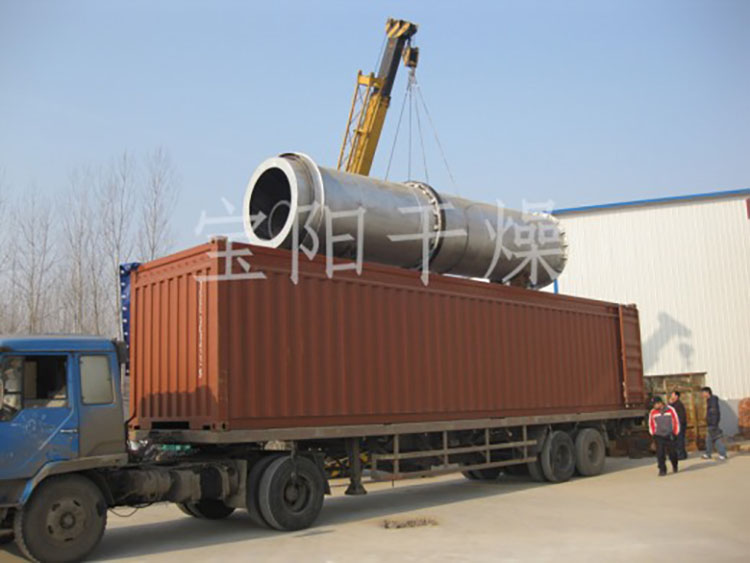
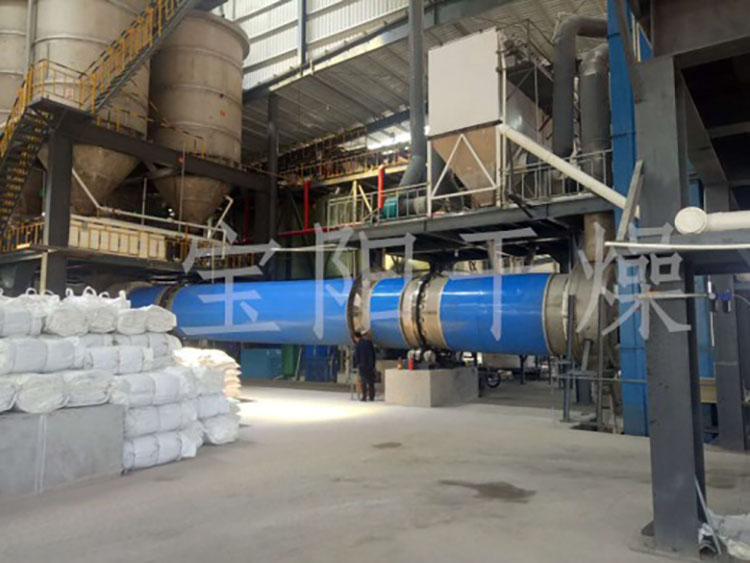
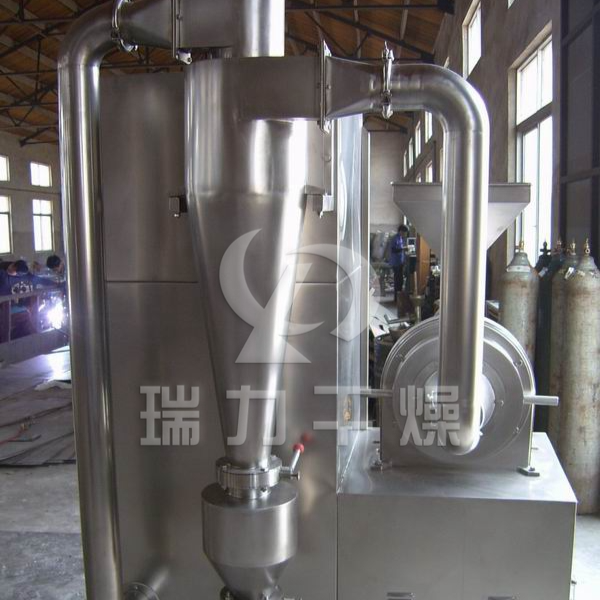
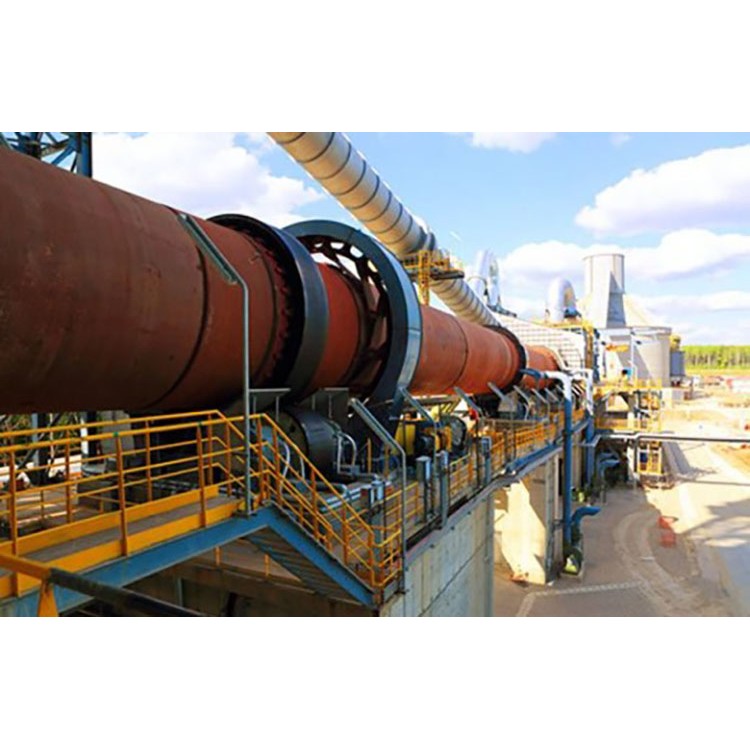
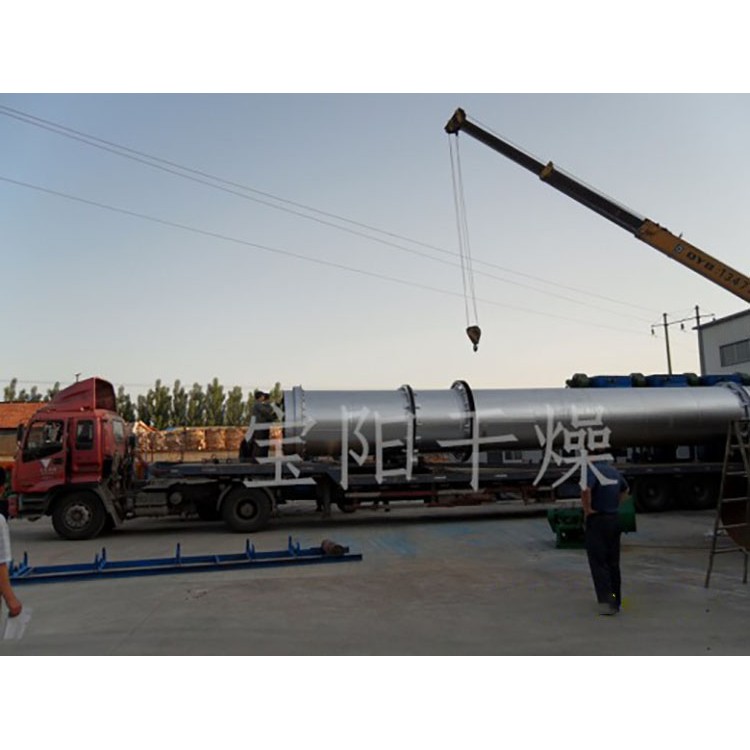
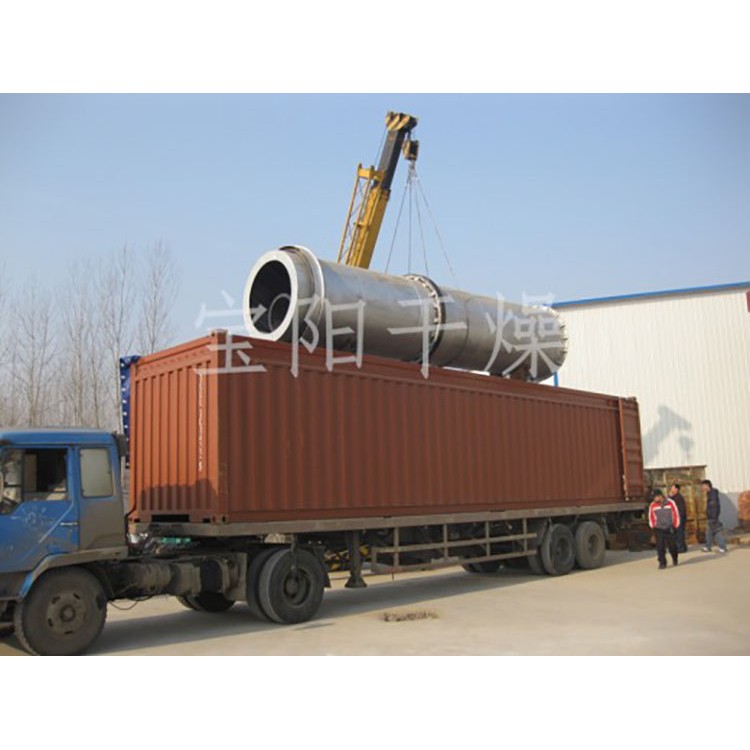
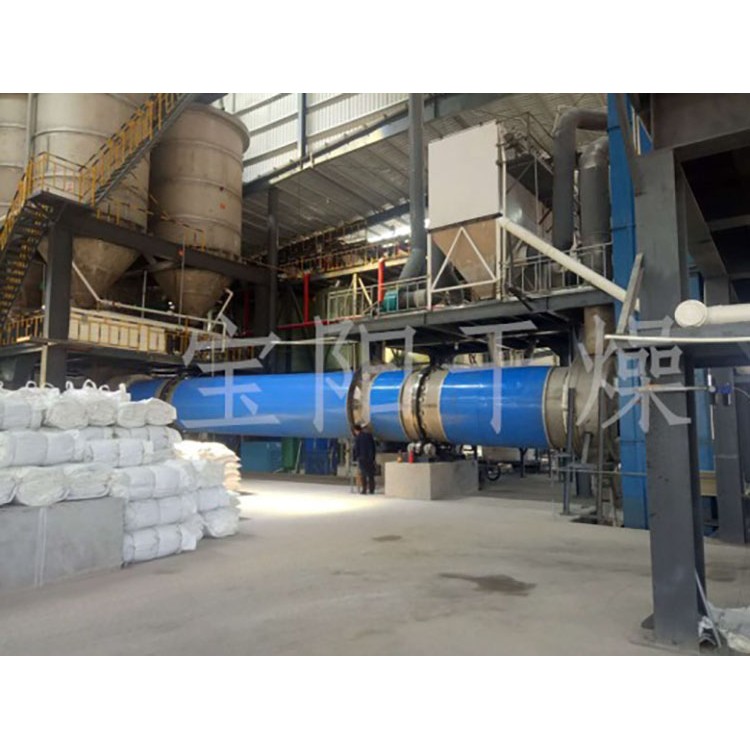
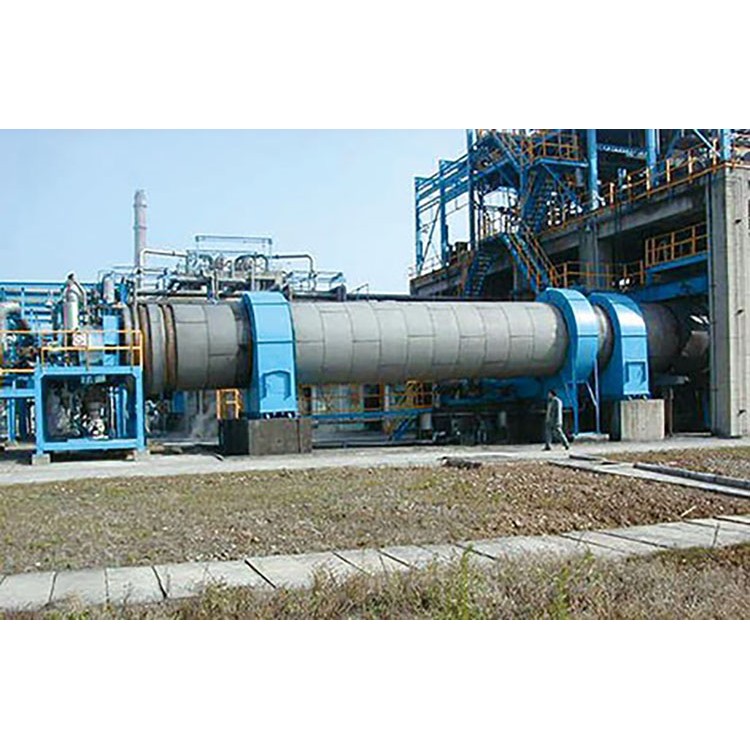
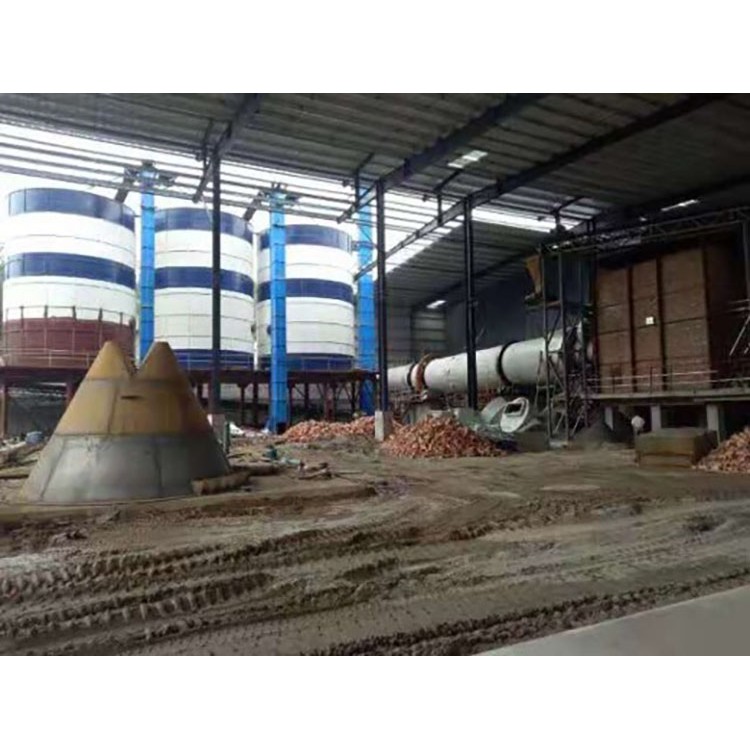
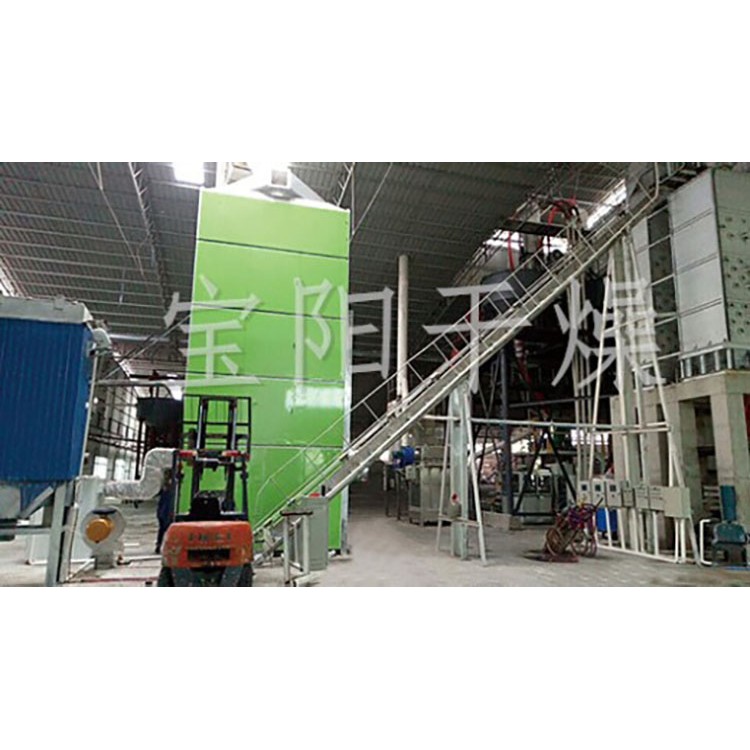
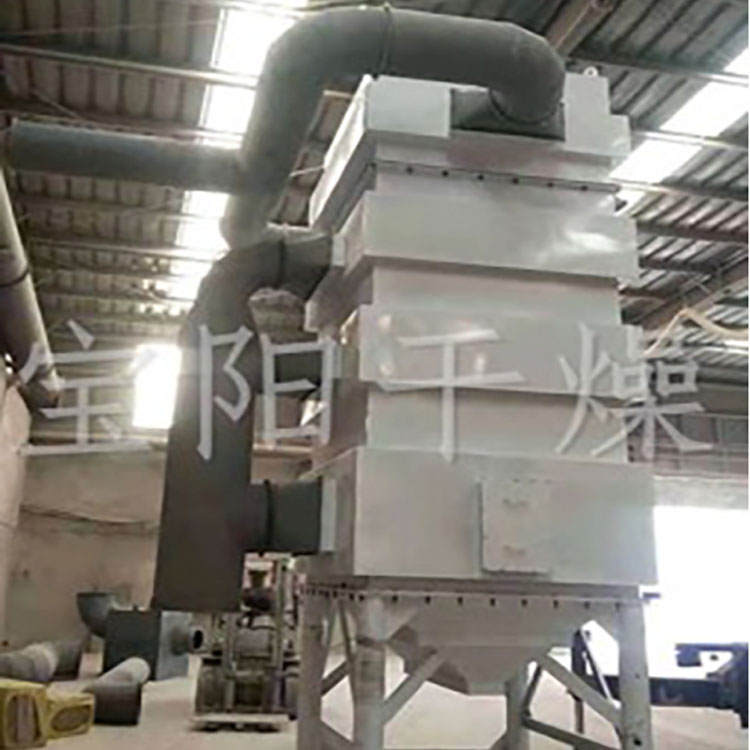
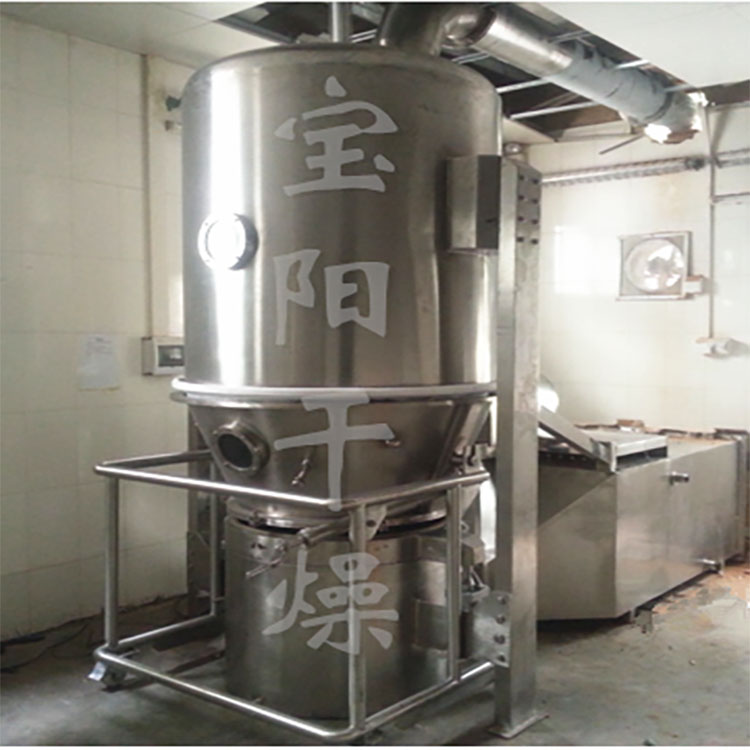
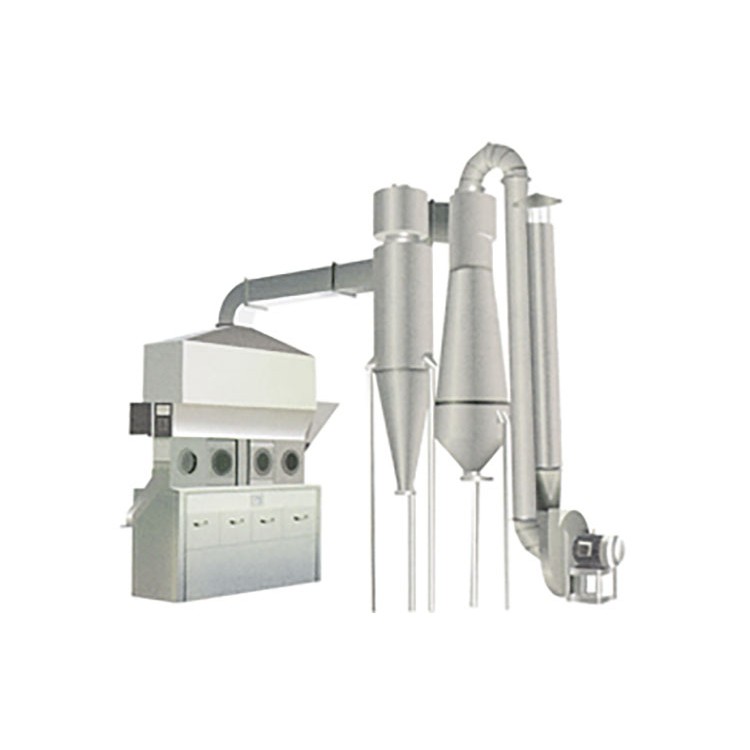
Structure: The drum dryer consists of the following components: 1. Drum body; 2. Front roller ring; 3. Rear roller ring; 4. Gear; 5. Stop roller; 6. Drag roller; 7. Small gear; 8. Discharge section; 9. Distributing plate; 10. Reducer; 11. Motor; 12. Hot air duct; 13. Infeed chute; 14. Furnace body, etc. Additionally, we can design gas generator, combustion chamber, or配套 hoists, belt conveyors, feeders, cyclone dust collectors, induced draft fans, etc. according to customer requirements.
(Dryer Working Principle: The wet material to be dried is conveyed to the hopper by a belt conveyor or a bucket elevator, then it is fed into the dryer end through the feeding pipe by the hopper feeder. The slope of the feeding pipe must be greater than the natural angle of repose of the material to ensure smooth flow into the dryer. The dryer drum is a rotating drum slightly inclined from the horizontal line. Material is added from the higher end, while the heat carrier enters from the lower end, flowing against the material. There is also a situation where the heat carrier and material flow into the drum simultaneously. As the drum rotates, the material moves to the lower end under the force of gravity. During its forward movement inside the drum, the wet material is heated directly or indirectly by the heat carrier, achieving drying. Then, it is discharged through a belt conveyor or a spiral conveyor at the discharge end. Scrapers are mounted on the inner wall of the drum to lift and sprinkle the material, increasing the contact surface between the material and the air flow, enhancing the drying rate and promoting material movement. Heat carriers are generally classified as hot air, flue gas, etc. After passing through the dryer, the gas is typically captured by a cyclone separator to remove the carried material. To further reduce the dust content in the exhaust gas, it should pass through a bag filter or a wet scrubber before being emitted.)
Product Performance Features
High production capacity with continuous operation capability; simple structure with minimal failures, easy operation, and low maintenance costs; wide application range for drying powdery, granular, strip, and block materials; high operational flexibility allows for significant fluctuations in product output without affecting quality; easy to clean.
Product Application Range
Minerals: Fluorite powder, quartz sand, graphite, magnesium salts, garnet, barite, potassium-sodium feldspar, mica powder, slag, bentonite, zinc slag, clay, titanium concentrate, coal slime, manganese ore, pyrite, limestone, river sand, anthracite, iron ore concentrate, etc.
Chemical Industry: Sulfuric acid anhydride, sodium sulfide, Angelite powder, urea, oxalic acid, potassium dichromate, phosphorus nitrate fertilizer, calcium magnesium phosphate fertilizer, compound fertilizer.
It: Corn bran, soybean meal, cassava pulp, waste abrasives, matchsticks, wood chips, distiller's grains, feed, etc.