








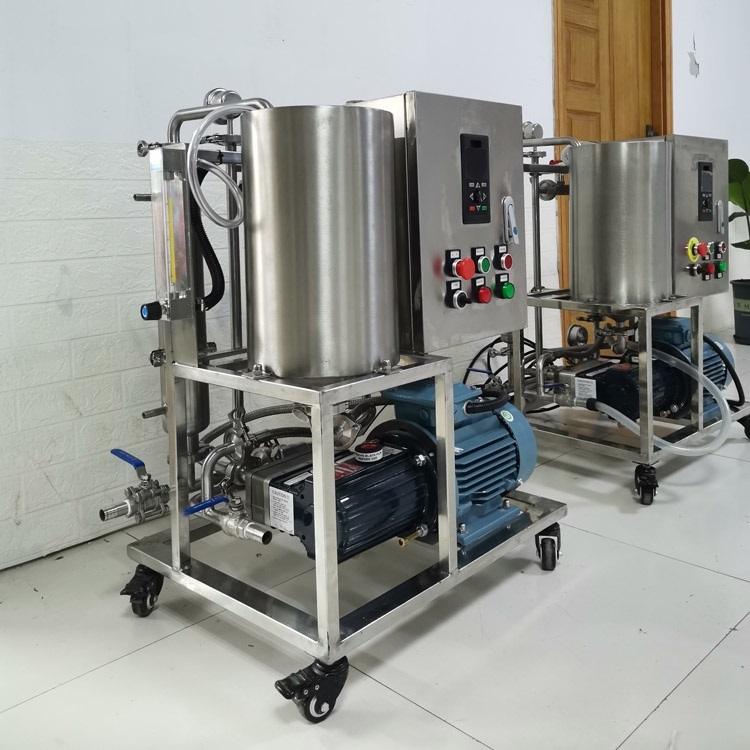
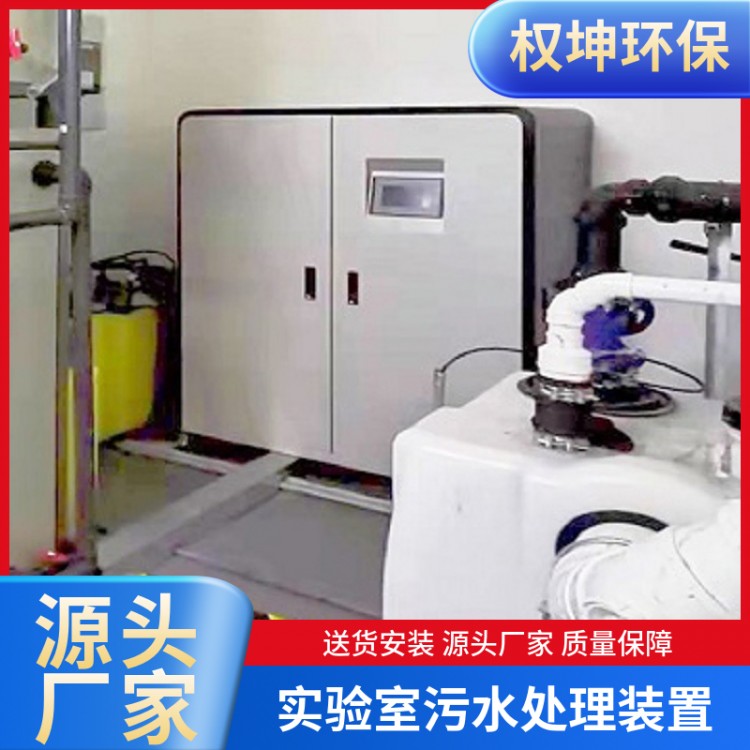
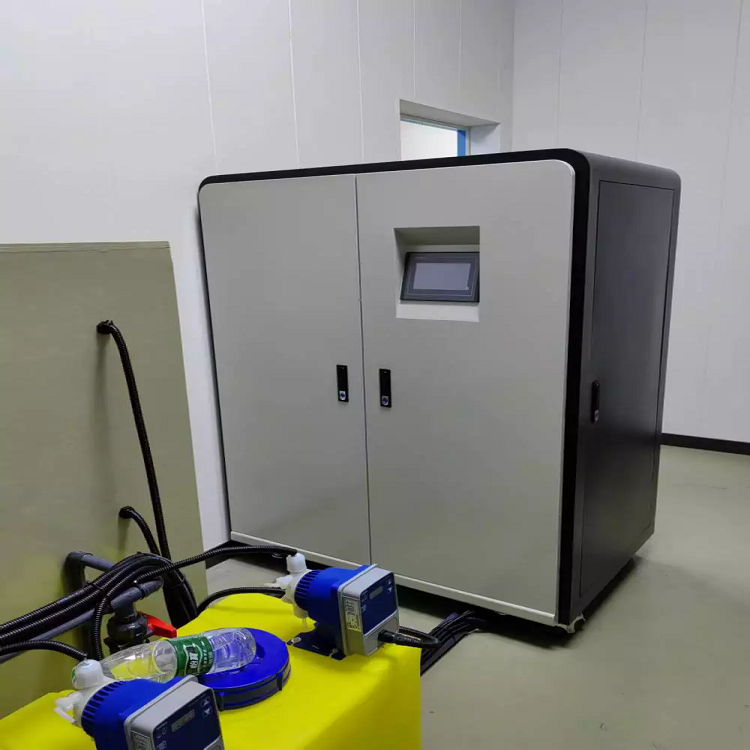
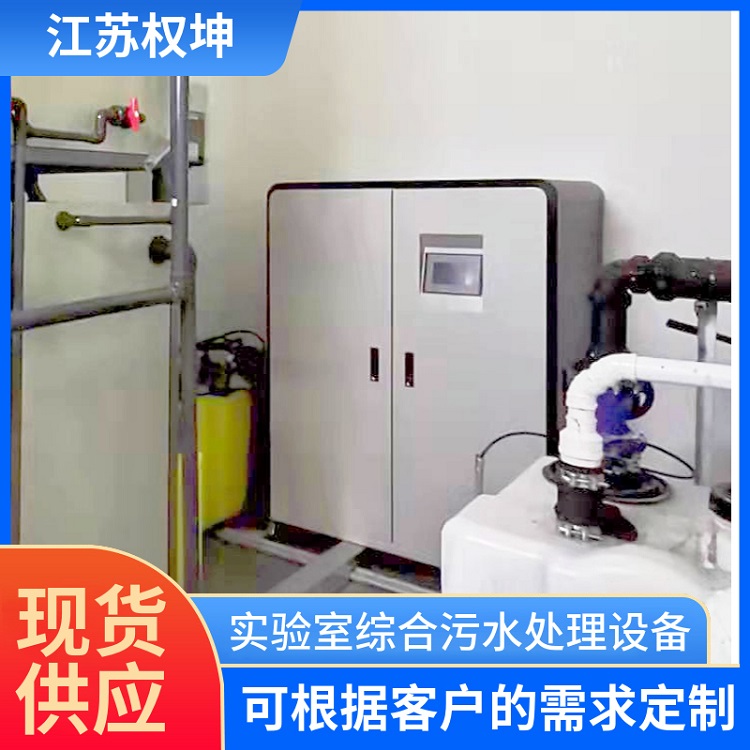
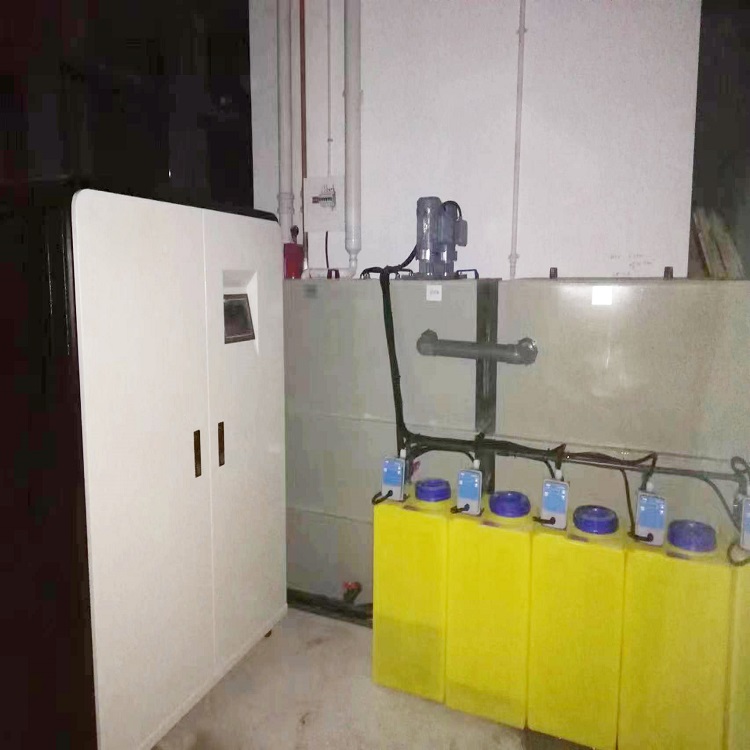
Nanjing Laboratory Wastewater Treatment Equipment Solution / Corrosion-resistant and Long Service Life / Sewage Treatment
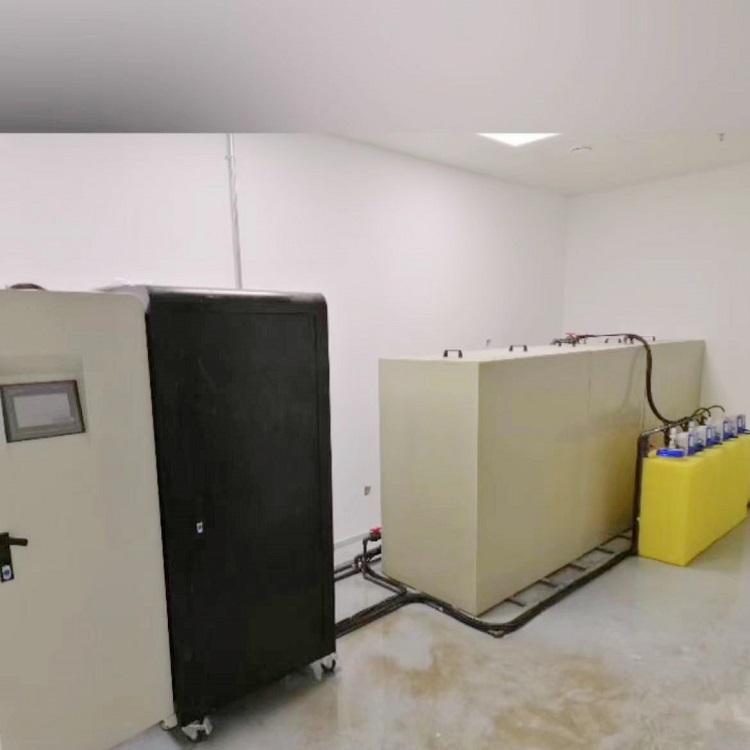
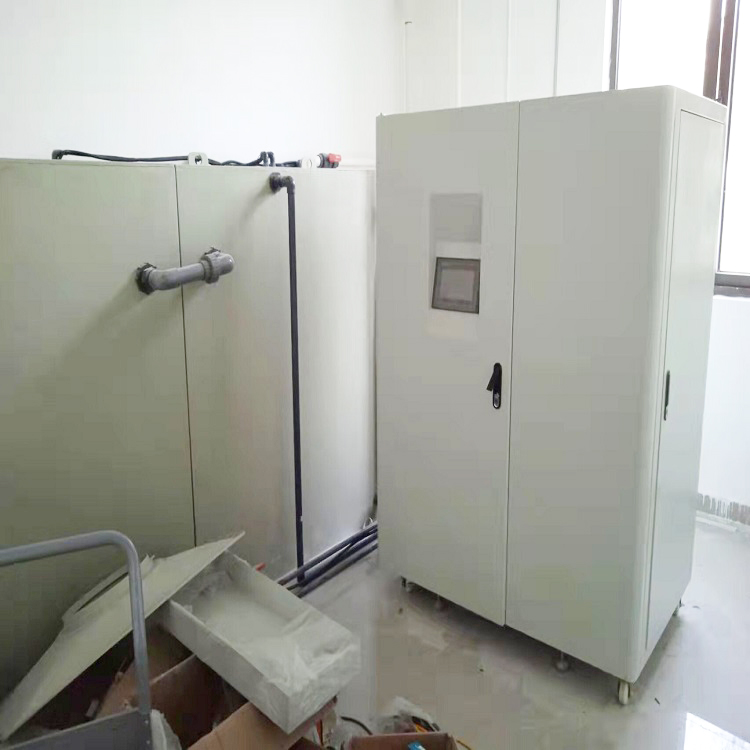
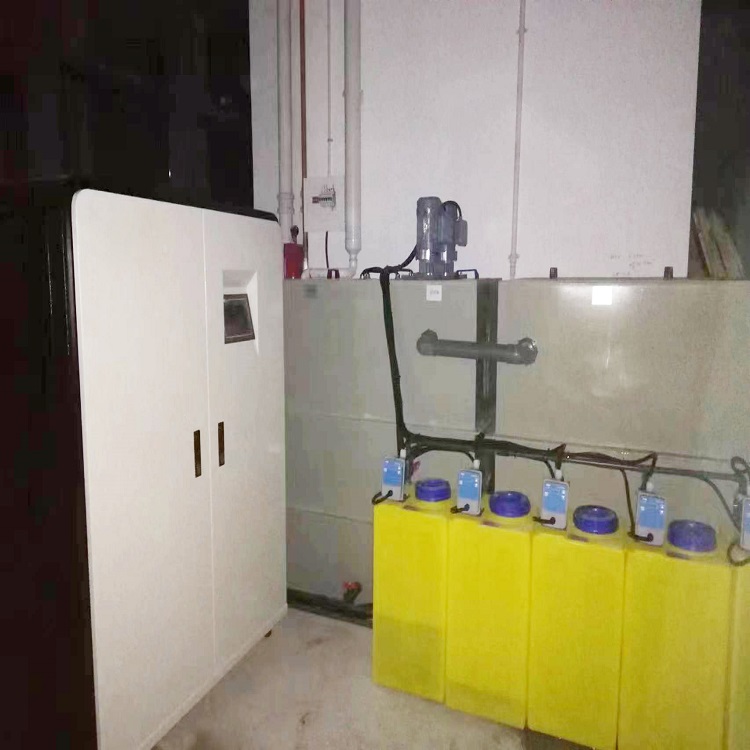
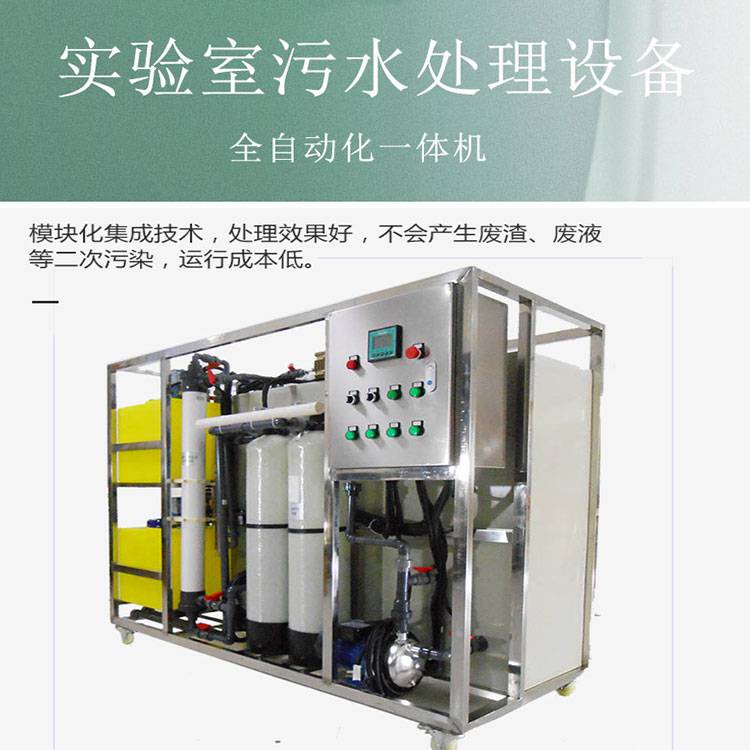
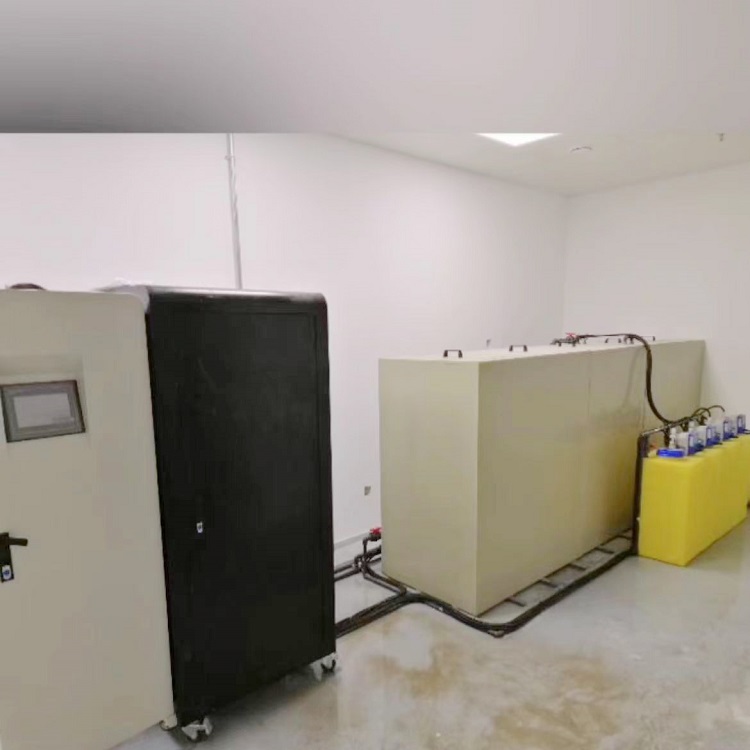
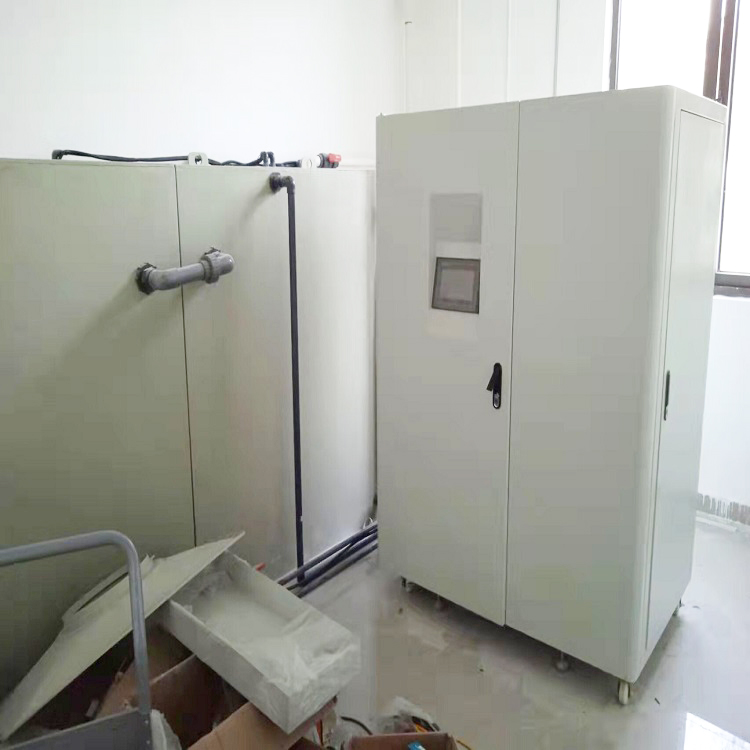
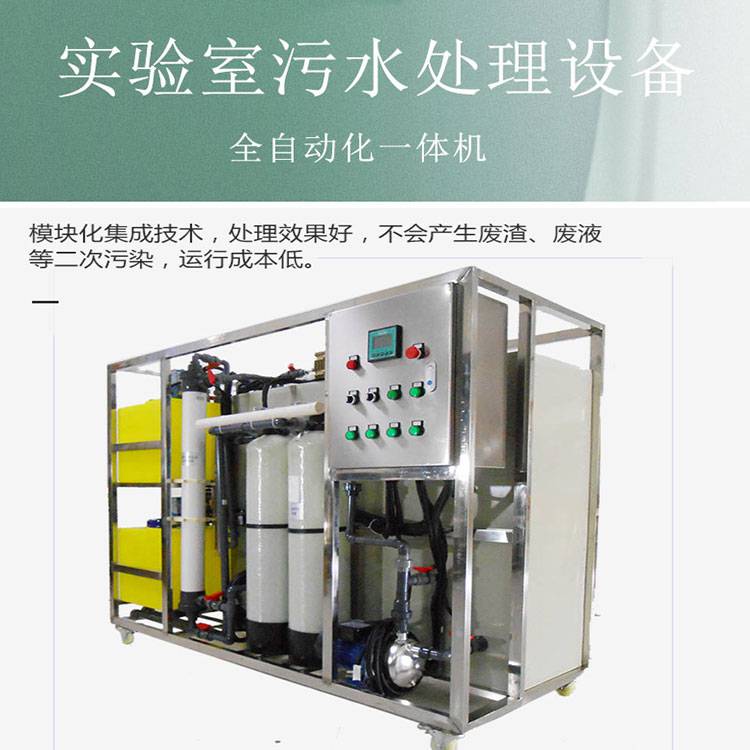
The laboratory comprehensive wastewater treatment system is composed of various technologies including wastewater collection, automatic adjustment, pretreatment, automatic dosing, coagulation-aeration flotation mixing, flocculation-assisted sedimentation, sedimentation separation, solid-liquid separation, sludge drying, heavy metal capture, filtration adsorption, new catalytic activity micro-processing, electrochemical catalytic oxidation-reduction technology, multi-stage advanced decomposition degradation, two-stage organic biological activity treatment, new biological reaction treatment, and composite disinfection treatment, forming a complete laboratory wastewater treatment system.
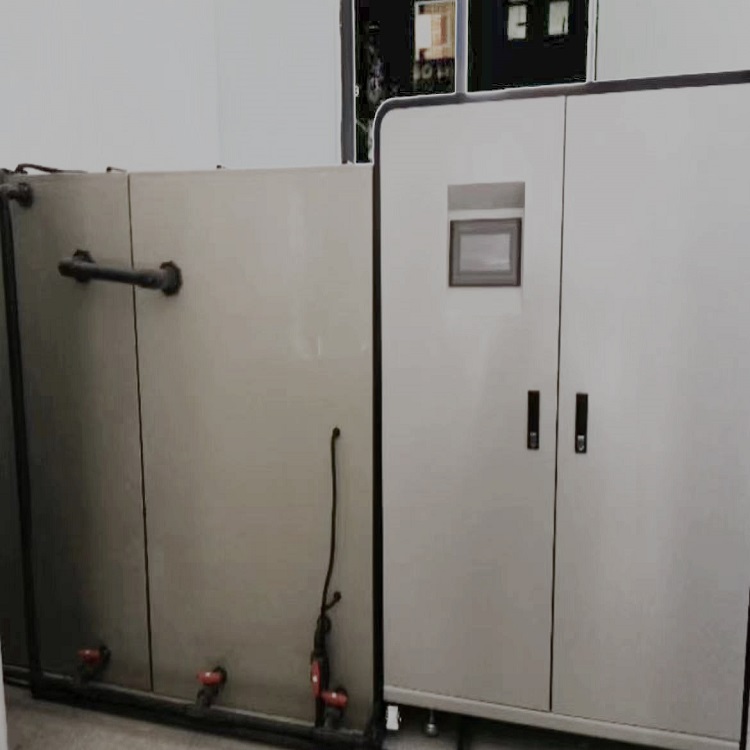
Features of the Fully Automatic Sewage Treatment Integrated Machine:
1. Small footprint, easy to install
2. Automatic operation, easy to operate, the entire system requires no dedicated management
3. System processing is stable and reliable.
4. Aesthetically pleasing, compact in design, and easy to move
5. No need for chemical addition, saving on subsequent operational costs.
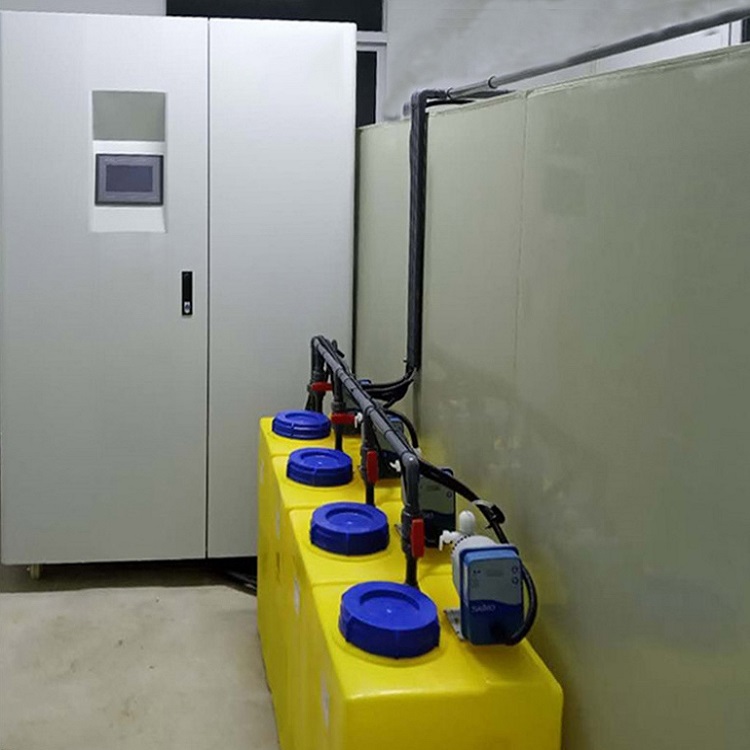
Equipment Advantages:
1. Buried below ground level, the surface above the equipment can be used for landscaping or other purposes without the need for construction or heating/insulation.
2. The two-stage biological contact oxidation process employs plug flow biological contact oxidation, which offers superior treatment performance compared to complete mix or two-stage serial complete mix biological contact oxidation ponds.
3. The biochemical pool utilizes the biological contact oxidation method, featuring a low volume load of fillers, with microorganisms in their self-oxidation phase, resulting in minimal sludge production.
4. The integrated wastewater treatment equipment features deodorization methods beyond conventional high-altitude exhaust, ensuring no odor.
5. The entire equipment processing system is equipped with an automatic electrical control system and a device fault alarm system, ensuring safe and reliable operation. Generally, no dedicated personnel management is required; only timely maintenance of the backup equipment is necessary.
6. The packing uses a composite packing material, featuring a large biomass, easy to form a biofilm, non-agglomerative, and non-blocking.
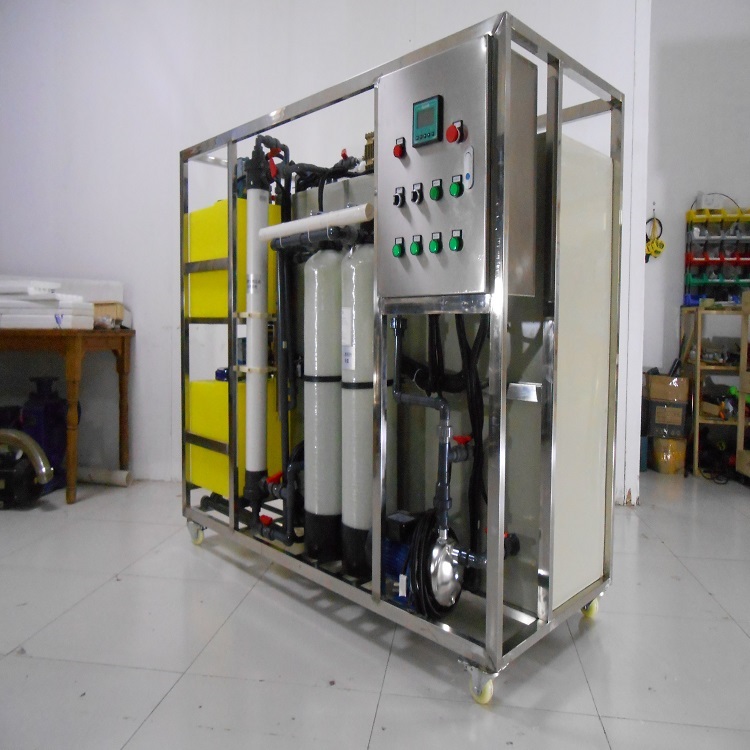
Nanjing Laboratory Wastewater Treatment Equipment Solution / Corrosion-resistant with Long Service Life / Sewage Treatment
Laboratory wastewater equipment consists of an equalization pond, an oxidation pond, a sedimentation pond, and a disinfection pond. The functions of each stage are as follows:
Adjustment pool
Raw water enters the regulating pond, which serves to homogenize, sediment, mix, neutralize, and more. It regulates the pH and water temperature of the raw water. Sediments the suspended impurities in the raw water.
2. Contact oxidation pond
Prevents fiber from balling up after biofilm growth, ensuring the regulating pond does not clog.
3. Sedimentation pond
After the raw water undergoes biochemical treatment in the oxidation pond, the wastewater flows into the inclined plate sedimentation pond. Utilizing the principle of opposite flow, the sedimentation pond achieves fast separation of sludge and water, stable water flow, and excellent separation results. Compared to the horizontal flow sedimentation pond, the inclined plate sedimentation pond has significantly higher sludge separation speed and surface water load, nearly twice as much as the horizontal flow sedimentation pond.
Disinfection Pool
The sterilization pond utilizes ozone disinfection with a contact time of over 12 minutes.