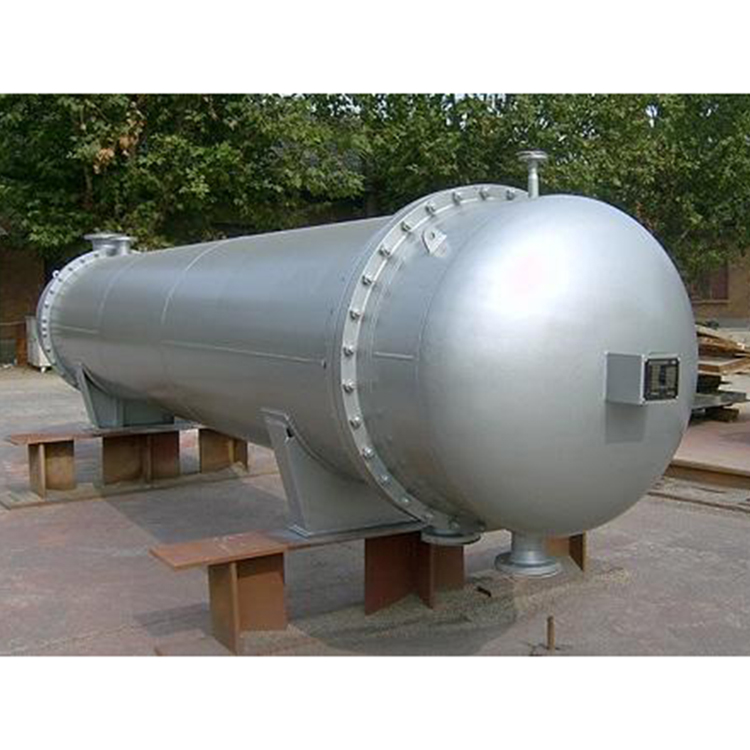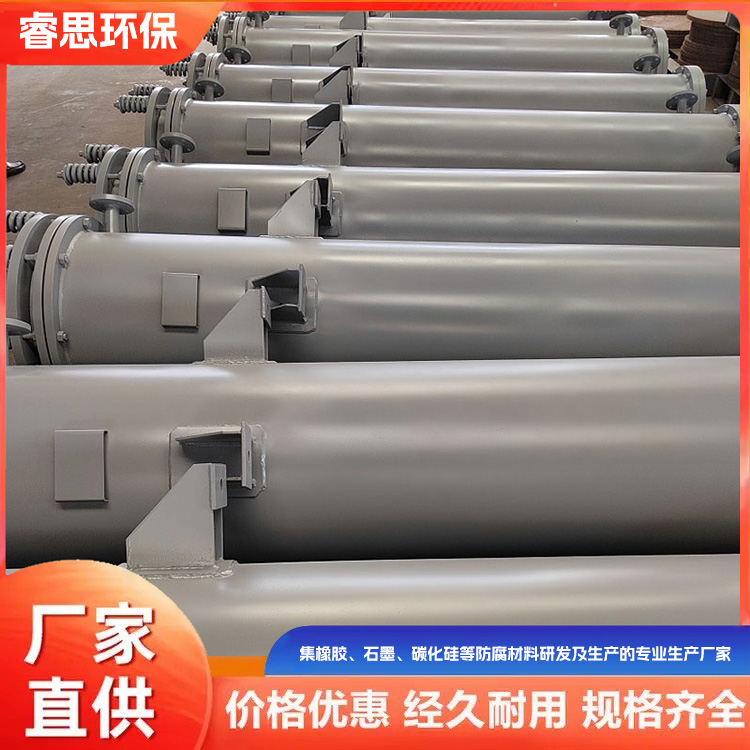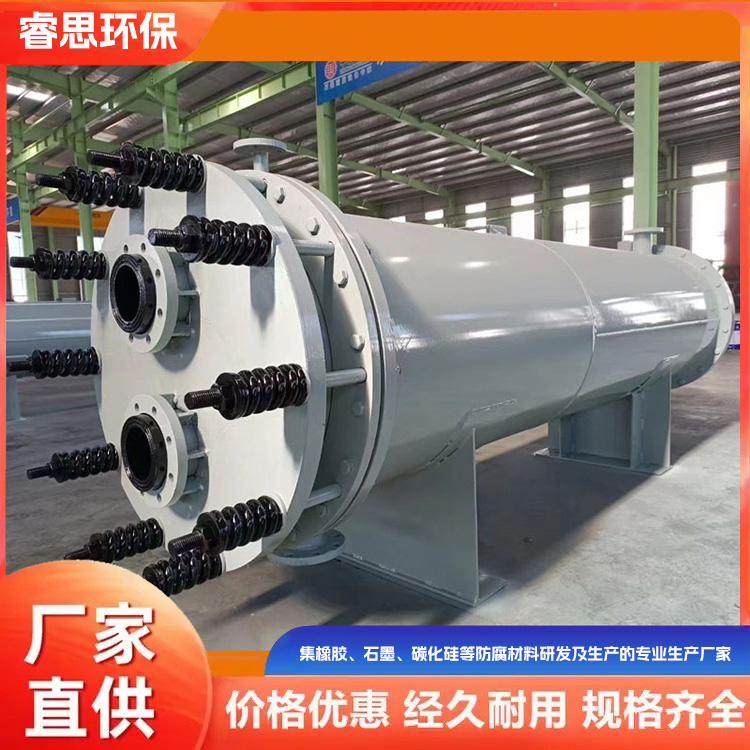









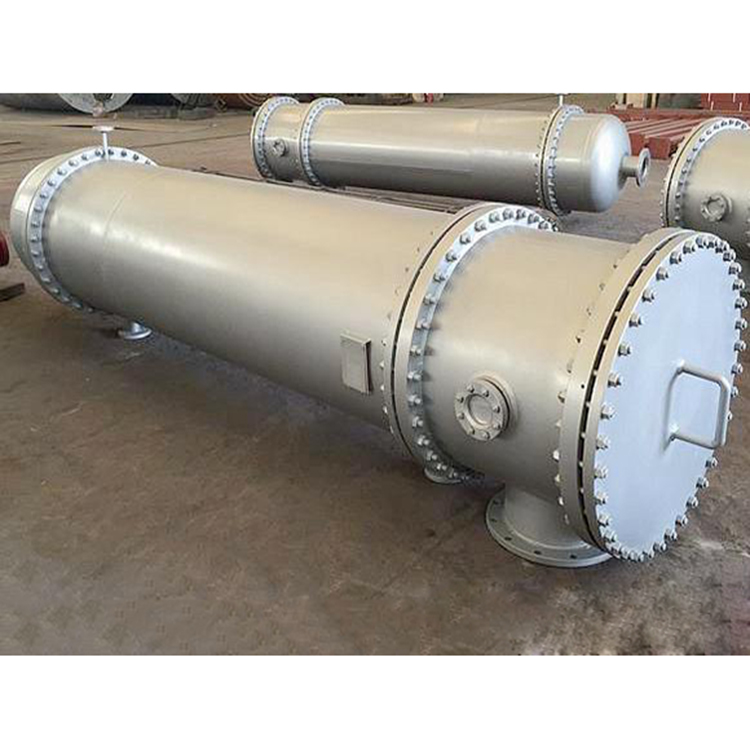
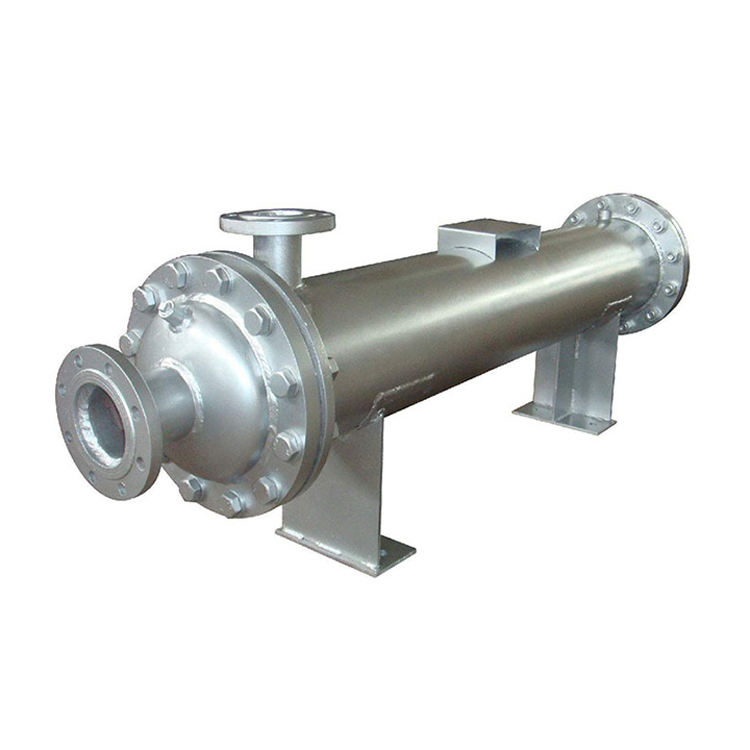
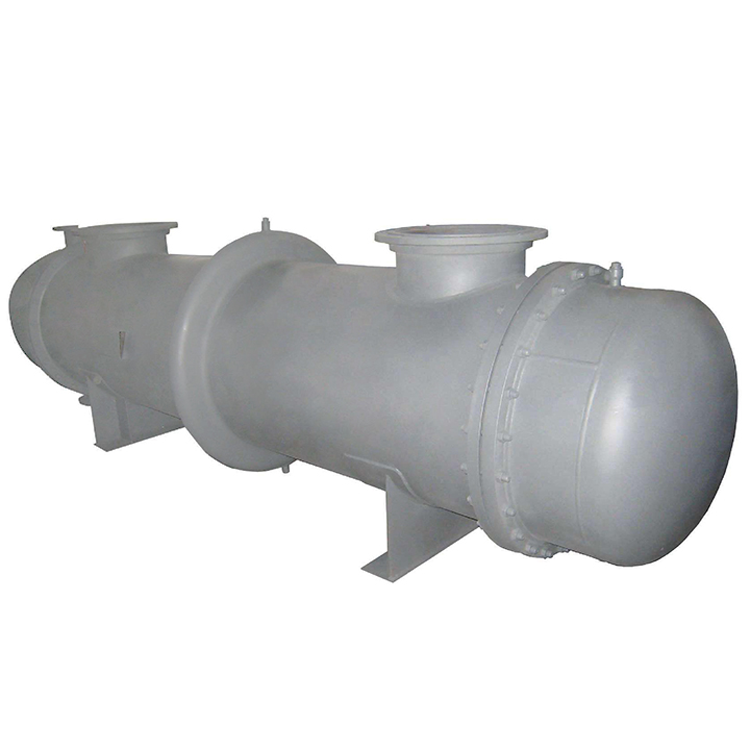


U-tube heat exchanger

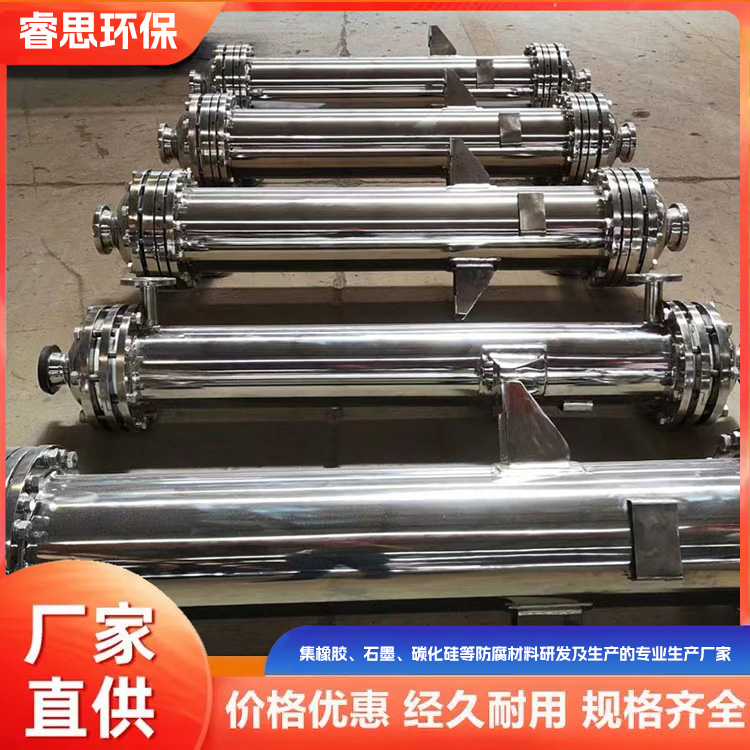
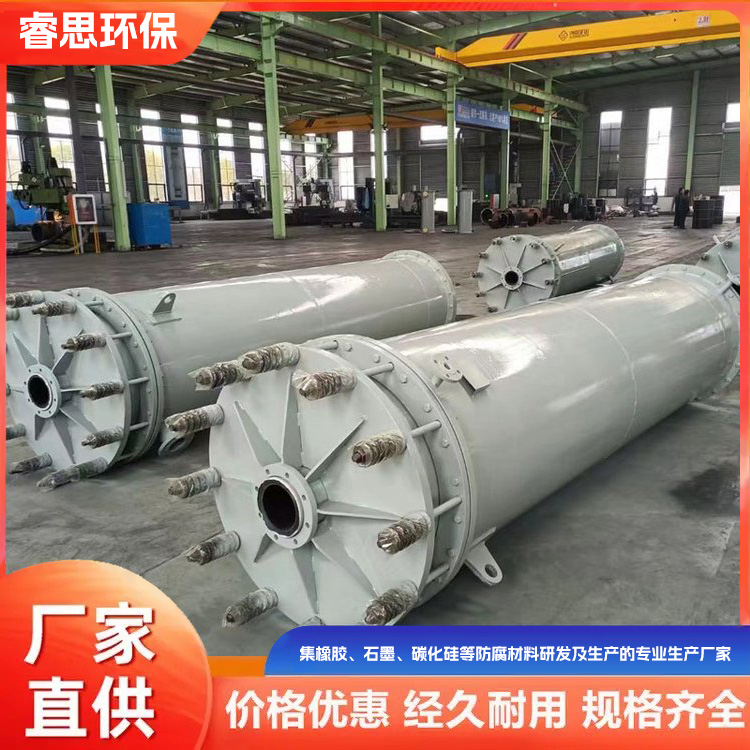
U-tube heat exchangers are widely used in various industrial fields as heat exchange equipment, primarily for transferring heat between two fluids to achieve energy conservation and emission reduction, as well as to enhance production efficiency.
Advantages
1. High Energy-Saving Efficiency: The U-shaped tube heat exchanger boasts an excellent heat exchange efficiency of over 90%, effectively reducing energy consumption and enhancing production efficiency.
2. Space-saving: The U-tube heat exchanger features a compact structure with relatively small space requirements, making it suitable for work environments with limited space.
3. High Corrosion Resistance: The U-shaped tube heat exchanger is made from high-quality materials, offering strong corrosion resistance and is capable of withstanding various harsh working conditions.
4. Easy Maintenance: The U-tube heat exchanger features a simple structure, making it easy to maintain, clean, and replace parts, significantly reducing maintenance costs.
Structure
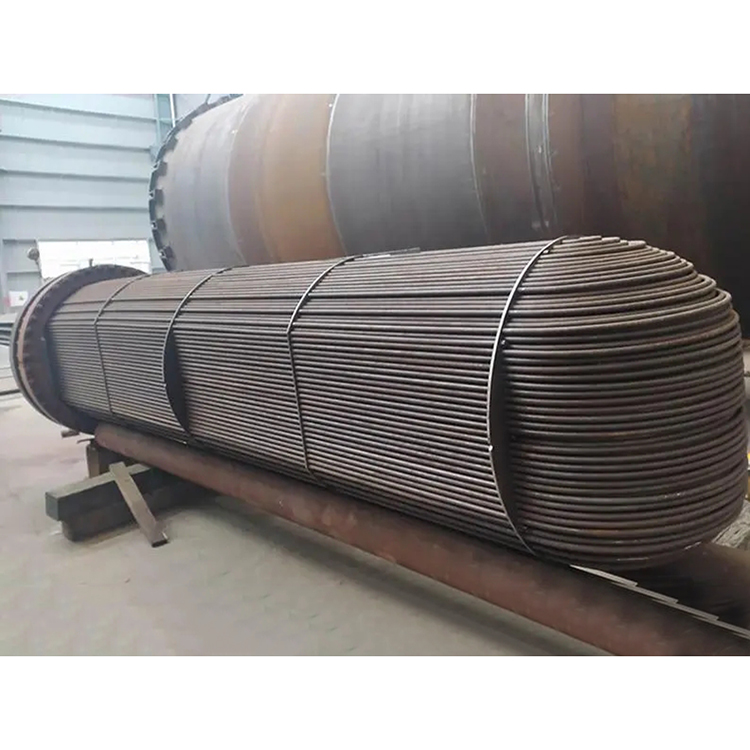
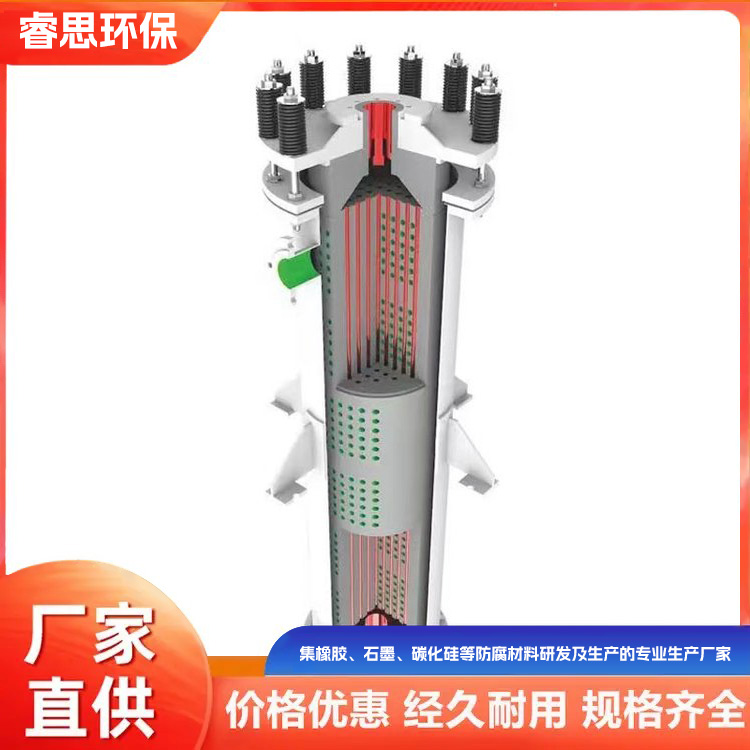
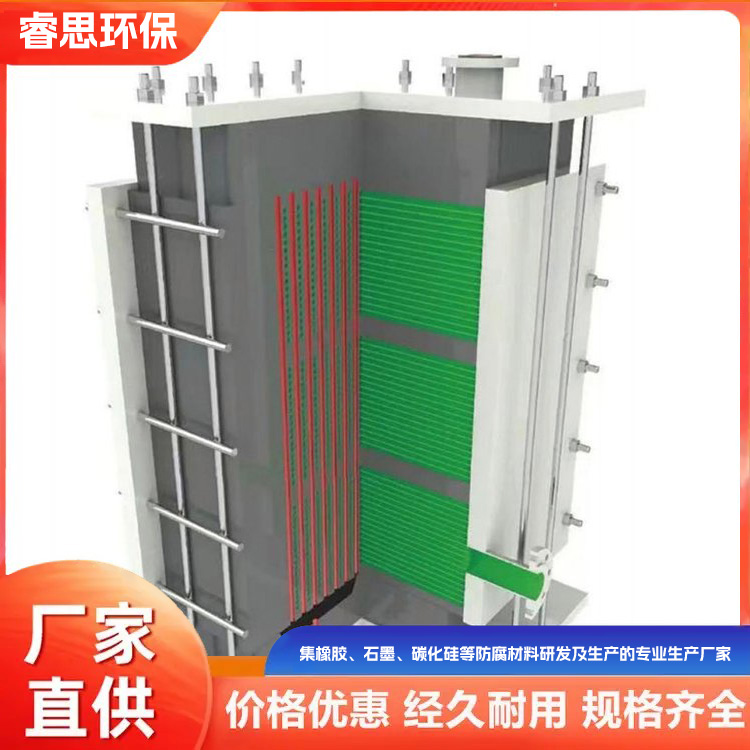
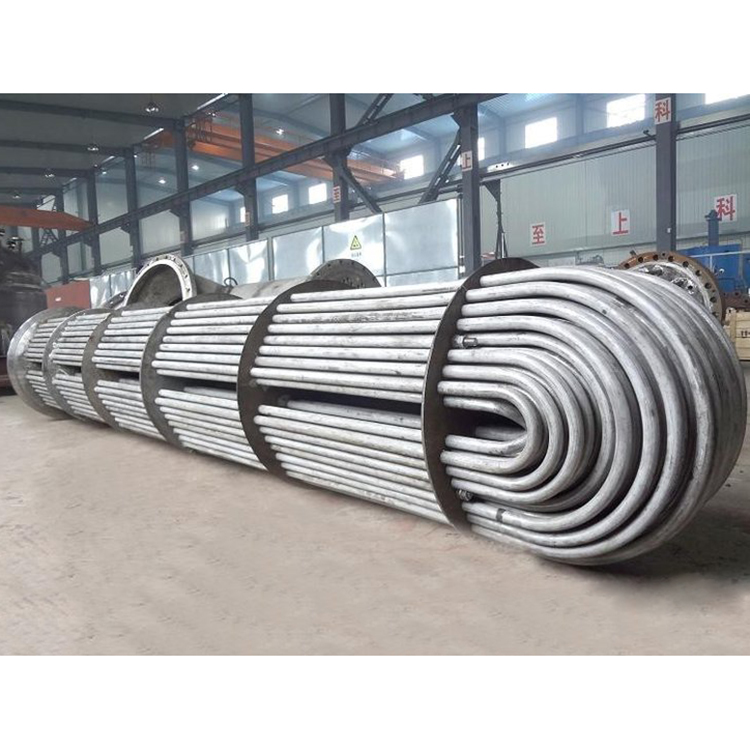
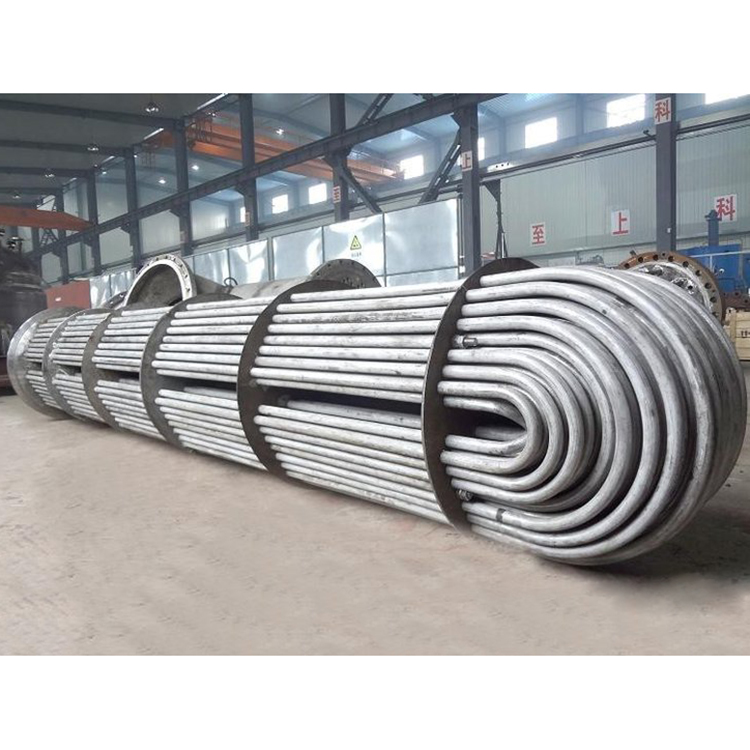
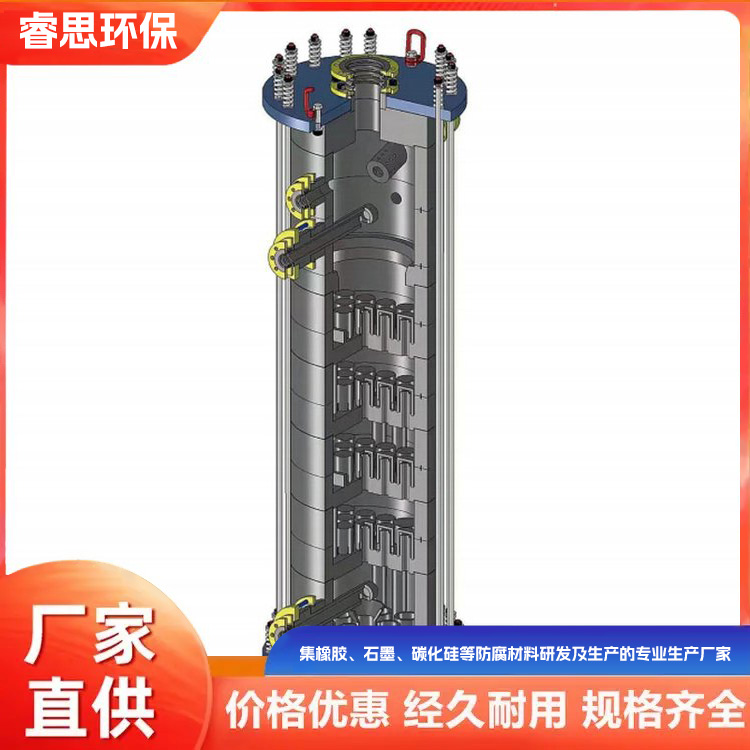
U-tube heat exchangers are primarily composed of tubes, tube plates, U-tubes, and supporting components.
The tube and tube plate form the basic structure of the U-tube heat exchanger, with the U-tubes being the components that facilitate heat exchange.
Tubing: Generally in cylindrical or square structure, equipped with inlets and outlets for fluid storage.
Tube Sheet: A partition inside the tube body used to divide the tube into multiple areas for cleaning, maintenance, and heat exchange. Common types of tube sheets include suspended tube sheets and supported tube sheets.
U-shaped Tube: A component of U-tube heat exchangers, primarily consisting of a tube body, U-bend tube, and tube ends, enabling heat transfer between two fluids.
Supporting Components: Primarily used for fixing the tube body, tube plate, and U-shaped tubes, ensuring the stability and safety of the U-shaped tube heat exchangers.
Operating Principle
The working principle of the U-tube heat exchanger is to utilize the temperature difference between two fluids, transferring heat through the U-shaped tubes, which raises the temperature of one fluid and lowers the temperature of the other, thereby achieving heat exchange.
Specifically, the two fluids enter at the ends of the U-tube heat exchanger. One fluid flows into one side of the U-tube and exits from the other side after heat exchange. The other fluid enters from the opposite side, exits from the same side after heat exchange, and the two fluids exchange heat within the U-tube, achieving heat balance.
Application
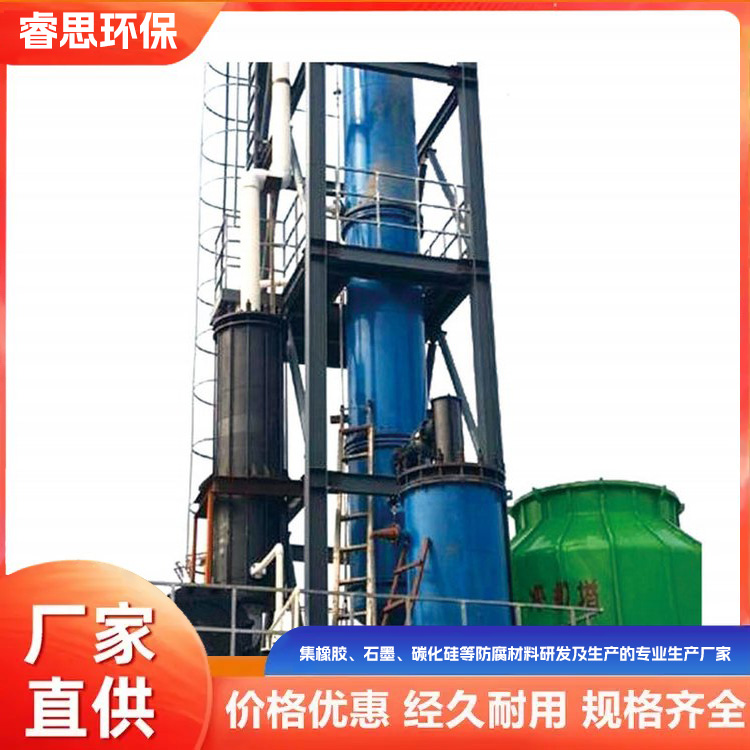
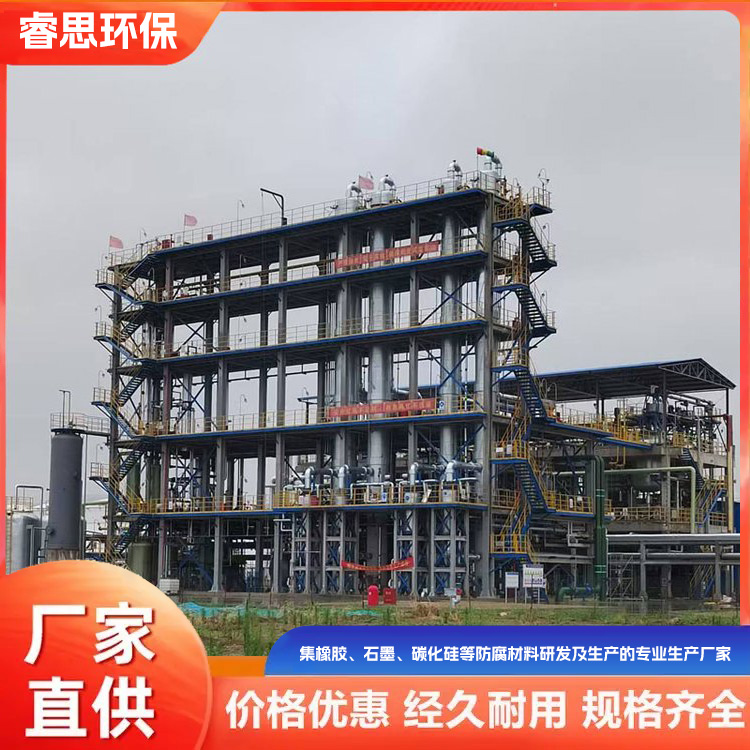
U-tube heat exchangers are widely used in various fields such as chemical industry, electricity, metallurgy, and light industry, mainly for heat exchange in processes like heating, cooling, evaporation, crystallization, and drying.