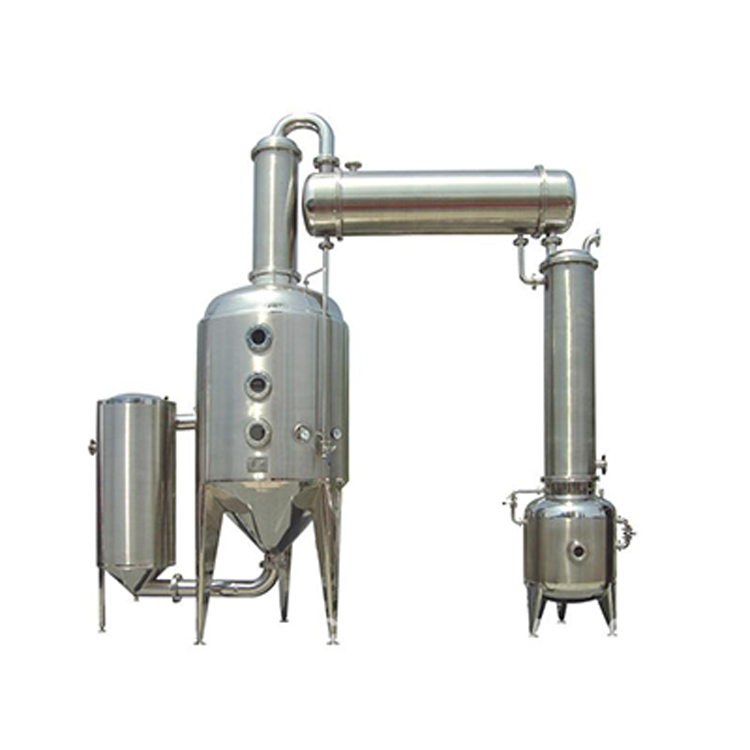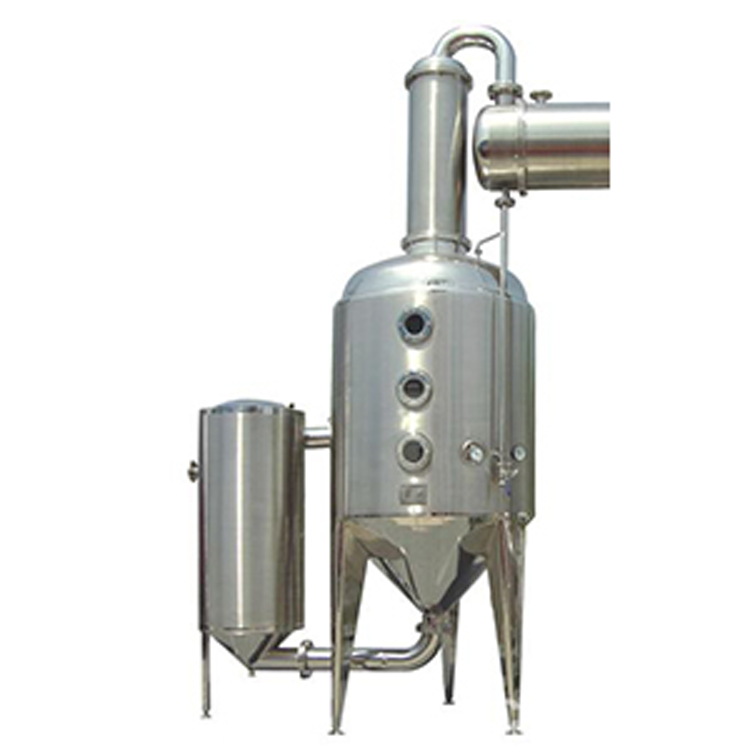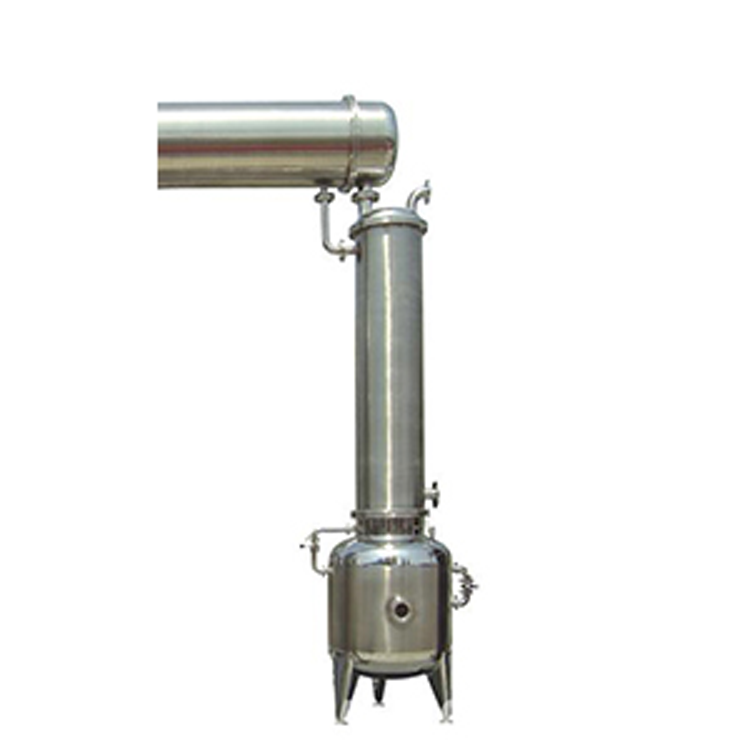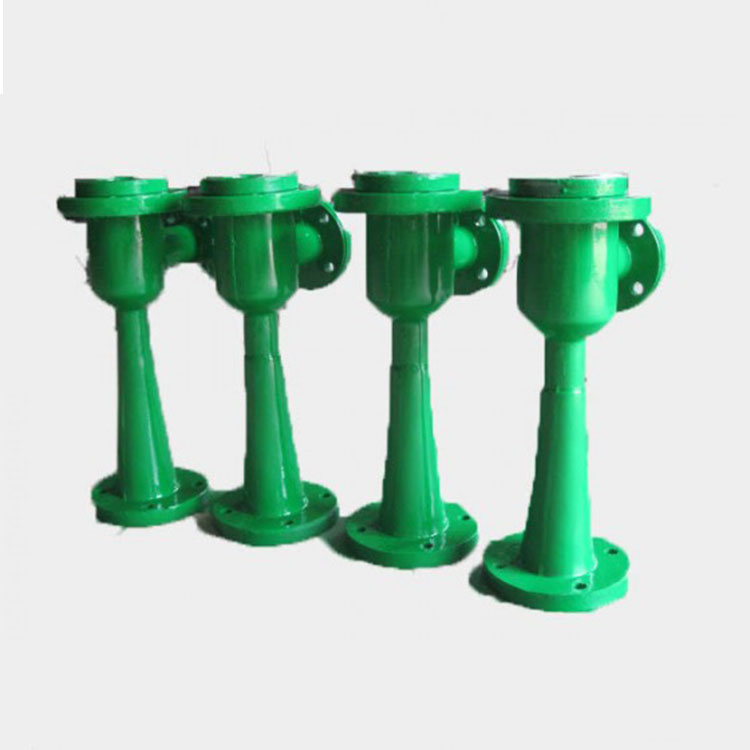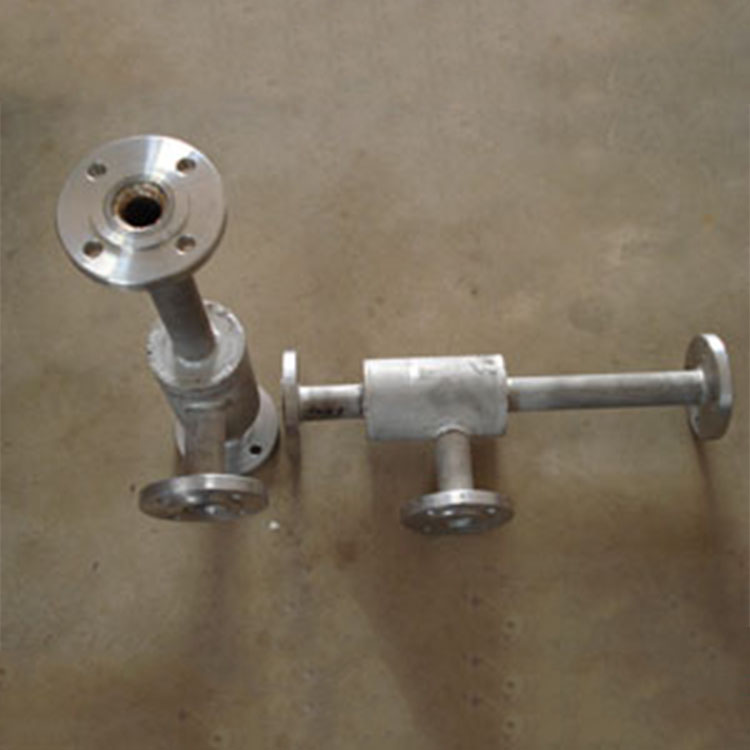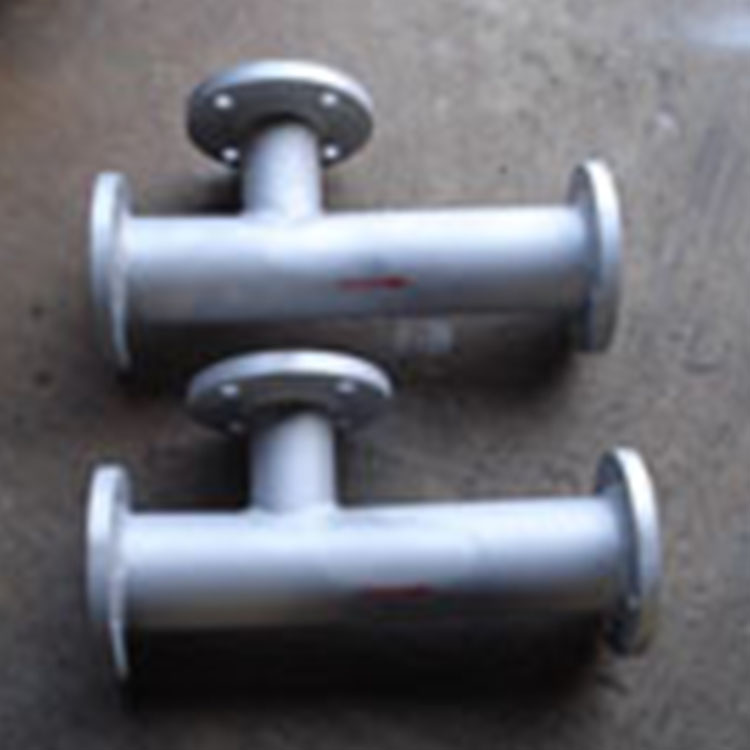









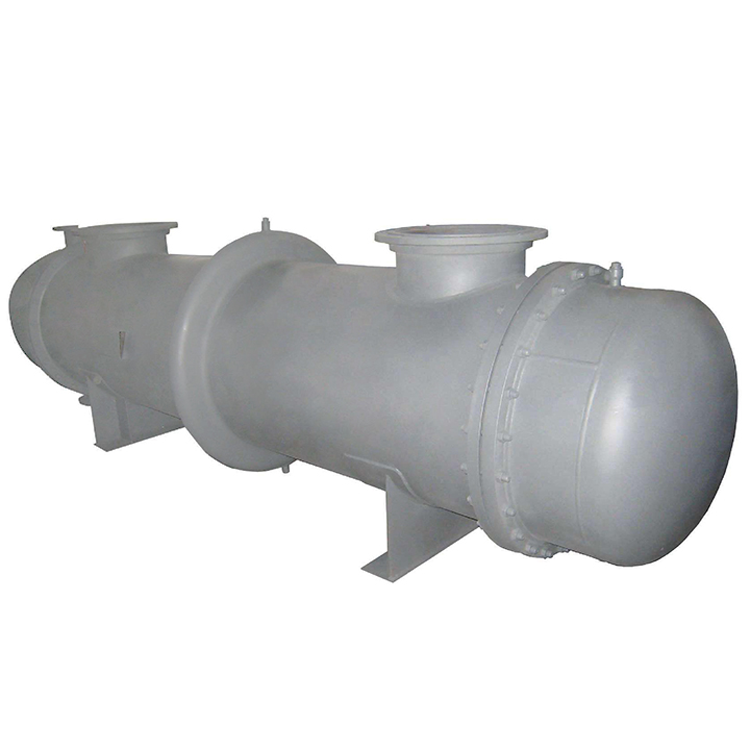

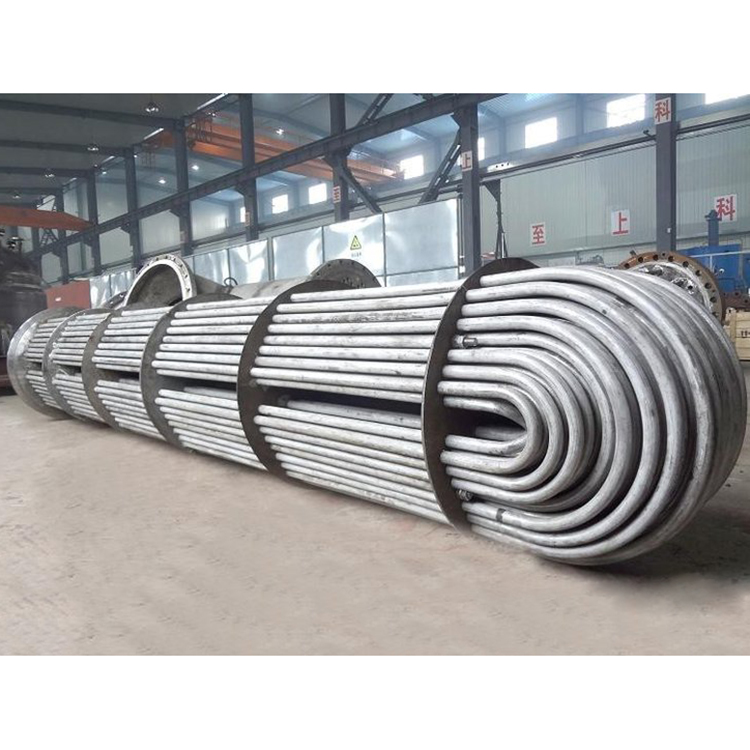

Alcohol Recovery Tower
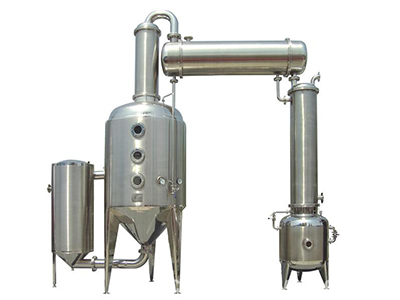
Principle of Alcohol Recovery Tower Operation
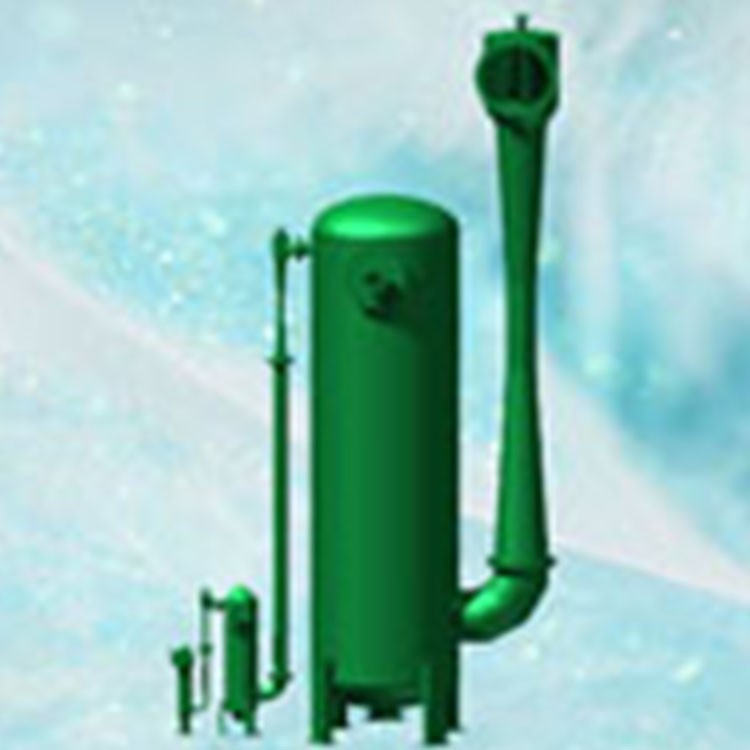
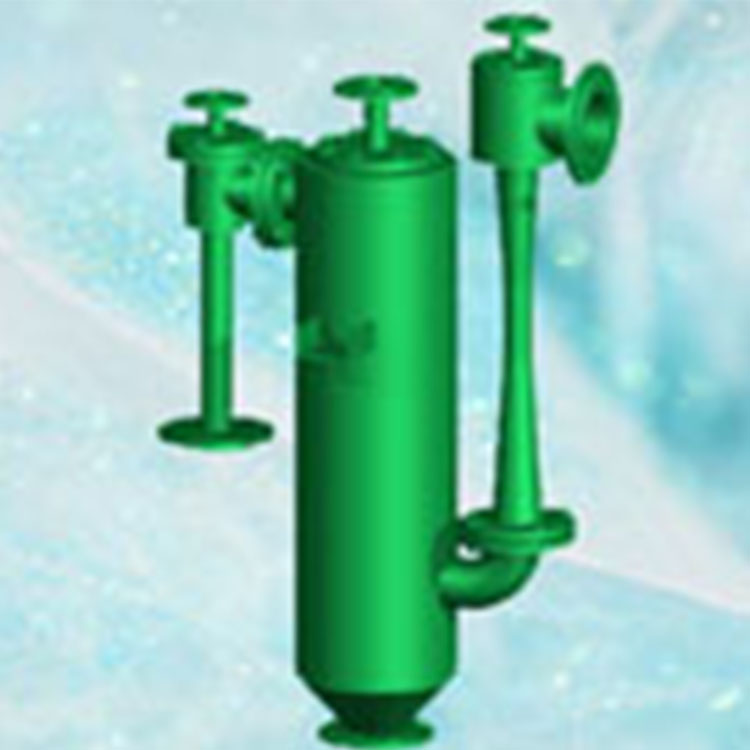
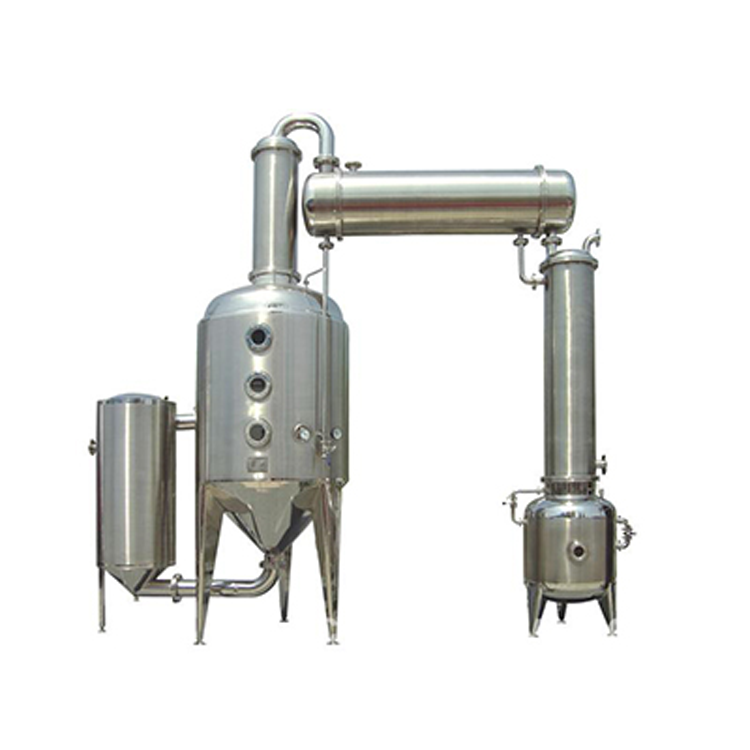
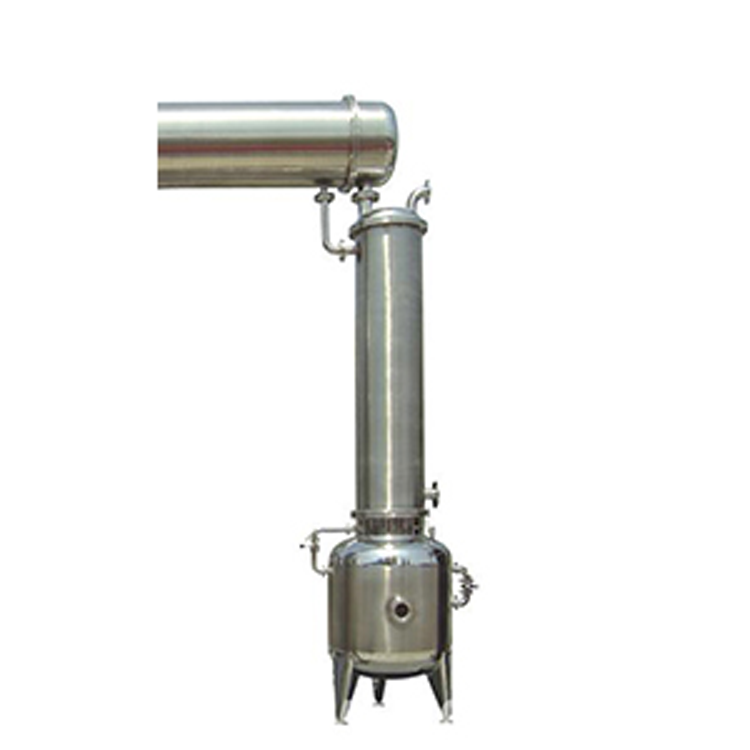
Alcohol recovery towers are a type of tower for distillation, where liquid and vapor come into contact, also known as distillation towers or rectification towers. They primarily come in two main types: plate towers and packed towers. Depending on the operating mode, they can be further categorized into continuous rectification towers and batch rectification towers.
Steam enters from the bottom of the tower, where it counter-currently contacts the descending liquid. During this two-phase contact, the more volatile (low boiling point) components of the descending liquid continuously transfer to the steam, while the less volatile (high boiling point) components of the steam transfer to the descending liquid. As the steam approaches the top of the tower, its concentration of more volatile components increases, and as the descending liquid approaches the bottom, its concentration of less volatile components enriches, achieving the separation of components. The ascending steam from the top of the tower enters a condenser, where part of the condensed liquid returns as reflux to the top of the distillation tower, and the rest is withdrawn as distillate. The liquid流出 from the bottom of the tower, part of which is sent to a reboiler, where it is heated to produce steam that returns to the tower, and the other part is withdrawn as bottom residue.
The basic principle of distillation involves part of the liquid being vaporized, utilizing the different volatility characteristics of its components to achieve separation. Distillation can be categorized according to its operational methods into: simple distillation, flash distillation, refining distillation, and special refining distillation, etc.