
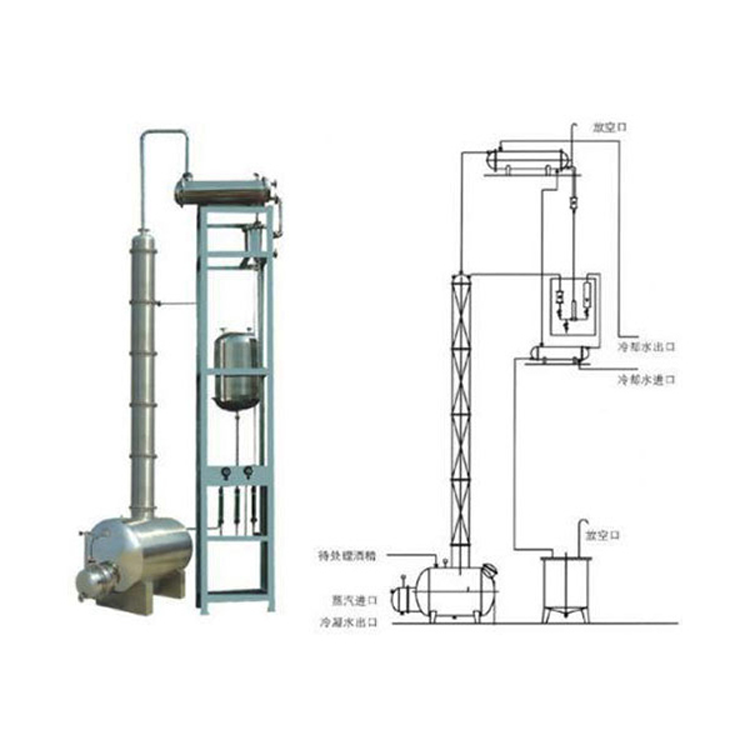

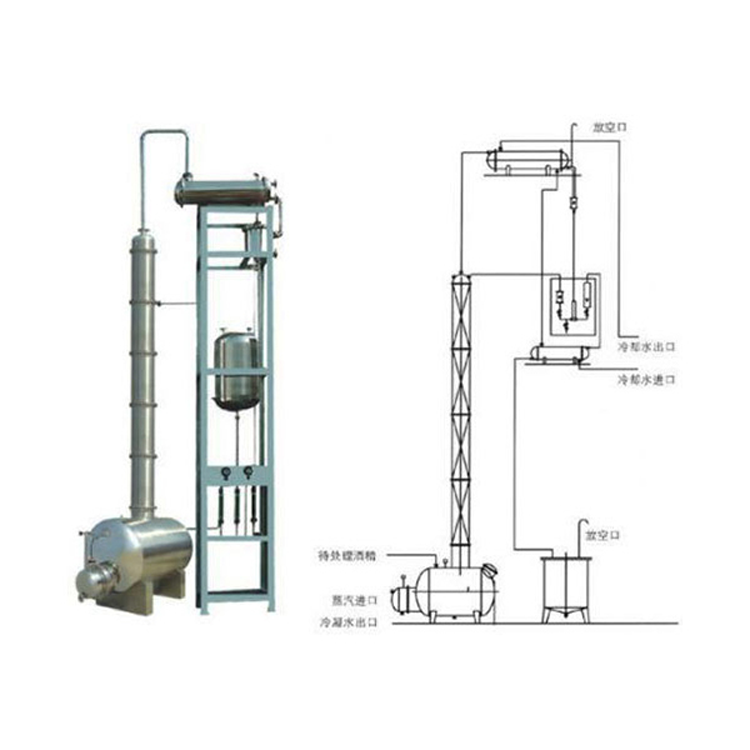
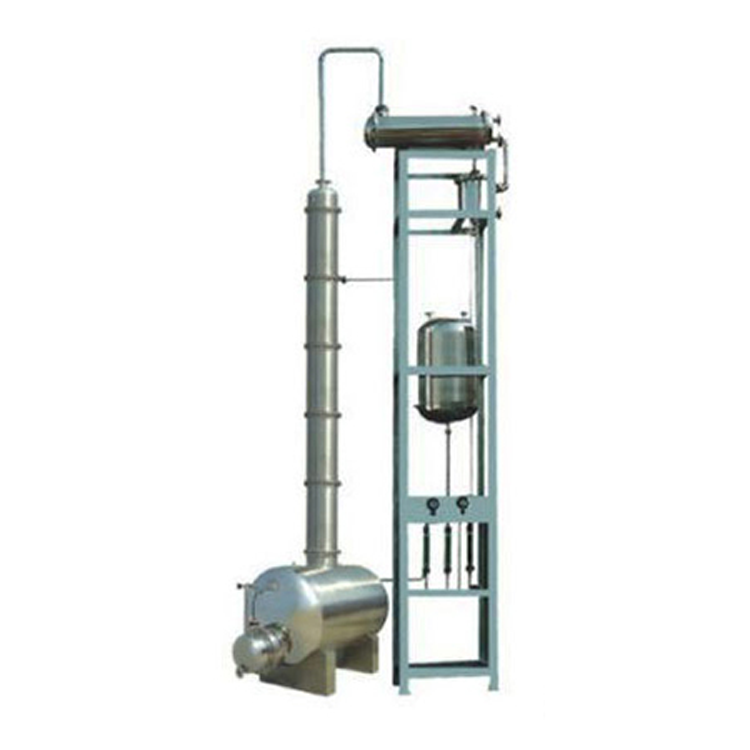
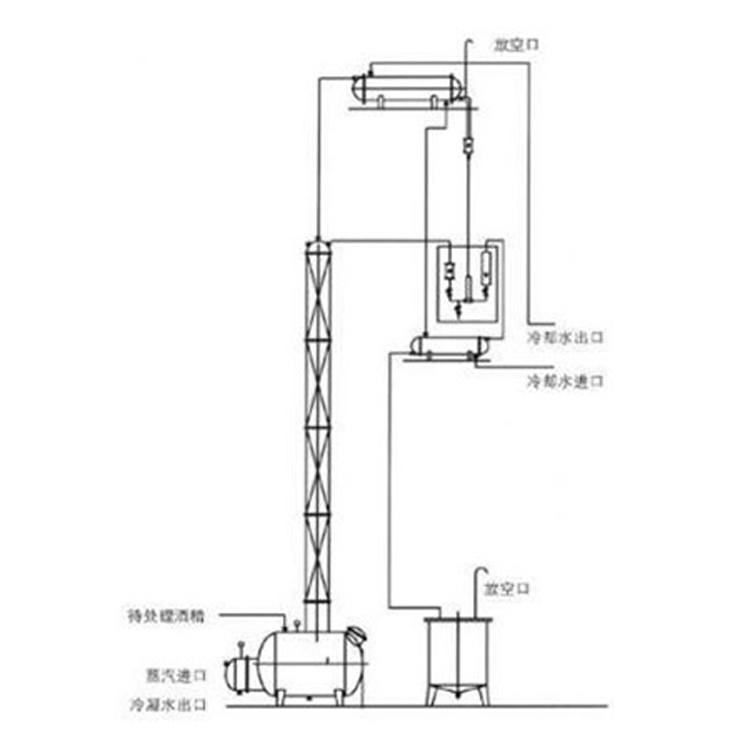


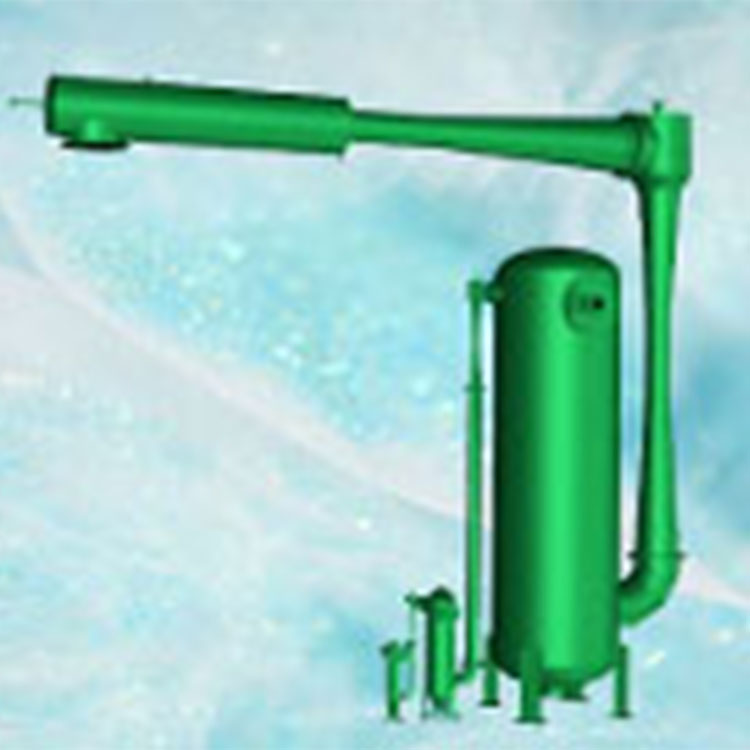
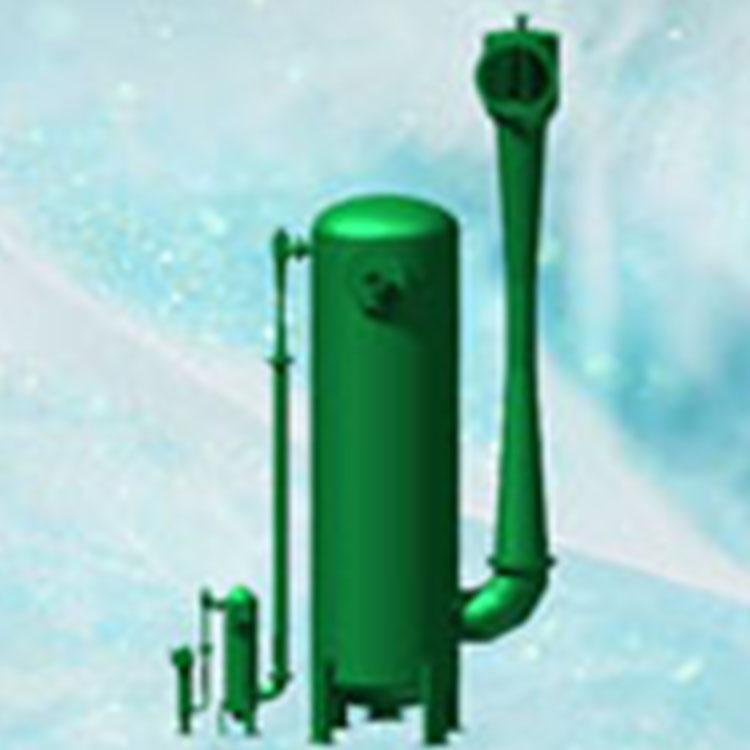






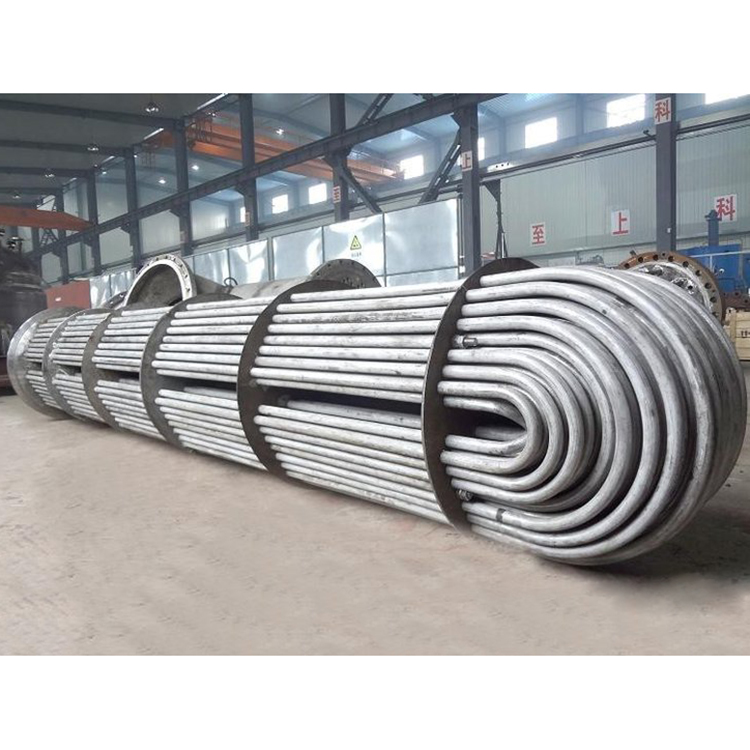

Distillation Tower
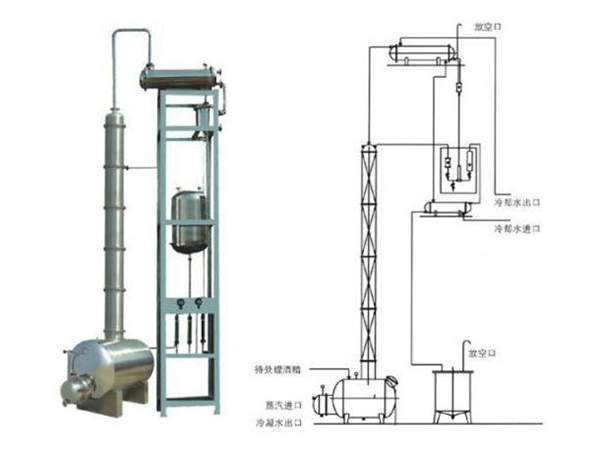
The working principle of a distillation tower
In the mature fermentation wort, there are not only alcohol, but also several dozen other components. When water is added, the content of these substances far exceeds that of alcohol. The alcohol content in the mature wort is only around 7-11% (by volume), while impurities including water, alcohols, aldehydes, acids, and fats account for nearly 90%. To obtain pure alcohol, certain methods must be employed to separate the alcohol from the mature wort.
During production, a heating distillation process is employed to separate substances with varying boiling points, specific gravities, and volatilities from different equipment, thereby obtaining alcohol of higher purity.
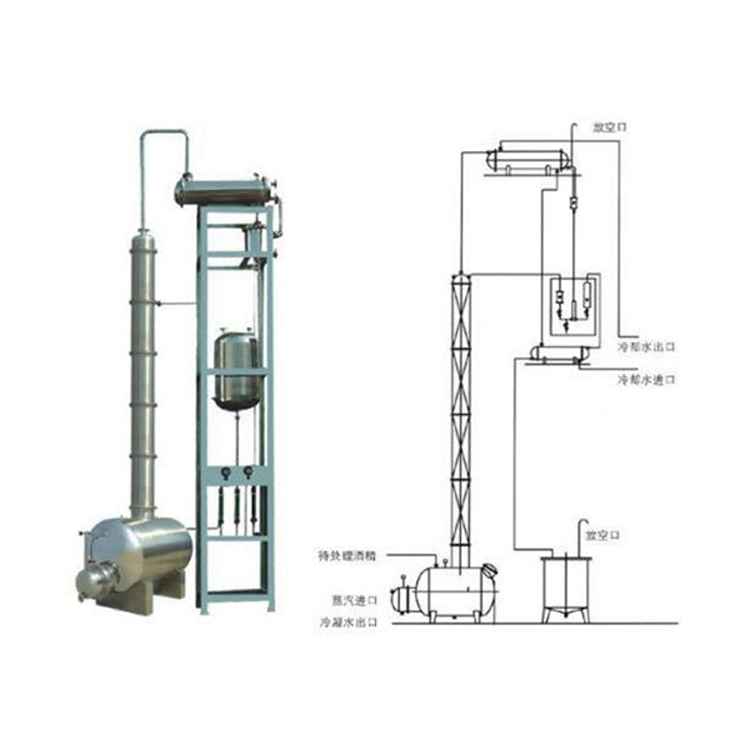
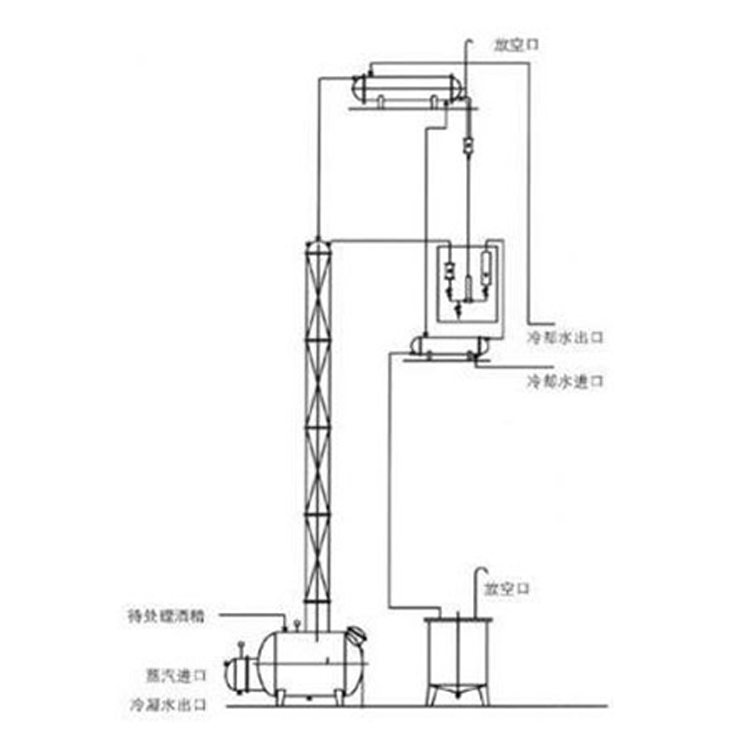
The working principle of the crude distillation tower is that after the fermented mature mash is preheated, it enters the upper part of the tower. Heated steam is continuously and uniformly introduced into the bottom of the tower. Due to the heating effect, the liquid alcohol in the mature mash is converted into alcohol vapor, along with other low-boiling and volatile impurities, all of which become gaseous and enter the de-alcoholization tower (or can directly enter the rectification tower) together with the alcohol. The distillation residue at the bottom of the tower is then discharged outside.
When the crude tower is operating normally, the top temperature must not be below 93°C, but it should also not be too high, as excessive top temperature is detrimental to separation and consumes a large amount of steam. Generally, it is controlled between 95-96°C.
Low temperatures cause the alcohol in the wort to not fully evaporate, resulting in a significant increase in the escape rate.
The boiling point of pure alcohol is 78.3°C, however, the boiling point of a mixture containing water and other components is significantly higher than 78.3°C. Therefore, the temperature control at the bottom of the crude distillation tower should not be below 105°C, typically ranging between 105°C and 109°C.
Mature wort must be preheated before entering the distillation tower to reduce temperature differences, which is conducive to the stable operation of the tower.
The wort should typically be preheated to a temperature between 60-70°C. Some production units, due to equipment performance, usually have a lower temperature by 5-10°C.
The de-aldehyde tower operates by the alcohol in the mature mash being distilled and then entering the de-aldehyde tower in a gaseous state from the top of the distillation tower. Inside, it undergoes controlled heating, condensation, and reflux, allowing low-boiling, volatile impurities such as aldehydes and esters in the crude alcohol to be removed through the de-aldehyde outlet. The de-aldehyde alcohol then enters the liquid phase rectification tower, while some heads are transferred to the mash in the after-fermentation tank or mature mash through the head pipe.
Under normal conditions, the bottom temperature of the de-aldehyde tower is 86-89°C, the top temperature is maintained at 79°C, the water temperature of the condenser on the de-aldehyde tower should not be below 60°C, and the condenser temperature must not be below 25°C.
The principle of the rectification tower is that after the alcohol is distilled through the two towers mentioned, the alcohol concentration needs to be further increased, and impurities must be further removed. The distillation purpose of the rectification tower is to achieve this by heating evaporation, condensation, and reflux, removing the head impurities at the top, extracting fusel oil in the middle, and discharging the tail impurities at the bottom, ultimately obtaining the finished product—alcohol—that meets the quality standards.
The working principle of the distillation tower is not limited to purifying alcohol alone.
The function of a distillation tower is primarily to separate mixed liquids, utilizing the principle that different liquids have different volatilities (boiling points) under varying conditions, such as different temperatures, to achieve liquid separation and purify the substance.
The distillation tower is mainly divided into plate towers and membrane towers.
Plate towers are commonly used, with their structure divided into three parts: plates, reboilers, and condensers.
The overhead temperature of the distillation tower should generally be maintained at 79°C, the bottom temperature at 105-107°C, and the middle temperature, under normal wine collection, should be between 88-92°C.
The condenser water temperature on the distillation tower should be between 60-65°C, the condenser temperature should be between 35-40°C, and the condenser temperature should not be below 25°C.