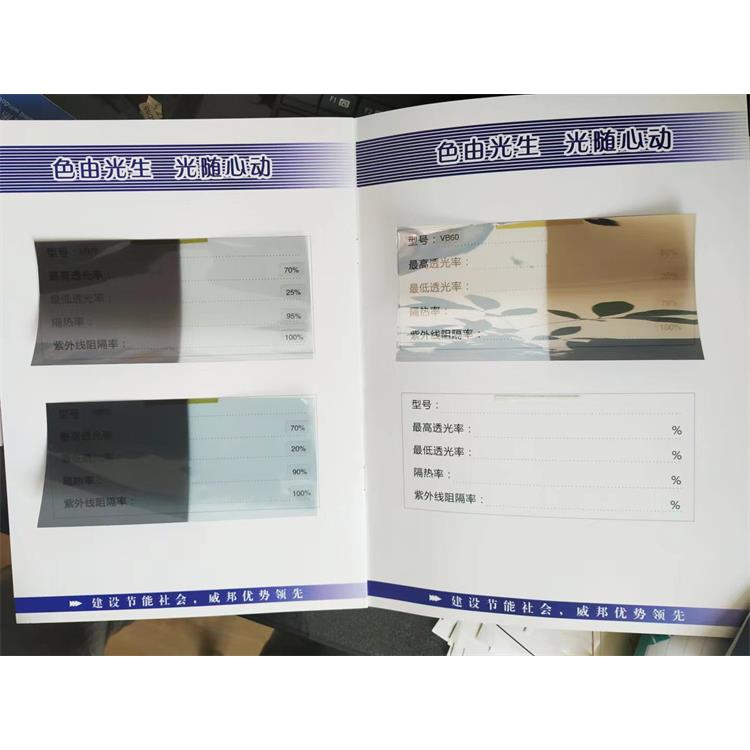










Photochromic change is a conventional physical process that occurs upon exposure to ultraviolet light or sunlight, where the product absorbs UV or sunlight to change color. When the UV or sunlight is no longer present, the product returns to its original color based on the temperature inside and outside the vehicle. The product, after changing color, effectively blocks intense sunlight from affecting the driver's vision, ensuring the driver's safety and enhancing driving comfort.
Smart Tinted Car Film Advantages and Features
1. Color change
Photochromic is a conventional physical phenomenon where the material changes color upon exposure to ultraviolet light or sunlight. After absorbing UV or sunlight, it changes color. When the ultraviolet light or sunlight is no longer present, the color returns to its original state based on the temperature inside and outside the vehicle. The photochromic product effectively blocks intense sunlight from the driver's view, ensuring the driver's comfort and improving driving safety.
2. High thermal insulation and transmission rate
Automotive tinting films save fuel because they have heat-reflective properties, blocking infrared and ultraviolet rays. This effectively controls the greenhouse effect within the sealed cabin, significantly reducing the fuel consumption of the car's air conditioning, thereby achieving energy-saving and fuel-saving effects.