







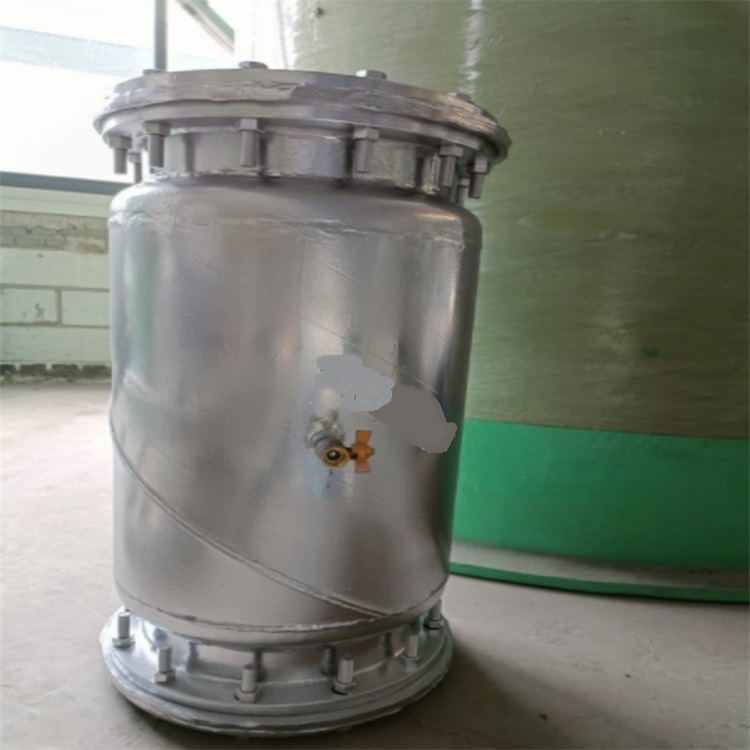


A hydraulic backwash device is a device that uses hydraulic principles to clean pipes or equipment. It typically consists of a pump, a reservoir, and a set of nozzles.
When it's time to clean pipes or equipment, the pump extracts water from the tank and then high-pressure jets it through nozzles onto the area that needs cleaning. The rapid flow of water and the force of the jet effectively remove dirt, sediment, or obstructions from within the pipes or equipment.
The hydraulic backwash device boasts excellent cleaning performance, simple operation, and wide cleaning range. It is widely used in industrial production, construction projects, and urban environmental sanitation, commonly employed for cleaning sewage pipes, conveyance pipelines, sedimentation basins, storage tanks, and other equipment.
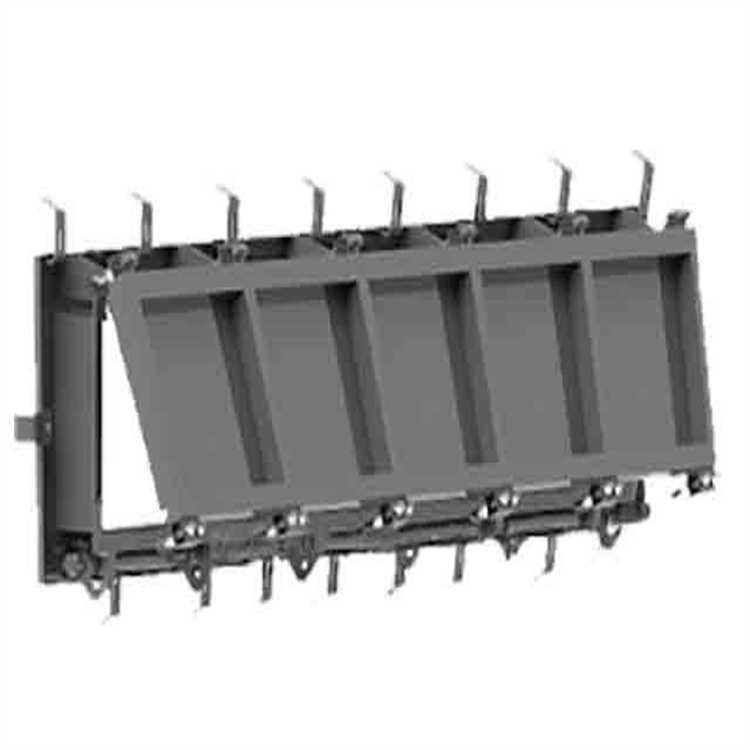
Gate-type hydraulic cleaning equipment is a hydraulic cleaning device used for cleaning pipelines, containers, equipment, etc. It features a gate structure with a large working space and carrying capacity, suitable for cleaning larger-sized workpieces.
The Gate-type Hydro-Cleaning Equipment is mainly composed of a pump, nozzles, and a control system. The pump transports high-pressure water jets, which are then sprayed onto the object to be cleaned by the nozzles to remove dirt and impurities. The control system allows for the adjustment and control of the water flow to meet various cleaning requirements.
Gate-type hydraulic flushing equipment features high cleaning efficiency, ease of operation, and cleaning capabilities. It is widely used in industries such as petrochemicals, power, metallurgy, papermaking, and food, for cleaning pipes, storage tanks, heat exchangers, reactors, and other equipment, effectively extending the lifespan and improving the work efficiency of the equipment.
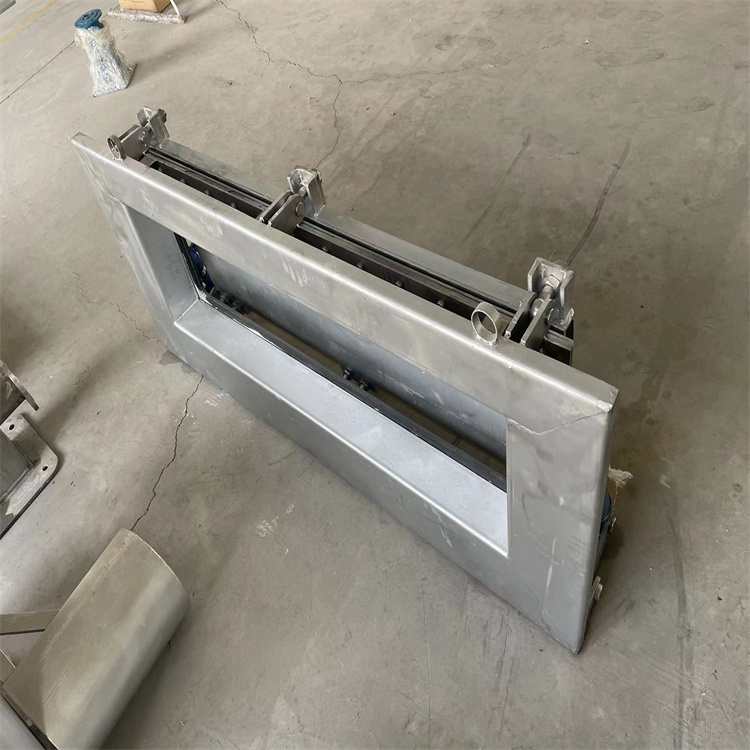
Hydraulic shield flushing flap gate refers to a method that uses a hydraulic system to drive the shield for flushing and cleaning operations. The shield is a device used for collecting wastewater, silt, and other solid waste, commonly employed in wastewater treatment plants and water treatment facilities.
During the flushing process of the shield retaining dam hydraulic flap, it is first necessary to connect the hydraulic system to the shield, and then provide pressure through the hydraulic pump. Subsequently, using the pressure from the hydraulic system, control the flap mechanism inside the shield for opening and closing operations.
When flushing is required, the hydraulic system provides sufficient pressure to open the flap device, thereby expelling solid waste. The flushing fluid flows through the channels inside the retaining shield, carrying away the solid waste.
The advantages of the retaining shield flushing hydraulic gate are its simplicity of operation, high efficiency, and ability to quickly clear solid waste, enhancing the operational effectiveness of wastewater treatment equipment. Additionally, as it is driven by a hydraulic system, no manual intervention is required during operation, reducing labor costs and operational risks.
Be mindful that when using the Retaining Shield to flush the hydraulic flap gate, ensure the proper operation and maintenance of the hydraulic system for safety and stability. Additionally, adjust the pressure of the hydraulic system and the switching frequency of the flap gate device according to specific conditions to meet various cleaning requirements.
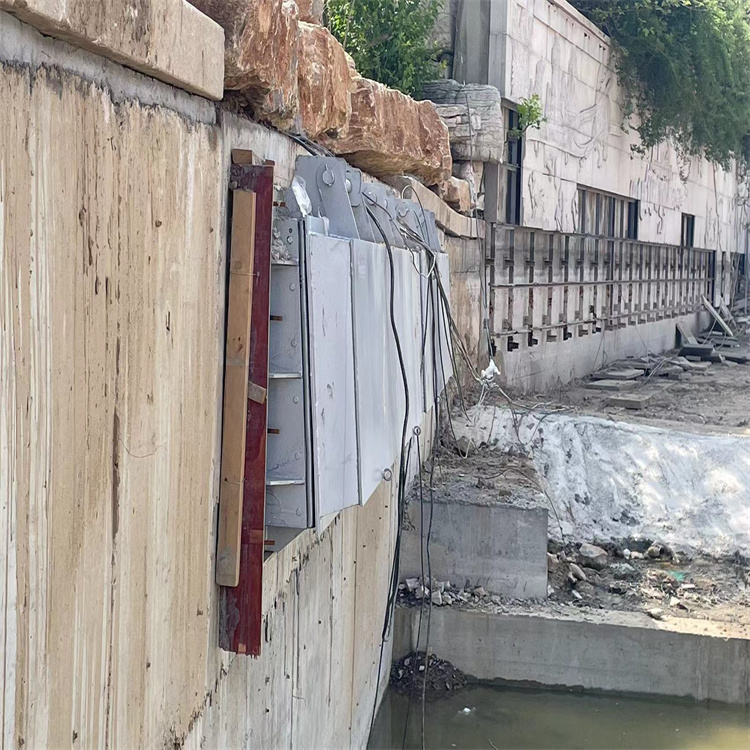
The Door-Mounted Auto-Cleaning System is an automatic flushing device for toilets or public restrooms. It typically consists of a door-like structure that covers the entire toilet area. The system is equipped with sensors and controllers that can automatically detect when the user is finished and initiate the flushing process.
The principle of the automatic flushing system for door models is that after the user finishes, sensors detect the user's departure and send a signal to the controller. The controller then activates the water pump to inject a specific amount of water into the toilet to flush away waste. After the flush is complete, the system automatically shuts off the water pump, ready for the next use.
The door-style automatic flushing system has several advantages. First, it provides hygiene and convenience, eliminating the need for users to touch buttons or rods, thereby reducing the risk of cross-contamination. Second, it saves water resources as the system automatically controls water flow and flushing time as needed, preventing waste. Moreover, the door-style automatic flushing system can also offer a degree of intelligent management, such as recording usage frequency and duration for maintenance and management purposes.
In summary, the door-type automatic flushing system is a convenient, hygienic, and water-saving flushing equipment suitable for public places and restrooms. It enhances sanitation, reduces water waste, and offers intelligent management features.

An automatic swing gate flushing system is a gate system featuring automatic opening and closing functions. It typically consists of a pair of gates that can open and close automatically for easy personnel entry and exit.
This flushing fence system is commonly used in locations requiring frequent entry and exit, such as factories, warehouses, and parking lots. It enhances throughput, reduces manual operations, and improves safety.
Automatic gate washbars are typically equipped with sensors or remote controls for automatic detection and remote operation. When someone approaches the barrier, the sensor detects this and automatically opens the gate, allowing for easy entry or exit. After the person passes through, the gate closes automatically to ensure safety.
Additionally, the automatic sliding gate flushing barrier can be equipped with a flushing system, which is used for cleaning the gate and barrier. The flushing system can regularly or as needed clean the gate and barrier, maintaining their cleanliness and hygiene.
In summary, the automatic sliding gate system is a convenient and secure barrier solution suitable for places requiring frequent entry and exit. It enhances work efficiency, reduces manual operation, boosts safety, and maintains cleanliness and hygiene for both gates and barriers.
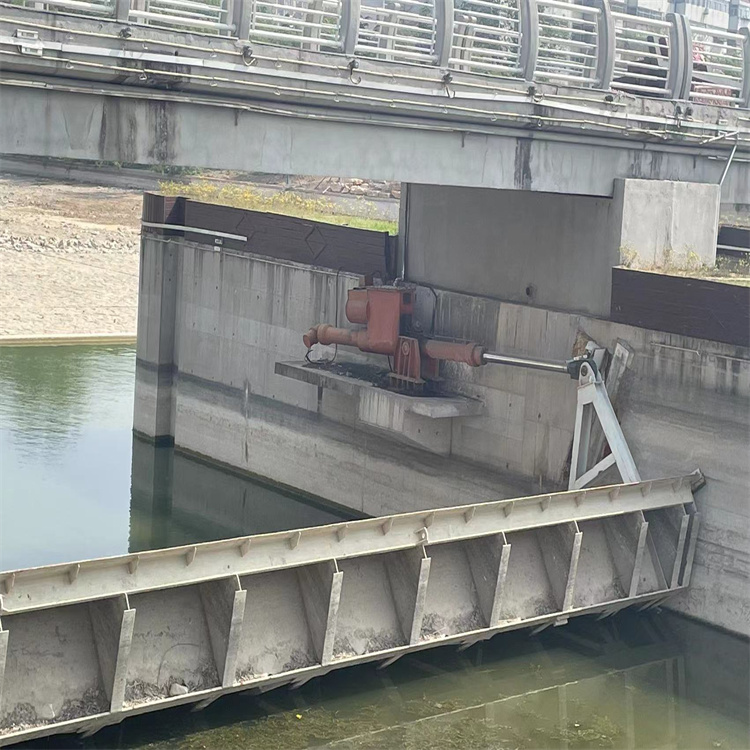
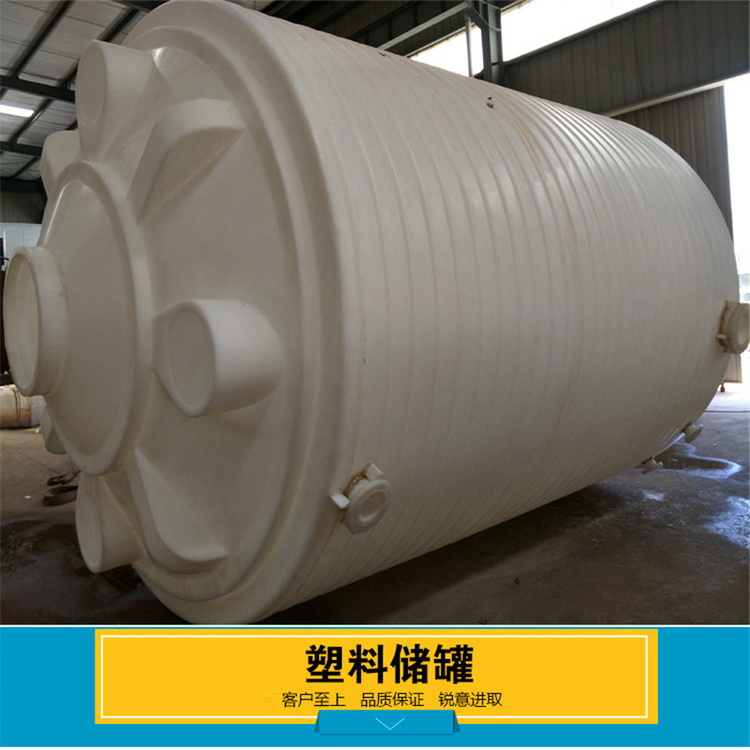
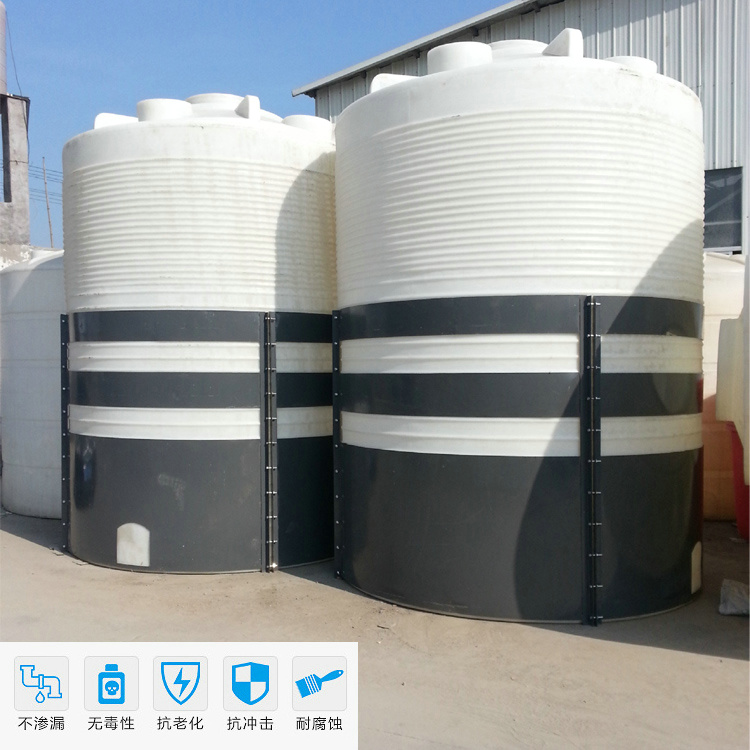
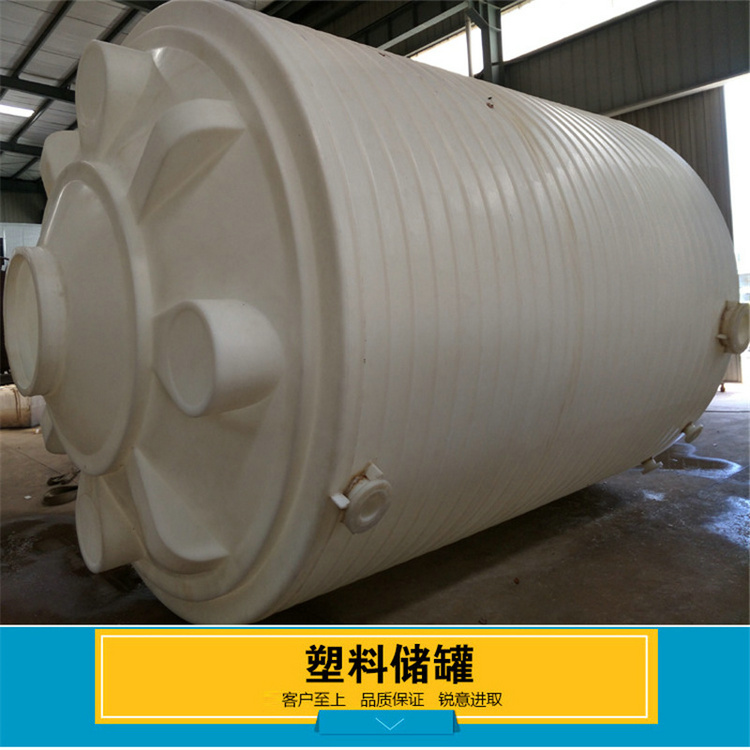
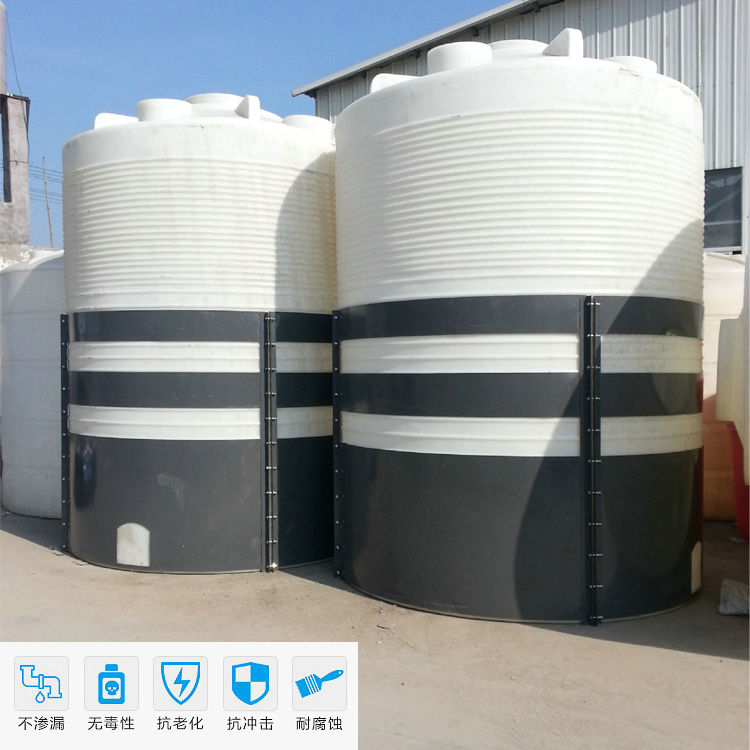
A reservoir flushing device is a piece of equipment used for cleaning reservoirs. Reservoirs are facilities designed for storing water, commonly used for supply, irrigation, or industrial purposes. Over time, due to regular use, dirt, sediments, and bacteria can accumulate within reservoirs, necessitating regular cleaning to maintain water hygiene and safety.
The reservoir flushing device typically consists of the following components:
1. Pumps: Powering the flow of flushing water. Pumps typically draw water from an external water source or from the reservoir itself and then transport it through pipes to the interior of the reservoir.
2. Nozzles or喷头: Installed at various locations within the reservoir, used to evenly spray the flushing water over all areas of the reservoir. Nozzles typically feature adjustable spray angles and flow rates to accommodate different cleaning requirements.
3. Control System: Used for controlling the start/stop of the washing unit, spray angle, water flow, and other parameters. The control system typically consists of electrical control devices and sensors, enabling automated cleaning operations.
The working principle of the reservoir flushing device is to deliver cleaning water into the reservoir interior via a pump, then uniformly spray it over different areas of the reservoir through nozzles or heads. Through continuous spraying and scrubbing, dirt, sediments, and bacteria in the reservoir can be removed, achieving the effects of cleaning and disinfection.
Using the reservoir flushing device can improve water quality in the reservoir, reduce the risk of water pollution and disease transmission. Additionally, it can decrease the labor and time required for manual cleaning, enhancing cleaning efficiency.