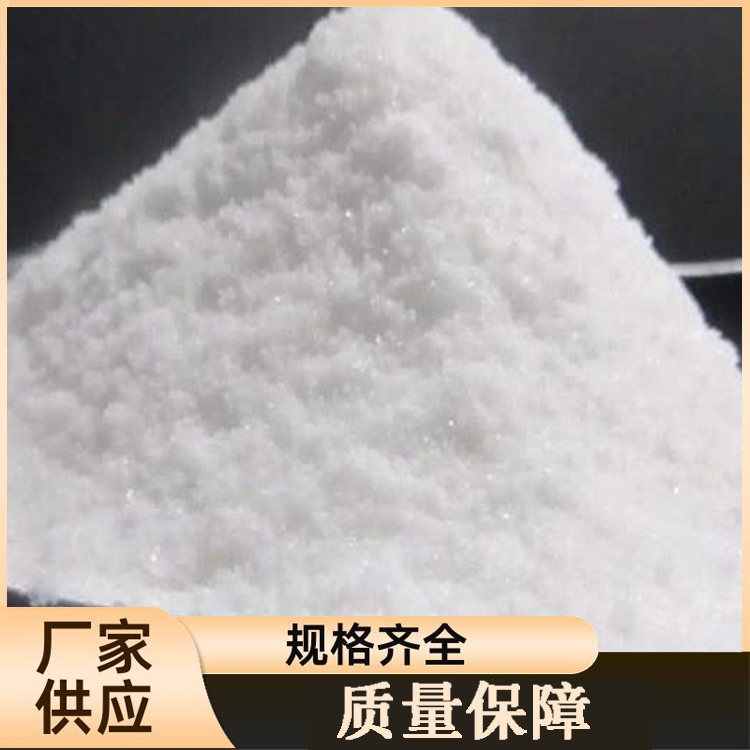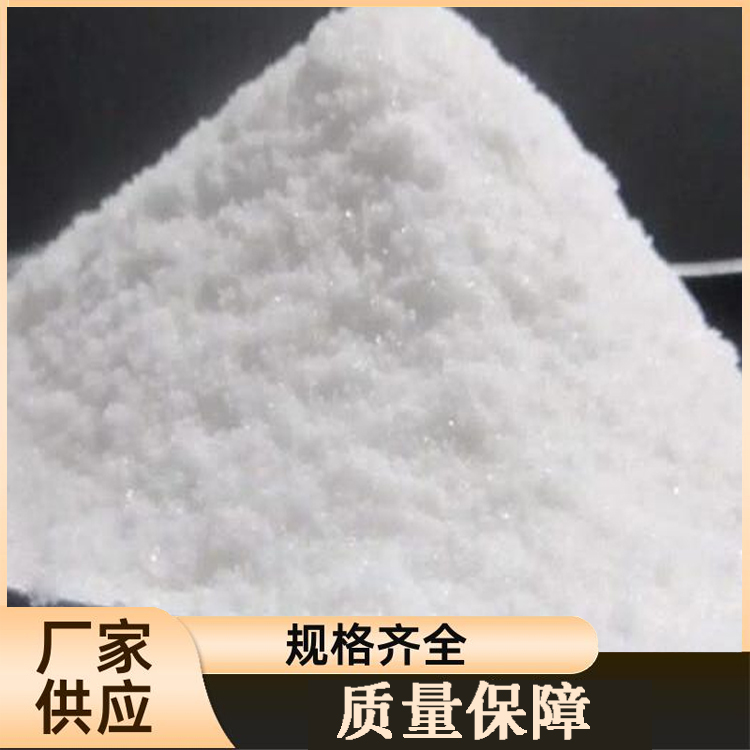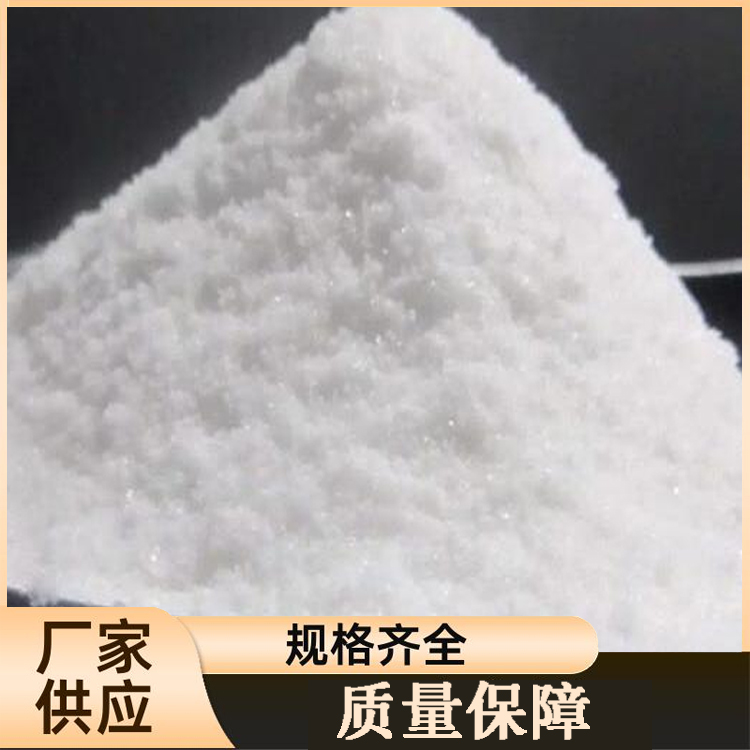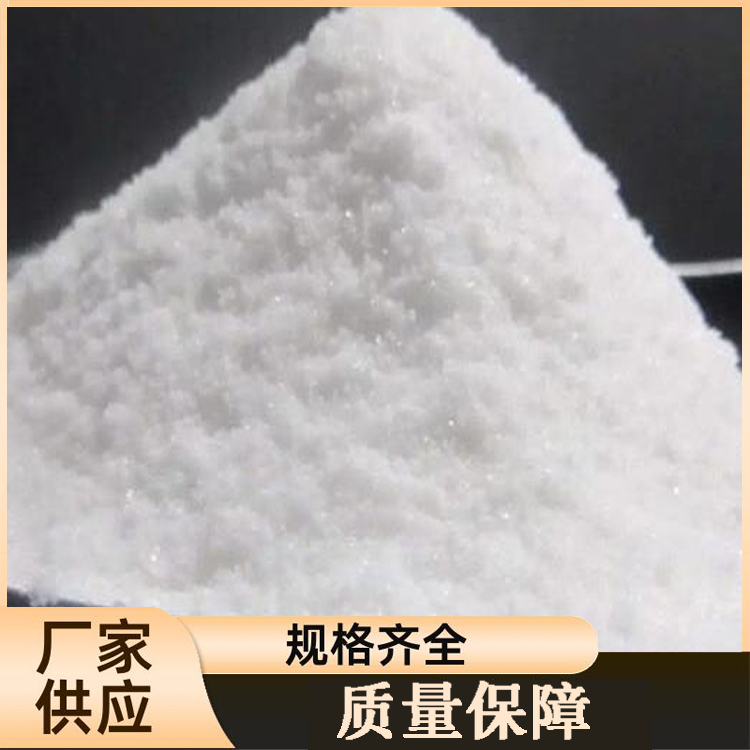
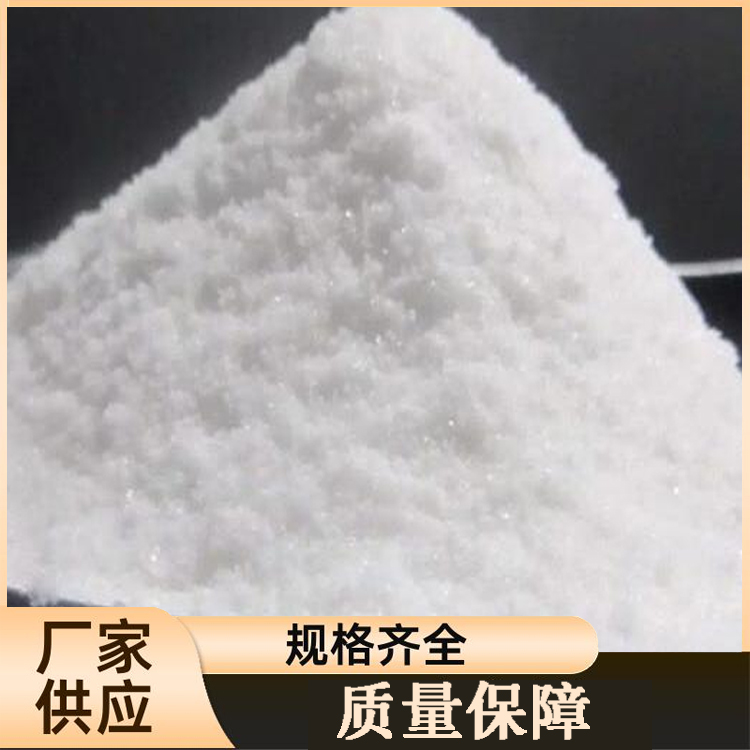
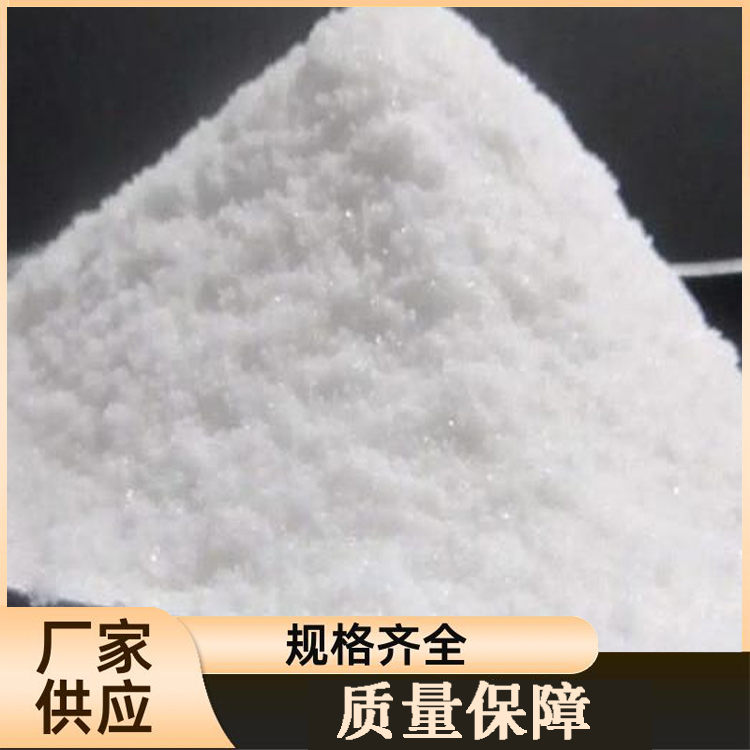











The main component of refined industrial salt is sodium chloride, which also contains trace amounts of calcium, magnesium ions, sulfate ions, and some solids that are not easily dissolved. There is no sodium nitrite present. Currently, there is no data on the heavy metal content in industrial salt. However, from a common usage perspective, the heavy metal content in industrial refined salt should be very low. As to why everyone says industrial salt contains sodium nitrite, it's because many middle and high school chemistry teachers teach it that way, and the media refers to it as such. But why? Since sodium nitrite is a type of salt commonly used in industry, it is generally referred to. But the content of impurities like sodium nitrite is less than 1%.
Raw salt is a product of the coarse processing of sea salt and also comes in large granules. Raw salt is edible but contains impurities and lacks iodine. Moreover, the large-grained salt used in industrial production is industrial salt and is not suitable for consumption. Therefore, when you see raw salt, be sure to differentiate whether it is industrial raw salt, such as medium-coarse industrial salt, where the large granules resemble raw salt. This medium-coarse industrial salt is not suitable for eating, as it mainly accumulates in the muscles. It is a muscle toxin that can cause numbness in the poisoned individual, such as with pricking sensations in the face and limbs, muscle tremors, spasms, and convulsions. In severe cases, muscles gradually become paralyzed, pupils dilate and cannot be regulated, the tongue muscles become paralyzed, making speech difficult; respiratory muscle paralysis and difficulty breathing can lead to sudden cardiac arrest and death due to respiratory muscle paralysis.
The difference between industrial salt and table salt
I. Structural Differences
1. Edible salt is pure sodium chloride.
2. Industrial salt contains not only sodium chloride but also sodium nitrite.
Section II: Natural Variations
1. Edible salt is stable in nature, and its aqueous solution is neutral.
2. Sodium nitrite in industrial salt is relatively stable under dry conditions, but it can slowly absorb oxygen and oxidize into sodium nitrate, with the aqueous solution being alkaline.
Section 3: Appearance Differences
1. Edible salt contains iodine, is white, fine sand-like, slightly moist, does not clump when kneaded by hand, and can be yellow or pale blue under special circumstances.
2. Industrial salt is non-iodized, with a gray color, mostly granular in shape, high in moisture content, and sodium nitrite can also be pale yellow.
IV. Flavor Differences
1. The table salt is quite salty.
2. Sodium nitrite in industrial salt has a slight salty taste, which is difficult to discern by flavor during consumption.