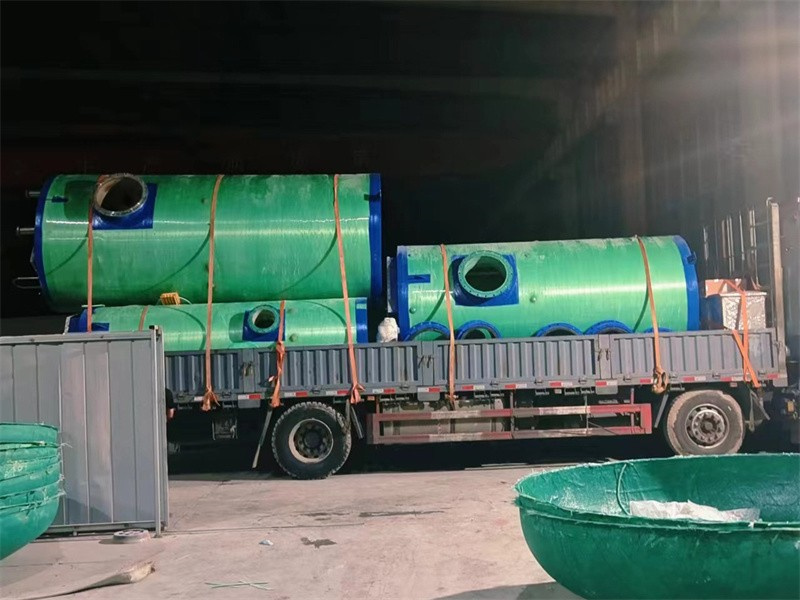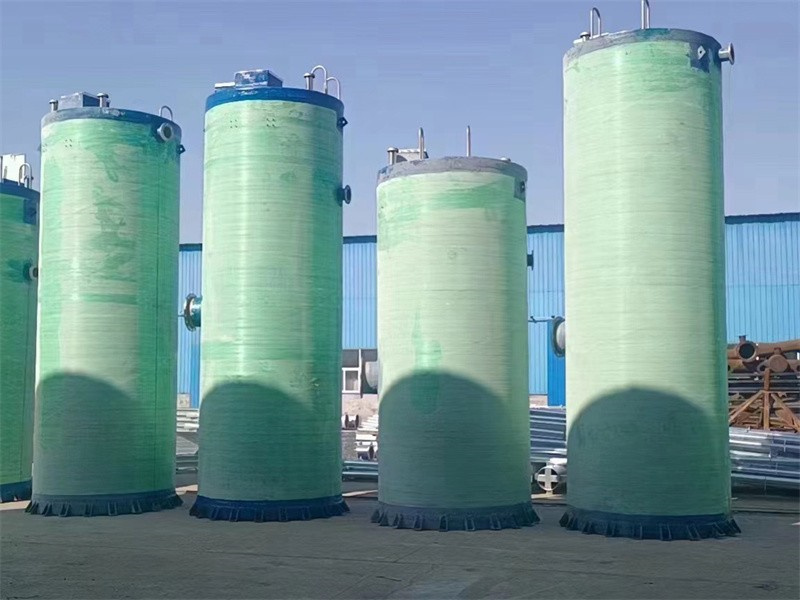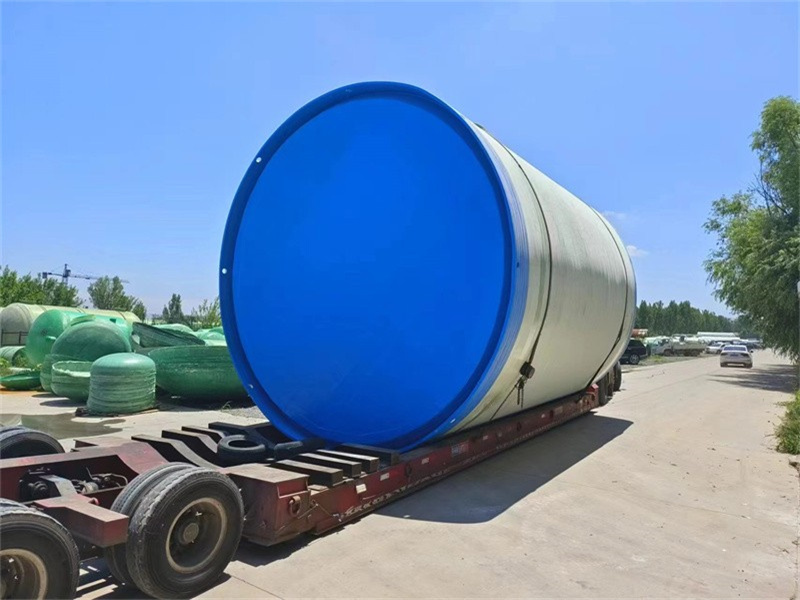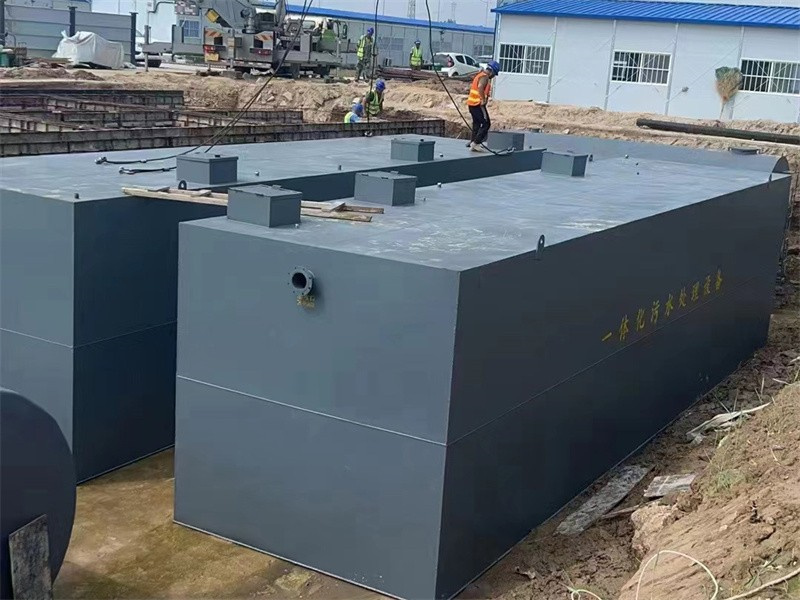










Wastewater from rural living can greatly impact the environment. At this point, to protect the ecological balance of nature, the use of domestic wastewater treatment equipment is necessary.
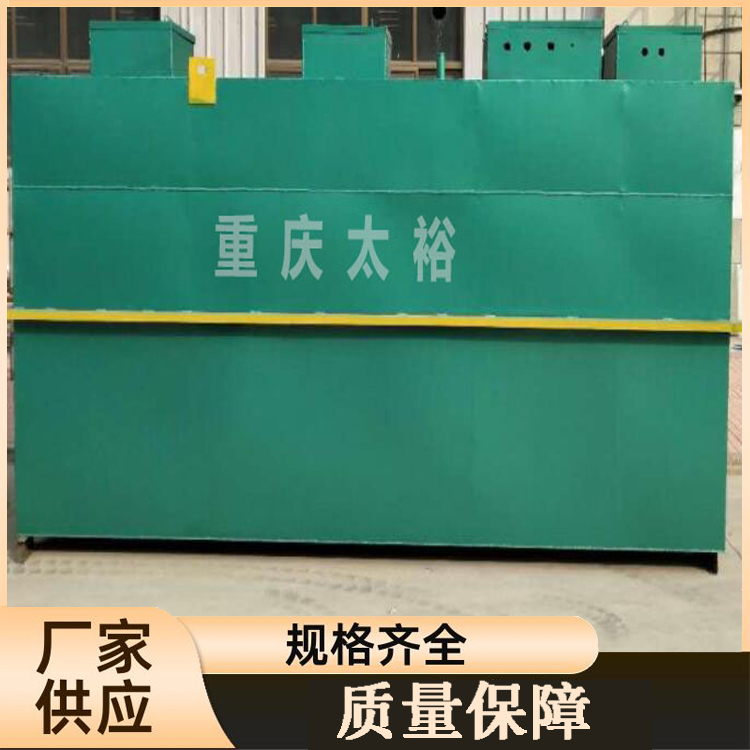
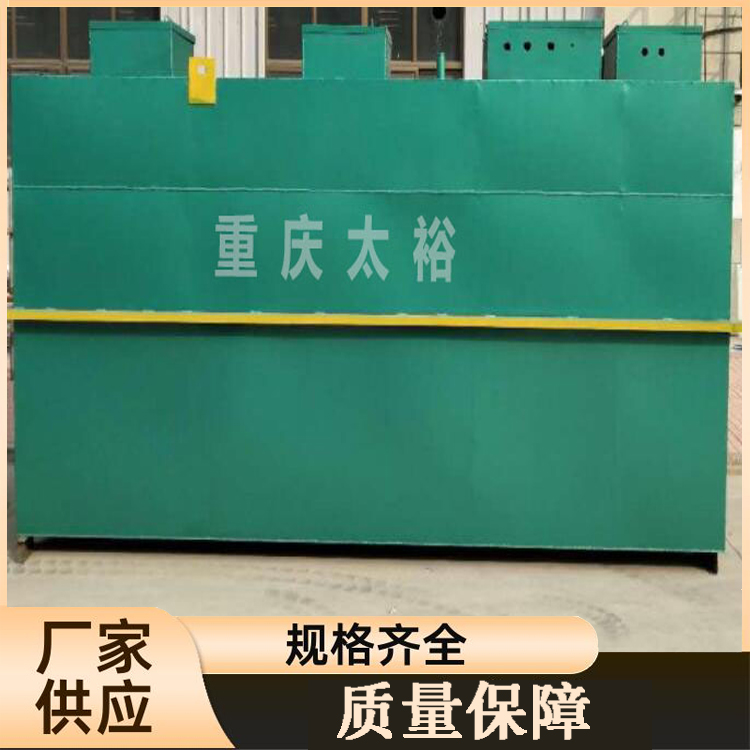
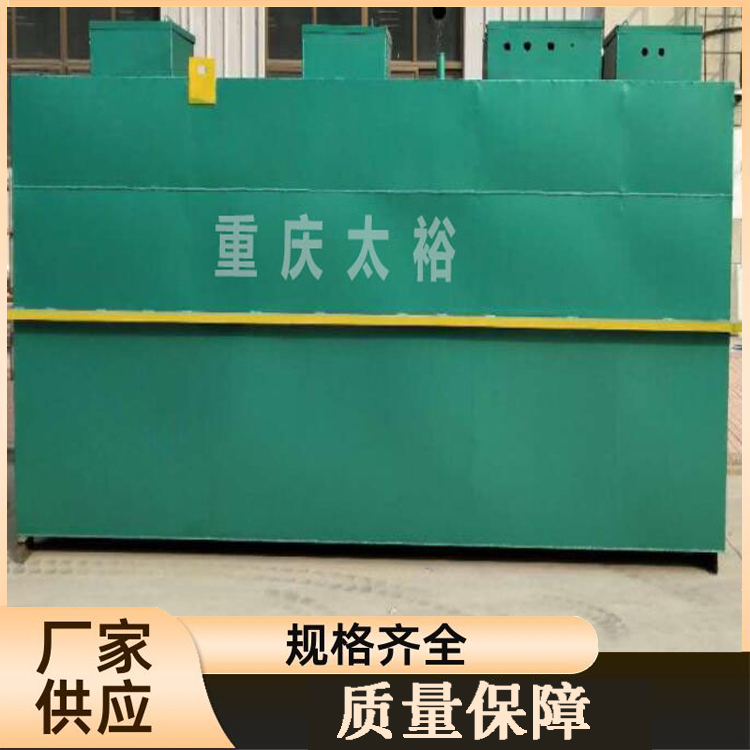
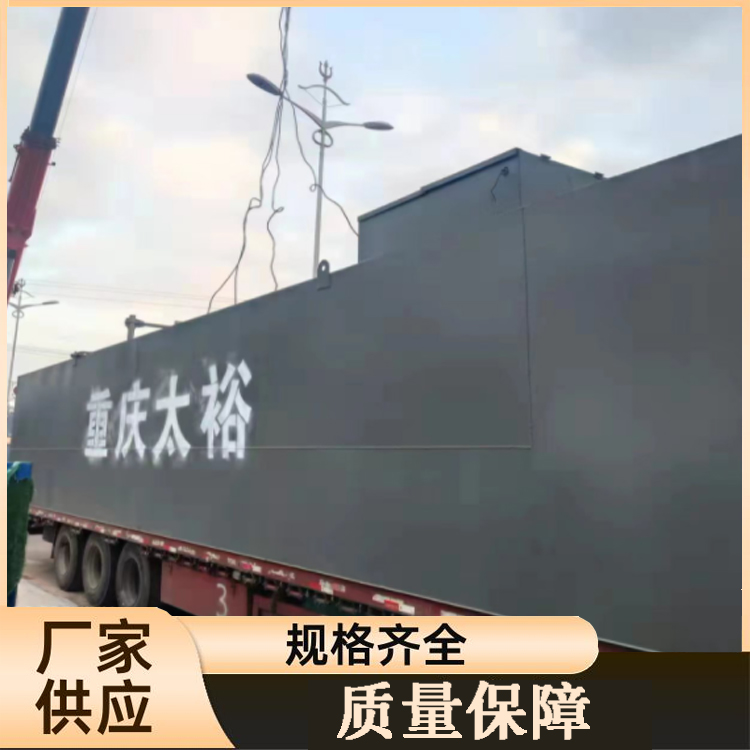
The wastewater treatment equipment used in the rural domestic wastewater renovation project employs a unique MBR process. This process integrates the membrane separation technology of water treatment and the activated sludge process of wastewater treatment, combining both filtration mechanism and biochemical action. This ensures stable effluent water quality. The rural domestic wastewater renovation project can more effectively remove organic matter from wastewater, achieving high treatment efficiency. As the operation time extends, the activated sludge accumulates and compresses on the membrane surface, forming a dense filter cake layer and a gel layer that have a good degrading effect on soluble molecules in the water.
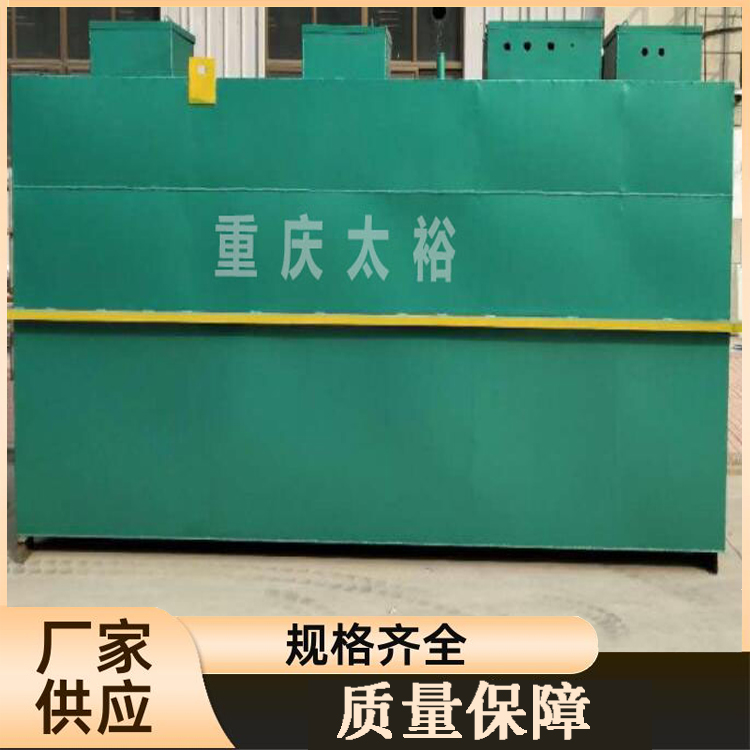
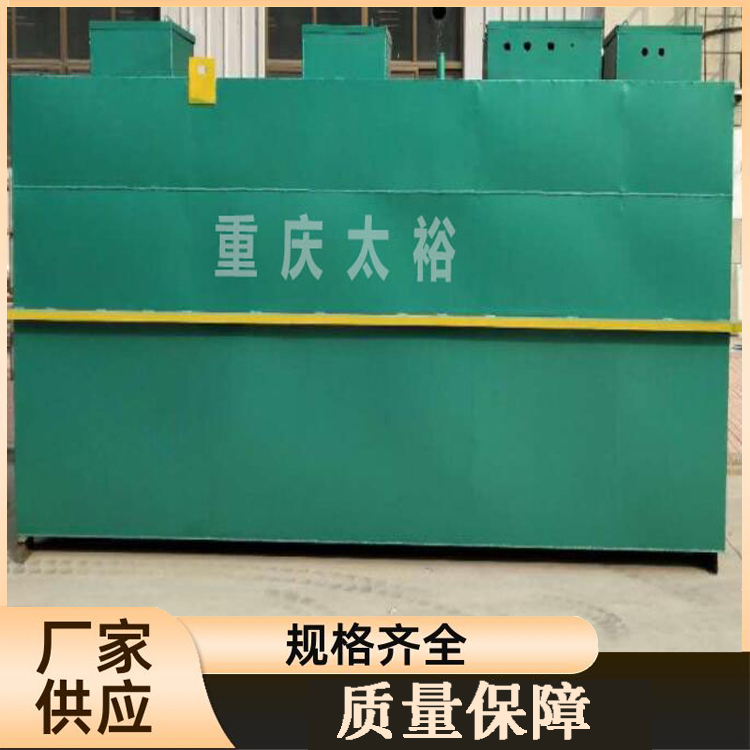
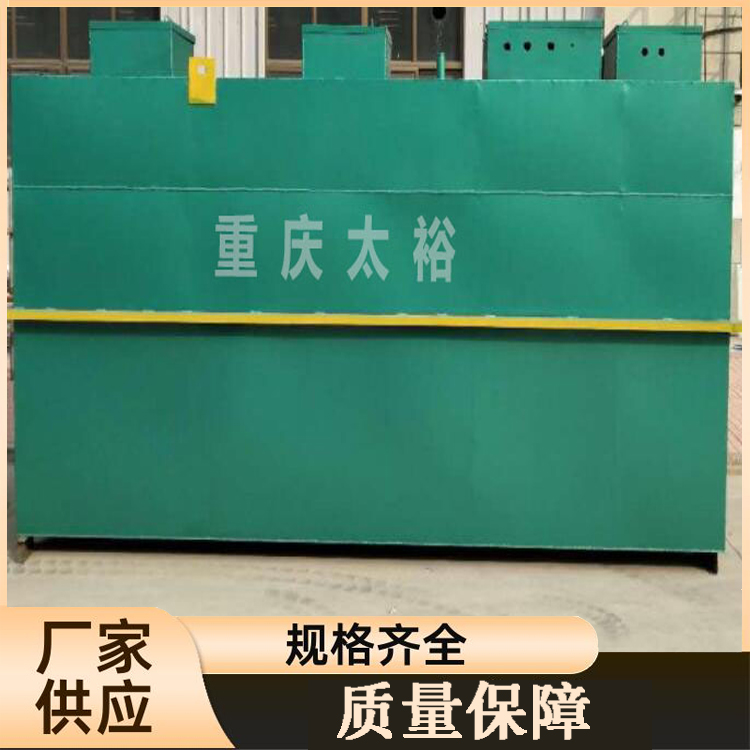
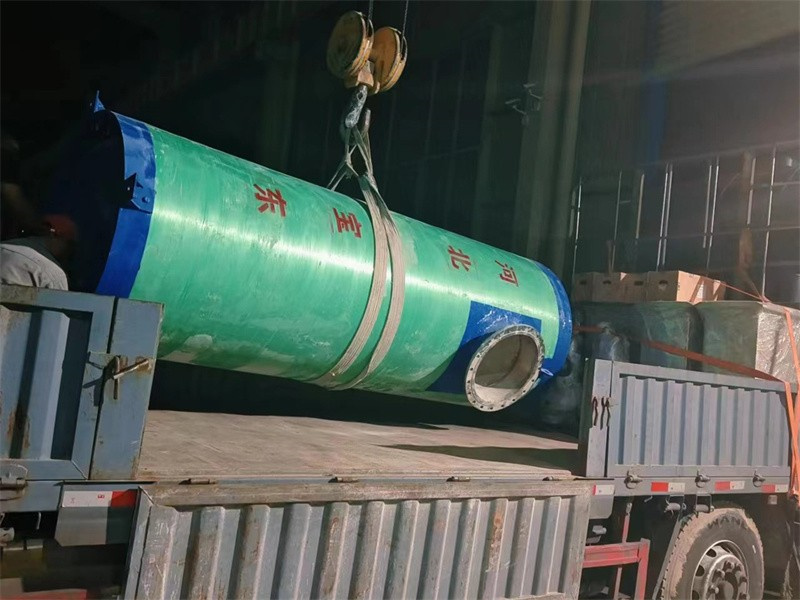
Wastewater treatment equipment used in rural domestic wastewater renovation projects can eliminate the secondary sedimentation tank compared to traditional biochemical methods, reducing the project's land footprint and lowering sludge discharge, operation costs, and increasing automation. The rural domestic wastewater renovation project is a comprehensive system, comprising a grid chamber, regulating tank, rural domestic wastewater treatment equipment, and chlorine dioxide disinfection equipment. It boasts benefits such as low investment, minimal land usage, and effective results. By utilizing a high-configured rural domestic wastewater treatment system, the effluent can even meet recycled water standards, suitable for applications like landscaping and toilet flushing where direct human contact is not involved.